Artwork
Autumn Mountains
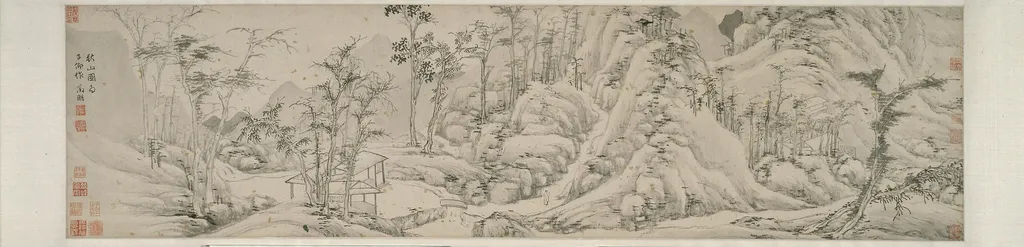
Autumn Mountains is an unspecified painting by the Ming dynasty painting artist Wen Zhengming. It dates from 1530 and is held in the collection of the Art Institute of Chicago.
About this work
Overview
Autumn Mountains, painted in 1530 by Wen Zhengming, is a handscroll ink and color on paper work currently in the collection of the Art Institute of Chicago.
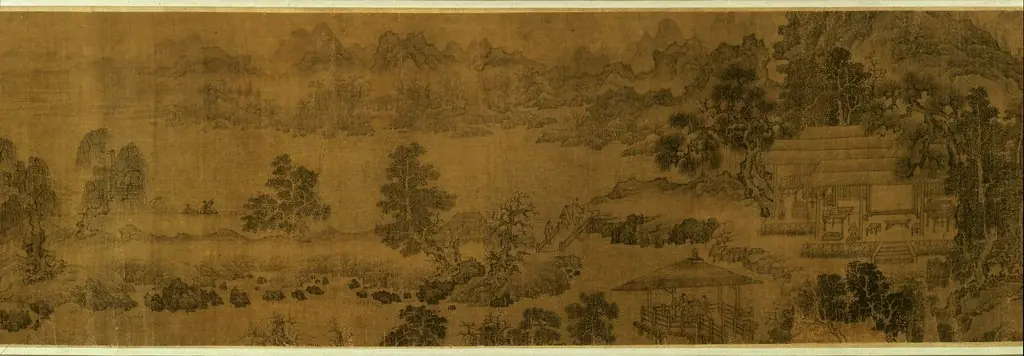
Autumn Mountains, painted in 1530 by Wen Zhengming, is a handscroll ink and color on paper work currently in the collection of the Art Institute of Chicago. It exemplifies the literati painting tradition of the Ming dynasty, emphasizing quiet contemplation through landscape. The composition unfolds horizontally, guiding the viewer through a layered natural environment that balances realism with poetic suggestion.
Subject & Meaning
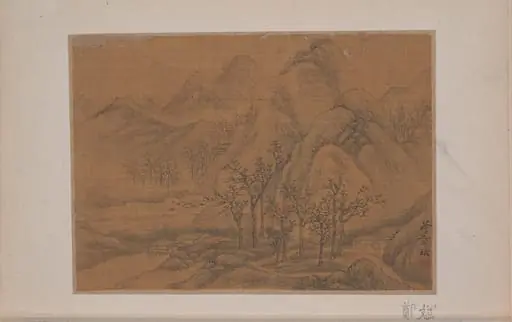
The painting presents a tranquil autumnal scene: distant peaks veiled in mist, sparse evergreens, and a winding path that invites quiet passage. Rather than depicting dramatic action, it evokes stillness and introspection, aligning with Confucian and Daoist ideals of harmony with nature. The absence of human figures underscores solitude as a virtue, encouraging the viewer to reflect rather than observe.
Technique & Style
Wen Zhengming employed fine brushwork and subtle ink washes to model forms, using muted ochres, grays, and soft greens to suggest seasonal change. The gradations of tone create atmospheric depth, with foreground elements rendered in sharper detail than the hazy distant mountains. His technique reflects the literati preference for expressive brushwork over decorative precision, valuing restraint and spontaneity.
History & Provenance
Created during Wen Zhengming’s mature period in Suzhou, the painting reflects his role as a leading figure in the Wu School. It remained within scholarly circles before entering Western collections in the 20th century. The Art Institute of Chicago acquired it in the 1930s, where it has since been studied as a key example of Ming literati aesthetics and the transmission of Chinese painting traditions abroad.
Context
In early 16th-century China, scholar-officials like Wen Zhengming turned to painting as a form of personal expression, distinct from court-sponsored art. Autumn Mountains reflects the cultural value placed on retreat from public life, where nature served as both refuge and moral mirror. The painting’s quiet scale and intimate format were suited for private viewing among peers, reinforcing intellectual and aesthetic bonds.
Legacy
Autumn Mountains exemplifies how Ming literati redefined landscape painting through emotional nuance and technical subtlety. Its influence extended to later generations of Chinese artists and, through collections like the Art Institute’s, helped shape Western understanding of Chinese ink painting as a philosophical, not merely decorative, art form.
Artist & collection

Artist
Wen Zhengming spent most of his life in Suzhou, a city of canals and scholars where art and poetry were daily habits, not hobbies.

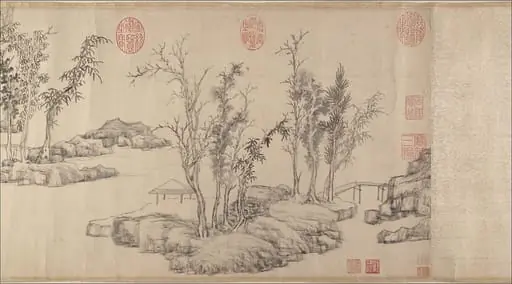
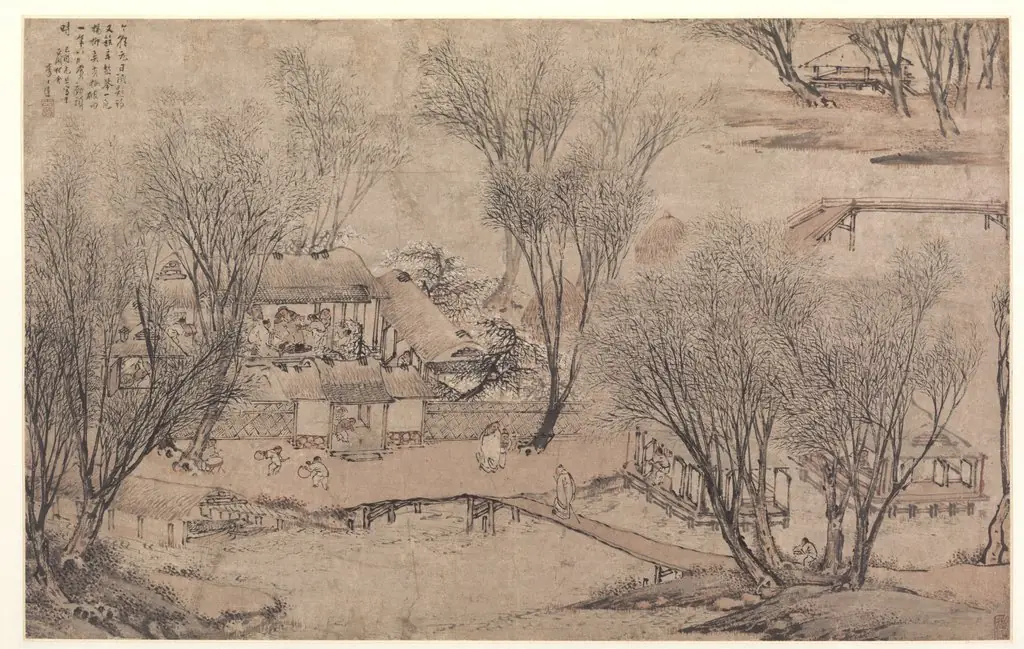 New Year's Day in a Village at Stone Lake
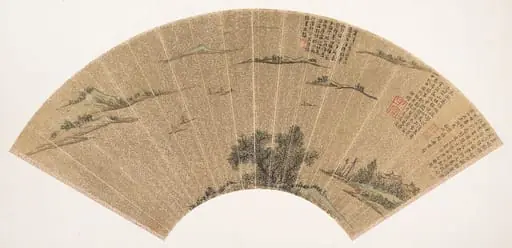
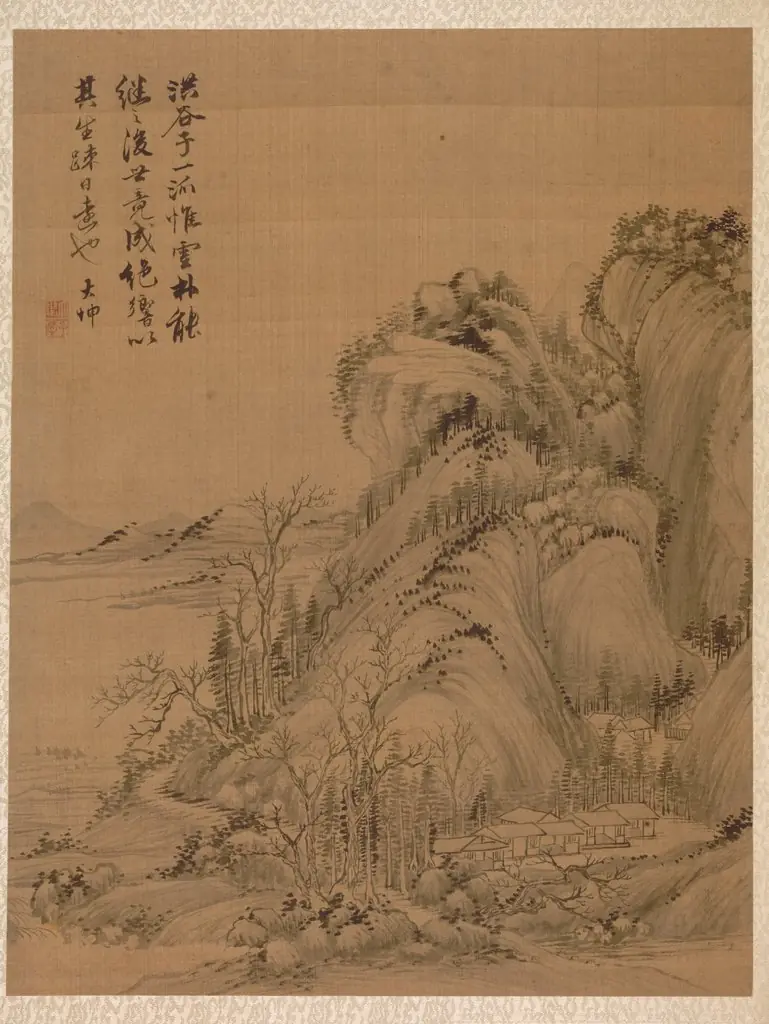 Landscape in the Style of Ching Hao
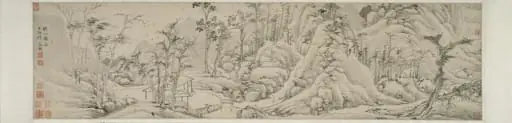 Autumn Mountains 秋山圖
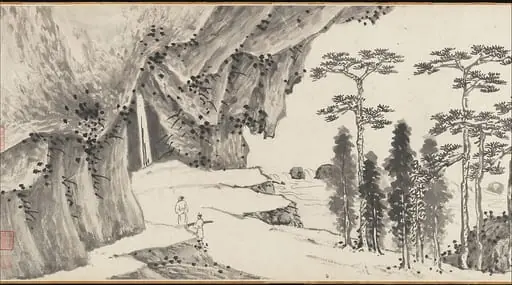 明 沈周 , 文徵明 合璧山水圖 卷|Joint Landscape
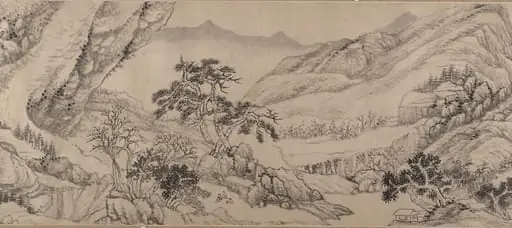 清 柳堉 山水圖 卷|Traveling Amid Streams and Mountains
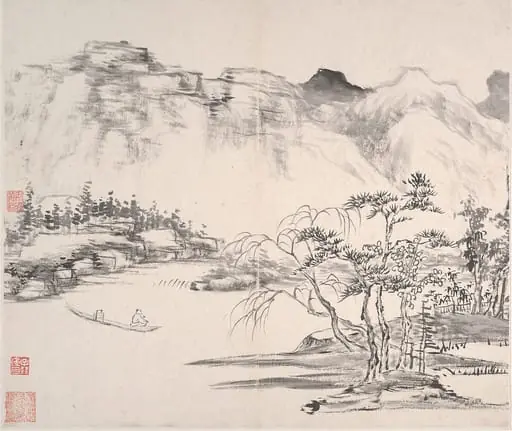 清 伊秉綬 山水 冊|Landscapes
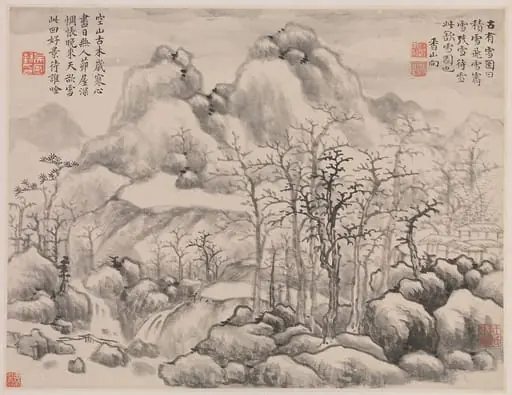 明/清 惲向 欲雪圖 冊頁|Snowscape, from Album for Zhou Lianggong
 Untitled
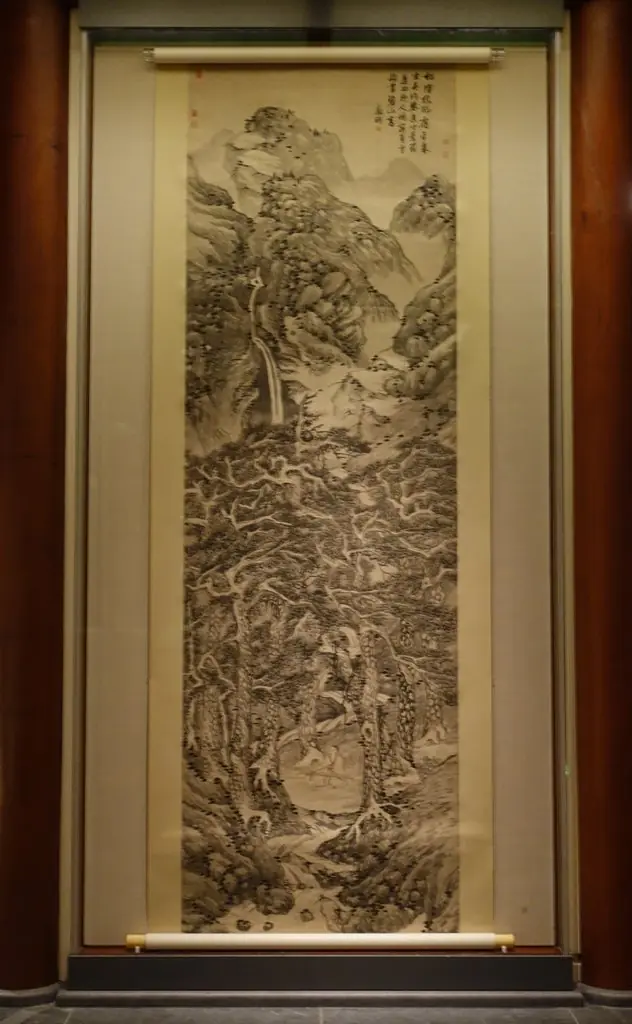
 Mountain and Pine Landscape
 Waterfall and Rocks
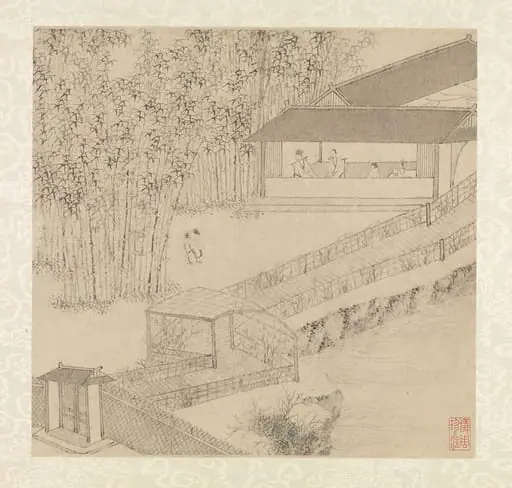
 Untitled
 The Wangchuan Villa