Artwork
An Angel
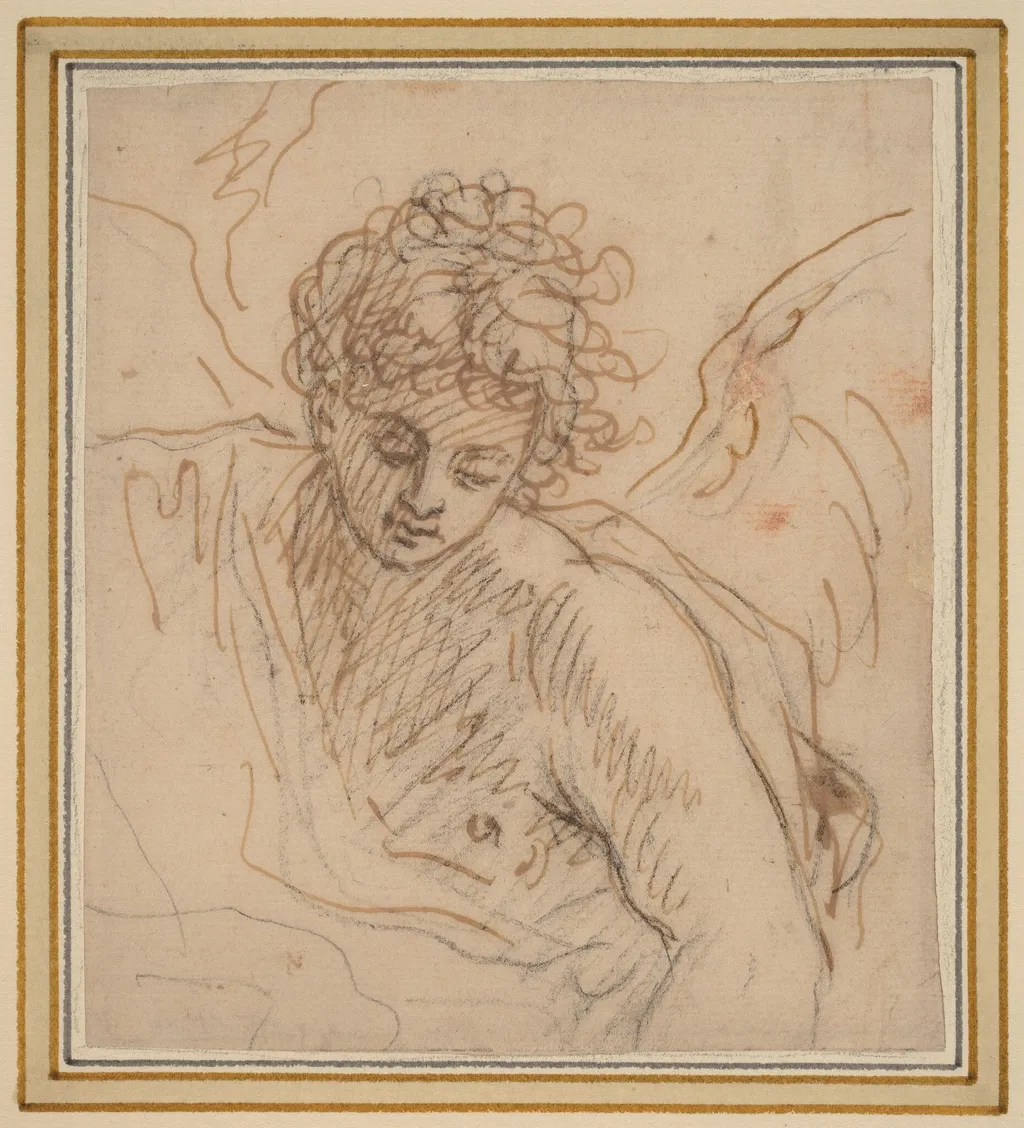
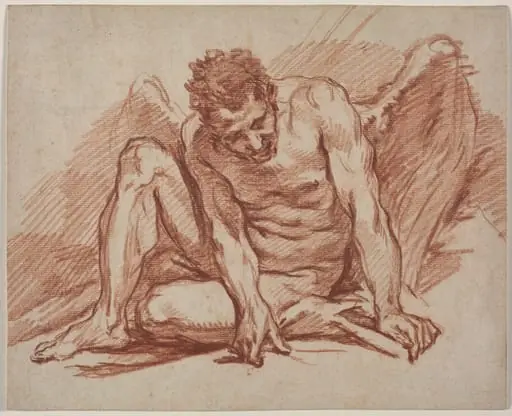
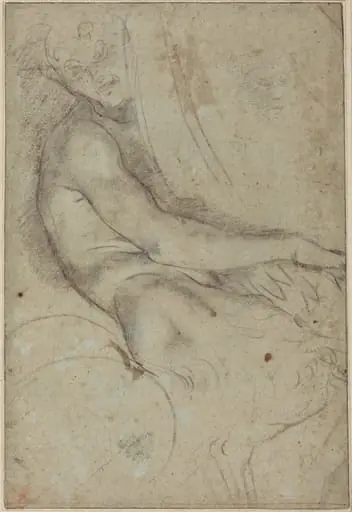
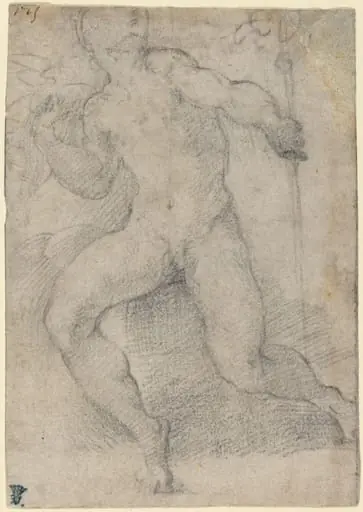
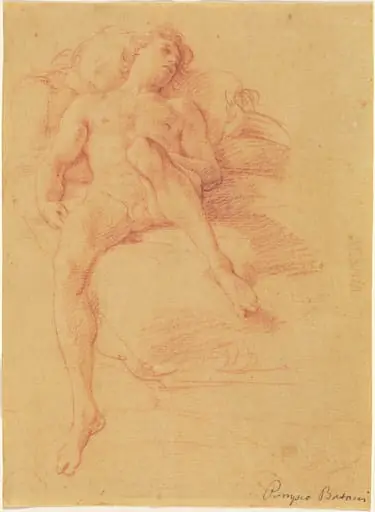
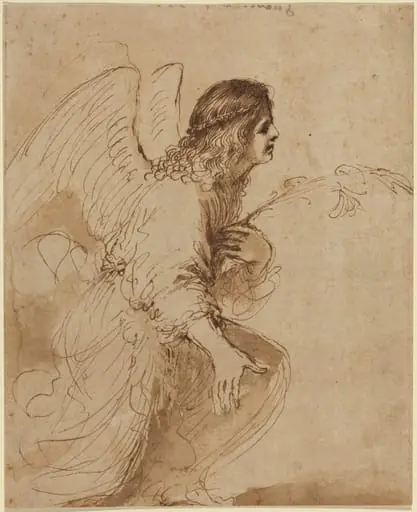
An Angel is a chalk drawing by the Baroque artist Benjamin West. It dates from 1779 and is held in the collection of the National Gallery of Art.
About this work
Overview
Created in 1779, “An Angel” is a pen and brown‑ink drawing on laid paper, underlaid with black chalk. The work measures a modest size and presents a solitary, winged figure in profile, suspended amid a suggestion of clouds. The angel’s serene expression and outstretched wings convey a quiet, contemplative presence.
Subject & Meaning
The composition depicts a single angel, rendered in profile, floating above a vague atmospheric background. The figure’s calm visage and expansive wings evoke themes of divine tranquility and celestial movement, inviting viewers to consider the spiritual calmness associated with angelic beings in 18th‑century religious iconography.
Technique & Style
West employed fine pen lines to delineate the angel’s anatomy, while brown ink adds tonal depth and a sense of volume. The underlying black chalk provides a soft, atmospheric foundation that suggests clouds and light. The drawing reflects a careful study of form, light, and the interplay between line and wash typical of West’s preparatory works.
History & Provenance
Benjamin West, an American-born artist who trained in Italy before establishing his career in London, produced this study early in his European period. The drawing is among his early explorations of religious subjects, preceding his later large‑scale history paintings that secured his reputation in the British art world.
Context
At the time of its creation, West was among the first American artists to gain recognition abroad, contributing to the transatlantic exchange of artistic ideas. “An Angel” illustrates his engagement with classical drawing techniques while addressing the popular 18th‑century interest in allegorical and devotional imagery.
Artist & collection

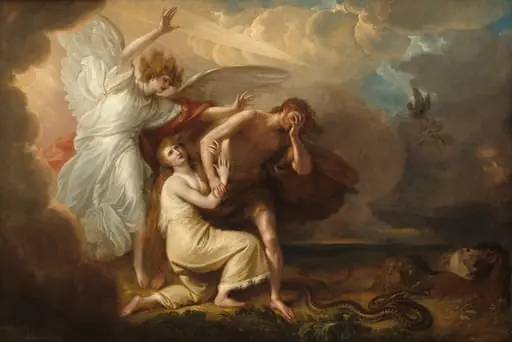 The Expulsion of Adam and Eve from Paradise
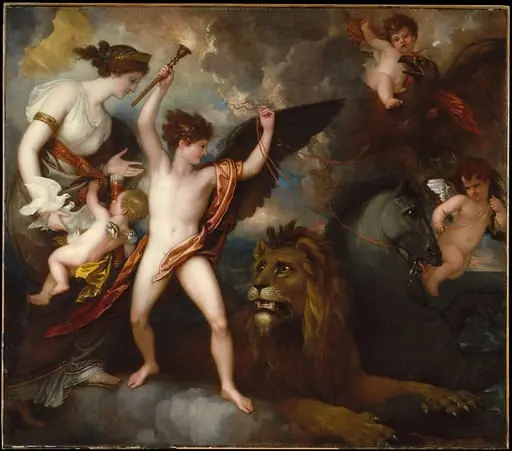 Omnia Vincit Amor, or The Power of Love in the Three Elements
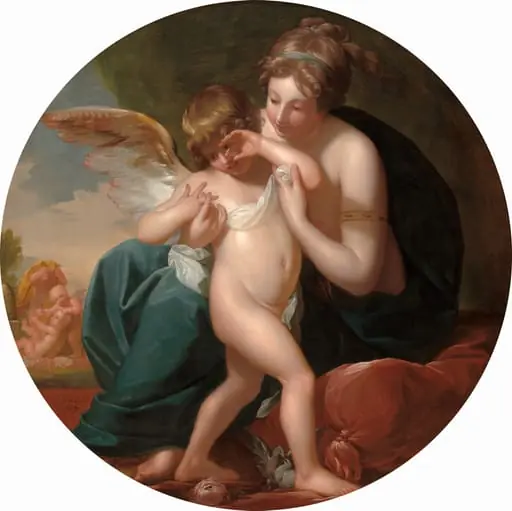 Cupid, Stung by a Bee, Is Cherished by his Mother
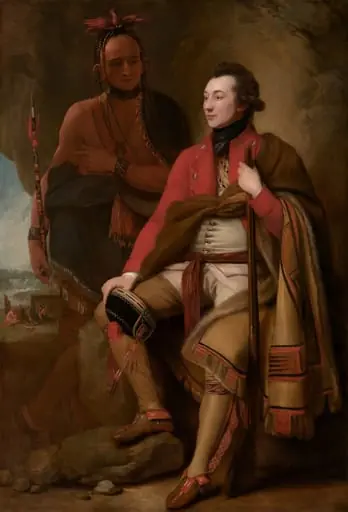 Colonel Guy Johnson and Karonghyontye (Captain David Hill)
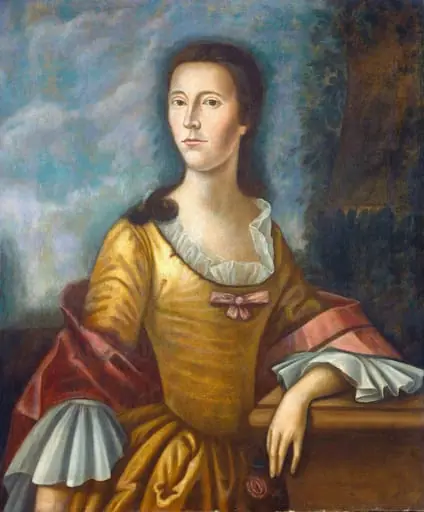 Mary Bethel Boude (Mrs. Samuel Boude)
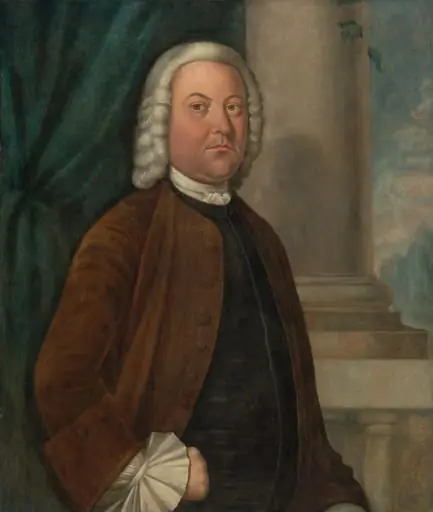 Dr. Samuel Boude
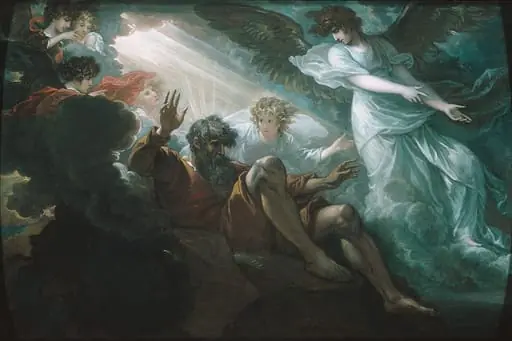 Moses Shown the Promised Land
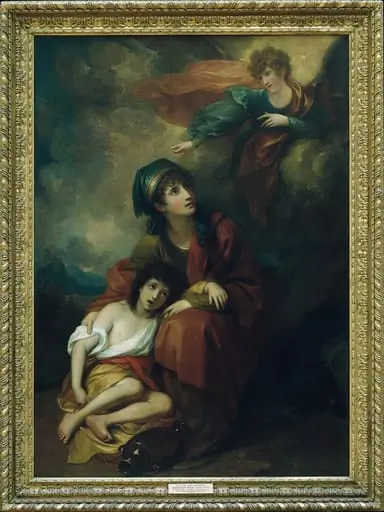 Hagar and Ishmael