Artwork
Telemachus and Calypso
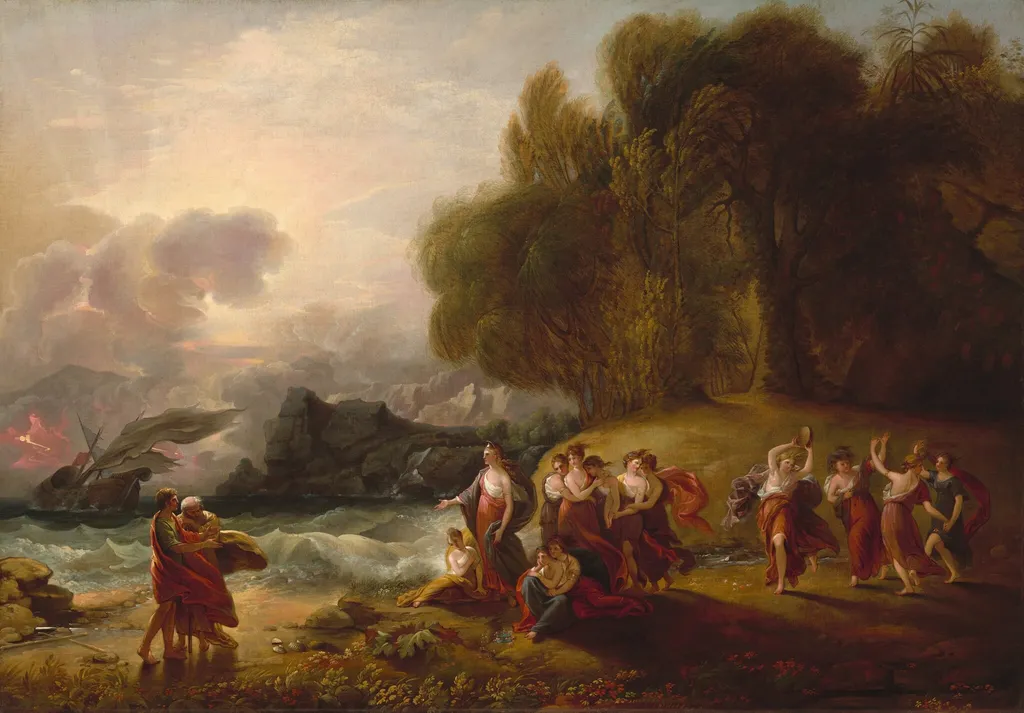
Telemachus and Calypso is an oil painting by the American Impressionist artist Benjamin West. It dates from 1809 and is held in the collection of the National Gallery of Art.
About this work
Overview
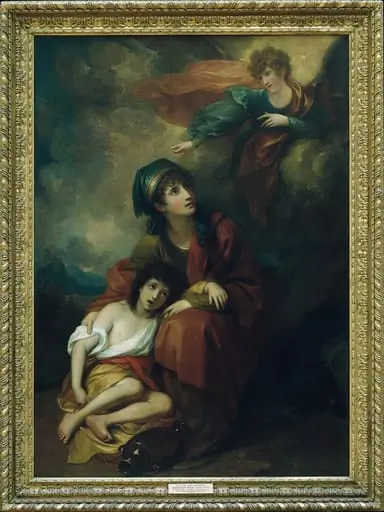
Benjamin West’s oil on canvas, dated around 1809, depicts a moment from the mythic encounter between Telemachus and the nymph Calypso. Set on a jagged shoreline, the composition balances a turbulent sea with a cluster of figures in vivid attire, creating a narrative tableau of rescue and confrontation.
Subject & Meaning
The work illustrates the legendary episode in which Calypus attempts to draw the wandering Telemachus toward her company. The central pair—woman reaching toward the man—suggests a pull between hospitality and peril, while the surrounding onlookers respond with a mixture of curiosity and alarm, emphasizing the tension between divine intervention and human agency.
Technique & Style
Rendered in oil, West employs a dramatic chiaroscuro to heighten the contrast between the storm‑laden waters and the illuminated figures. The palette shifts from the cool blues of the sea to the warm, saturated hues of the costumes, while the rugged rocks are modeled with vigorous brushwork that conveys movement and instability.
History & Provenance
Created circa 1809, the painting belongs to the later period of West’s career, when he turned increasingly toward classical and literary subjects. Its provenance traces through several private collections before entering a public institution, though specific ownership details remain limited.
Context
West, a leading American expatriate in the British art world, often drew on Homeric and mythological themes to explore moral and heroic ideals. This piece aligns with the early‑19th‑century fascination with antiquity, reflecting contemporary tastes for grand historical narratives rendered with theatrical vigor.
Own this work as a print
Artist & collection

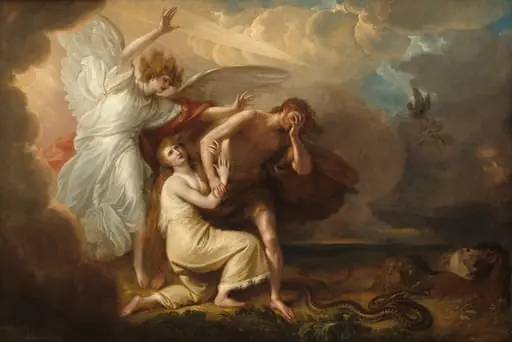 The Expulsion of Adam and Eve from Paradise
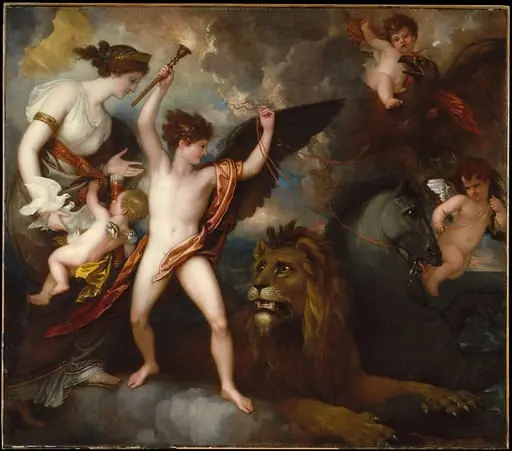 Omnia Vincit Amor, or The Power of Love in the Three Elements
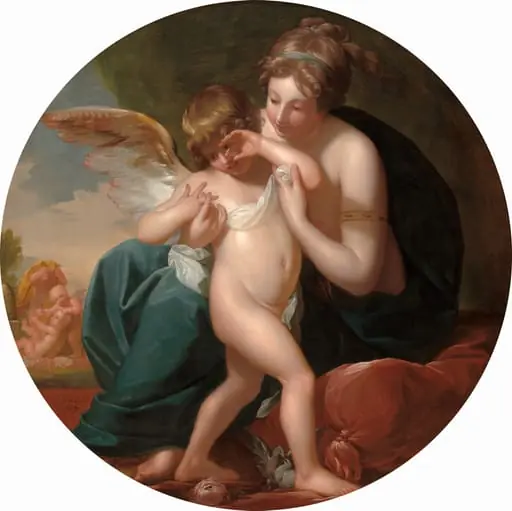 Cupid, Stung by a Bee, Is Cherished by his Mother
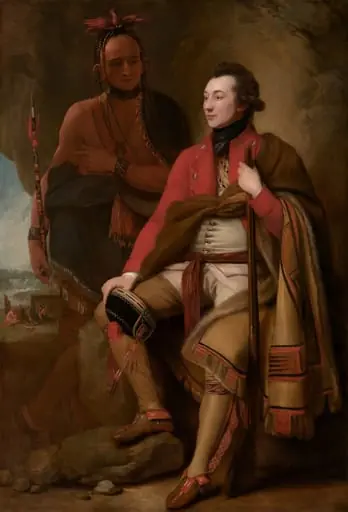 Colonel Guy Johnson and Karonghyontye (Captain David Hill)
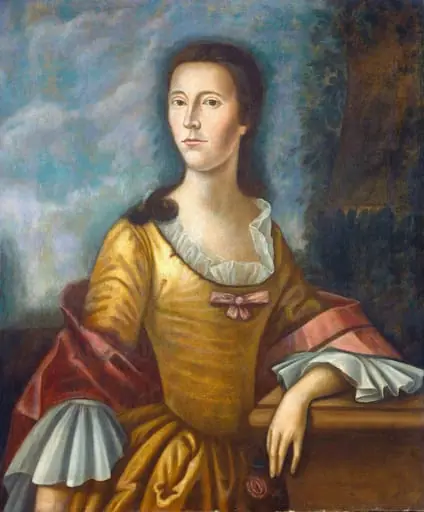 Mary Bethel Boude (Mrs. Samuel Boude)
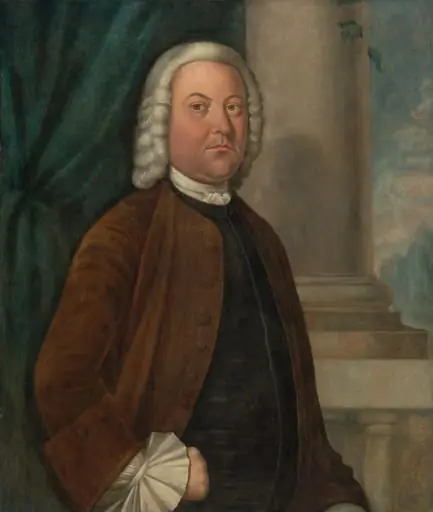 Dr. Samuel Boude
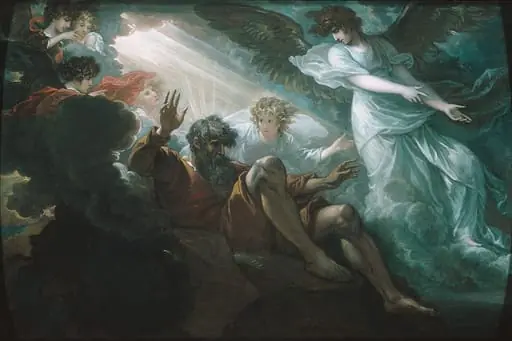 Moses Shown the Promised Land
 Hagar and Ishmael