Artwork
Untitled
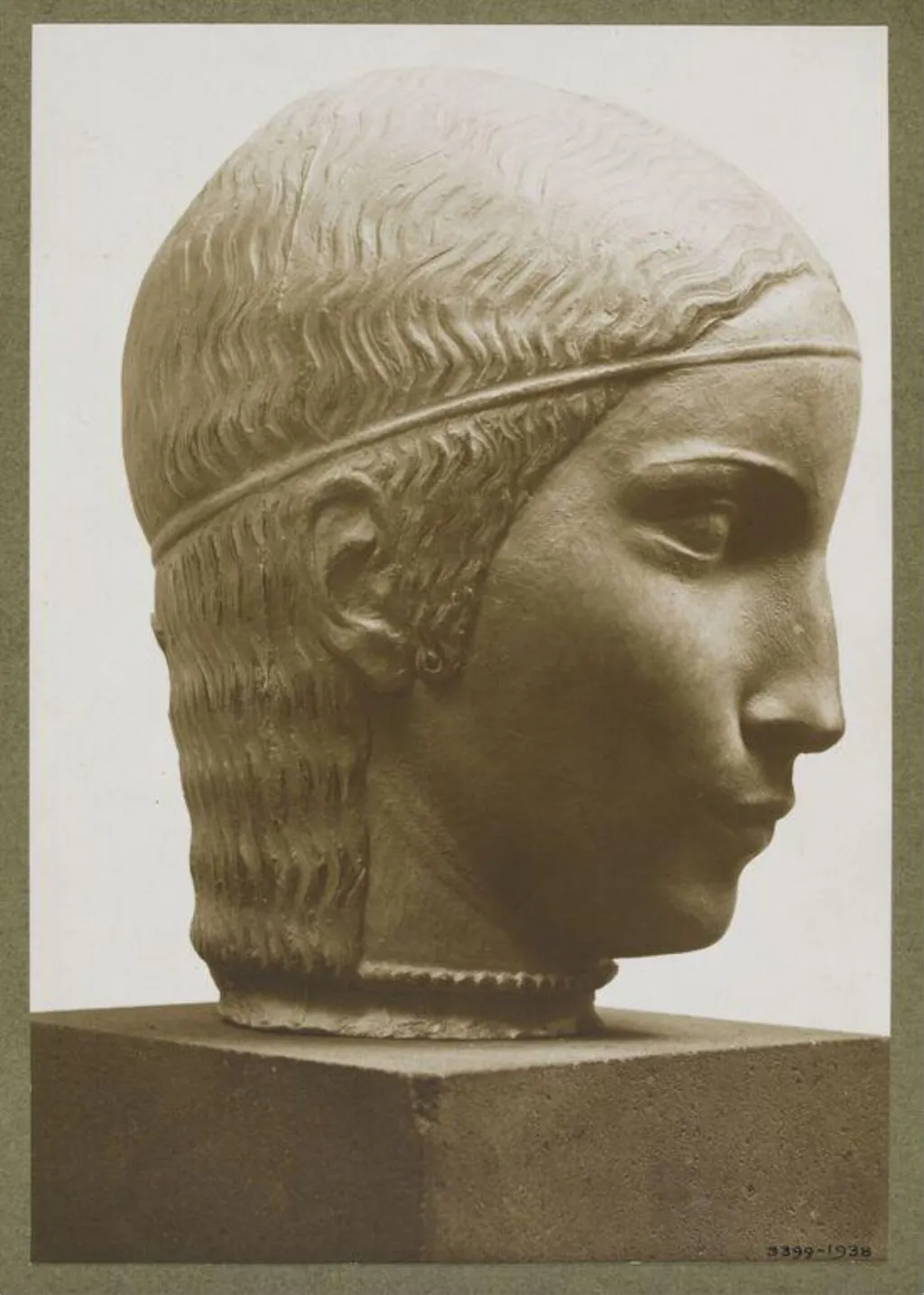
Untitled is a photographic photography by Charles Thomas Wheeler. It is held in the collection of the Victoria and Albert Museum.
About this work
Overview
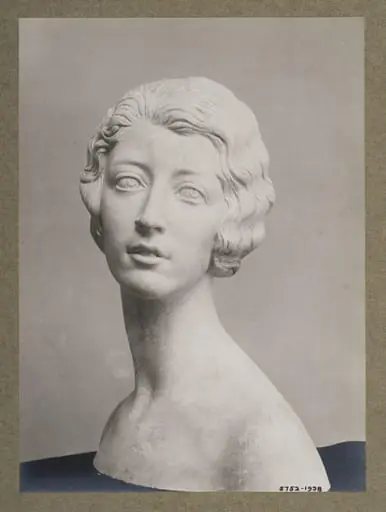
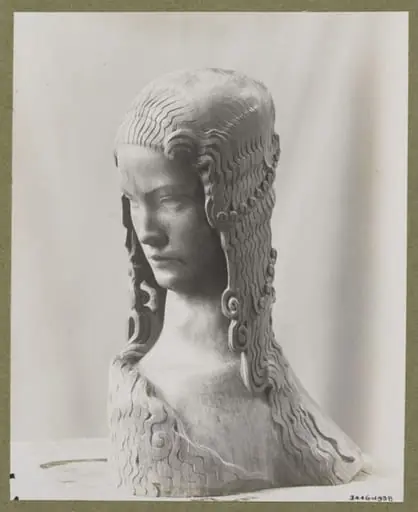
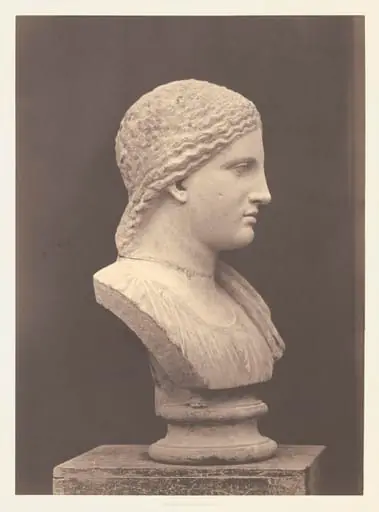
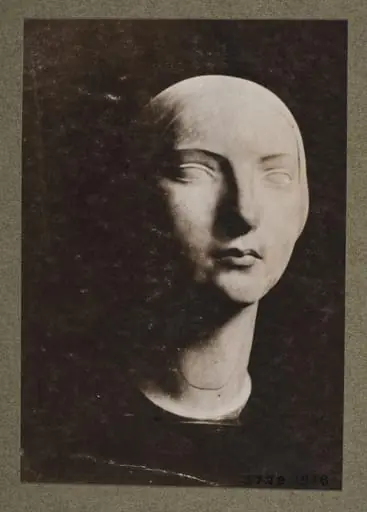
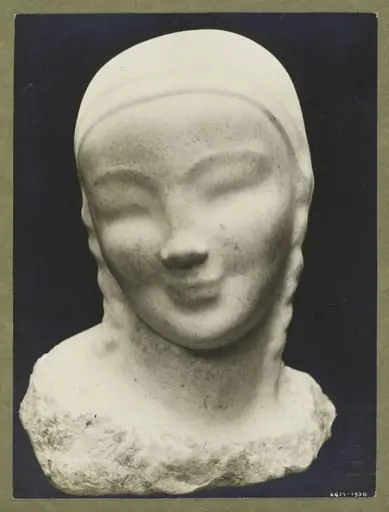
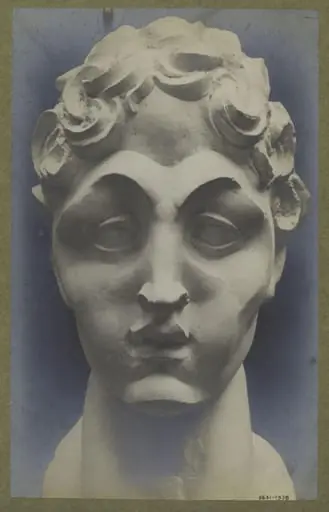
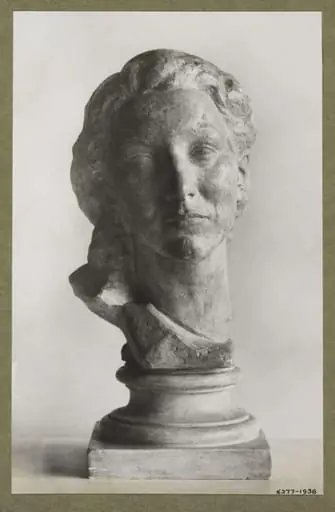
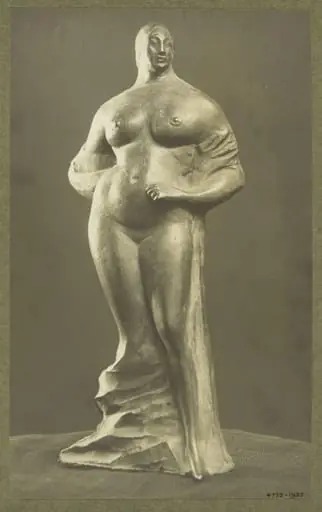
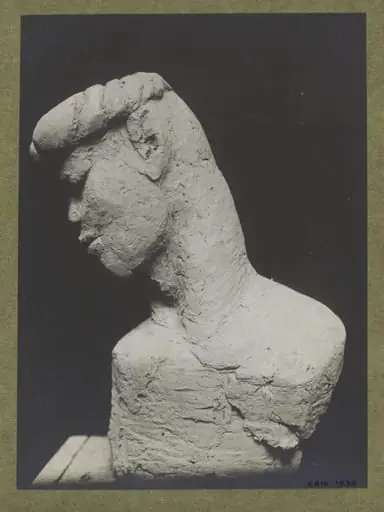
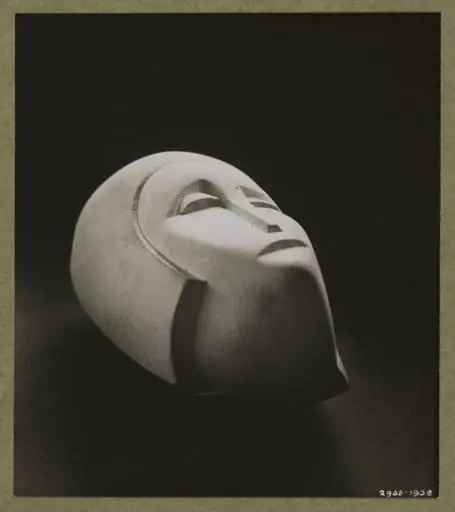
This photograph captures a stone bust mounted on green card, originally submitted in response to a survey distributed by William Kineton Parkes in the 1920s. Parkes, a novelist and art historian, collected such images to document contemporary sculptural practices. The photograph is now preserved in the Archive of Art and Design, part of a broader assemblage bequeathed to the institution in 1938.
Subject & Meaning
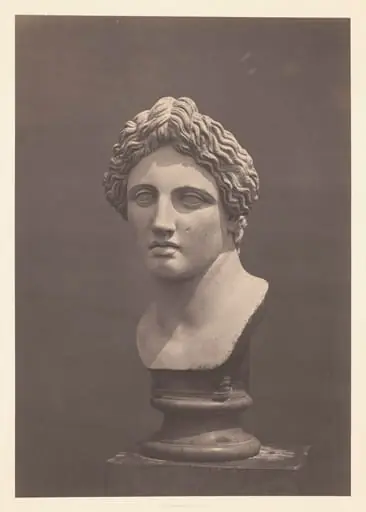
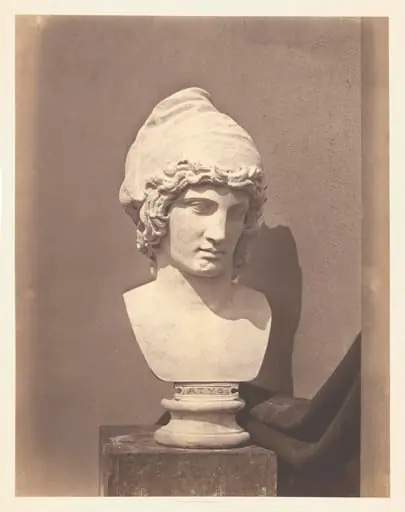
The bust depicts a human head turned gently to one side, rendered with quiet composure. Hair is tightly bound beneath a headband, emphasizing a serene, unadorned facial expression. A simple necklace rests at the base of the neck, adding subtle detail without distraction. The work conveys stillness and restraint, typical of classical ideals adapted in early 20th-century sculpture.
Technique & Style
The restrained detail and polished finish suggest an interest in classical proportion, while the tactile hairwork reveals a modern sensitivity to materiality.
The sculptor contrasts textured hair, carved with short, deliberate strokes, against the smooth, rounded planes of the face and neck. This interplay of surface treatment enhances the play of light and shadow, giving volume and presence to the form. The restrained detail and polished finish suggest an interest in classical proportion, while the tactile hairwork reveals a modern sensitivity to materiality.
History & Provenance
The photograph was one of many responses to Parkes’s 1920s questionnaire sent to sculptors across Britain. His aim was to compile a visual record of contemporary work, preserving documentation beyond written descriptions. After his death in 1938, his collection, including this image, was bequeathed to the Victoria and Albert Museum and integrated into the Archive of Art and Design.
Context
In the interwar period, British sculptors were navigating a revival of classical forms alongside emerging modernist tendencies. Parkes’s survey reflected institutional interest in documenting this transition. This bust, with its balanced classicism and subtle textural detail, represents a quiet but significant strand of sculptural practice that valued craftsmanship and calm expression over overt innovation.
Legacy
The photograph endures as a primary source for understanding the breadth of sculptural output in early 20th-century Britain. It illustrates how artists communicated their work through photographic documentation before digital archives. As part of Parkes’s collected archive, it continues to support scholarly research into the material culture and practices of sculptors of the era.
Artist & collection
Artist
Charles Wheeler carried a camera like others carry a notebook—always ready, never posing.