Artwork
Chelsea Bridge and Church
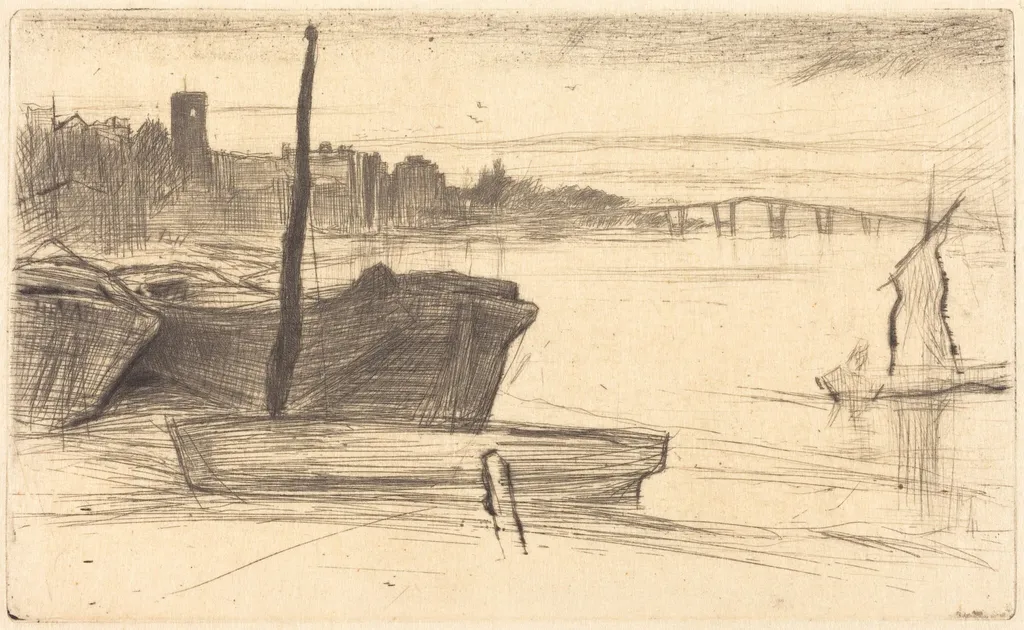
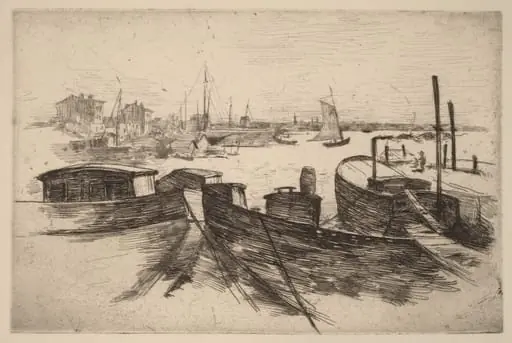
Chelsea Bridge and Church is an ink print by the Impressionist artist James McNeill Whistler. It dates from 1871 and is held in the collection of the National Gallery of Art.
About this work
Overview
Created in 1871, *Chelsea Bridge and Church* is an etching and drypoint on wove paper by James Abbott McNeill Whistler, an American artist based in London.
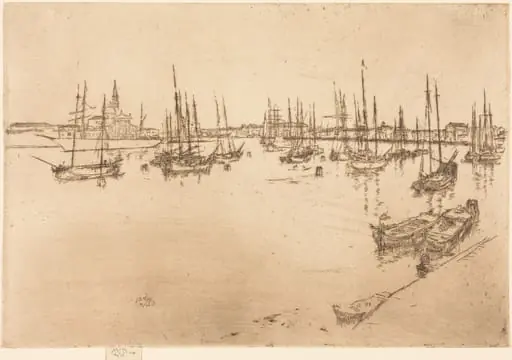
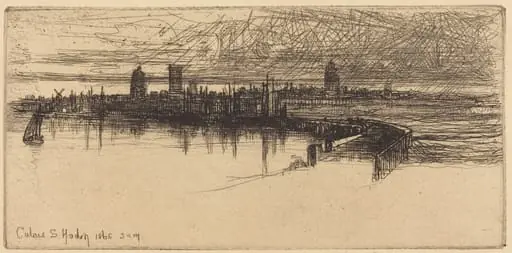
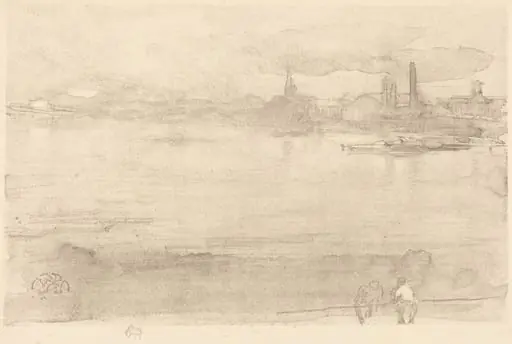
Created in 1871, *Chelsea Bridge and Church* is an etching and drypoint on wove paper by James Abbott McNeill Whistler, an American artist based in London. The work belongs to a series of urban river views Whistler produced during this period, focusing on the Thames as a subject of quiet observation rather than narrative. His approach prioritized tonal harmony and linear precision over detailed representation, aligning with his belief in art’s autonomy from moral or emotional instruction.
Subject & Meaning
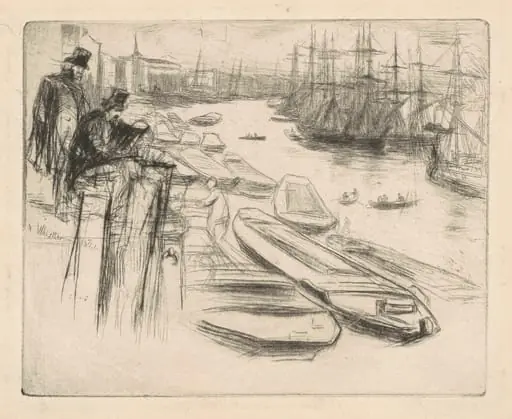
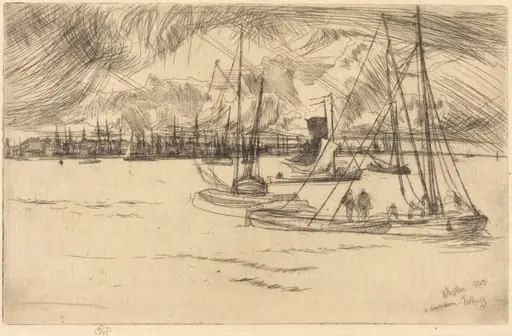
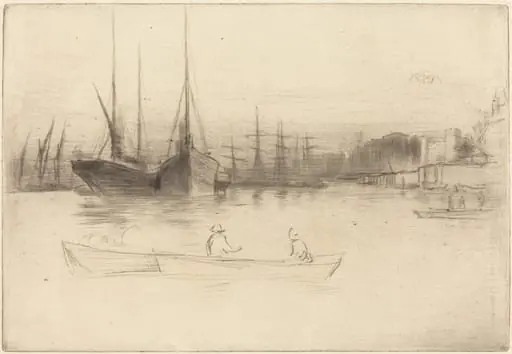
The scene captures Chelsea Bridge and a distant church steeple along the Thames, framed by the stillness of early morning or twilight. A single moored boat in the foreground suggests human presence without intrusion, reinforcing the sense of solitude. Whistler avoided romanticizing the industrial landscape; instead, he treated the bridge and church as formal elements within a composed atmosphere, emphasizing rhythm and balance over symbolic meaning.
Technique & Style
Whistler employed etching and drypoint to achieve fine, varied lines and soft gradations of tone. The drypoint’s burr created rich, velvety blacks, while delicate etched lines suggested distant architecture and water ripples. He minimized detail, allowing negative space and subtle ink washes to define form and depth. This restrained technique reflects his commitment to tonal composition, where atmosphere emerges through minimal means rather than descriptive precision.
History & Provenance
Whistler produced this print during his years in Chelsea, a period marked by intense experimentation in printmaking. It was likely made for his personal portfolio or small-scale circulation among collectors and fellow artists. The work remained within private collections in Europe and the United States before entering institutional holdings, where it is now recognized as part of his significant contribution to late 19th-century printmaking.
Context
In the 1870s, London’s expanding infrastructure provided Whistler with new subjects—bridges, factories, and riverfronts—that contrasted with traditional pastoral imagery. While contemporaries like the Impressionists captured fleeting light, Whistler pursued structural harmony and muted palettes. His prints responded to the aesthetic debates of the time, positioning art as an arrangement of form and tone independent of literary or moral content.
Legacy
Whistler’s *Chelsea Bridge and Church* exemplifies his influence on modern printmaking, demonstrating how restraint and tonal nuance could convey emotional resonance without narrative. His approach inspired later artists to treat etching not as a reproductive medium but as a primary artistic language. The work remains a touchstone in discussions of aestheticism and the evolution of urban landscape representation in print.
Artist & collection
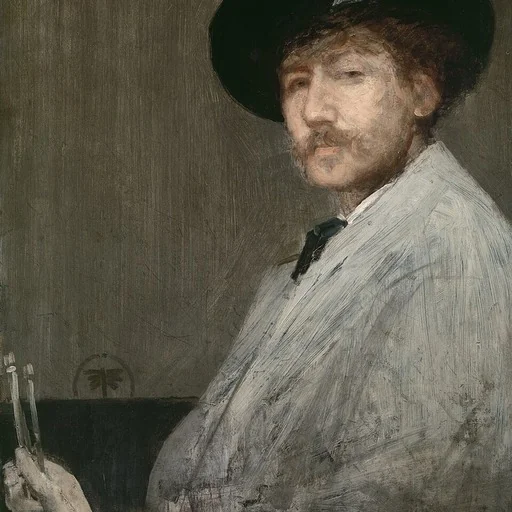
Artist
James Abbott McNeill Whistler was an American painter in oils and watercolor, and printmaker, active during the American Gilded Age and based primarily in the United Kingdom.

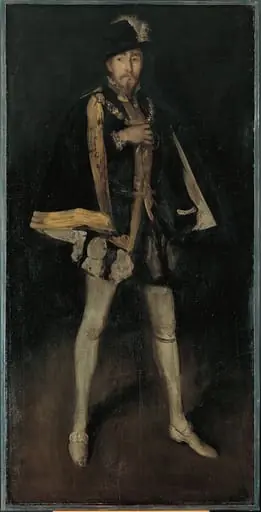 Arrangement in Black, No. 3: Sir Henry Irving as Philip II of Spain
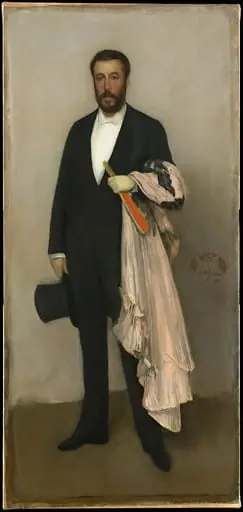 Arrangement in Flesh Colour and Black: Portrait of Theodore Duret
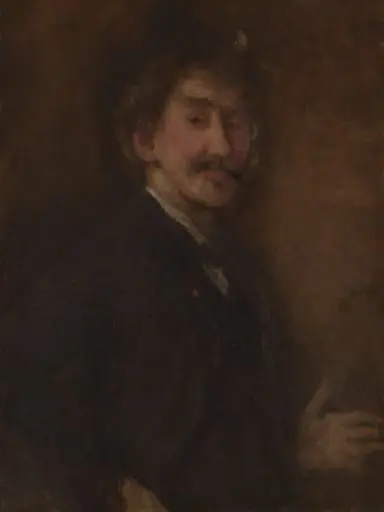 Gold and Brown: Self-Portrait
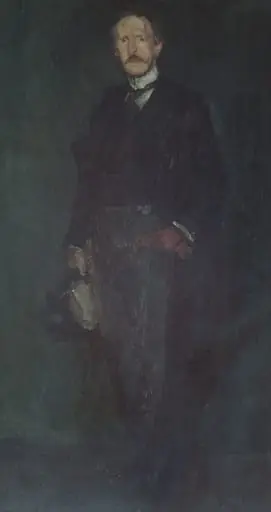 Edward Guthrie Kennedy
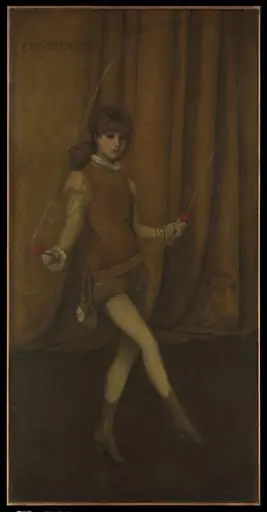 Harmony in Yellow and Gold: The Gold Girl—Connie Gilchrist
 George W. Vanderbilt
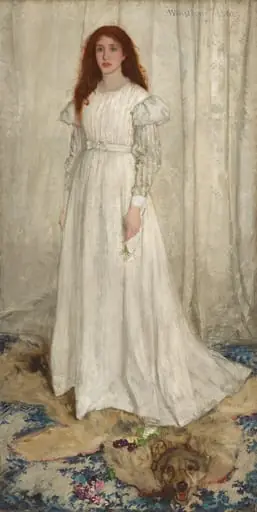 Symphony in White, No. 1: The White Girl
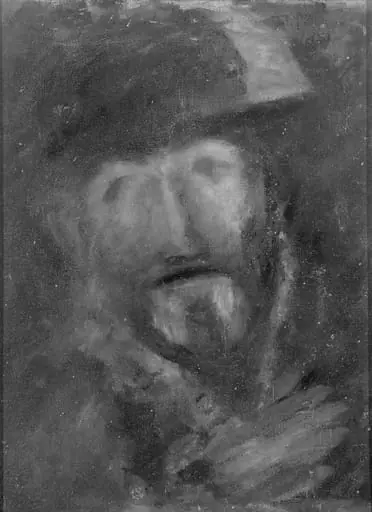 Henry Irving as Philip II of Spain