Artwork
Clothes Exchange, No.I
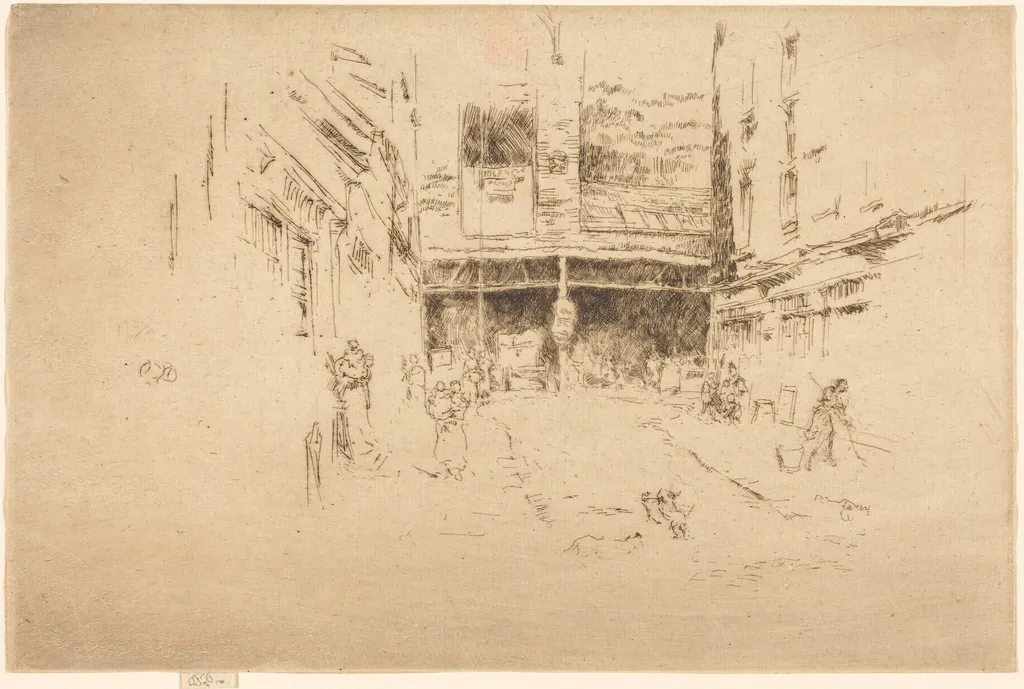
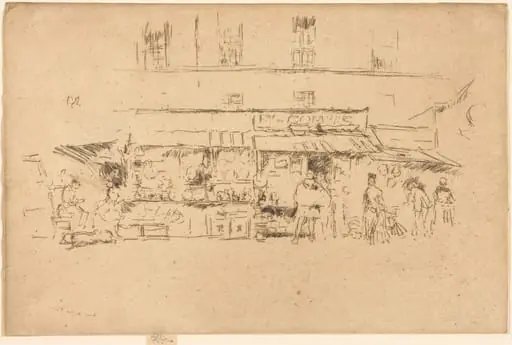
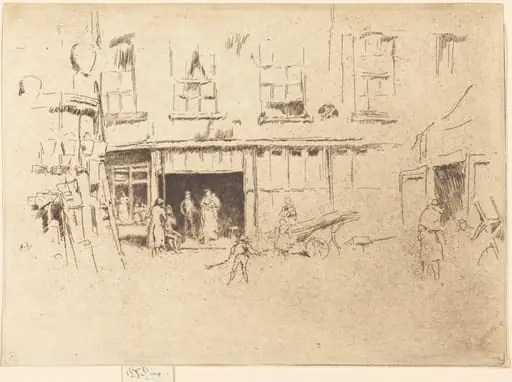
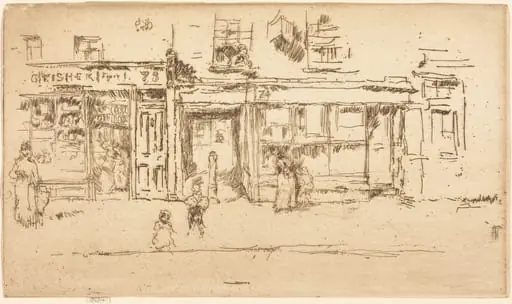
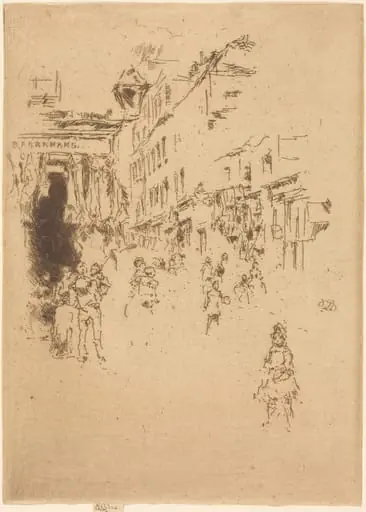
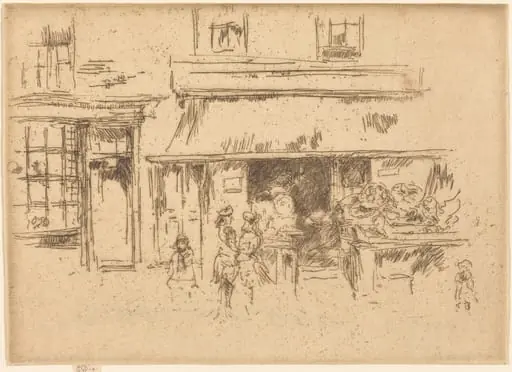
Clothes Exchange, No.I is an ink print by the Impressionist artist James McNeill Whistler. It dates from 1887 and is held in the collection of the National Gallery of Art. Created in 1887, *Clothes Exchange, No.
About this work
Overview
I* is an etching and drypoint on laid paper by James McNeill Whistler.
Created in 1887, *Clothes Exchange, No.I* is an etching and drypoint on laid paper by James McNeill Whistler. Though American by birth, Whistler worked primarily in Britain during the Gilded Age, dedicating significant attention to printmaking alongside his paintings and watercolors. This piece exemplifies his commitment to quiet, intimate scenes and his technical mastery of print media, avoiding overt storytelling in favor of subtle visual harmony.
Subject & Meaning
The image depicts a woman gently hanging a man’s coat in a modest interior, her posture still and composed. A small window allows a faint wash of light into the room, enhancing the sense of solitude. There is no narrative climax or moral implication; the scene’s significance lies in its stillness and the ordinary act it captures. Whistler treats the moment as an aesthetic arrangement rather than a story, consistent with his belief in art’s autonomy from external meaning.
Technique & Style
Whistler combined etching for precise outlines with drypoint to create deep, velvety shadows. The drypoint’s burr holds ink densely, producing rich tonal contrasts that soften edges and lend texture to fabric and walls. The delicate interplay of line and tone avoids heavy modeling, instead suggesting form through restraint. His method favors subtlety over drama, resulting in a quiet, atmospheric space that feels both intimate and carefully composed.
History & Provenance
The print was made during Whistler’s mature period in London, when he was deeply engaged in printmaking experiments. It belongs to a small series exploring domestic interiors and private moments. While its early ownership is not fully documented, it entered major institutional collections in the 20th century, including the National Gallery of Art in Washington, where it remains part of a broader survey of his graphic work.
Context
Produced during the American Gilded Age, the work reflects Whistler’s detachment from nationalist or moralistic artistic trends. In Britain, he aligned with aesthetic circles that prioritized form and tone over narrative. His prints, like this one, stood in contrast to the illustrative styles popular in periodicals, offering instead contemplative compositions that valued visual rhythm and tonal nuance over explicit content.
Legacy
Whistler’s prints, including *Clothes Exchange, No.I*, influenced later generations of printmakers by demonstrating how minimal means could evoke psychological depth. His emphasis on technique as expression, rather than illustration, helped redefine etching as a medium for personal, non-narrative art. The quiet intensity of his interiors continues to be studied for their restraint and formal discipline.
Own this work as a print
Artist & collection
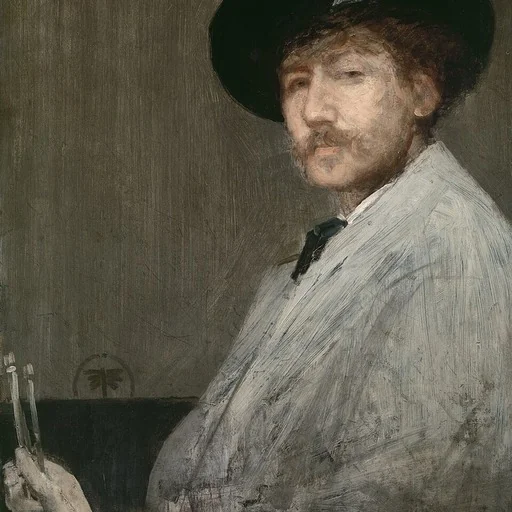
Artist
James Abbott McNeill Whistler was an American painter in oils and watercolor, and printmaker, active during the American Gilded Age and based primarily in the United Kingdom.

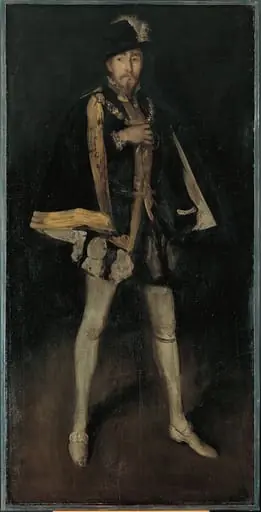 Arrangement in Black, No. 3: Sir Henry Irving as Philip II of Spain
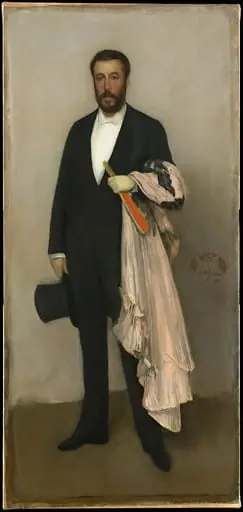 Arrangement in Flesh Colour and Black: Portrait of Theodore Duret
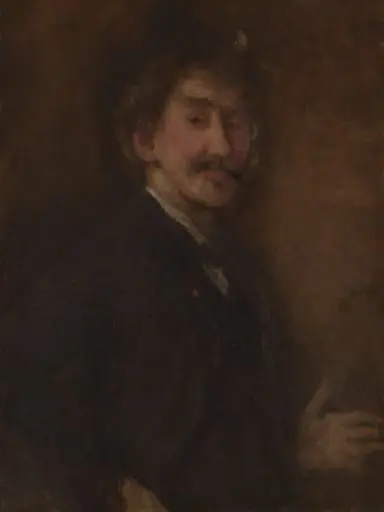 Gold and Brown: Self-Portrait
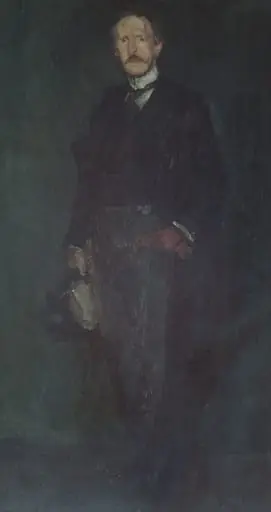 Edward Guthrie Kennedy
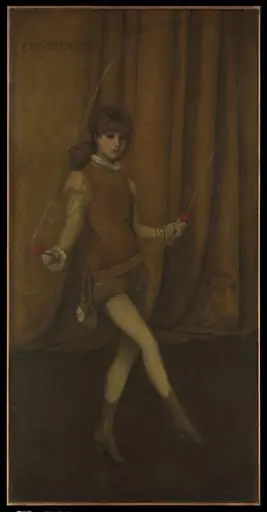 Harmony in Yellow and Gold: The Gold Girl—Connie Gilchrist
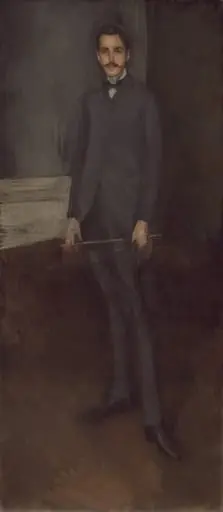 George W. Vanderbilt
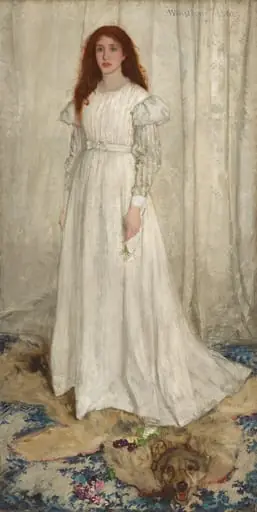 Symphony in White, No. 1: The White Girl
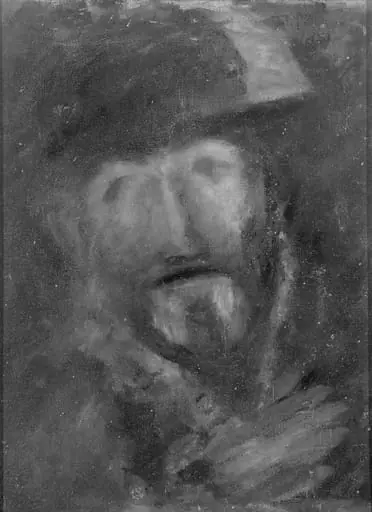 Henry Irving as Philip II of Spain