Artwork
Temple
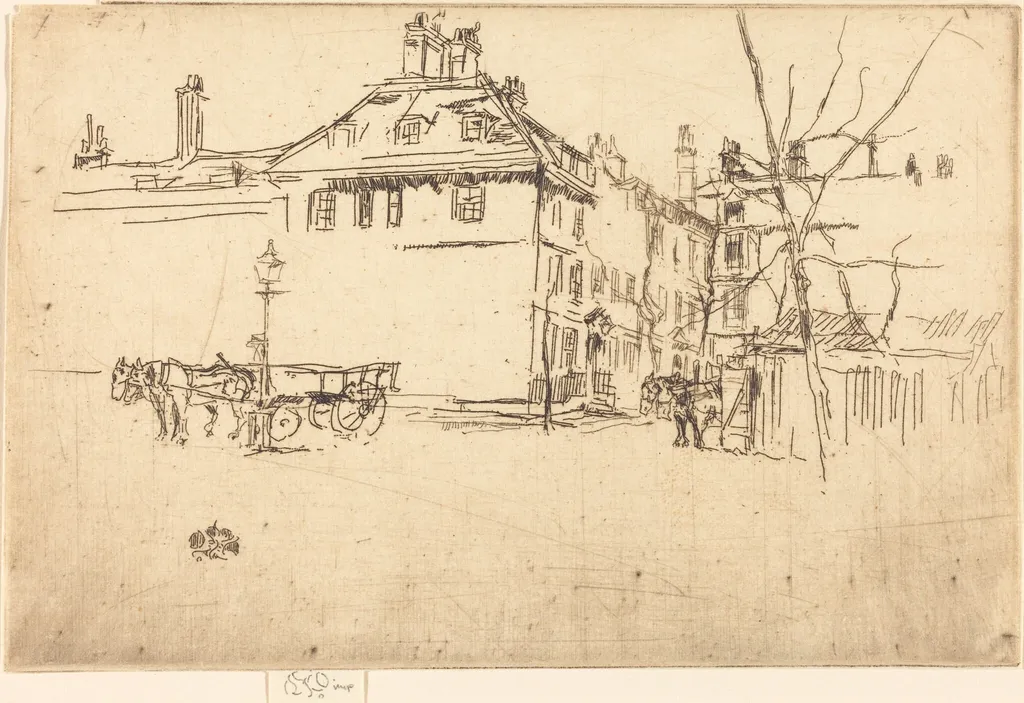
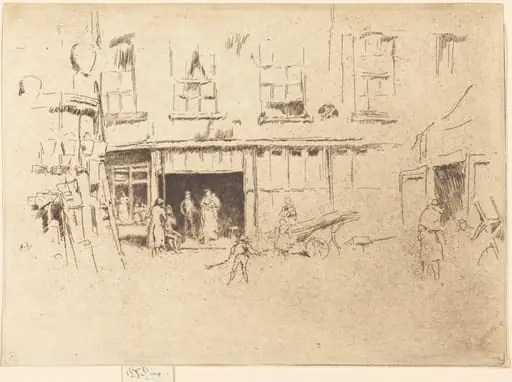
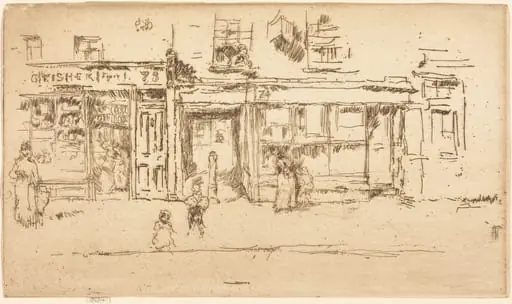
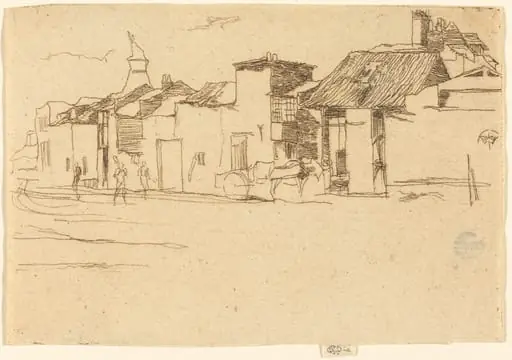
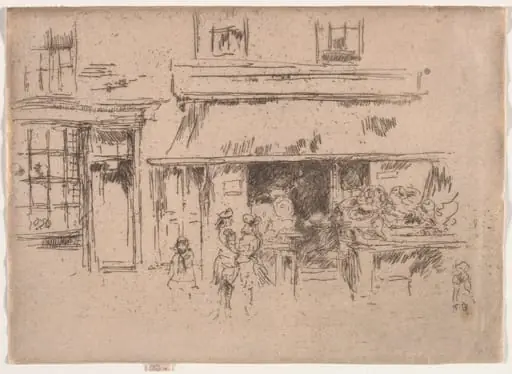
Temple is an ink print by the Impressionist artist James McNeill Whistler. It dates from 1880 and is held in the collection of the National Gallery of Art.
About this work
Overview
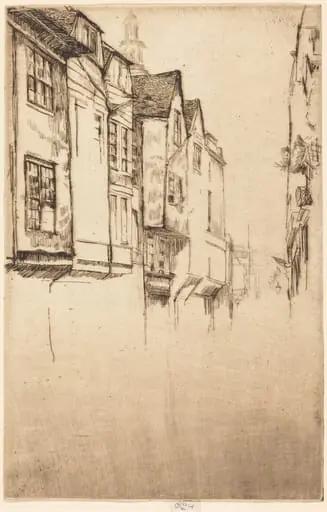
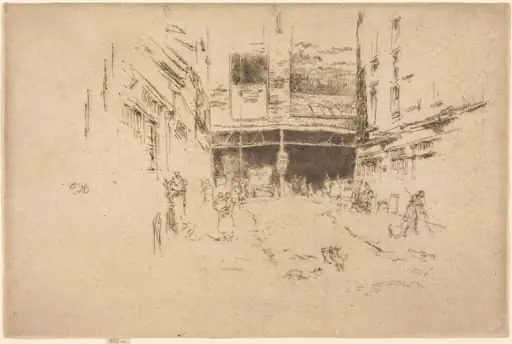
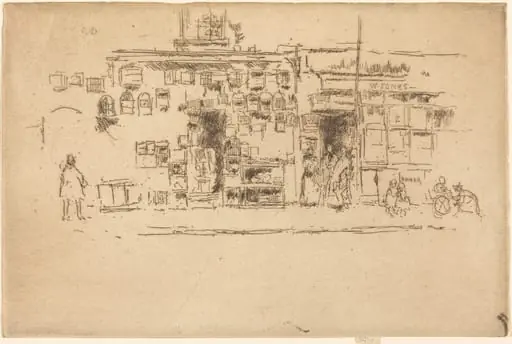
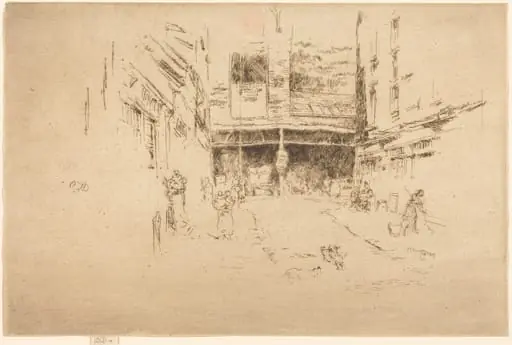
Created circa 1880, this etching on laid paper depicts a modest urban scene centered on a distinctive building with a sharply angled roof and chimney. A horse‑drawn carriage occupies the foreground, while additional structures and a streetlamp recede into the background. Rendered in a spectrum of deep blacks to pale grays, the composition conveys a tranquil moment of ordinary city life.
Subject & Meaning
The work presents a quiet slice of everyday activity, emphasizing the ordinary rather than heroic or moral narratives. By focusing on a simple streetscape and a solitary carriage, the image invites contemplation of the calm rhythm of urban existence, aligning with the artist’s belief that art should exist for its own aesthetic value rather than convey overt messages.
Technique & Style
Executed with fine etched lines, the artist manipulates tonal variation to model forms and suggest depth, employing the characteristic delicacy of his printmaking. The use of laid paper contributes a subtle texture that enhances the gradations between shadow and light, while the composition balances linear precision with atmospheric shading, hallmark traits of his approach to visual harmony.
History & Provenance
The piece belongs to the later period of the creator’s printmaking practice, a time when he, an American expatriate active in Britain, turned increasingly toward the principles of “art for art’s sake.” Though primarily known for oil and watercolor paintings, this etching illustrates his broader engagement with the medium during the late nineteenth‑century Gilded Age.
Artist & collection
Artist
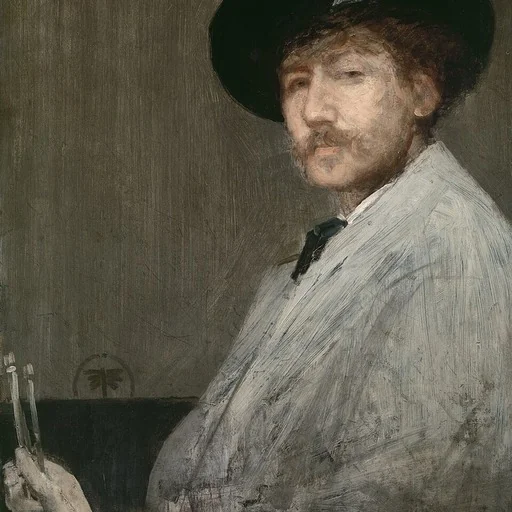
James Abbott McNeill Whistler was an American painter in oils and watercolor, and printmaker, active during the American Gilded Age and based primarily in the United Kingdom.

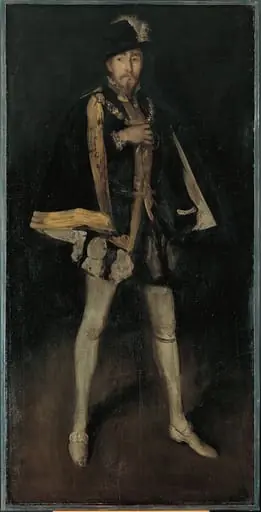 Arrangement in Black, No. 3: Sir Henry Irving as Philip II of Spain
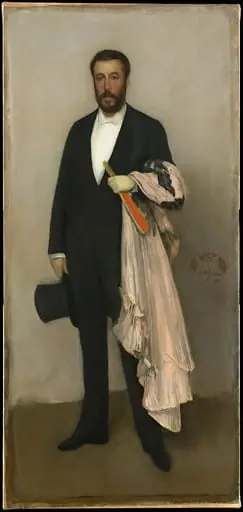 Arrangement in Flesh Colour and Black: Portrait of Theodore Duret
 Gold and Brown: Self-Portrait
 Edward Guthrie Kennedy
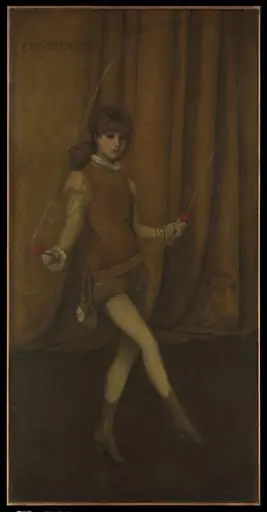 Harmony in Yellow and Gold: The Gold Girl—Connie Gilchrist
 George W. Vanderbilt
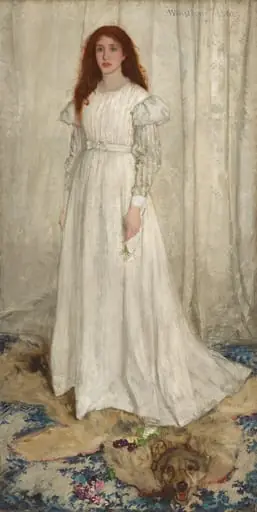 Symphony in White, No. 1: The White Girl
 Henry Irving as Philip II of Spain