Artwork
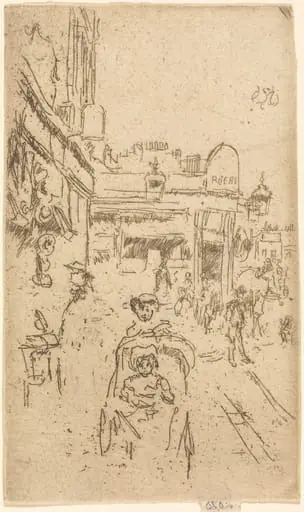
Drury Lane
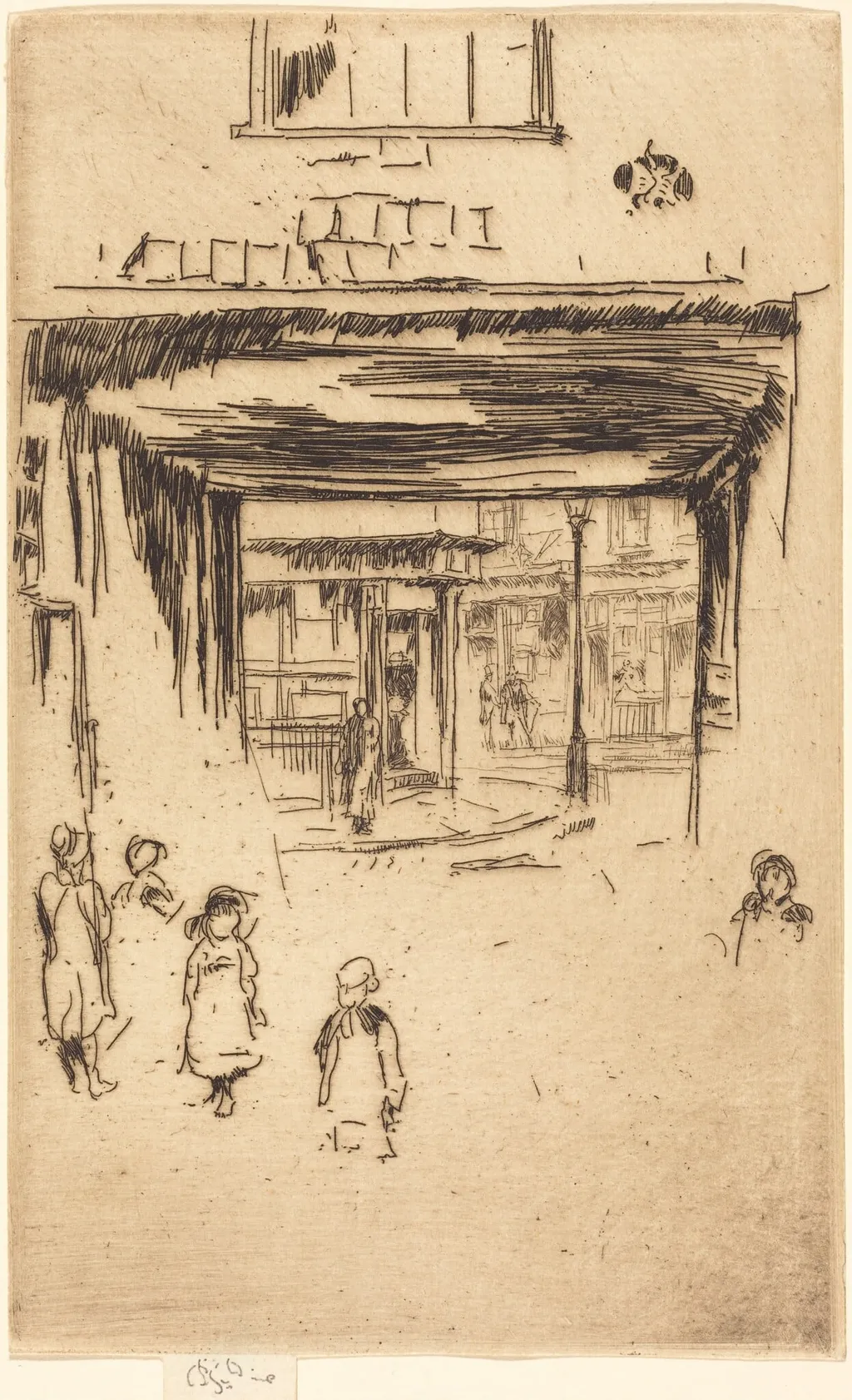
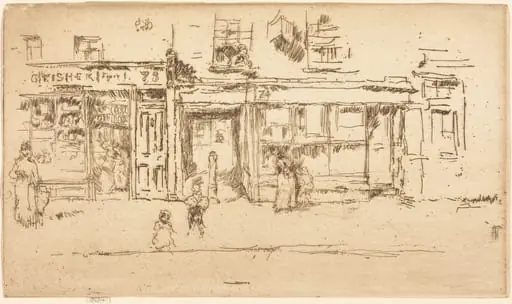
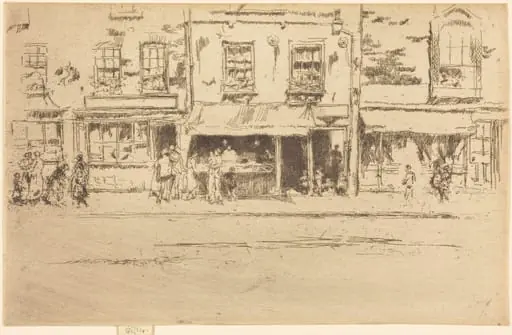
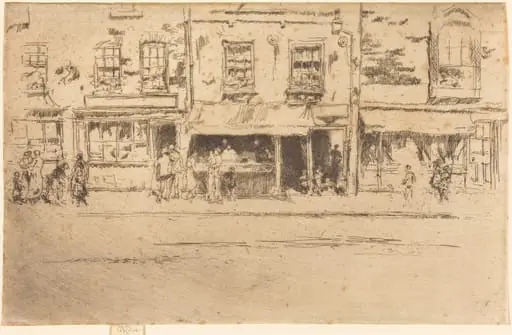
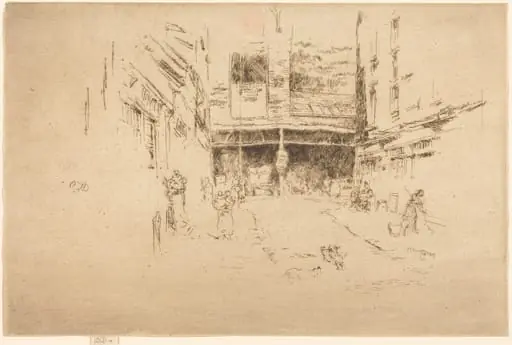
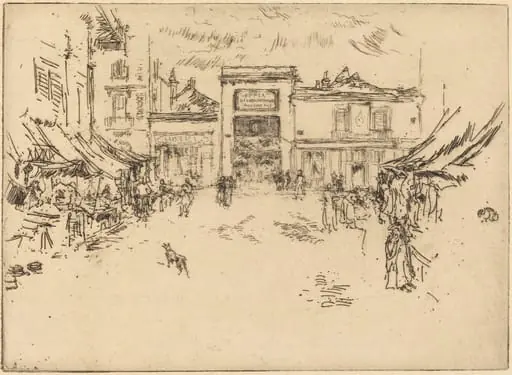
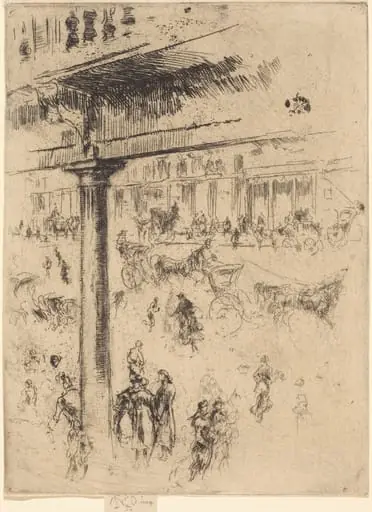
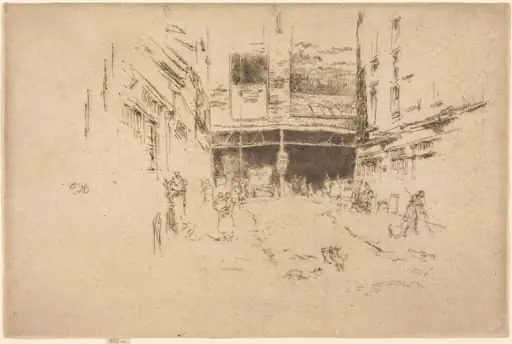
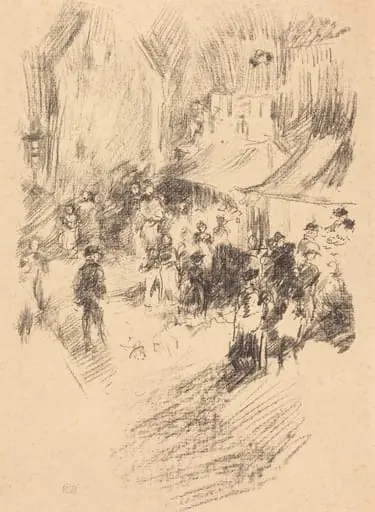
Drury Lane is an ink print by the Impressionist artist James McNeill Whistler. It dates from 1880 and is held in the collection of the National Gallery of Art.
About this work
Overview
Drury Lane is an etching created by James McNeill Whistler around 1880, characterized by its dark brown ink on laid paper. This print exemplifies Whistler's focus on technical refinement and composition, aligning with his aesthetic principles that prioritized autonomy over sentimentality.
Subject & Meaning
The etching captures a nocturnal London street scene near Drury Lane, featuring gas lamps on brick walls, a shadowy figure, and a pub's illuminated window. The composition conveys a sense of urban nightlife through subtle, suggestive elements.
Technique & Style
Technically, Drury Lane showcases Whistler's use of drypoint, where a needle scratched lines into the plate to achieve soft, fuzzy edges. The damp paper's absorption of ink enhances the scene with a smoky, glowing effect, contributing to the overall atmospheric quality.
History & Provenance
Created circa 1880 while Whistler was based in the UK, Drury Lane reflects his period engagement with urban themes and graphic innovation. Specific provenance details are not provided.
Context
Within Whistler's broader oeuvre, Drury Lane sits among his explorations of city life, distinguishing itself through its nocturnal, intimate portrayal. It aligns with late 19th-century artistic interests in capturing modern urban experience.
Legacy
As part of Whistler's print oeuvre, Drury Lane contributes to the artist's reputation for technical mastery and aesthetic innovation in late 19th-century art, particularly in the realm of etching and drypoint techniques.
Artist & collection
Artist
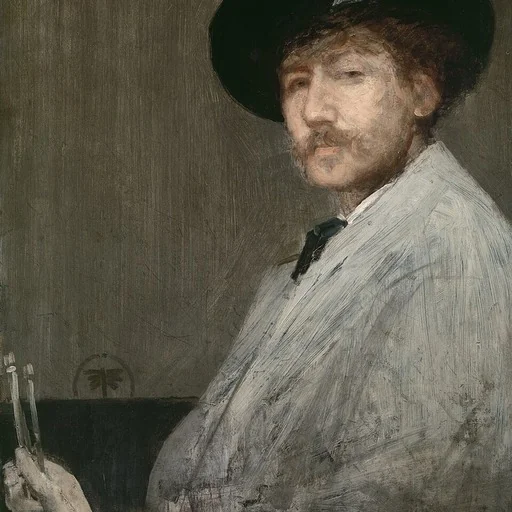
James Abbott McNeill Whistler was an American painter in oils and watercolor, and printmaker, active during the American Gilded Age and based primarily in the United Kingdom.

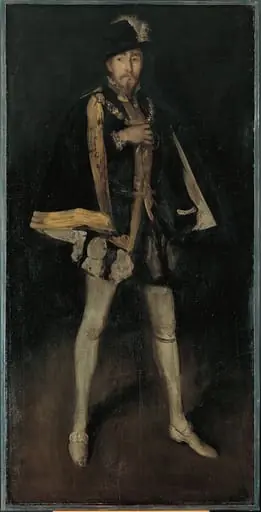 Arrangement in Black, No. 3: Sir Henry Irving as Philip II of Spain
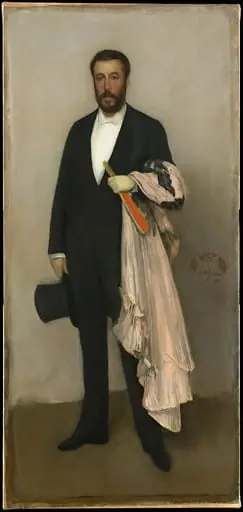 Arrangement in Flesh Colour and Black: Portrait of Theodore Duret
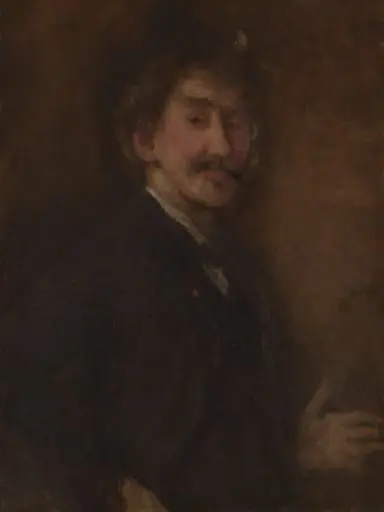 Gold and Brown: Self-Portrait
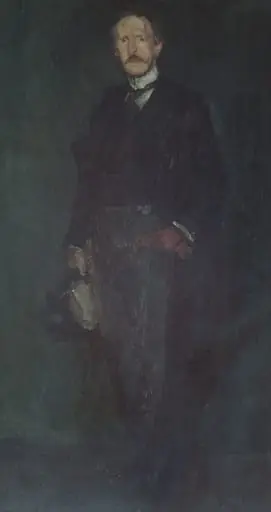 Edward Guthrie Kennedy
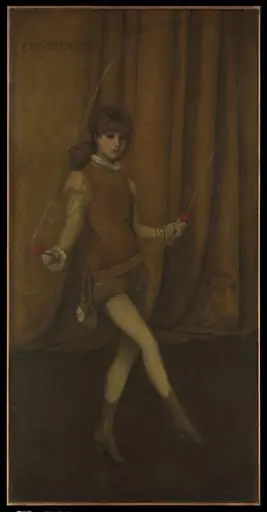 Harmony in Yellow and Gold: The Gold Girl—Connie Gilchrist
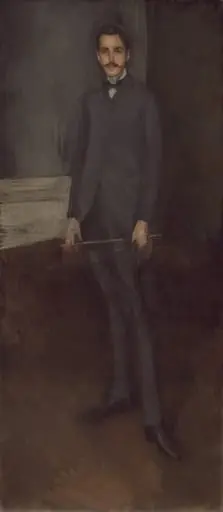 George W. Vanderbilt
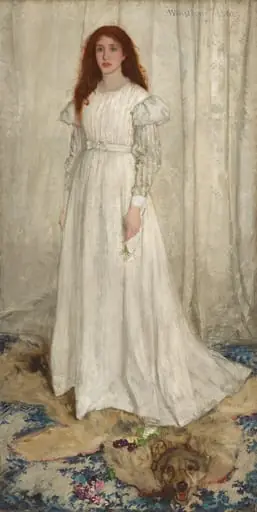 Symphony in White, No. 1: The White Girl
 Henry Irving as Philip II of Spain