Artwork
Gatti's
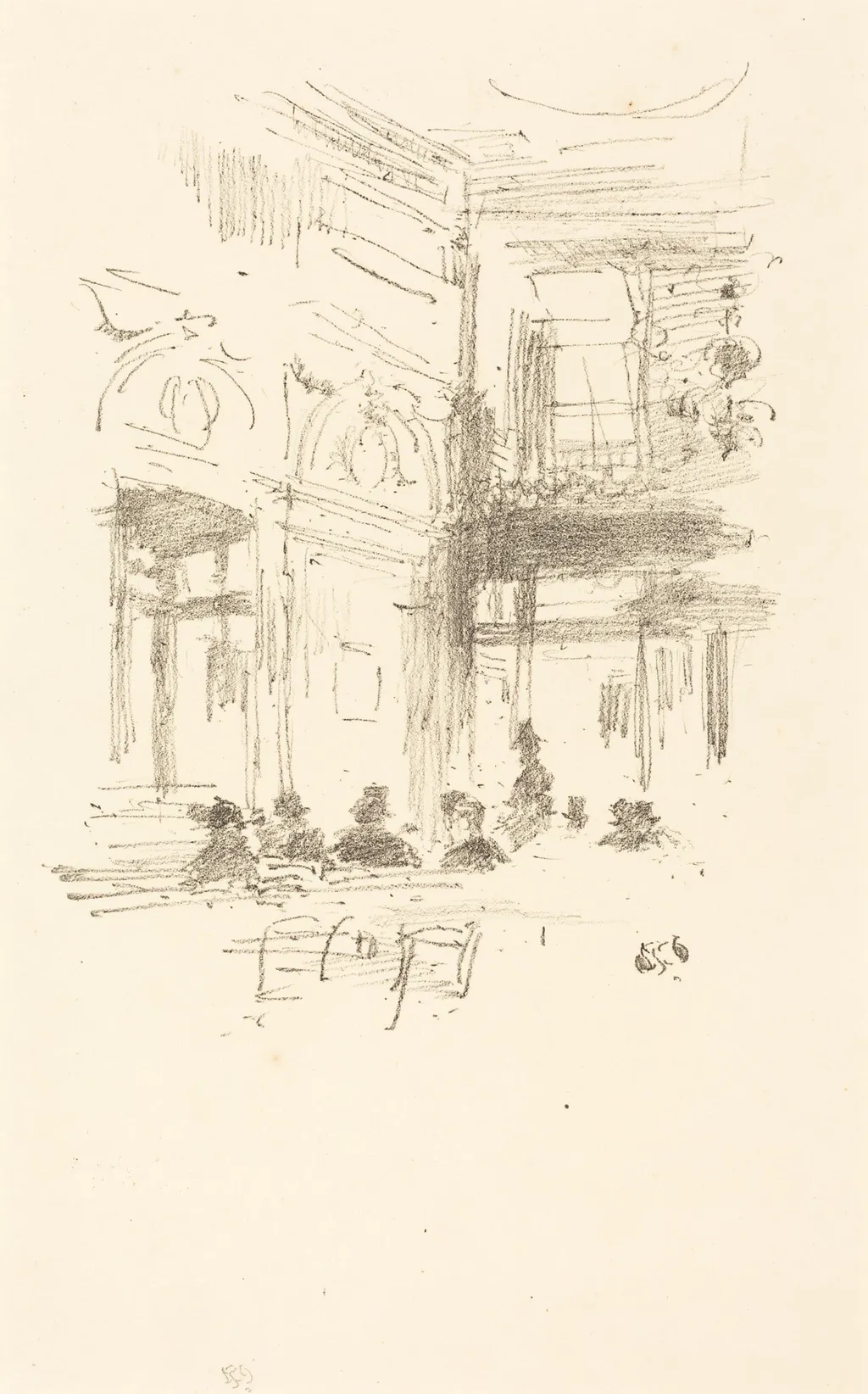
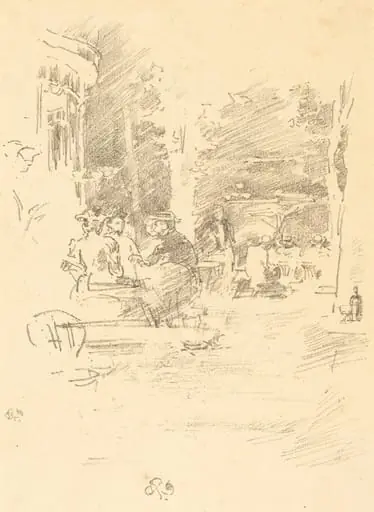
Gatti's is an ink print by the Impressionist artist James McNeill Whistler. It dates from 1890 and is held in the collection of the National Gallery of Art.
About this work
Overview
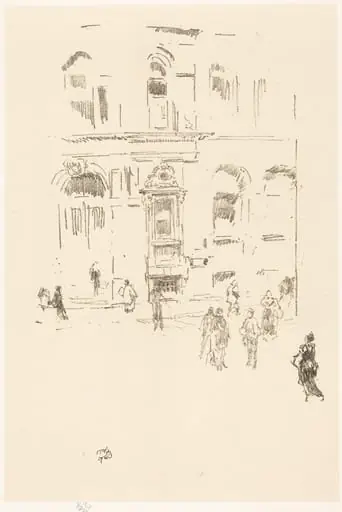
Created in 1890, *Gatti’s* is a black lithograph on wove paper by James McNeill Whistler. The work presents a loosely rendered urban scene, featuring a building with a balcony, a few trees, and a small bench at the lower edge. Its swift, sketch‑like lines give the impression of a preliminary study rather than a finished composition.
Subject & Meaning
The image captures a modest street corner or café façade, rendered with minimal detail. The absence of narrative elements and the emphasis on compositional balance reflect Whistler’s interest in visual harmony over storytelling, aligning with his belief that art should exist for its own aesthetic value.
Technique & Style
Whistler employed lithography, a process that allows the artist to draw directly onto a stone or metal plate with greasy media before transferring the image to paper. Executed in a single black tone, the print showcases his characteristic loose, gestural line work and the subtle modulation of texture that typifies his printmaking practice.
Context
During the late nineteenth century Whistler, an American expatriate based in Britain, produced a series of prints that explored urban and architectural subjects. *Gatti’s* fits within this period of experimentation, where he prioritized formal composition and tonal subtlety over overt narrative, reflecting broader aesthetic debates of the era.
Artist & collection
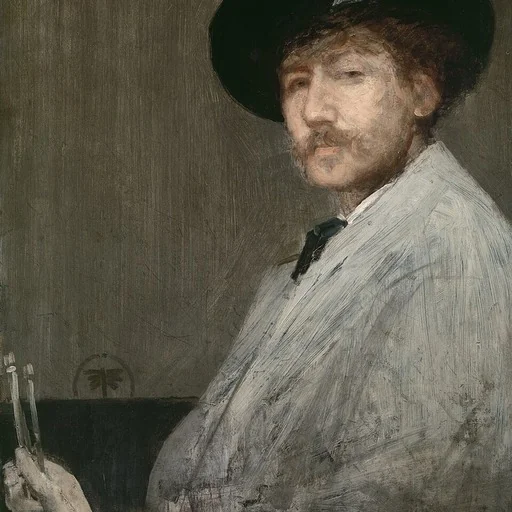
Artist
James Abbott McNeill Whistler was an American painter in oils and watercolor, and printmaker, active during the American Gilded Age and based primarily in the United Kingdom.

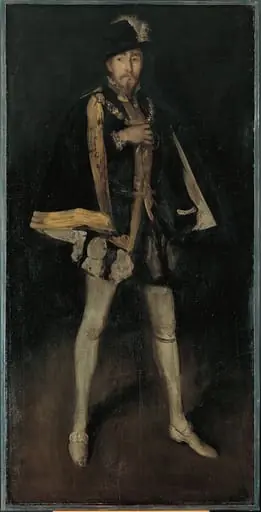 Arrangement in Black, No. 3: Sir Henry Irving as Philip II of Spain
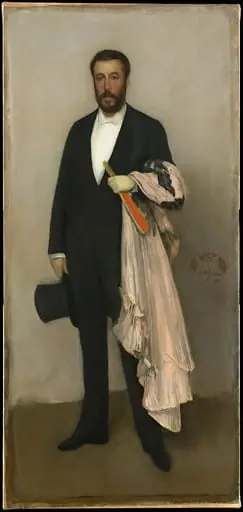 Arrangement in Flesh Colour and Black: Portrait of Theodore Duret
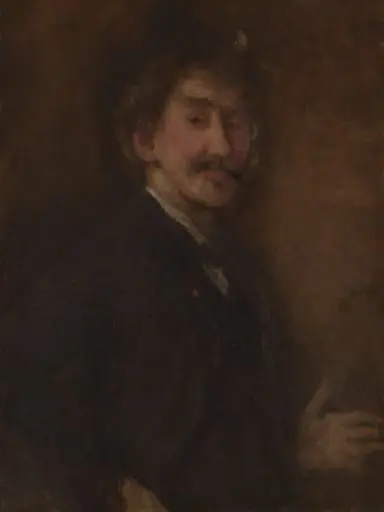 Gold and Brown: Self-Portrait
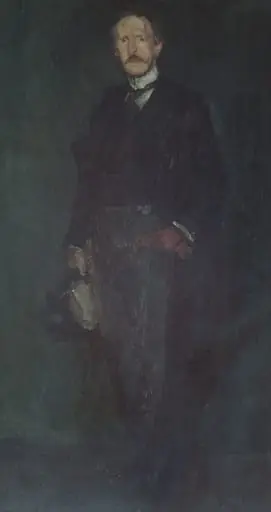 Edward Guthrie Kennedy
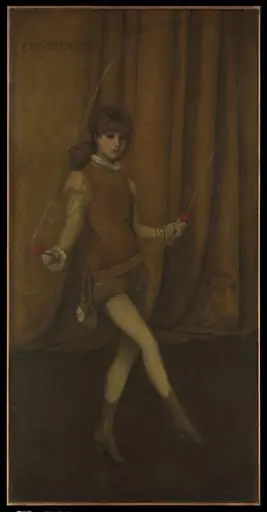 Harmony in Yellow and Gold: The Gold Girl—Connie Gilchrist
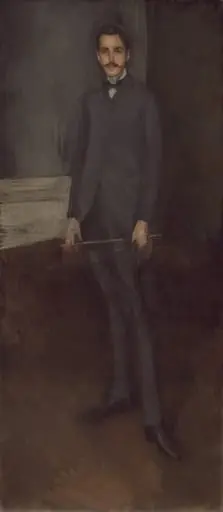 George W. Vanderbilt
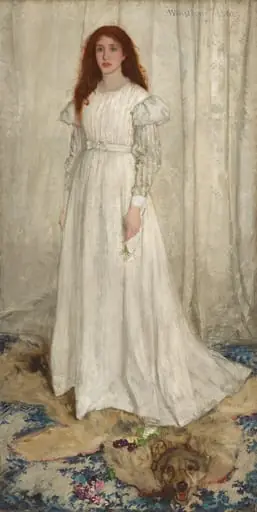 Symphony in White, No. 1: The White Girl
 Henry Irving as Philip II of Spain