Artwork
La Belle Jardinière
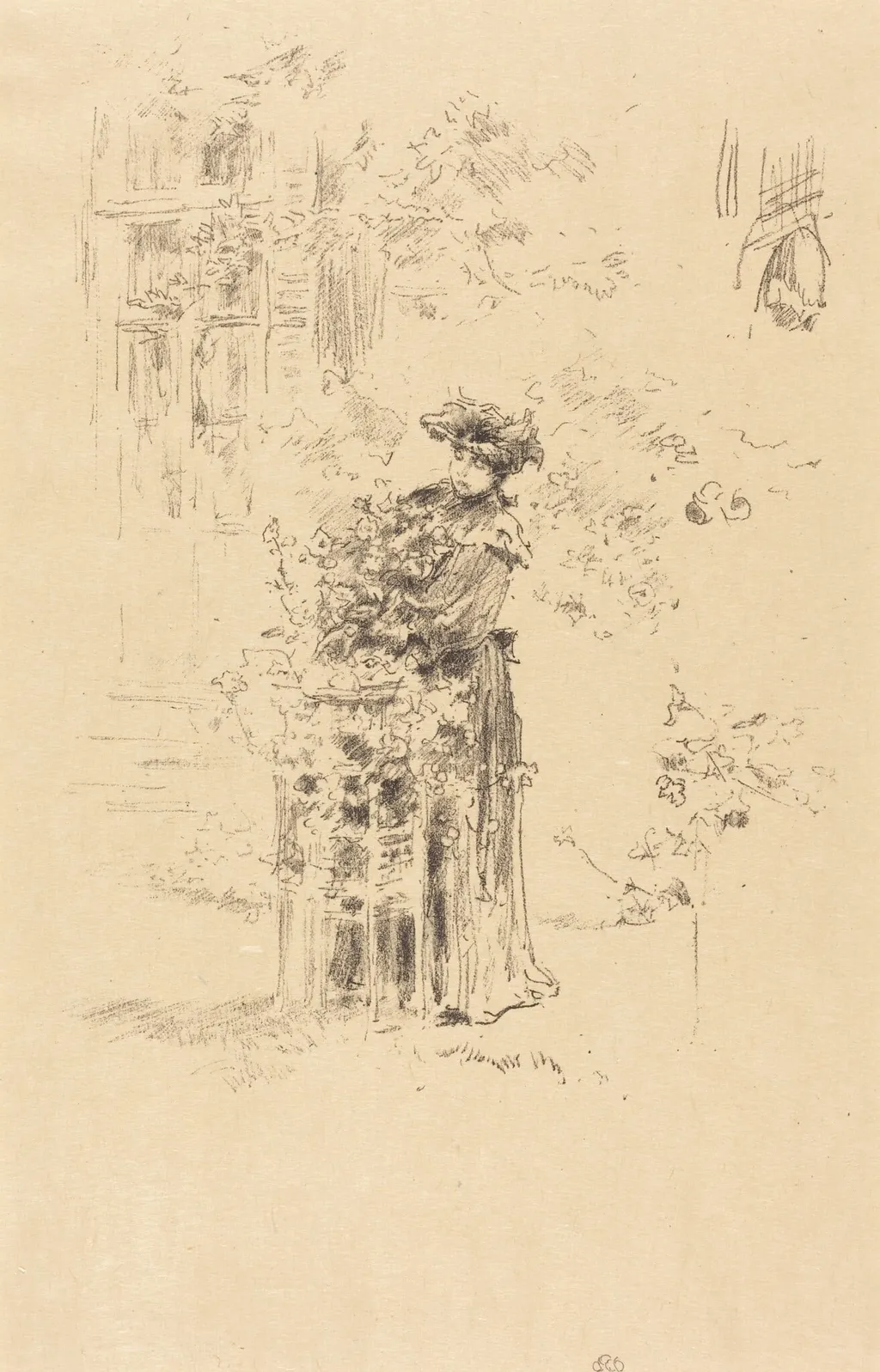
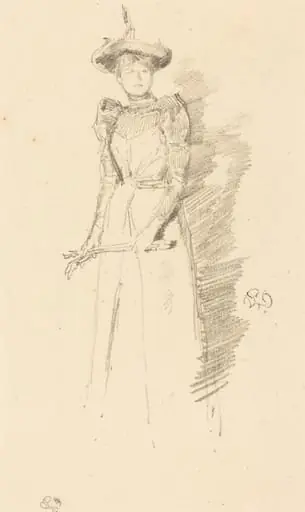
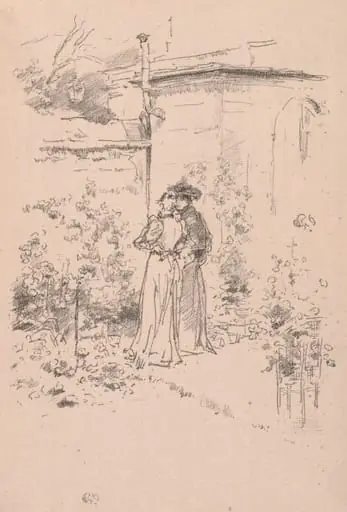
La Belle Jardinière is an ink print by the Impressionist artist James McNeill Whistler. It dates from 1894 and is held in the collection of the National Gallery of Art.
About this work
Overview
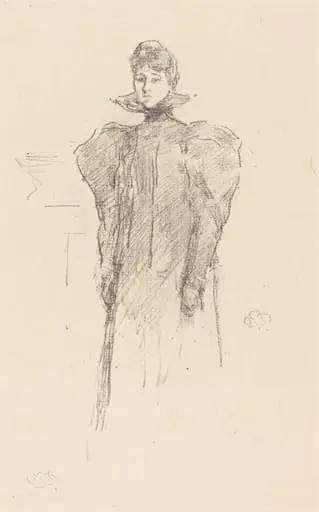
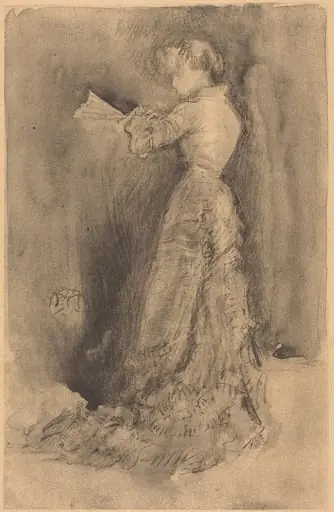
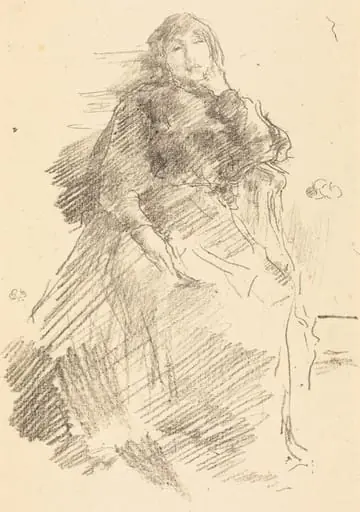
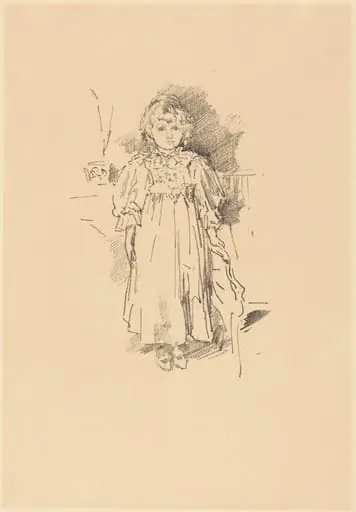
Created in 1894, *La Belle Jardinière* is a black lithograph on laid paper by James Abbott McNeill Whistler. Executed during the artist’s mature period, the work exemplifies his commitment to visual harmony and the doctrine that art need not serve a narrative purpose. The image presents a solitary woman amid a cultivated garden, rendered with restrained elegance.
Subject & Meaning
The composition depicts a woman in a dark, flowing dress and a wide-brimmed hat, standing among abundant foliage and blossoms. She gazes downward at the flowers, her face partially concealed, suggesting a quiet contemplation of nature. The title, referencing the traditional “beautiful gardener,” reinforces the connection between feminine poise and cultivated beauty without explicit storytelling.
Technique & Style
Though the scene is rendered with realistic detail, the overall effect is more about mood and atmosphere than the fleeting light typical of Impressionism.
Whistler employed the lithographic process to achieve fine, delicate lines, using the texture of laid paper to lend subtle tonal variation. The monochrome palette emphasizes form and contrast rather than color, aligning with his aesthetic preference for tonal harmony. Though the scene is rendered with realistic detail, the overall effect is more about mood and atmosphere than the fleeting light typical of Impressionism.
History & Provenance
The print emerged from Whistler’s London studio, where he produced a series of lithographs that explored his signature “butterfly” monogram—an emblem that combined his artistic subtlety with a bold public identity. *La Belle Jardinière* circulated among collectors of the period, reflecting the artist’s growing reputation for refined graphic work.
Context
Created during the late nineteenth‑century debate over “art for art’s sake,” the work illustrates Whistler’s rejection of narrative illustration in favor of pure visual composition. While contemporaneous movements such as Impressionism emphasized transient light, Whistler’s approach prioritized tonal balance and the intrinsic beauty of line, positioning the print within the broader aesthetic discourse of his time.
Artist & collection
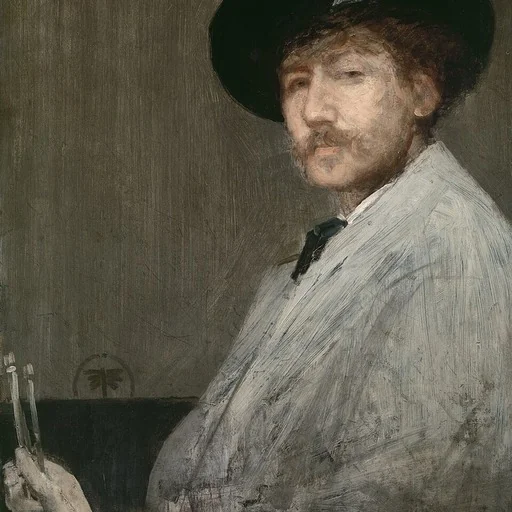
Artist
James Abbott McNeill Whistler was an American painter in oils and watercolor, and printmaker, active during the American Gilded Age and based primarily in the United Kingdom.

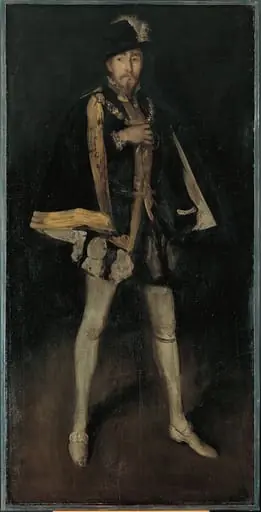 Arrangement in Black, No. 3: Sir Henry Irving as Philip II of Spain
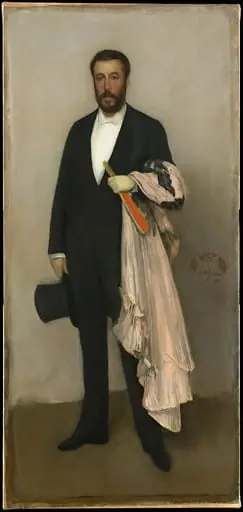 Arrangement in Flesh Colour and Black: Portrait of Theodore Duret
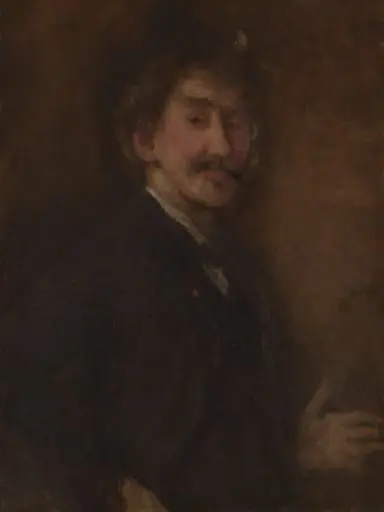 Gold and Brown: Self-Portrait
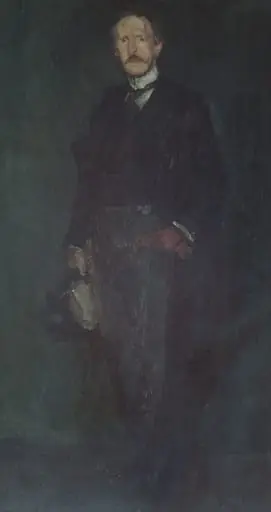 Edward Guthrie Kennedy
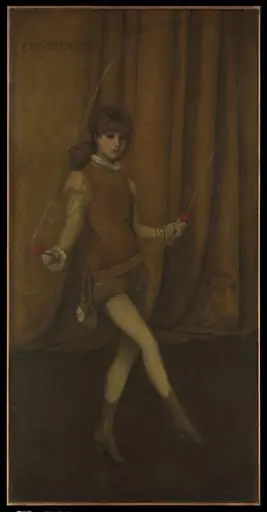 Harmony in Yellow and Gold: The Gold Girl—Connie Gilchrist
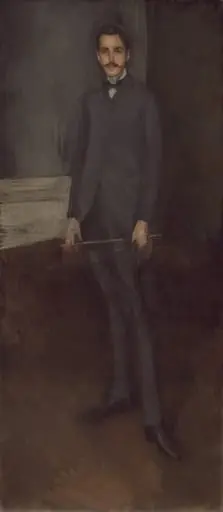 George W. Vanderbilt
 Symphony in White, No. 1: The White Girl
 Henry Irving as Philip II of Spain