Artwork
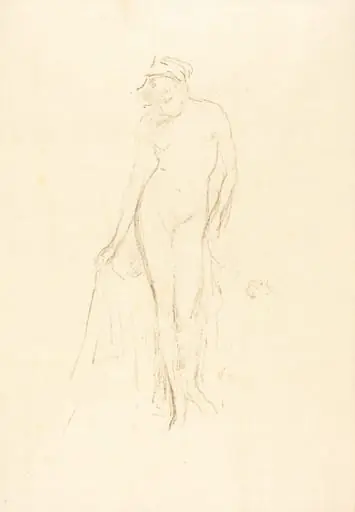
La Danseuse: A Study of the Nude
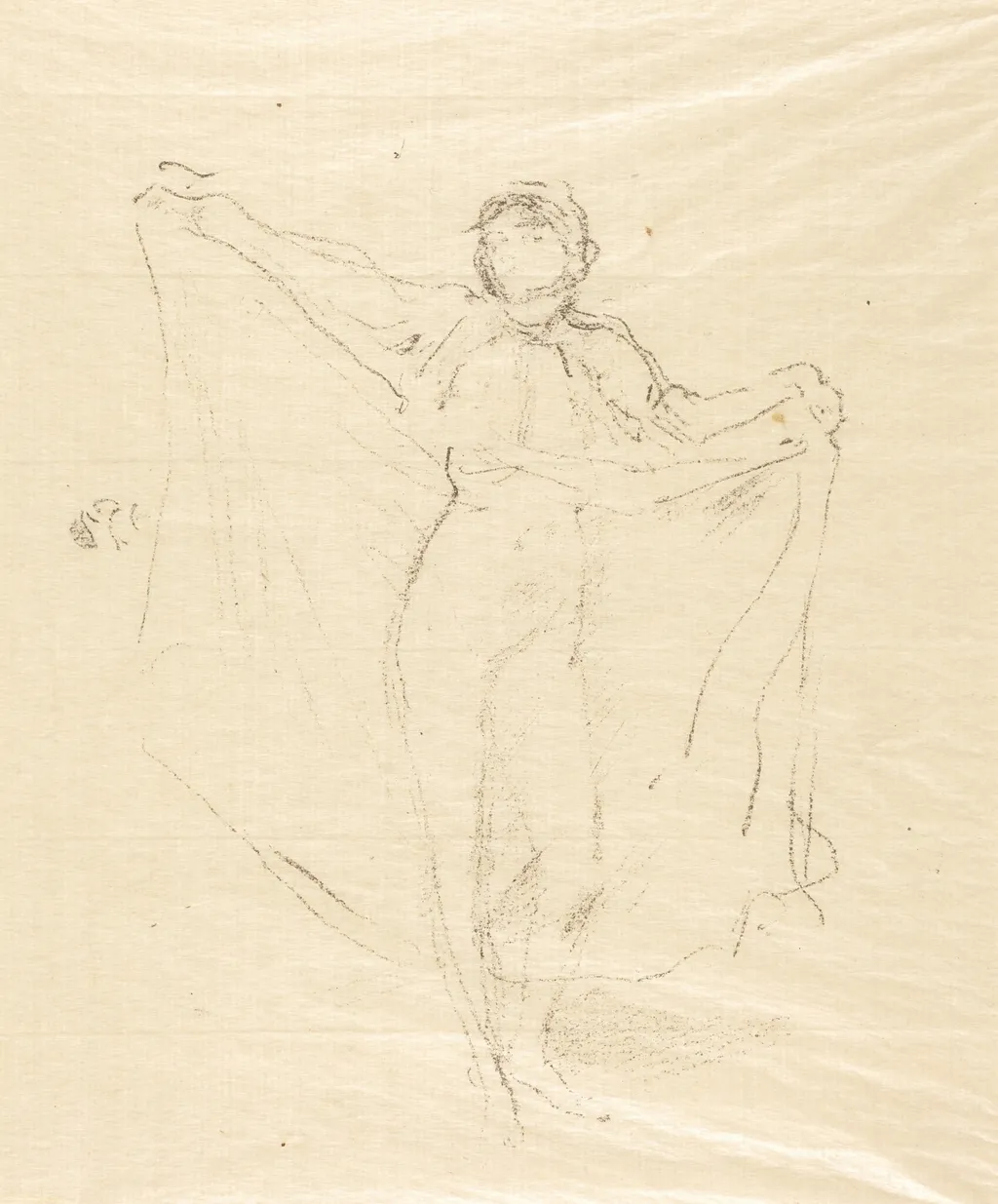
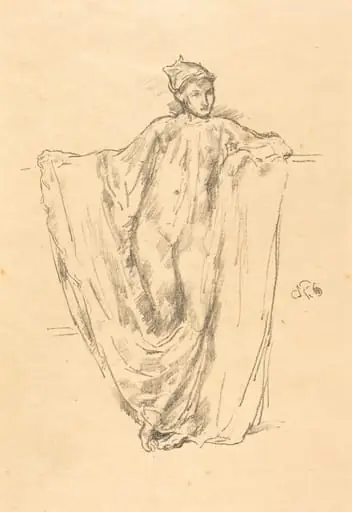
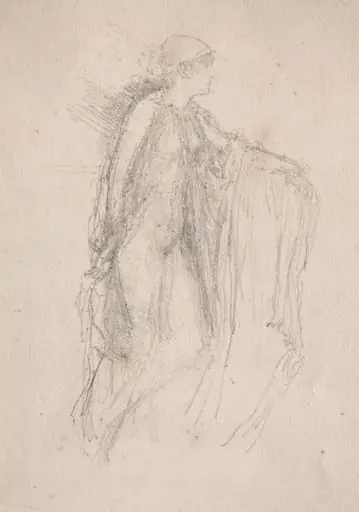
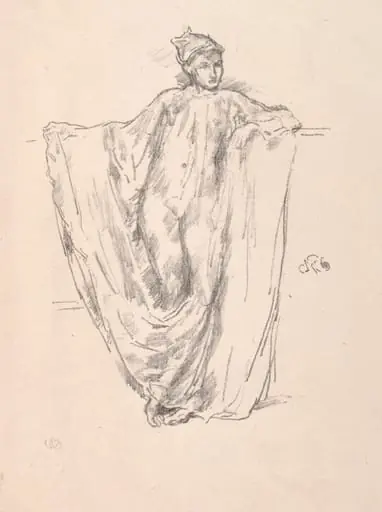
La Danseuse: A Study of the Nude is an ink print by the Impressionist artist James McNeill Whistler. It dates from 1891 and is held in the collection of the National Gallery of Art. Created around 1891, this lithograph presents a solitary nude figure captured in a poised, reflective stance.
About this work
Overview
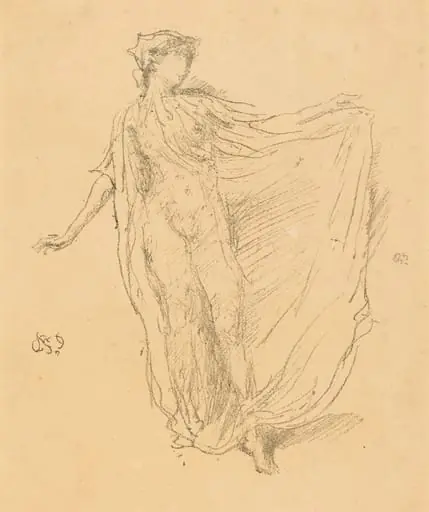
Created around 1891, this lithograph presents a solitary nude figure captured in a poised, reflective stance. Executed in black on smooth, wove paper, the image conveys a sense of quiet composure, emphasizing line and form over narrative detail.
Subject & Meaning
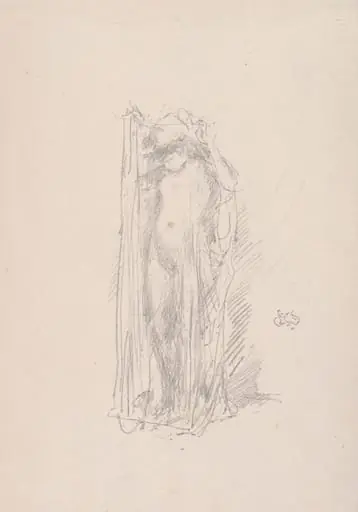
The work portrays a dancing nude, arms lifted and legs bent, suggesting movement while retaining a calm, meditative quality. Rather than conveying a story or moral lesson, the figure serves as an exploration of the human form as an object of aesthetic contemplation.
Technique & Style
Produced through lithography, Whistler drew directly onto a prepared stone surface, allowing the inked lines to retain a light, sketch‑like quality when transferred to paper. The black tonal range and delicate strokes reflect his preference for subtle, refined visual effects.
History & Provenance
James McNeill Whistler, an American-born artist who spent much of his career in Britain, created the piece during a period when he championed the principle of "art for art's sake." The lithograph aligns with his broader printmaking output, which often featured restrained compositions and a focus on tonal harmony.
Context
In the late nineteenth century, Whistler's approach contrasted with the more narrative-driven Victorian art of the time. His emphasis on aesthetic harmony and the reduction of subject to pure visual elements placed him within the broader Aesthetic Movement, which valued beauty as an end in itself.
Artist & collection
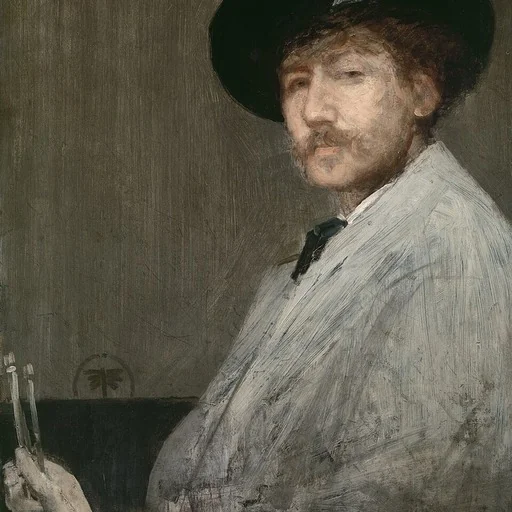
Artist
James Abbott McNeill Whistler was an American painter in oils and watercolor, and printmaker, active during the American Gilded Age and based primarily in the United Kingdom.

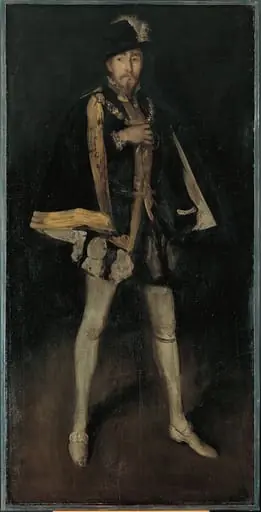 Arrangement in Black, No. 3: Sir Henry Irving as Philip II of Spain
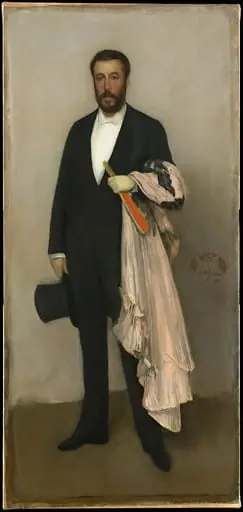 Arrangement in Flesh Colour and Black: Portrait of Theodore Duret
 Gold and Brown: Self-Portrait
 Edward Guthrie Kennedy
 Harmony in Yellow and Gold: The Gold Girl—Connie Gilchrist
 George W. Vanderbilt
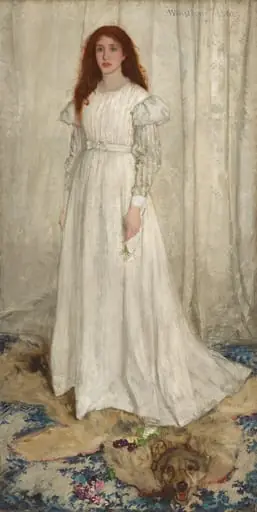 Symphony in White, No. 1: The White Girl
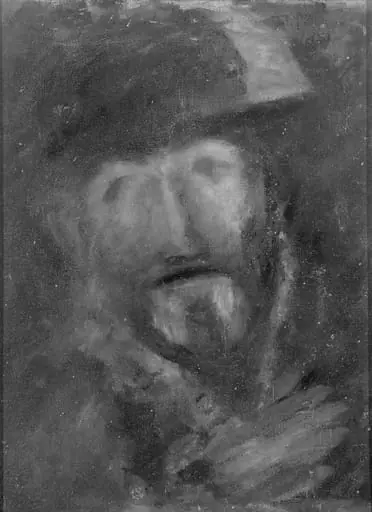 Henry Irving as Philip II of Spain