Artwork
Melon-Shop, Hounsditch
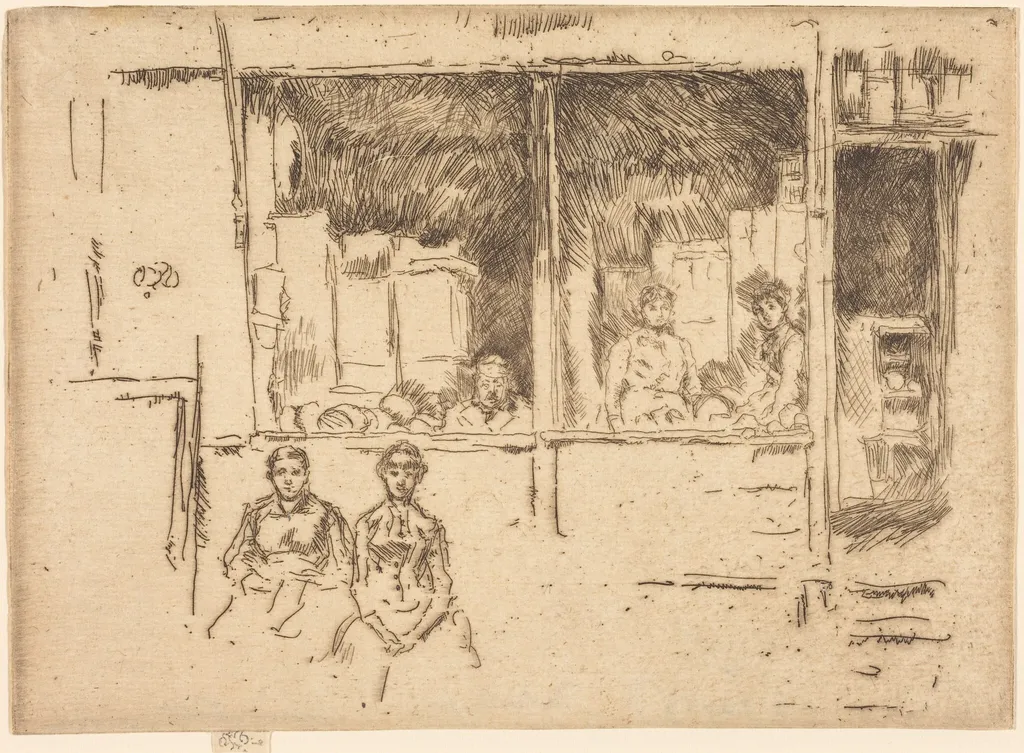
Melon-Shop, Hounsditch is an ink print by the Impressionist artist James McNeill Whistler. It dates from 1887 and is held in the collection of the National Gallery of Art.
About this work
Overview
Created around 1887, *Melon-Shop, Hounsditch* is a late-career etching and drypoint by James McNeill Whistler, executed on laid paper.
Created around 1887, *Melon-Shop, Hounsditch* is a late-career etching and drypoint by James McNeill Whistler, executed on laid paper. It captures a quiet urban moment in a London neighborhood, reflecting his sustained interest in everyday scenes. Though primarily known for painting, Whistler devoted considerable energy to printmaking in this period, refining his ability to convey atmosphere through line and tone rather than narrative.
Subject & Meaning
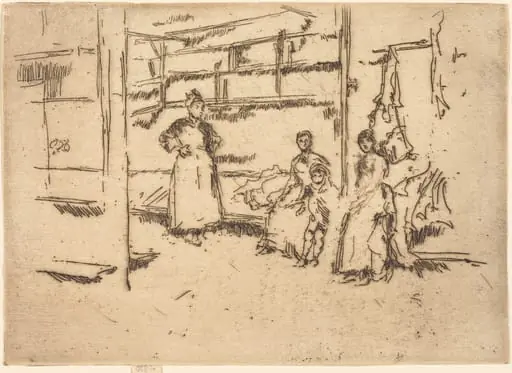
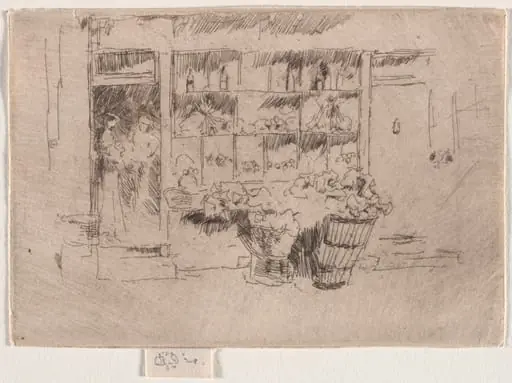
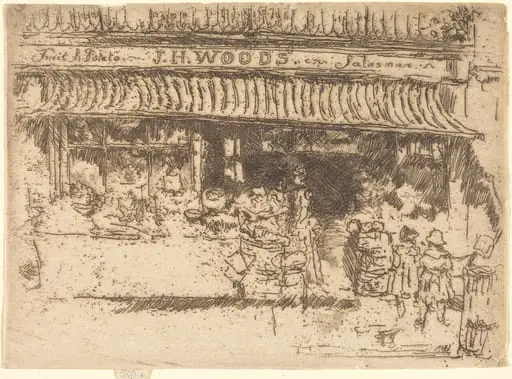
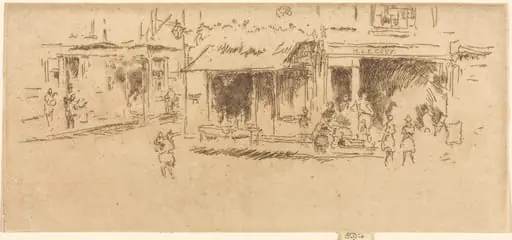
The scene centers on a modest fruit stall, flanked by a window and doorway, with a few figures lingering nearby—a seated woman and a standing man who seems to acknowledge the viewer. There is no overt story or moral message; instead, Whistler focuses on the rhythm of daily life. The composition avoids sentimentality, aligning with his belief in art’s autonomy, where visual harmony supersedes anecdotal content.
Technique & Style
Whistler employed etching and drypoint to achieve nuanced gradations of light and shadow. Fine, controlled lines define architectural details and figures, while drypoint’s rich, velvety burr adds depth to shadows and textures. The paper’s laid structure subtly enhances the tonal warmth. His restrained palette of ink tones and delicate handling emphasize atmosphere over detail, inviting contemplation rather than immediate recognition.
History & Provenance
The work emerged during Whistler’s residency in London, following his earlier successes in Paris and Venice. It belongs to a series of urban views he produced in the 1880s, often depicting lesser-known districts like Hounsditch. The piece bears his signature butterfly motif, a personal emblem he adopted to signal both artistic refinement and a defiant individualism in his public identity.
Context
In the late 19th century, London’s expanding urban fabric offered Whistler new subjects beyond aristocratic interiors. He turned to working-class streets, not as social commentary, but as studies in form and light. His approach paralleled emerging interest in modern life among printmakers, though he remained distinct in his refusal to align with movements like Impressionism, preferring his own aesthetic principles.
Legacy
Though less celebrated than his portraits or nocturnes, *Melon-Shop, Hounsditch* exemplifies Whistler’s mastery of etching as a medium for quiet observation. Its influence lies in its restraint and technical precision, contributing to the broader recognition of printmaking as a serious artistic form. The work remains a testament to his commitment to visual economy and the expressive potential of subtle mark-making.
Artist & collection
Artist
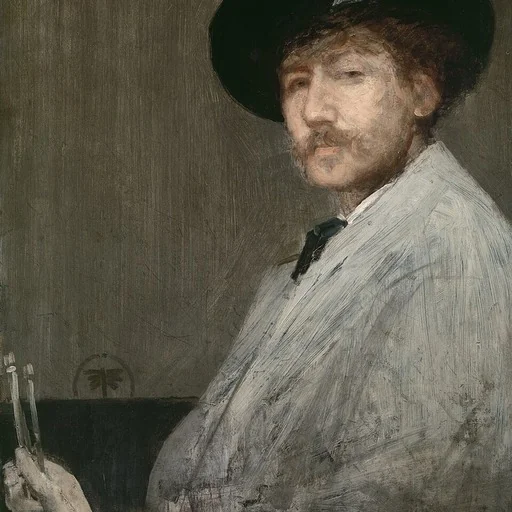
James Abbott McNeill Whistler was an American painter in oils and watercolor, and printmaker, active during the American Gilded Age and based primarily in the United Kingdom.

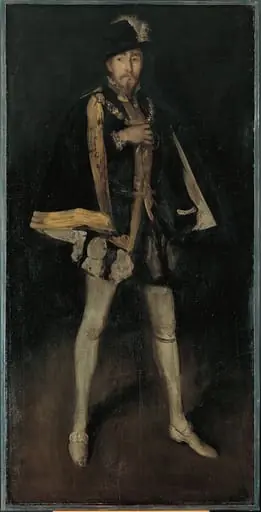 Arrangement in Black, No. 3: Sir Henry Irving as Philip II of Spain
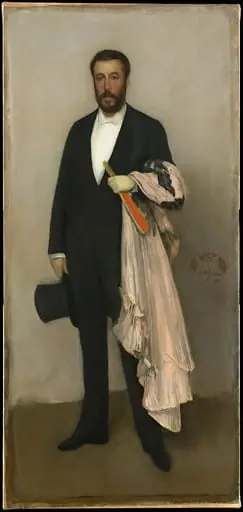 Arrangement in Flesh Colour and Black: Portrait of Theodore Duret
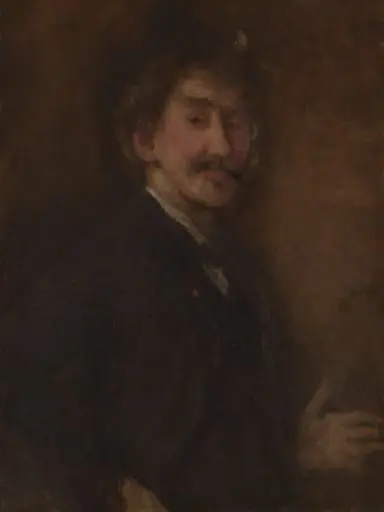 Gold and Brown: Self-Portrait
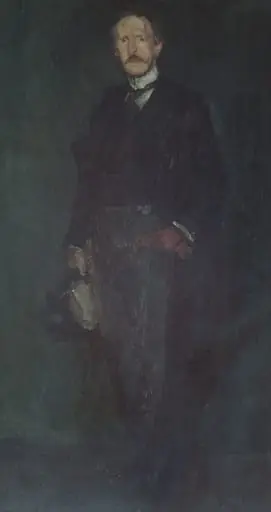 Edward Guthrie Kennedy
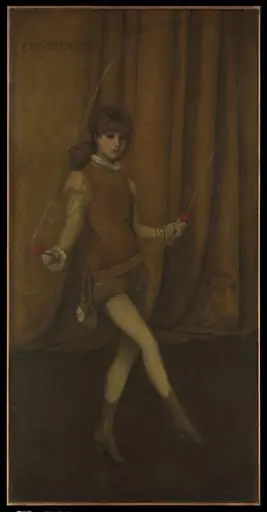 Harmony in Yellow and Gold: The Gold Girl—Connie Gilchrist
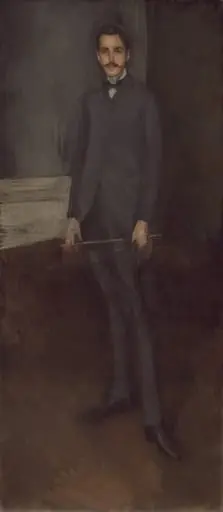 George W. Vanderbilt
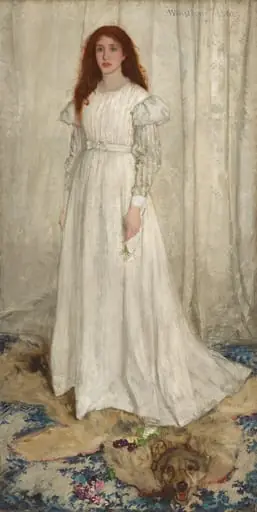 Symphony in White, No. 1: The White Girl
 Henry Irving as Philip II of Spain