Artwork
Nocturne: Palaces
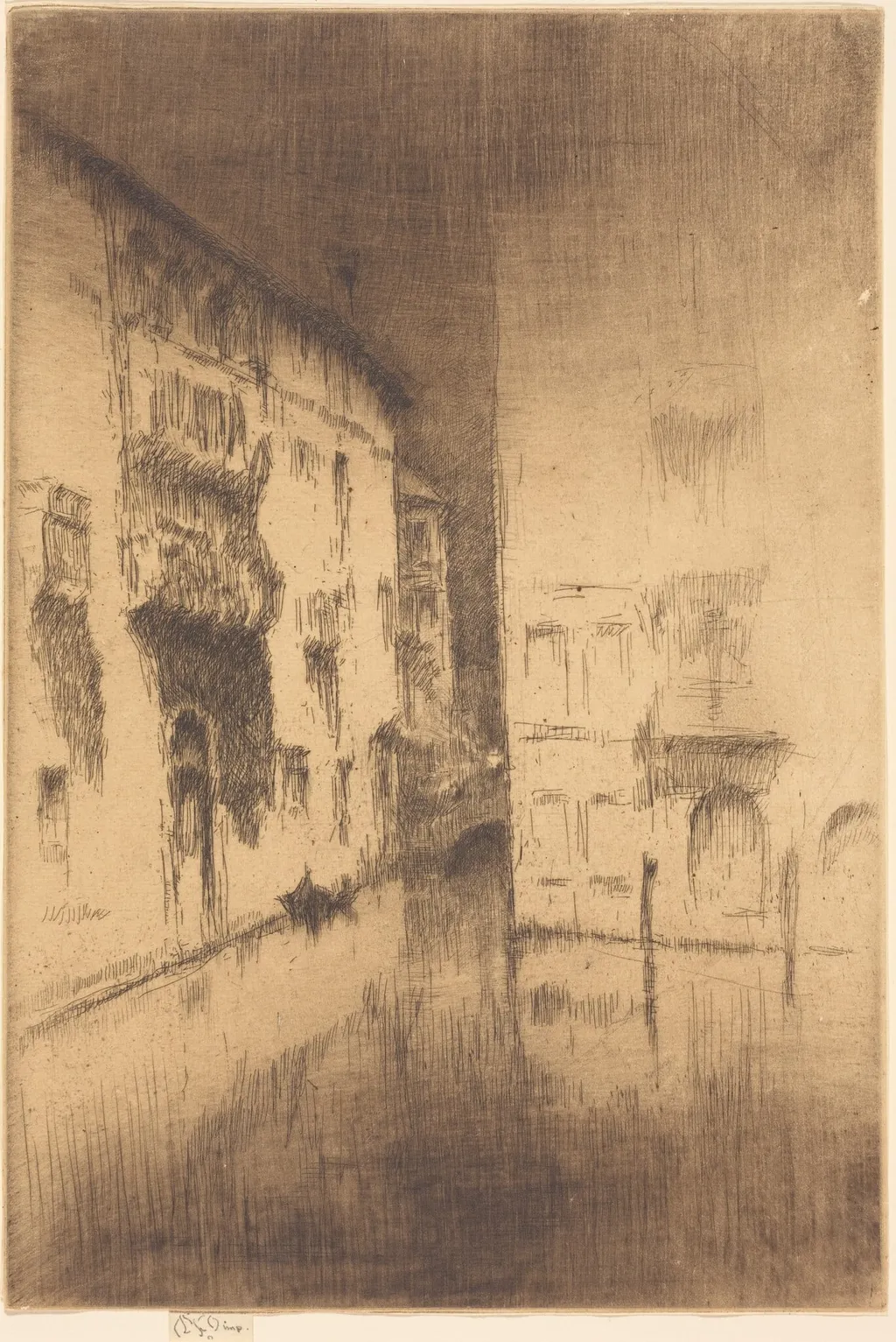
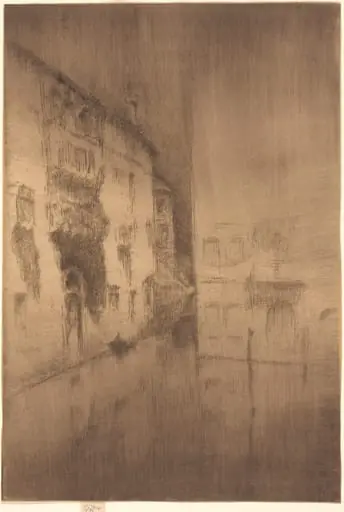
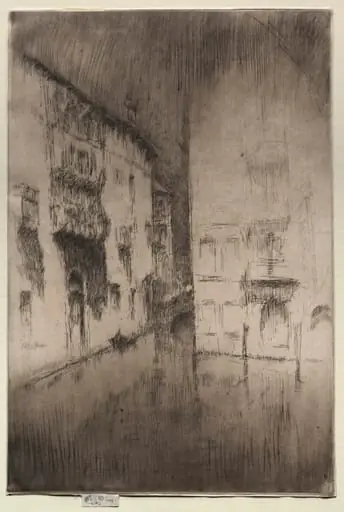
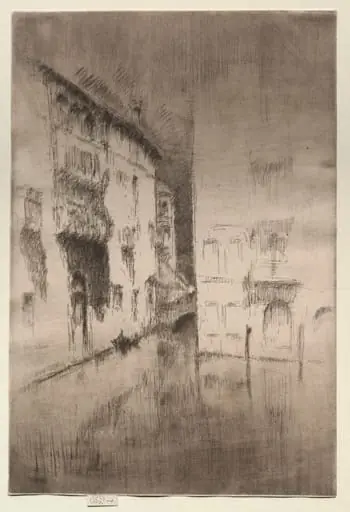
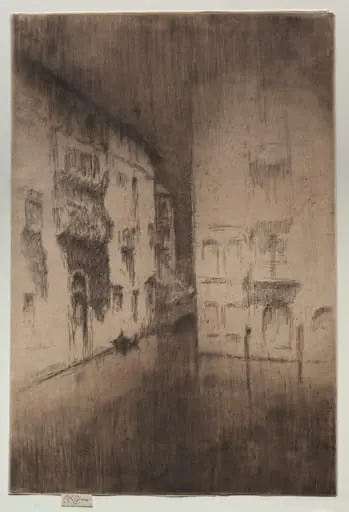
Nocturne: Palaces is an ink print by the Impressionist artist James McNeill Whistler. It dates from 1880 and is held in the collection of the National Gallery of Art.
About this work
Overview
Part of a larger body of over 300 prints focused on London’s Thames, the work reflects Whistler’s sustained interest in nocturnal urban landscapes.
Created in 1880, *Nocturne: Palaces* is an etching and drypoint by James McNeill Whistler, executed in brownish-black ink on laid paper. Part of a larger body of over 300 prints focused on London’s Thames, the work reflects Whistler’s sustained interest in nocturnal urban landscapes. Though primarily known for painting, Whistler produced prints with the same attention to tone and mood, favoring atmospheric suggestion over detailed representation.
Subject & Meaning
The print captures a stretch of riverside architecture at night, with tall, indistinct buildings rising from the water’s edge. Their forms are softened by shadow and sparse ink, evoking a sense of quiet solitude. Whistler was not documenting specific landmarks but rather conveying the emotional resonance of the city after dark—structures appear as silhouettes, almost spectral, dissolving into the surrounding gloom.
Technique & Style
Whistler employed etching and drypoint to achieve subtle gradations of tone. The lines are loose and irregular, with areas of thin ink suggesting light barely touching the surface. Drypoint burrs create soft, fuzzy edges, enhancing the hazy quality of the scene. His approach prioritized mood over precision, using minimal marks to imply depth, texture, and the presence of water and air.
History & Provenance
Whistler produced this print during his years in London, where he lived from the 1860s onward. It belongs to a series of Thames nocturnes he developed over two decades, often working directly from the riverbank at night. The print was likely made for private collectors and art circles aligned with the Aesthetic Movement, which valued sensory experience over narrative content.
Context
In the late 19th century, Whistler’s nocturnes diverged from traditional topographical prints. While others documented landmarks, he sought to express the transient effects of light and atmosphere. His work aligned with broader European trends favoring mood and perception, paralleling Impressionist concerns but expressed through the quieter medium of printmaking.
Legacy
Whistler’s Thames etchings, including *Nocturne: Palaces*, expanded the expressive potential of printmaking in the modern era. His emphasis on tonal harmony and emotional suggestion influenced later printmakers and photographers interested in urban nightscapes. These works remain significant for their quiet innovation in translating fleeting visual experiences into ink on paper.
Artist & collection
Artist
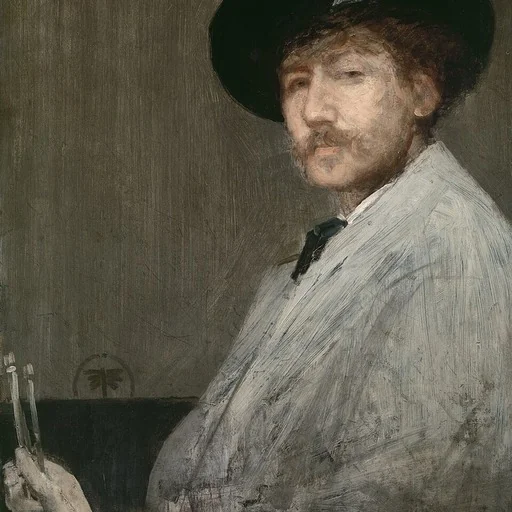
James Abbott McNeill Whistler was an American painter in oils and watercolor, and printmaker, active during the American Gilded Age and based primarily in the United Kingdom.

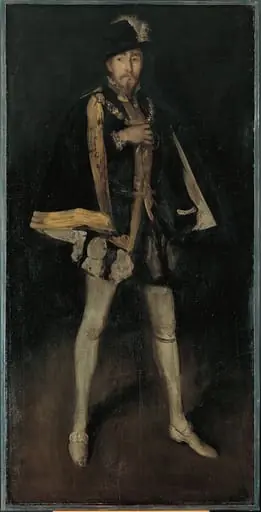 Arrangement in Black, No. 3: Sir Henry Irving as Philip II of Spain
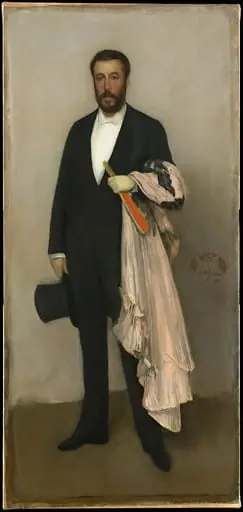 Arrangement in Flesh Colour and Black: Portrait of Theodore Duret
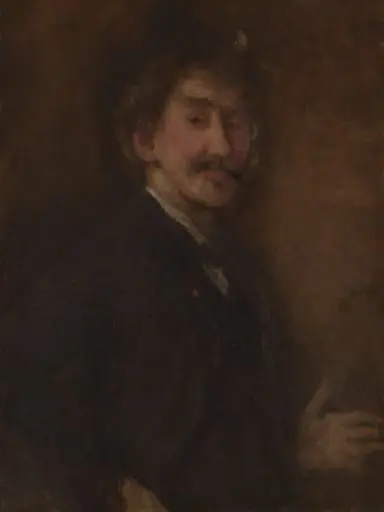 Gold and Brown: Self-Portrait
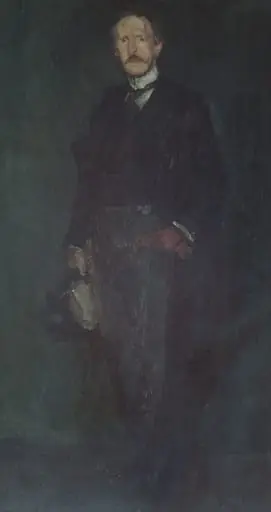 Edward Guthrie Kennedy
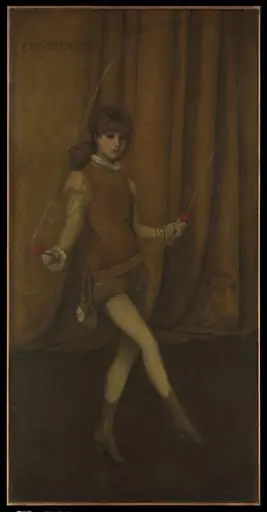 Harmony in Yellow and Gold: The Gold Girl—Connie Gilchrist
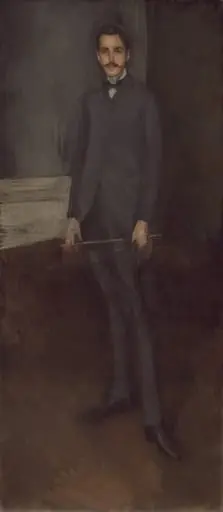 George W. Vanderbilt
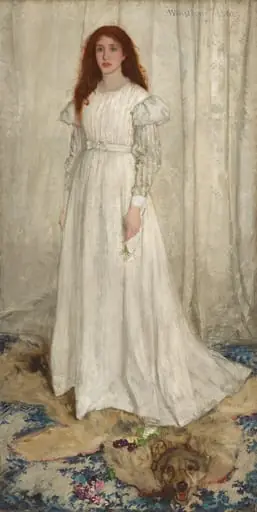 Symphony in White, No. 1: The White Girl
 Henry Irving as Philip II of Spain