Artwork
Rue de la Rochefoucault
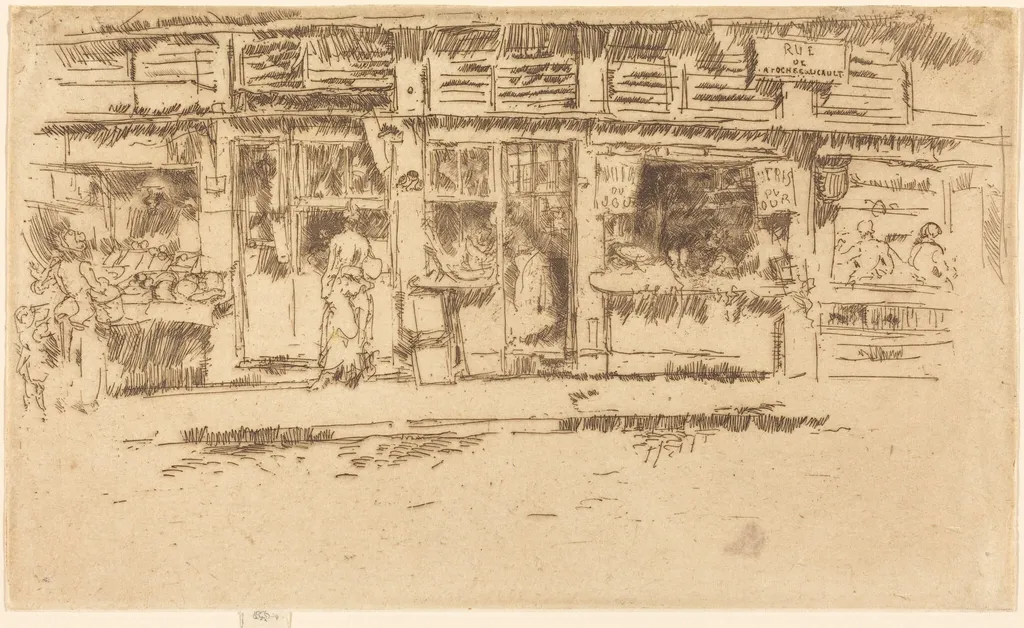
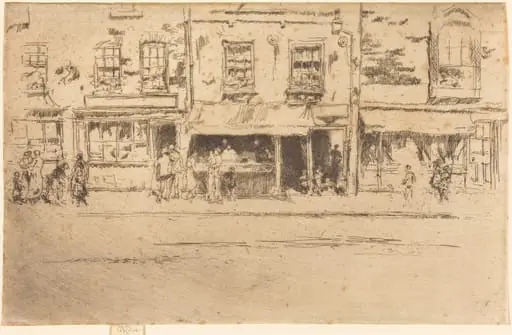
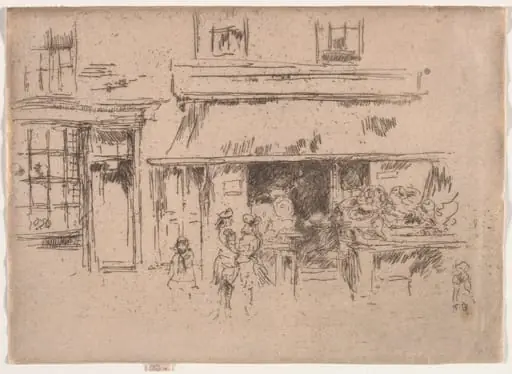
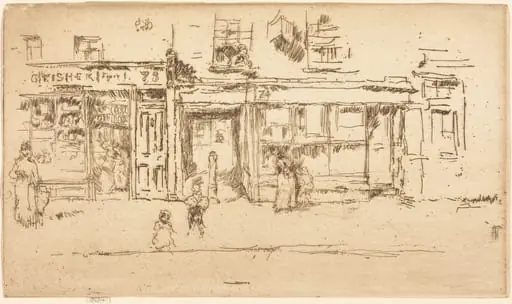
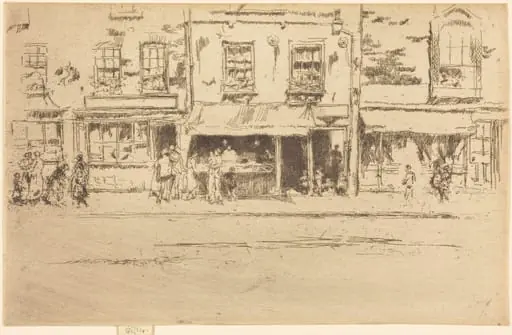
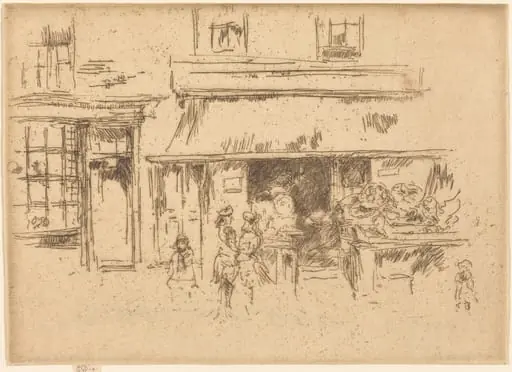
Rue de la Rochefoucault is an ink print by the Impressionist artist James McNeill Whistler. It dates from 1893 and is held in the collection of the National Gallery of Art.
About this work
Overview
Created in 1893, *Rue de la Rochefoucault* is an etching and drypoint on laid paper by James McNeill Whistler, made during his years in Britain.
Created in 1893, *Rue de la Rochefoucault* is an etching and drypoint on laid paper by James McNeill Whistler, made during his years in Britain. The work captures a quiet urban moment in Paris, reflecting Whistler’s sustained interest in cityscapes and the subtle rhythms of everyday life. Unlike narrative-driven imagery, the piece prioritizes tonal harmony and compositional balance, aligning with his broader aesthetic philosophy.
Subject & Meaning
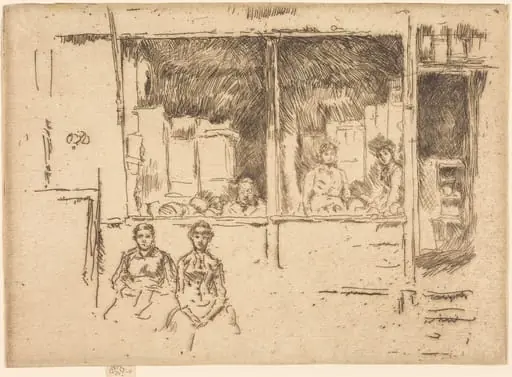
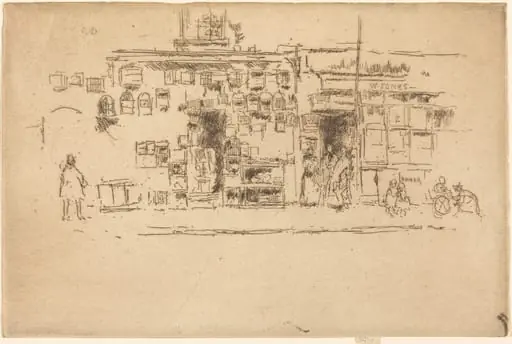
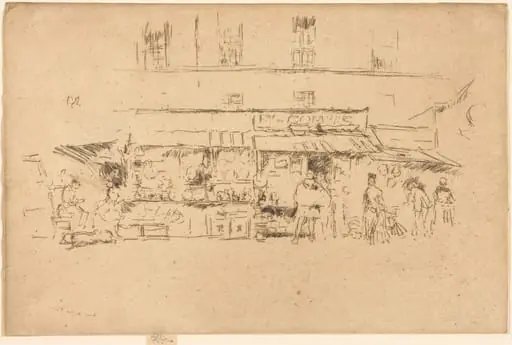
The scene depicts a modest Parisian street corner, with figures gathered near a table and a solitary man standing in a doorway. No dramatic event unfolds; instead, the focus lies in the quiet interplay of human presence and architecture. Whistler avoids storytelling, inviting contemplation of atmosphere and form. The composition suggests the pulse of urban life without sentimentality or moralizing.
Technique & Style
Whistler employed etching and drypoint to achieve a range of textures—from the fine, delicate lines of buildings to the dense, velvety shadows of figures. The laid paper enhances the tactile quality of the ink, while the loose, gestural marks convey immediacy. His use of drypoint burr creates rich, blurred tones, particularly in the darker areas, reinforcing a sense of depth and mood without overt detail.
History & Provenance
Whistler produced this print during a period of intense activity in his printmaking career, following his return to London after years on the Continent. Though the exact provenance of this impression is not widely documented, it belongs to a series of urban views he made in the early 1890s, many of which were circulated among collectors and fellow artists interested in his technical innovations.
Context
In the 1890s, Whistler was part of a broader movement rejecting didactic art in favor of sensory experience. His Parisian street scenes, including this one, responded to the changing urban landscape and the rise of modern life as a subject. These works paralleled the interests of French Impressionists but diverged in their emphasis on structure, tone, and the autonomy of the image.
Legacy
Whistler’s etchings, including *Rue de la Rochefoucault*, influenced later generations of printmakers through their emphasis on tonal subtlety and compositional restraint. His butterfly monogram, present here, became a recognizable marker of his artistic authority. The work remains a quiet testament to his belief that art’s value resides in its formal integrity rather than its subject matter.
Artist & collection
Artist
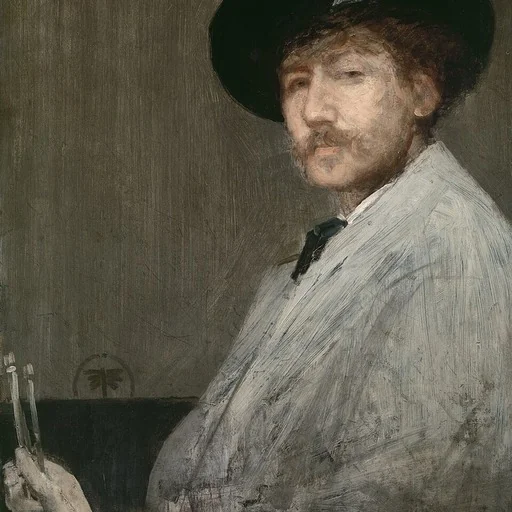
James Abbott McNeill Whistler was an American painter in oils and watercolor, and printmaker, active during the American Gilded Age and based primarily in the United Kingdom.

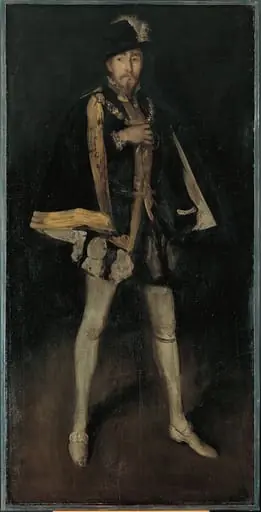 Arrangement in Black, No. 3: Sir Henry Irving as Philip II of Spain
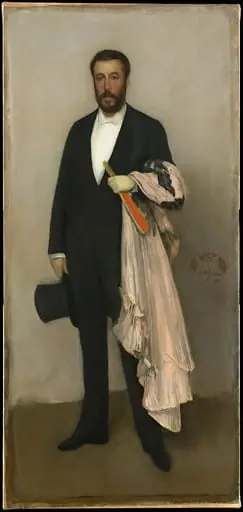 Arrangement in Flesh Colour and Black: Portrait of Theodore Duret
 Gold and Brown: Self-Portrait
 Edward Guthrie Kennedy
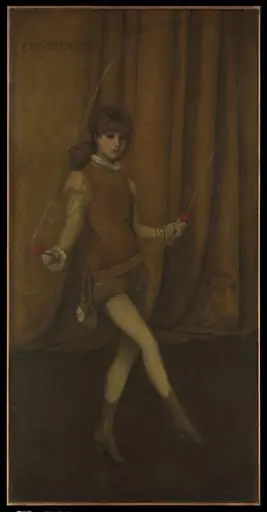 Harmony in Yellow and Gold: The Gold Girl—Connie Gilchrist
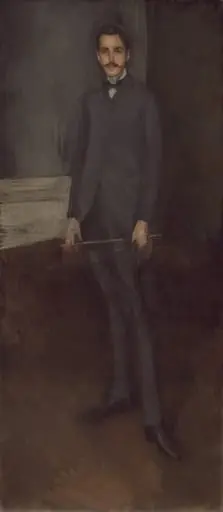 George W. Vanderbilt
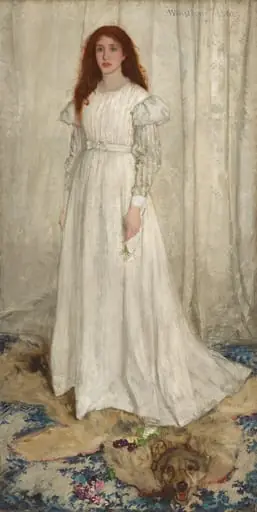 Symphony in White, No. 1: The White Girl
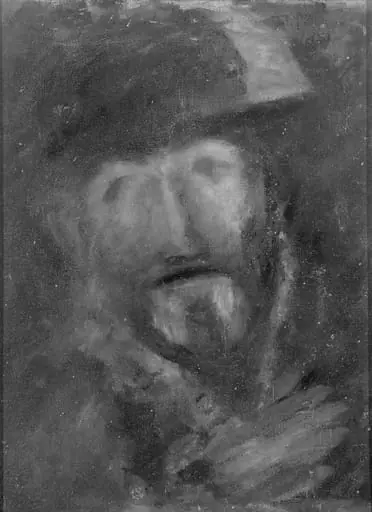 Henry Irving as Philip II of Spain