Artwork
Salute Dawn
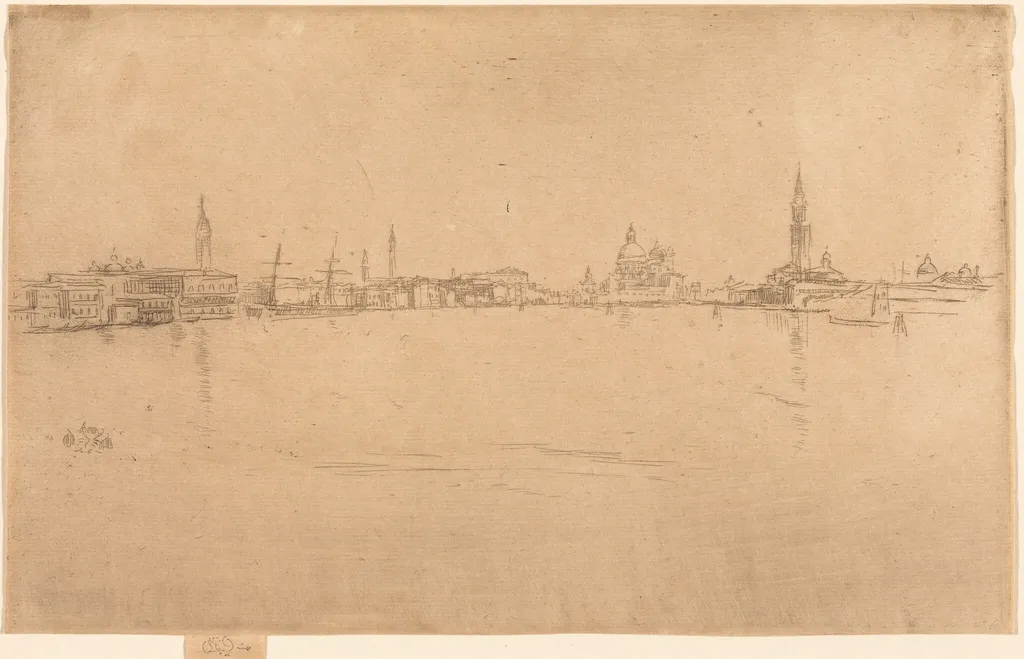
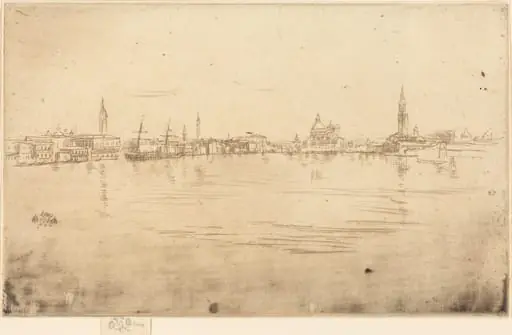
Salute Dawn is an ink print by the Impressionist artist James McNeill Whistler. It dates from 1880 and is held in the collection of the National Gallery of Art.
About this work
Overview
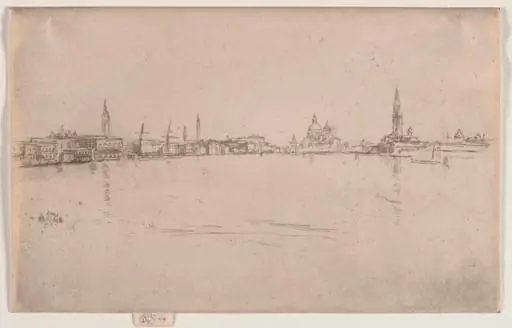
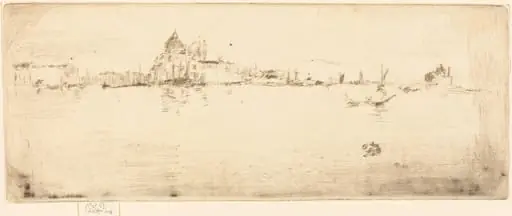
Created in 1880, *Salute Dawn* is an impressionistic print by James McNeill Whistler. Executed on Asian laid paper, the work combines etching and dry‑point, producing a composition of restrained lines and subtle tonal variation. The image presents a tranquil, sparsely detailed scene that invites contemplation rather than narrative explanation.
Technique & Style
Whistler employed both traditional etching and the more tactile dry‑point method, allowing him to achieve a range of line qualities—from crisp, deep incisions to softer, velvety burrs. The use of Asian laid paper contributes a delicate texture that interacts with the dense, dark markings, exemplifying the artist’s interest in technical precision and visual harmony.
Subject & Meaning
The print depicts a quiet, early‑morning setting, suggested by the title’s reference to dawn. Rather than illustrating a specific story, the work focuses on atmosphere, using minimal forms and tonal contrast to evoke the calm of daybreak. This aligns with Whistler’s broader aesthetic, which privileges mood and composition over literal representation.
History & Provenance
*Salute Dawn* belongs to Whistler’s prolific print period in the late nineteenth century, when he explored the possibilities of the medium alongside his oil and watercolor output. The piece reflects his status as an American expatriate active in European artistic circles, though specific ownership details prior to museum acquisition remain undocumented.
Artist & collection
Artist
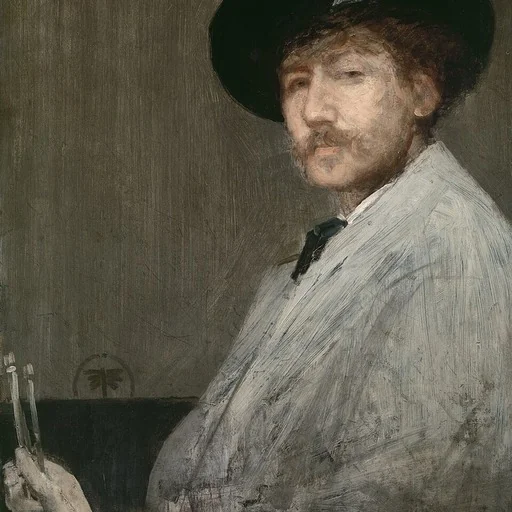
James Abbott McNeill Whistler was an American painter in oils and watercolor, and printmaker, active during the American Gilded Age and based primarily in the United Kingdom.

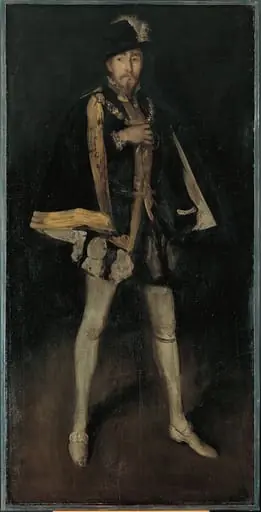 Arrangement in Black, No. 3: Sir Henry Irving as Philip II of Spain
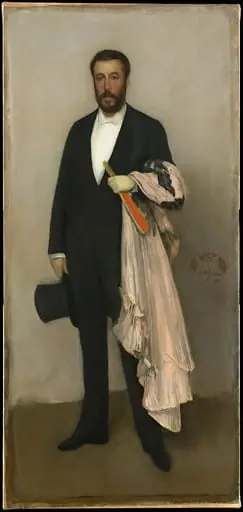 Arrangement in Flesh Colour and Black: Portrait of Theodore Duret
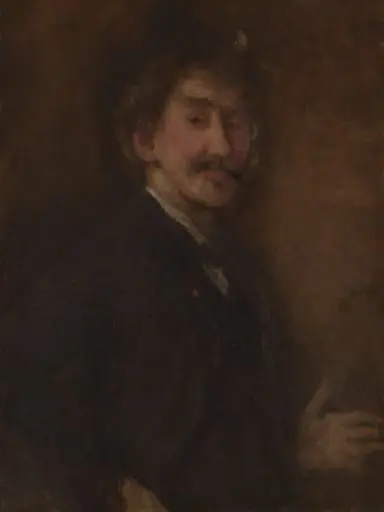 Gold and Brown: Self-Portrait
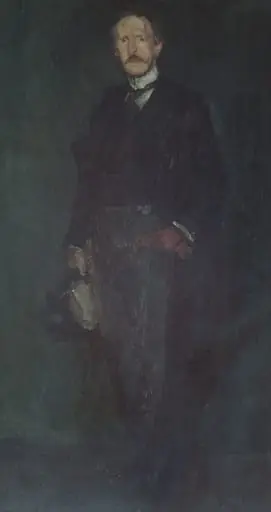 Edward Guthrie Kennedy
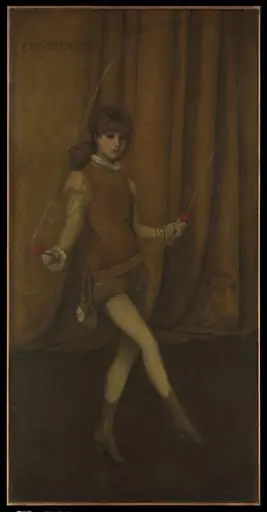 Harmony in Yellow and Gold: The Gold Girl—Connie Gilchrist
 George W. Vanderbilt
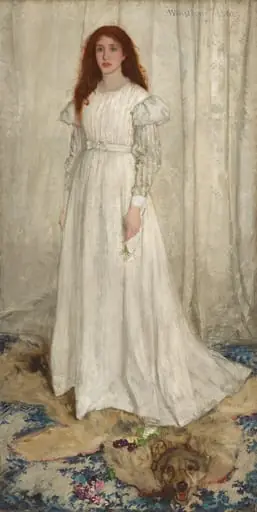 Symphony in White, No. 1: The White Girl
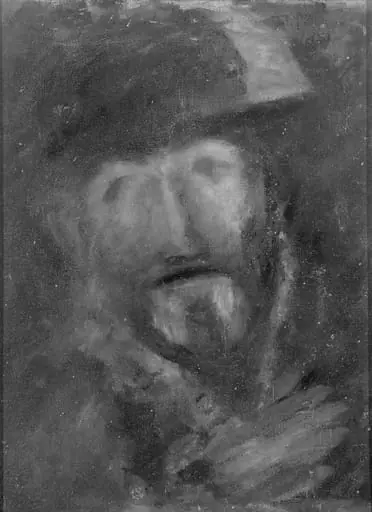 Henry Irving as Philip II of Spain