Artwork
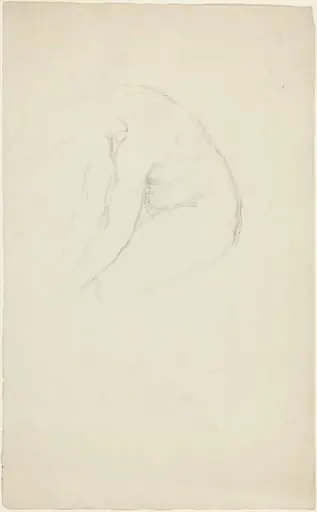
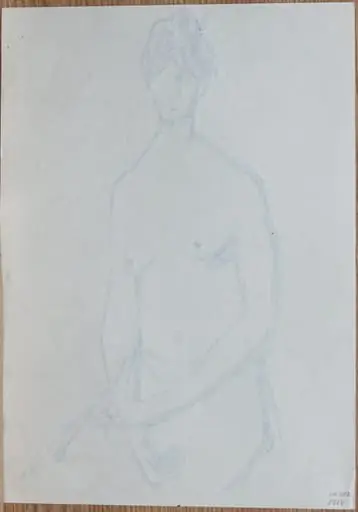
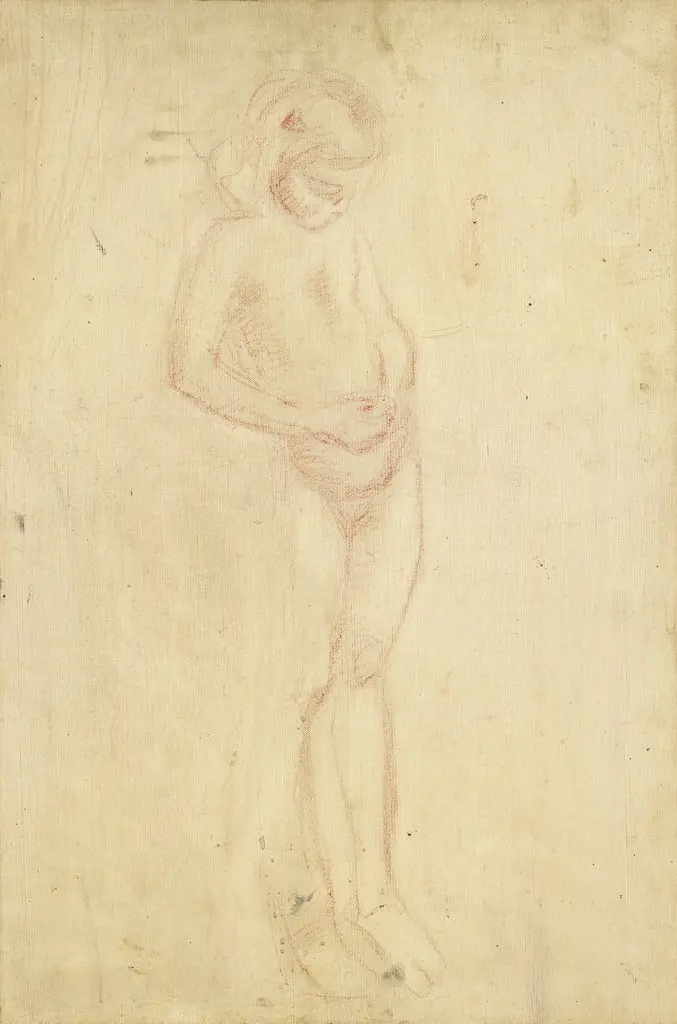
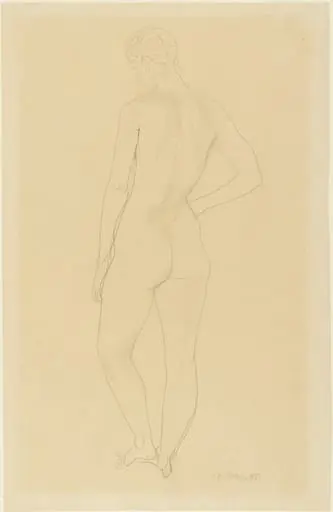
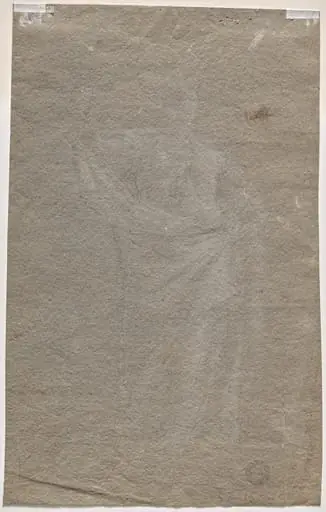
Standing Figure [verso]
![Standing Figure [verso], by James McNeill Whistler, chalk, 1872](https://artifactworldgallery.com/img/james-mcneill-whistler--standing-figure-verso--3089b1e67635ba44-w1024.webp)
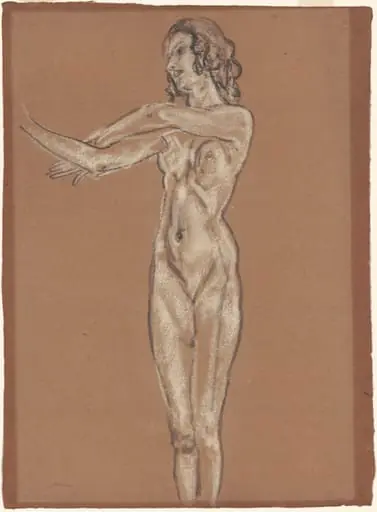
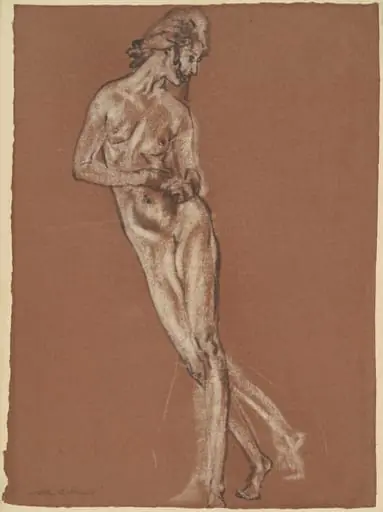
Standing Figure [verso] is a chalk drawing by the Impressionist artist James McNeill Whistler. It dates from 1872 and is held in the collection of the National Gallery of Art.
About this work
The painting is called Standing Figure and it's a nude.
It was made by James McNeill Whistler between 1871 and 1874.
He used chalk on brown paper to create it.
The artist was part of the Impressionism and Realism movements.
You can learn more about this style at the National Gallery of Art, Washington, which holds the work, or by looking into the movement Impressionism.
Overview
Created between 1871 and 1874, this chalk drawing on brown wove paper is one of several figure studies by James McNeill Whistler. Though best known for his oils and etchings, Whistler frequently turned to drawing to explore form and composition. The work’s modest scale and intimate medium reflect his interest in quiet, observational artistry rather than grand narrative.
Subject & Meaning
The drawing depicts a standing female nude, rendered without contextual detail or emotional embellishment. Whistler avoided storytelling or moralizing, focusing instead on the human form as a study in line and volume. The figure’s stillness and lack of expression align with his belief in art’s autonomy—valuing aesthetic harmony over symbolic or sentimental content.
Technique & Style
Whistler used soft chalk on toned paper to achieve subtle gradations of light and shadow. The brown ground acts as a mid-tone, allowing highlights to emerge through deliberate erasure and darker accents to be added sparingly. His restrained handling emphasizes contour and posture, reflecting a disciplined approach rooted in observation rather than dramatic effect.
History & Provenance
The drawing entered the collection of the National Gallery of Art in Washington, D.C., where it remains today. It was likely made during Whistler’s years in London, a period when he produced numerous figure studies alongside his more public commissions. Its survival as a private sketch underscores its role as a working tool rather than a finished exhibition piece.
Context
Whistler worked amid the rise of Realism and early Impressionism, yet his approach diverged from both. While Realists emphasized social detail and Impressionists captured fleeting light, Whistler pursued formal purity. His drawings, like this one, were part of a broader effort to elevate drawing to the status of independent art, separate from narrative or utility.
Legacy
This drawing exemplifies Whistler’s influence on modern approaches to figure study. By stripping away sentiment and focusing on structure, he helped redefine the role of the sketch in artistic practice. His emphasis on tonal harmony and minimal mark-making resonated with later 20th-century artists who valued restraint and abstraction over descriptive detail.
Artist & collection
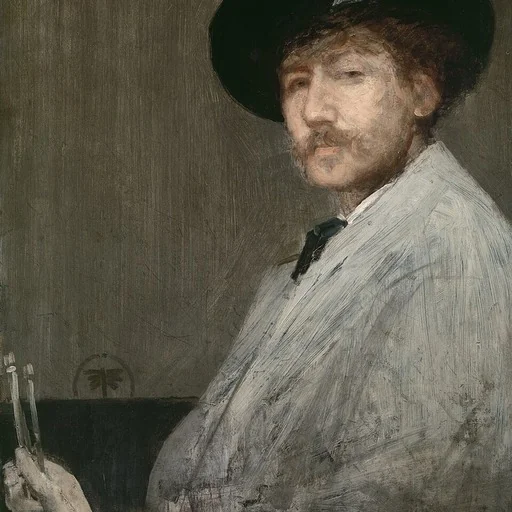
Artist
James Abbott McNeill Whistler was an American painter in oils and watercolor, and printmaker, active during the American Gilded Age and based primarily in the United Kingdom.

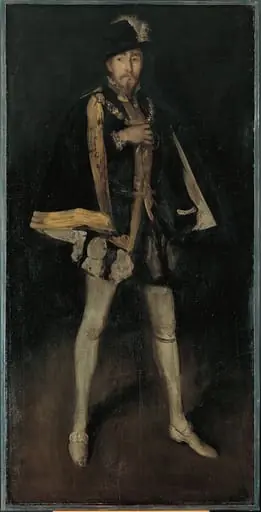 Arrangement in Black, No. 3: Sir Henry Irving as Philip II of Spain
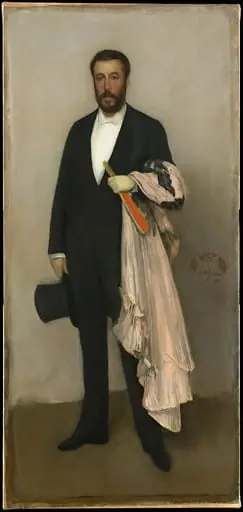 Arrangement in Flesh Colour and Black: Portrait of Theodore Duret
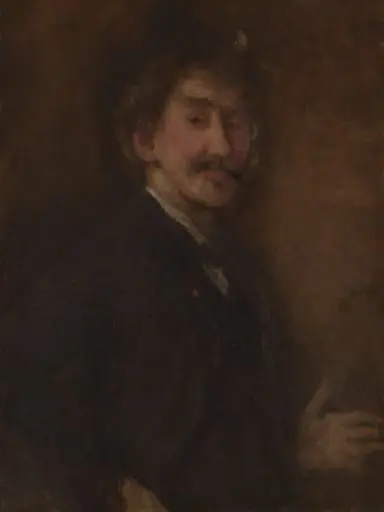 Gold and Brown: Self-Portrait
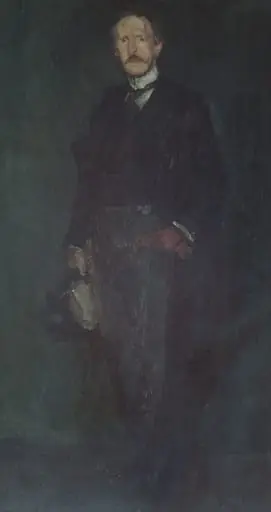 Edward Guthrie Kennedy
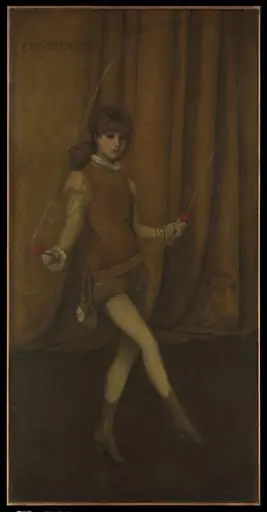 Harmony in Yellow and Gold: The Gold Girl—Connie Gilchrist
 George W. Vanderbilt
 Symphony in White, No. 1: The White Girl
 Henry Irving as Philip II of Spain
![The Belvedere Torso [verso], by William Blake](https://artifactworldgallery.com/img/william-blake--the-belvedere-torso-verso--3124534f87673a3a-w320.webp)