Artwork
The 'Adam and Eve', Old Chelsea
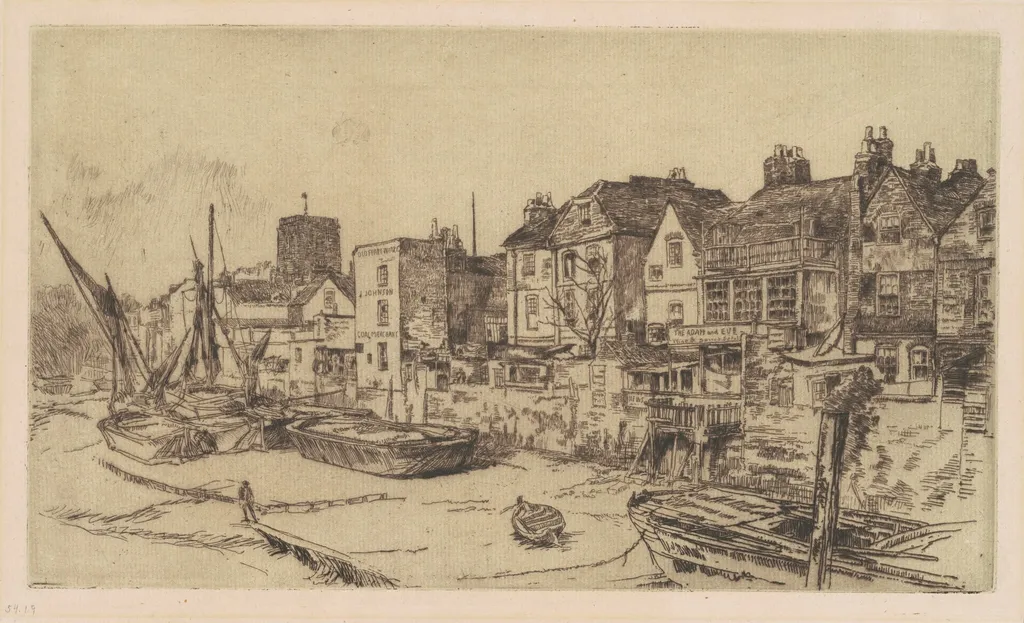
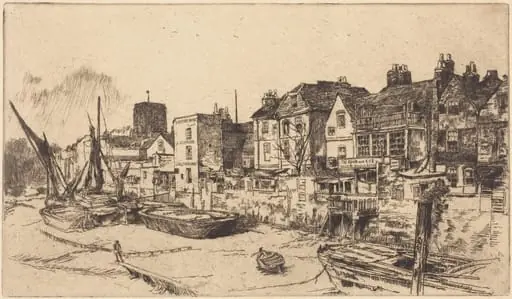
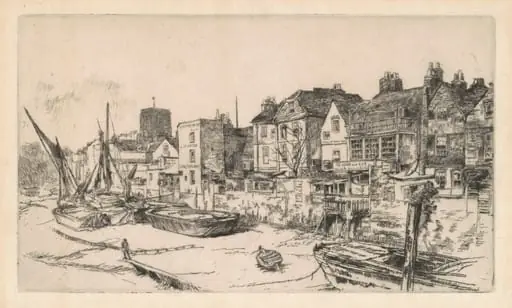
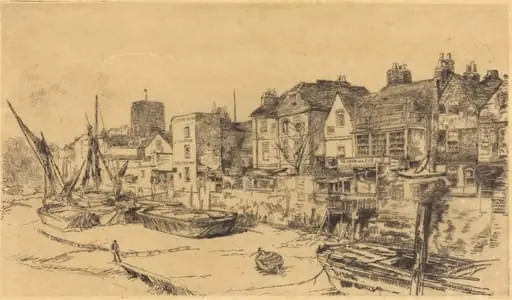
The 'Adam and Eve', Old Chelsea is an ink print by the Impressionist artist James McNeill Whistler. It dates from 1878 and is held in the collection of the National Gallery of Art.
About this work
Overview
The composition emphasizes stillness, with gently moored boats and low, elongated shadows suggesting dawn or dusk.
James McNeill Whistler's etching 'Adam and Eve, Old Chelsea' captures a quiet stretch of the River Thames near Chelsea, rendered in sepia-toned ink on laid paper. The composition emphasizes stillness, with gently moored boats and low, elongated shadows suggesting dawn or dusk. Whistler favored this locale for its subtle shifts in light and atmosphere, returning to it across multiple works to explore temporal changes in the urban riverscape.
Subject & Meaning
The scene presents no human figures, yet the presence of architecture and vessels implies quiet human activity. The title, referencing biblical figures, may allude to a lost innocence or primordial calm, though the work avoids overt symbolism. Instead, it conveys a meditative stillness, inviting contemplation of place and time rather than narrative. The absence of movement reinforces the sense of suspension between day and night.
Technique & Style
Whistler employed etching and drypoint to achieve fine, delicate lines and rich tonal gradations. The soft sepia ink enhances the muted mood, while the texture of the laid paper subtly interacts with the ink’s grain. Drypoint’s burr adds depth to shadowed areas, particularly along the riverbank and boat hulls, creating a tactile sense of atmosphere without relying on bold contrasts or dramatic lighting.
History & Provenance
Created during Whistler’s time in London, the print belongs to a series of Thames views he produced in the 1850s and 1860s. It was likely made in his studio at Chelsea, where he lived and worked. The work remained in private collections for much of its early history, with later acquisitions by institutions recognizing its significance in the development of tonal printmaking in the 19th century.
Context
Whistler’s Chelsea etchings emerged amid a broader European interest in urban landscapes and the effects of light. Unlike topographical records, his works prioritized mood over detail, aligning with emerging aesthetic theories that valued harmony and suggestion. This print reflects his rejection of narrative in favor of sensory experience, influencing later artists seeking emotional resonance over literal representation.
Legacy
The print stands as an early example of Whistler’s commitment to tonal harmony and atmospheric precision in printmaking. Its quiet intensity helped redefine etching as a medium for poetic expression rather than mere reproduction. Later generations of printmakers, particularly in America and Britain, looked to works like this as models for evoking mood through restrained technique and subtle composition.
Artist & collection
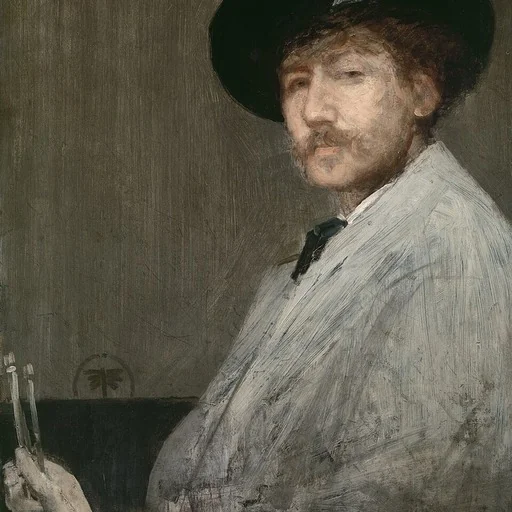
Artist
James Abbott McNeill Whistler was an American painter in oils and watercolor, and printmaker, active during the American Gilded Age and based primarily in the United Kingdom.

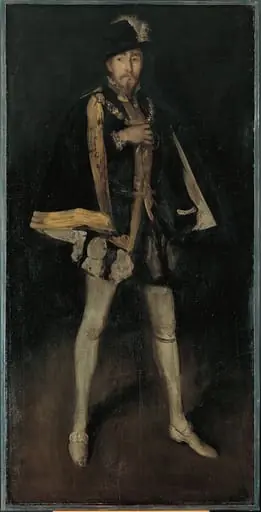 Arrangement in Black, No. 3: Sir Henry Irving as Philip II of Spain
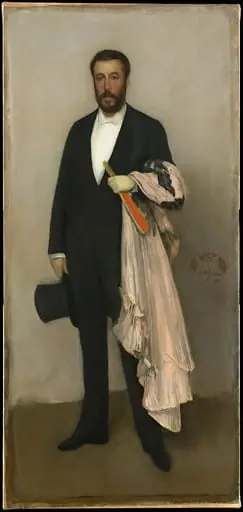 Arrangement in Flesh Colour and Black: Portrait of Theodore Duret
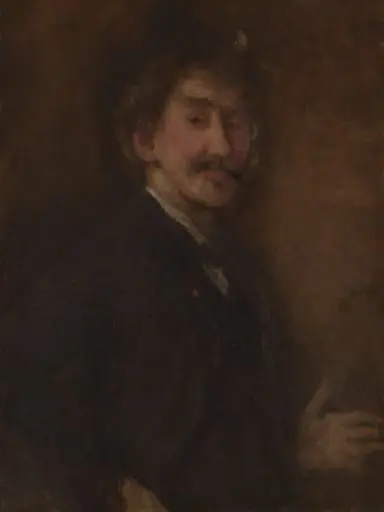 Gold and Brown: Self-Portrait
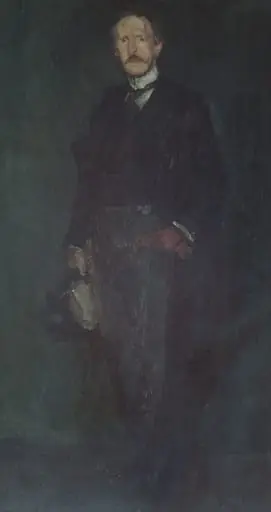 Edward Guthrie Kennedy
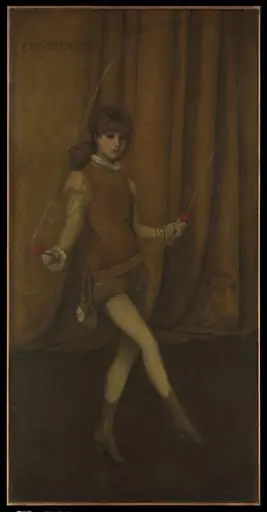 Harmony in Yellow and Gold: The Gold Girl—Connie Gilchrist
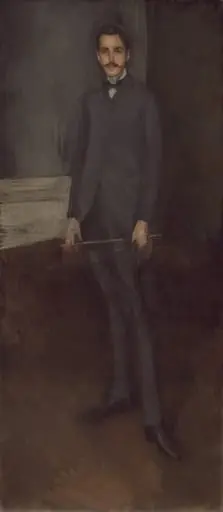 George W. Vanderbilt
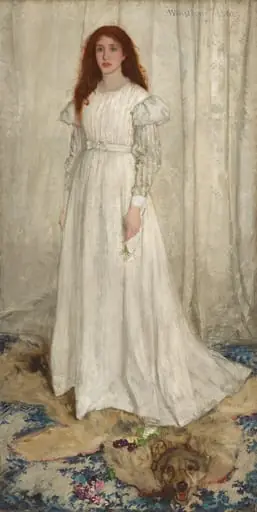 Symphony in White, No. 1: The White Girl
 Henry Irving as Philip II of Spain
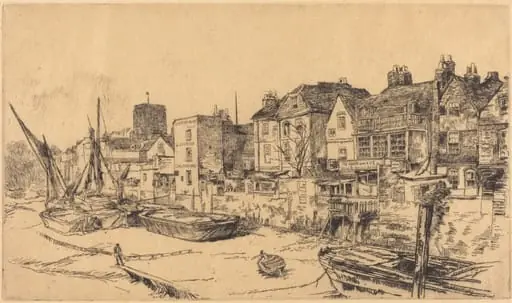 The 'Adam and Eve', Old Chelsea
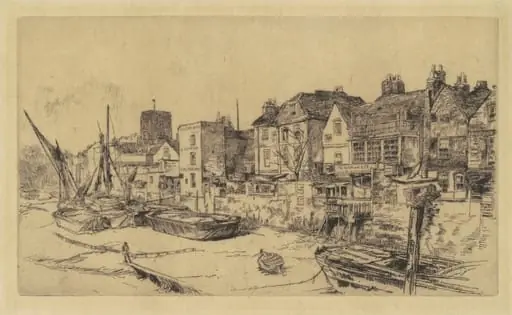 The 'Adam and Eve', Old Chelsea
 The 'Adam and Eve', Old Chelsea
 The 'Adam and Eve', Old Chelsea
 The 'Adam and Eve', Old Chelsea
 Whistler's House, Old Chelsea
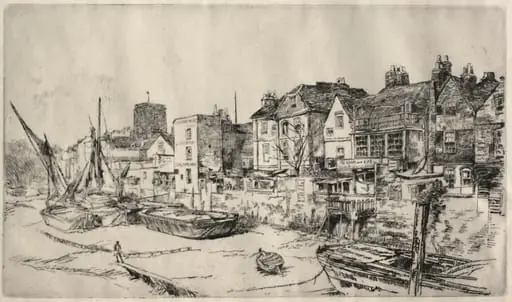 "Adam and Eve" Tavern, Old Chelsea
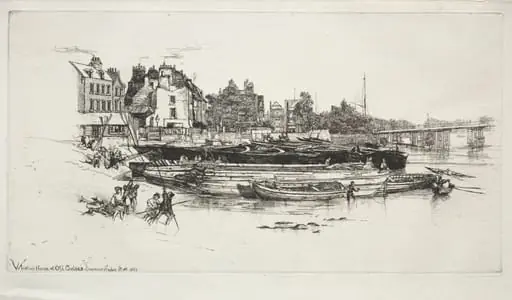 Whistler's House, Old Chelsea
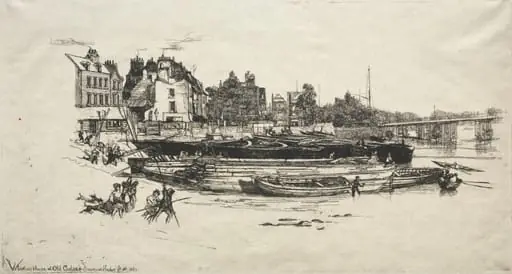 Whistler's House at Old Chelsea
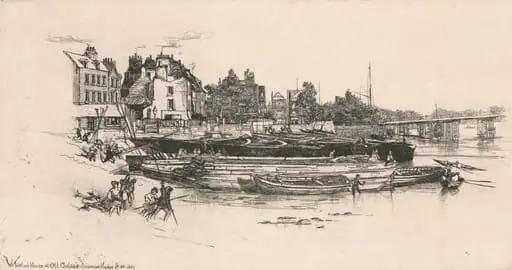 Whistler's House at Old Chelsea