Artwork
The Horoscope
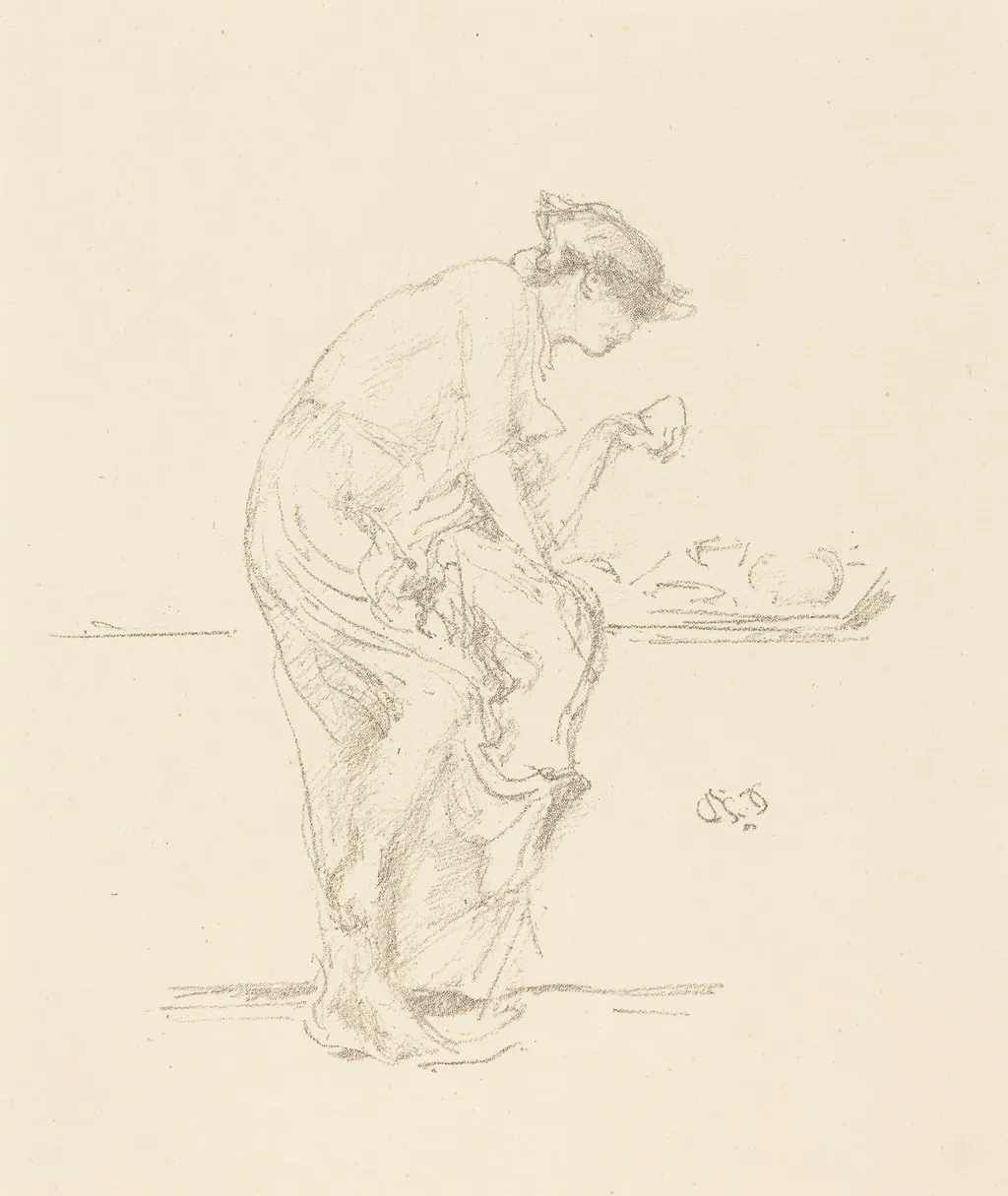
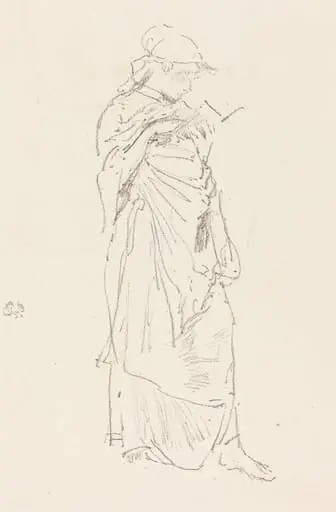
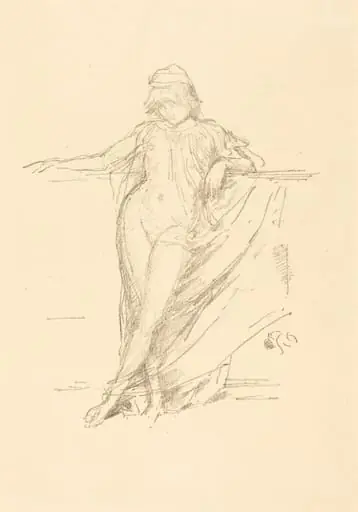
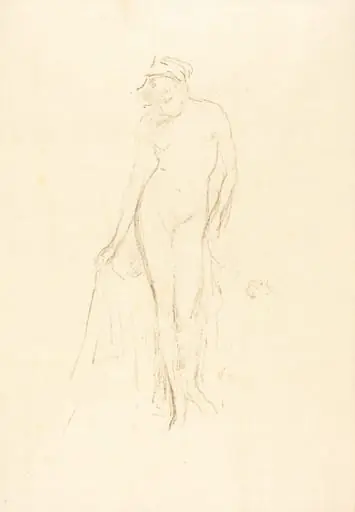
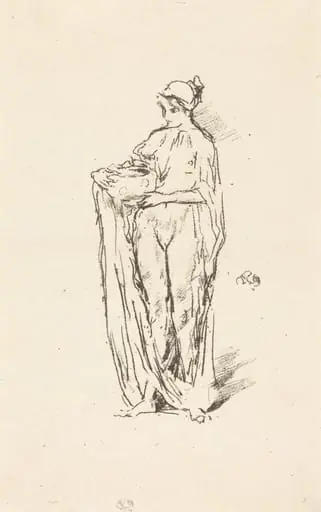
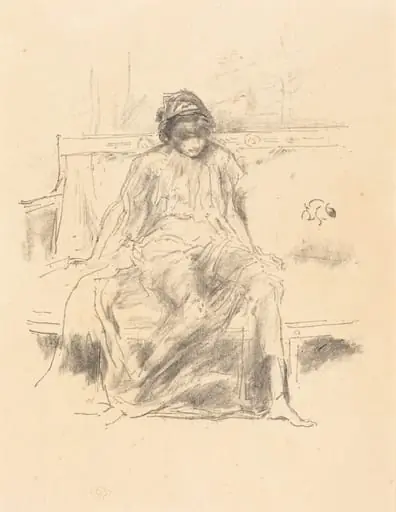
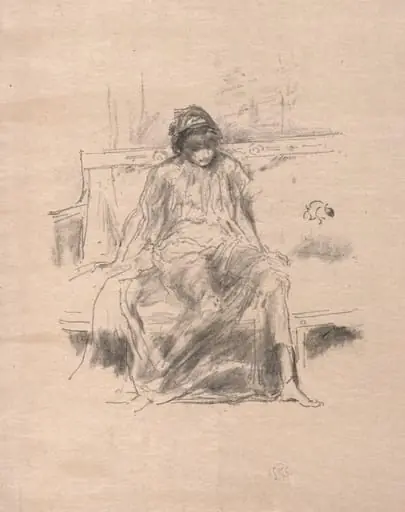
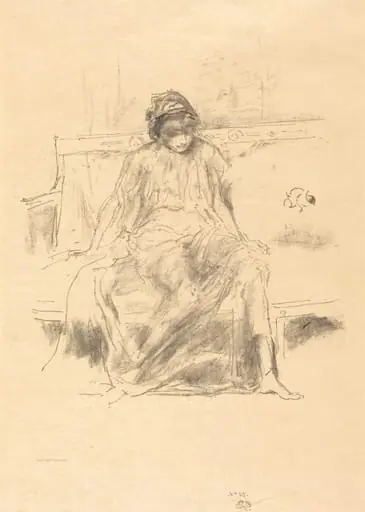
The Horoscope is an ink print by the Impressionist artist James McNeill Whistler. It dates from 1889 and is held in the collection of the National Gallery of Art.
About this work
Overview
This print reflects his commitment to formal harmony and quiet observation, diverging from narrative drama in favor of subtle mood and composition.
Created around 1889, *The Horoscope* is a lithograph by James McNeill Whistler, executed in black ink on laid paper. Though best known for his paintings, Whistler produced a significant body of graphic work during this period, exploring intimate subjects with restrained technique. This print reflects his commitment to formal harmony and quiet observation, diverging from narrative drama in favor of subtle mood and composition.
Subject & Meaning
The image depicts a woman seated in repose, gazing downward at a book or document in her lap. Her relaxed posture—arm resting on the chair, legs crossed—suggests contemplation rather than action. The title implies a connection to fate or personal reflection, though Whistler offers no explicit symbolism. The subject’s anonymity and stillness invite quiet interpretation, aligning with his broader avoidance of sentimental storytelling.
Technique & Style
Whistler employed lithography to achieve a fluid, sketch-like quality, using a simple drawing tool to lay down loose, rapid lines. The surface retains the texture of the paper, enhancing the sense of spontaneity. Unlike polished commercial prints, this work embraces imperfection and haste, emphasizing the artist’s hand. The tonal range is limited to black ink, focusing attention on line and form rather than shading or detail.
History & Provenance
Produced during Whistler’s mature period, *The Horoscope* emerged from his active engagement with printmaking in the late 1880s. It was likely made for private circulation or as part of a portfolio, not for mass reproduction. While its early ownership is undocumented, it entered institutional collections in the 20th century, valued for its embodiment of Whistler’s aesthetic principles and technical experimentation.
Context
In the late 19th century, lithography was gaining traction among artists seeking alternatives to traditional etching. Whistler, influenced by Japanese prints and the Aesthetic Movement, used the medium to explore quiet, personal themes. His rejection of moral or narrative content aligned with broader artistic currents that prioritized form and atmosphere over storytelling, positioning him as a key figure in modern printmaking.
Legacy
Though less celebrated than his paintings, *The Horoscope* exemplifies Whistler’s influence on the evolution of modern graphic art. Its emphasis on economy of line and emotional restraint inspired later artists to treat printmaking as a vehicle for personal expression rather than reproduction. The work remains a quiet testament to his belief in art’s autonomy from external meaning.
Artist & collection
Artist
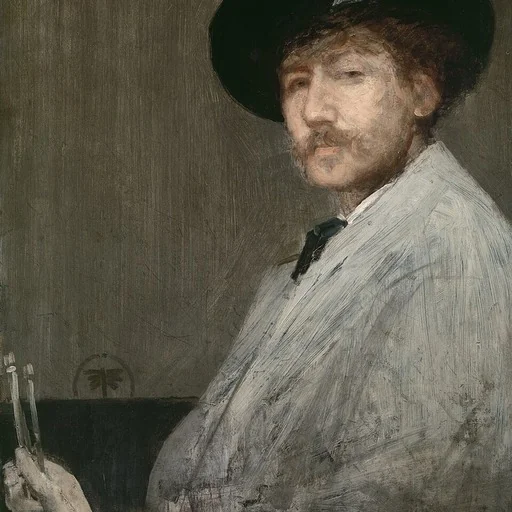
James Abbott McNeill Whistler was an American painter in oils and watercolor, and printmaker, active during the American Gilded Age and based primarily in the United Kingdom.

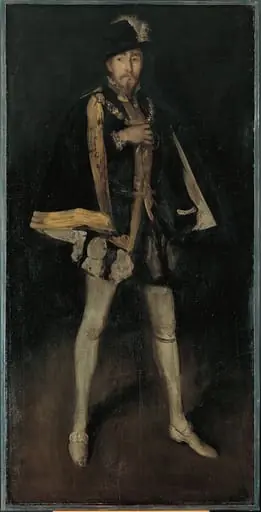 Arrangement in Black, No. 3: Sir Henry Irving as Philip II of Spain
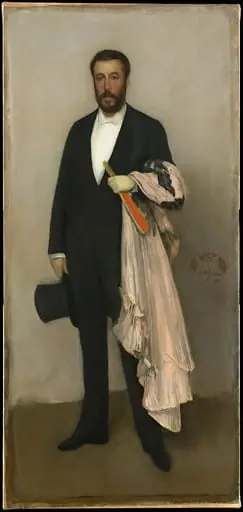 Arrangement in Flesh Colour and Black: Portrait of Theodore Duret
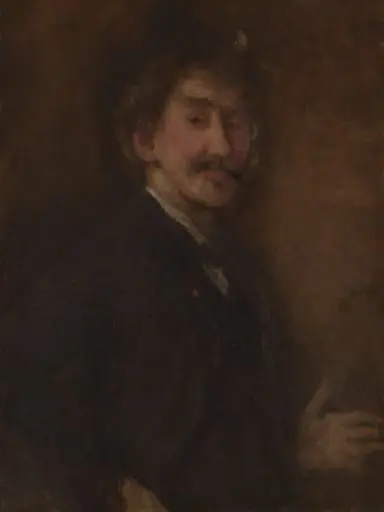 Gold and Brown: Self-Portrait
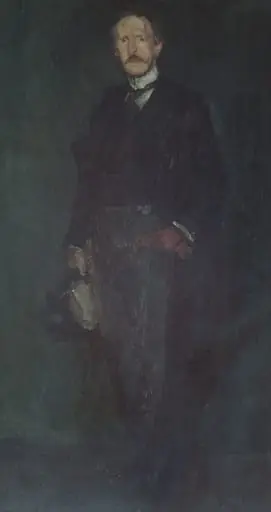 Edward Guthrie Kennedy
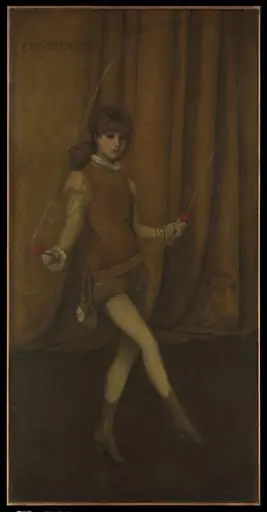 Harmony in Yellow and Gold: The Gold Girl—Connie Gilchrist
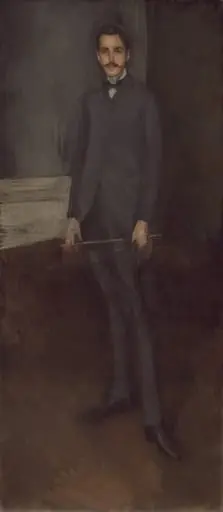 George W. Vanderbilt
 Symphony in White, No. 1: The White Girl
 Henry Irving as Philip II of Spain