Artwork
The Kitchen
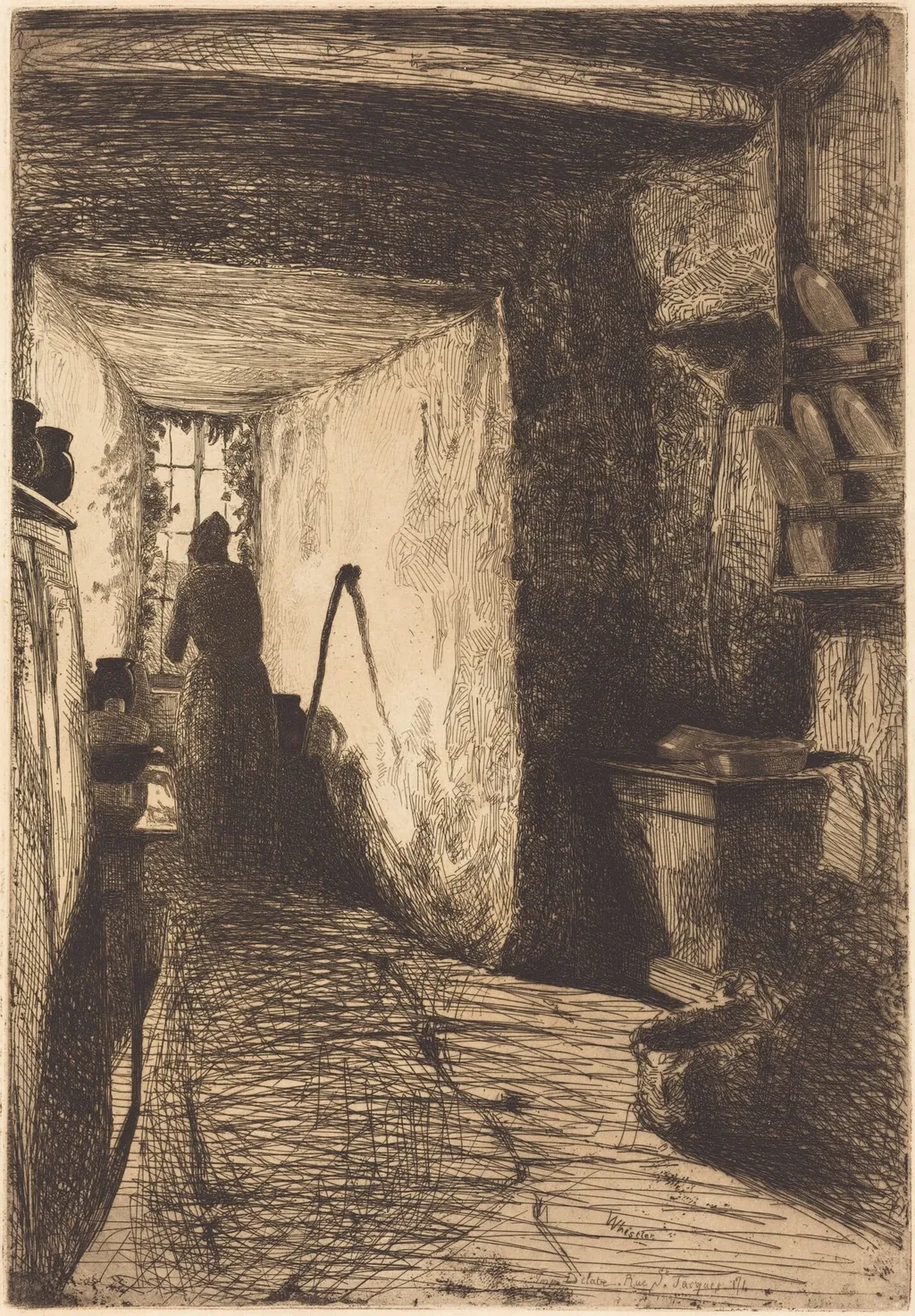
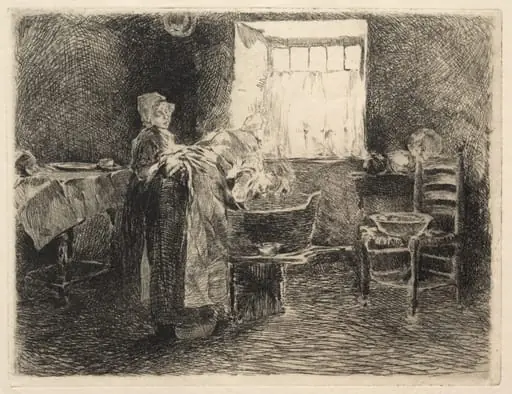
The Kitchen is an ink print by the Impressionist artist James McNeill Whistler. It dates from 1858 and is held in the collection of the National Gallery of Art.
About this work
Next, look up *etching* to see how artists like this create texture with acid and metal plates.
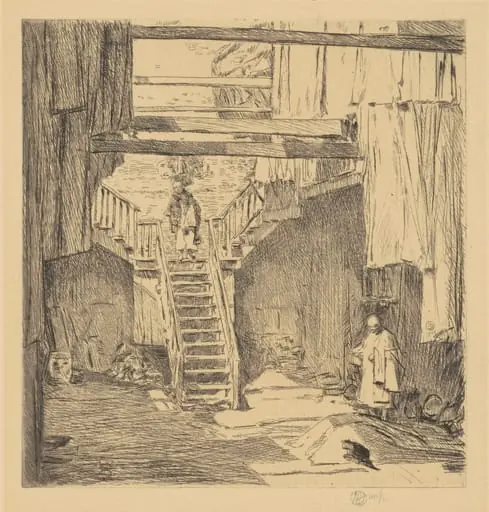
This etching shows a dimly lit room with a woman standing near a window, holding a broom. The walls are rough, and the floor looks uneven. A curtain hangs by the window, and shelves hold a few objects, like a hat and a pitcher.
The artist used sharp lines and shading to create depth, focusing on everyday details. This piece was made in 1858, blending two movements of the time.
Next, look up *etching* to see how artists like this create texture with acid and metal plates.
Overview
Created in 1858, *The Kitchen* is an etching on chine collé by James McNeill Whistler, reflecting his early engagement with printmaking. Though better known for his paintings, Whistler devoted significant attention to graphic works during this period. The piece combines the precision of etching with the delicate texture of chine collé, a technique involving thin paper bonded to a heavier support. Its intimate scale and subdued palette distinguish it from his more flamboyant later works.
Subject & Meaning
The scene portrays a quiet domestic interior: a woman stands near a window, broom in hand, surrounded by modest furnishings—a hanging curtain, uneven floor, and shelves holding a hat and pitcher. There is no narrative drama or moralizing tone. Whistler avoids sentimentality, presenting the moment as a study in presence and atmosphere. The focus lies not in action but in the stillness of ordinary life, aligned with his belief in art’s autonomy from external meaning.
Technique & Style
Whistler employed etching to render fine, controlled lines, using acid to bite into a metal plate and create tonal gradations. The addition of chine collé allowed for nuanced textural contrasts, enhancing the roughness of walls and the softness of fabric. Shading is subtle, built through cross-hatching and sparse ink deposits. The composition avoids dramatic lighting, instead relying on muted contrasts to suggest depth and spatial ambiguity, characteristic of his graphic aesthetic.
History & Provenance
Made during Whistler’s early years in London, *The Kitchen* emerged from his experimentation with printmaking after his return from Paris. It was likely produced for private circulation among artists and collectors rather than public exhibition. The work reflects his alignment with emerging European print circles that valued technical refinement over illustrative storytelling. Its survival in institutional collections suggests early recognition of its formal significance.
Context
In 1858, Whistler was navigating the tension between Romantic idealism and emerging realism in European art. *The Kitchen* aligns with the quiet observational mode of French Realists like Daumier, yet its emphasis on composition and tone anticipates Aestheticism. The use of chine collé, then gaining traction among printmakers, signaled a shift toward artisanal, limited-edition works. This piece sits at the intersection of documentary observation and formal experimentation.
Legacy
Though not widely exhibited in Whistler’s lifetime, *The Kitchen* exemplifies his early commitment to print as an independent art form. Its restrained approach influenced later generations of printmakers who prioritized mood and technique over narrative. The work remains a quiet testament to his evolving philosophy—that art’s value resides in its formal qualities, not its subject matter or moral message.
Artist & collection
Artist
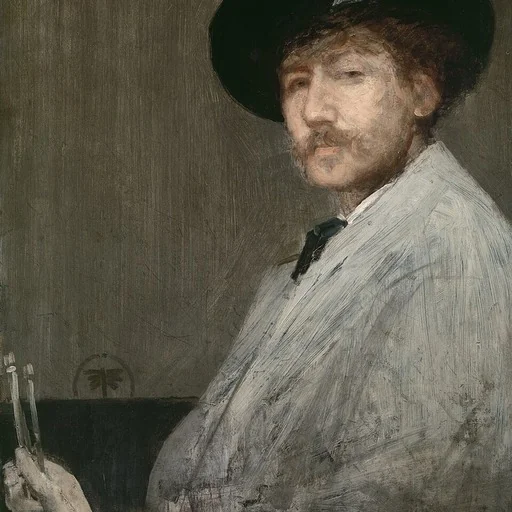
James Abbott McNeill Whistler was an American painter in oils and watercolor, and printmaker, active during the American Gilded Age and based primarily in the United Kingdom.

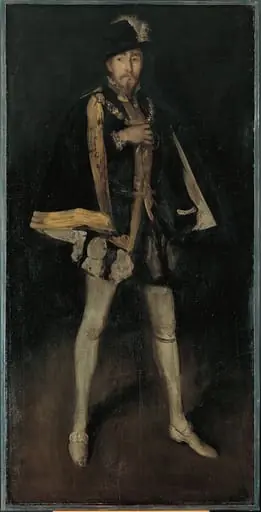 Arrangement in Black, No. 3: Sir Henry Irving as Philip II of Spain
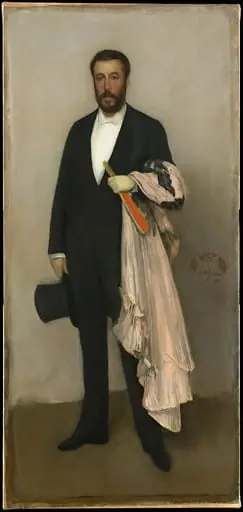 Arrangement in Flesh Colour and Black: Portrait of Theodore Duret
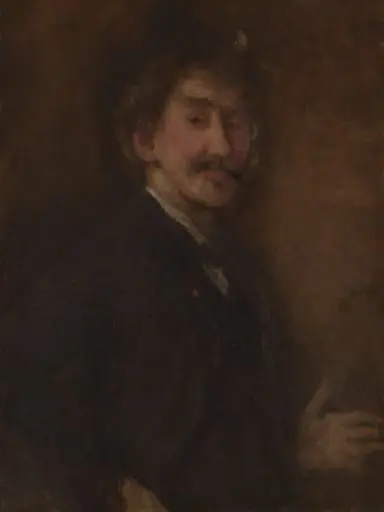 Gold and Brown: Self-Portrait
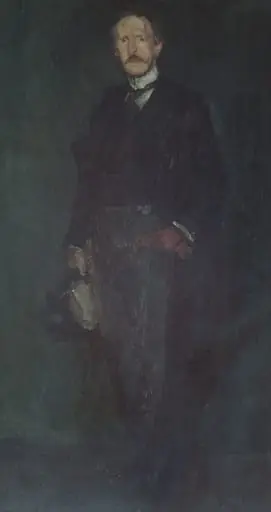 Edward Guthrie Kennedy
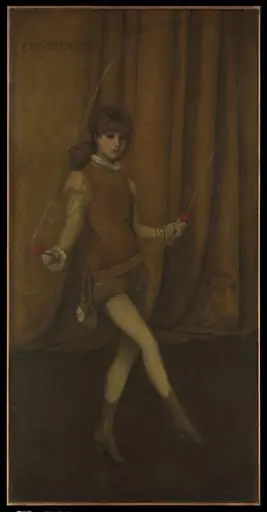 Harmony in Yellow and Gold: The Gold Girl—Connie Gilchrist
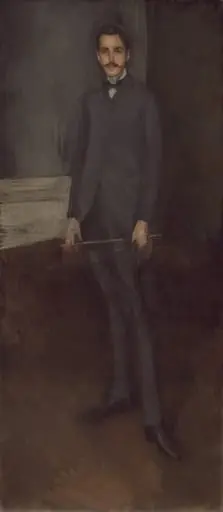 George W. Vanderbilt
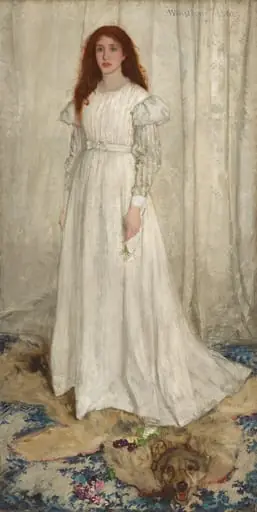 Symphony in White, No. 1: The White Girl
 Henry Irving as Philip II of Spain
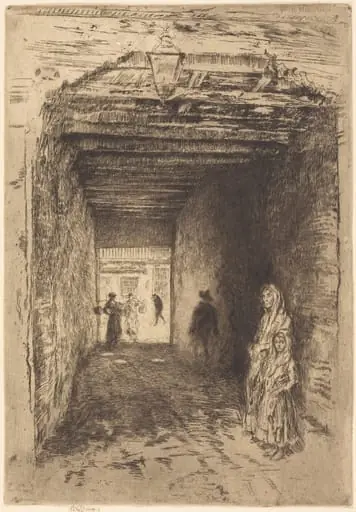
![House of Dante da Castiglione [Casa di Dante da Castiglione], by Telemaco Signorini](https://artifactworldgallery.com/img/telemaco-signorini--house-of-dante-da-castiglione-casa-di-dante-da-castiglione--92db125a9a8d04db-w320.webp)