Artwork
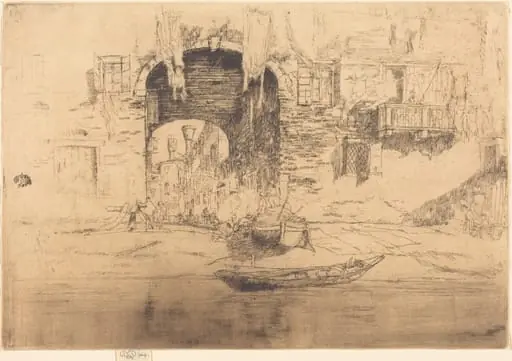
Two Doorways
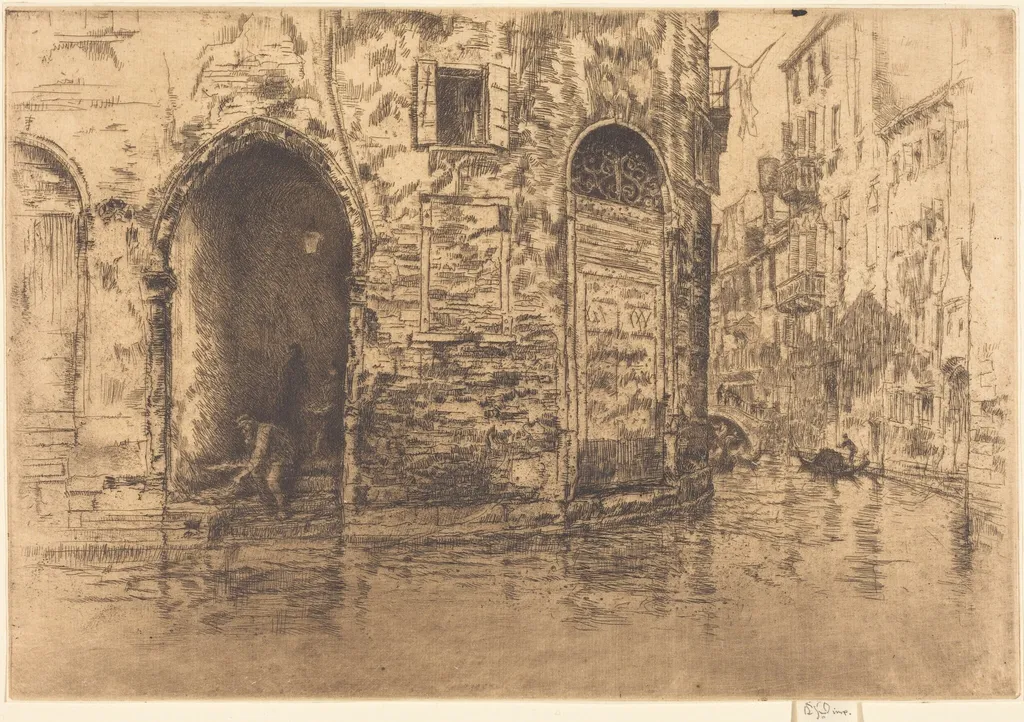
Two Doorways is an ink print by the Impressionist artist James McNeill Whistler. It dates from 1880 and is held in the collection of the National Gallery of Art.
About this work
Overview
As part of his broader engagement with printmaking, this work reflects his interest in quiet, atmospheric studies rather than narrative storytelling.
Created in 1880, *Two Doorways* is a print by James McNeill Whistler, executed in etching and drypoint on laid paper using dark brown ink. As part of his broader engagement with printmaking, this work reflects his interest in quiet, atmospheric studies rather than narrative storytelling. It belongs to a series of architectural fragments that prioritize tonal harmony and surface texture over figural content, consistent with his aesthetic philosophy of art for art’s sake.
Subject & Meaning
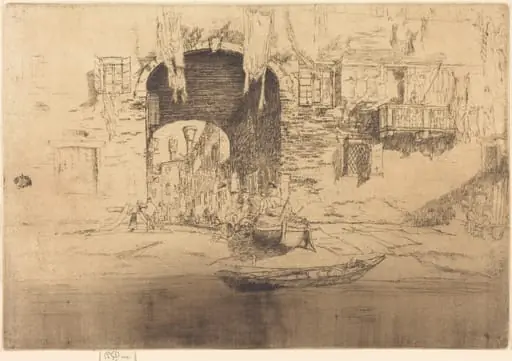
The image depicts two arched openings in a weathered stone wall—one dark and void, the other containing a faintly suggested window. The absence of figures or clear narrative invites contemplation of space, decay, and light. Whistler treats the architecture not as a historical record but as a composition of form and shadow, emphasizing the poetic potential of ruin and the quiet dignity of neglected structures.
Technique & Style
Whistler employed fine, controlled lines in etching and the richer, more expressive strokes of drypoint to render the roughness of stone and the depth of shadow. The paper’s laid texture enhances the tactile quality of the surface, while subtle ink variations create a range of grays that suggest age and erosion. His method prioritizes atmospheric effect over detail, revealing his mastery of tonal gradation in monochrome.
History & Provenance
This print was made during Whistler’s mature period in London, when he was deeply immersed in printmaking alongside his painting. It was likely produced for private circulation among collectors and fellow artists rather than public exhibition. No record of early ownership is widely documented, but it entered institutional collections in the 20th century as interest in his graphic work grew.
Context
In the 1880s, Whistler was part of a movement that rejected didactic art in favor of sensory and formal experience. His architectural studies, including *Two Doorways*, aligned with contemporary European interests in the aesthetic qualities of decay and urban transformation. These works responded to the changing cityscape and the rise of photography, offering a handcrafted alternative focused on mood rather than documentation.
Legacy
Whistler’s etchings, including this one, influenced later generations of printmakers who valued subtlety and restraint. His approach to architectural subjects as vehicles for tonal experimentation helped redefine printmaking as a medium for personal expression rather than reproduction. *Two Doorways* remains a quiet example of his enduring contribution to the modernist reimagining of traditional techniques.
Artist & collection
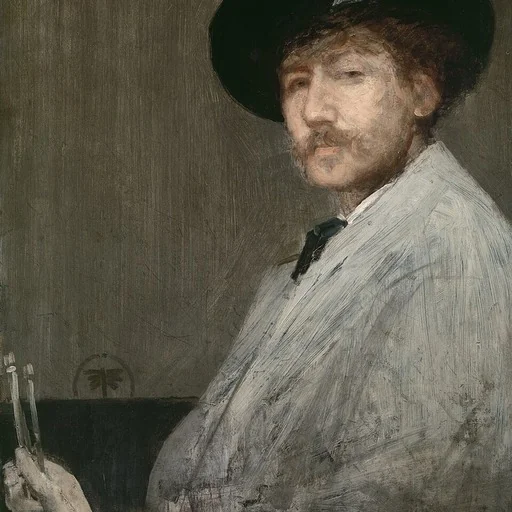
Artist
James Abbott McNeill Whistler was an American painter in oils and watercolor, and printmaker, active during the American Gilded Age and based primarily in the United Kingdom.

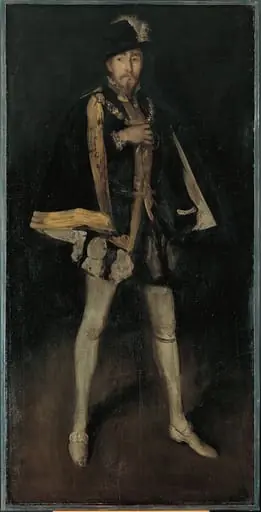 Arrangement in Black, No. 3: Sir Henry Irving as Philip II of Spain
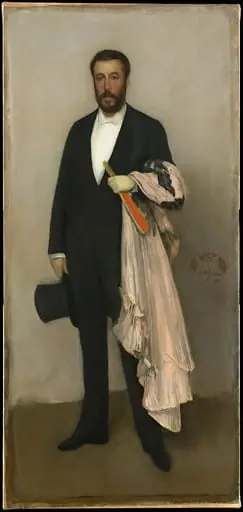 Arrangement in Flesh Colour and Black: Portrait of Theodore Duret
 Gold and Brown: Self-Portrait
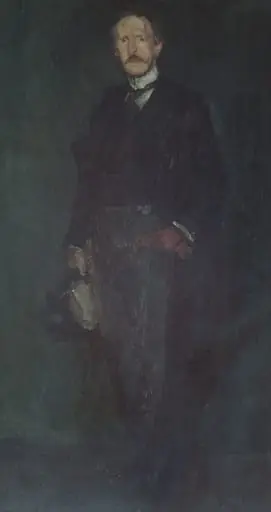 Edward Guthrie Kennedy
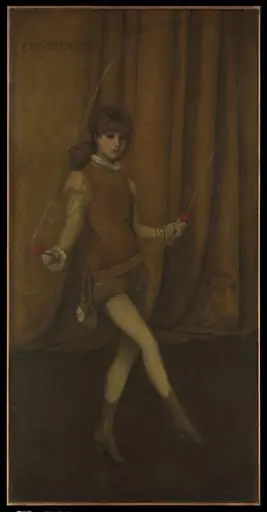 Harmony in Yellow and Gold: The Gold Girl—Connie Gilchrist
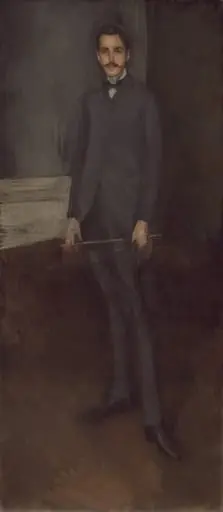 George W. Vanderbilt
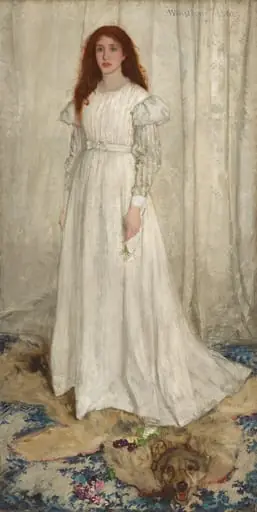 Symphony in White, No. 1: The White Girl
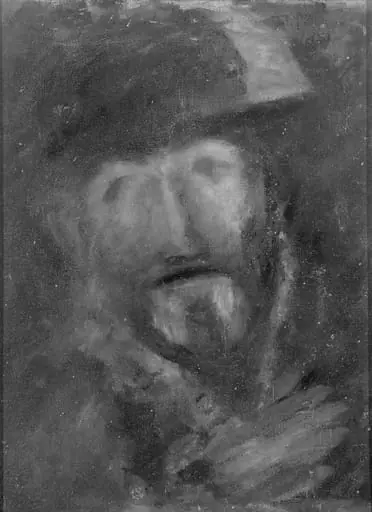 Henry Irving as Philip II of Spain