Artwork
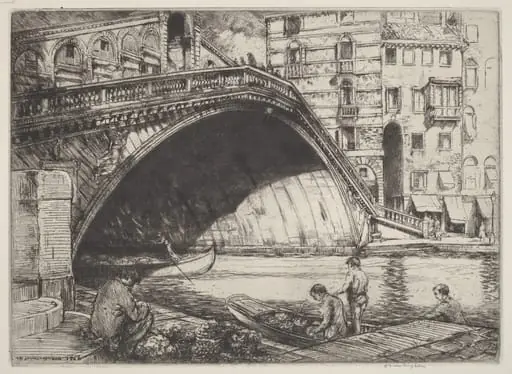
Rio delle Verona, Venice
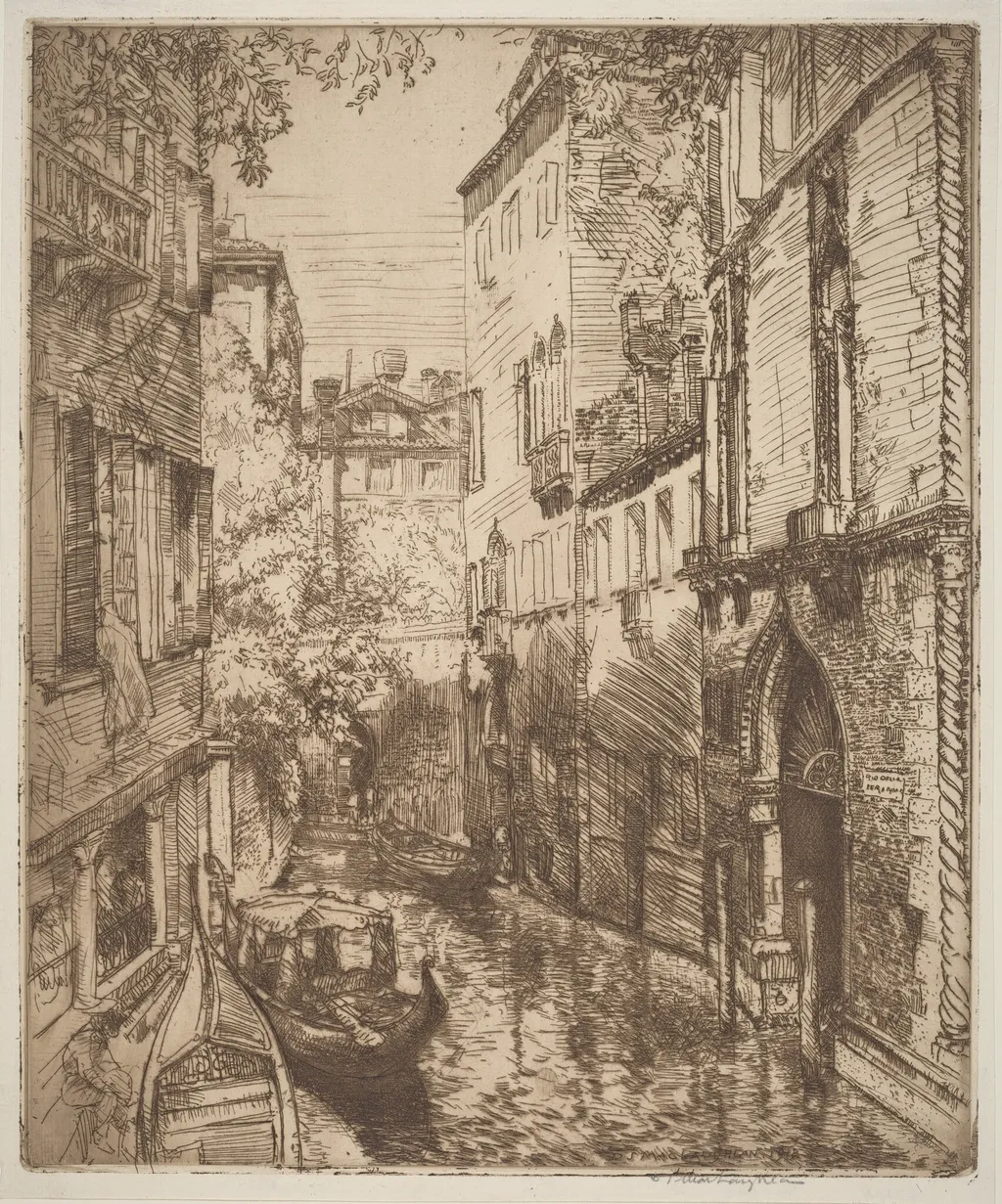
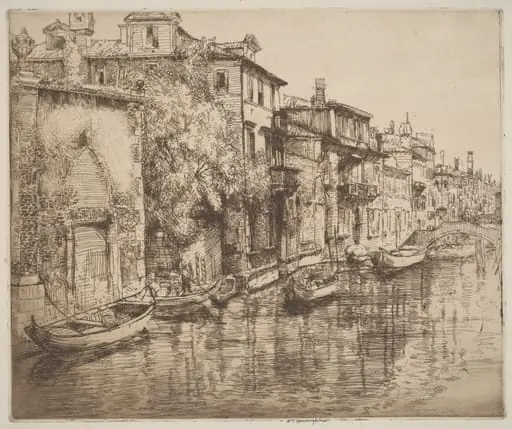
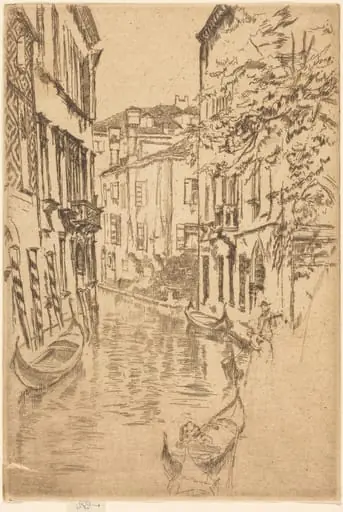
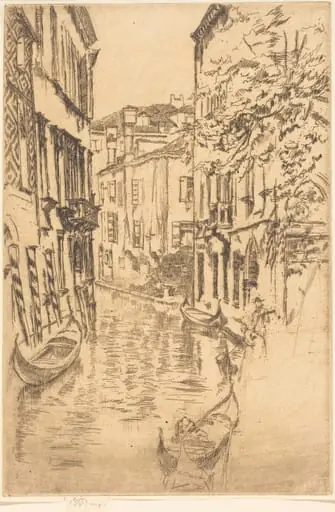
Rio delle Verona, Venice is an ink print by Donald Shaw MacLaughlan. It dates from 1912 and is held in the collection of the National Gallery of Art.
About this work
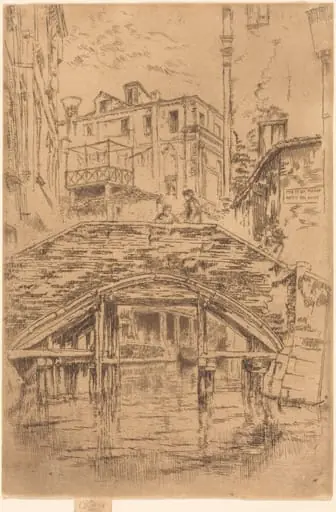
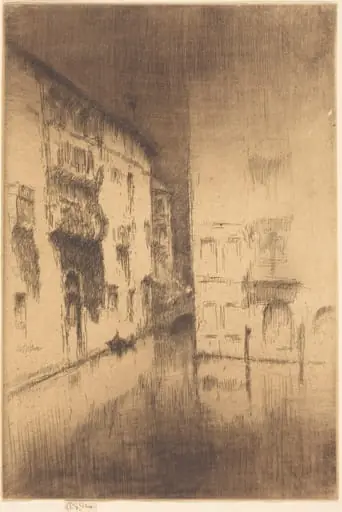
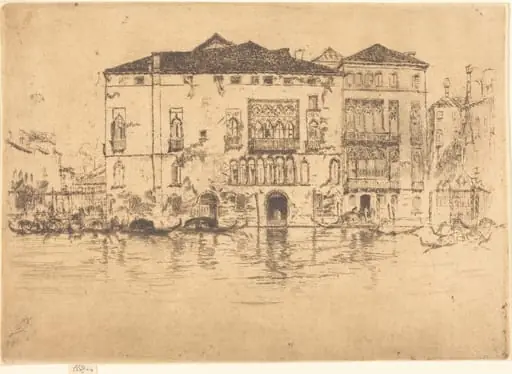
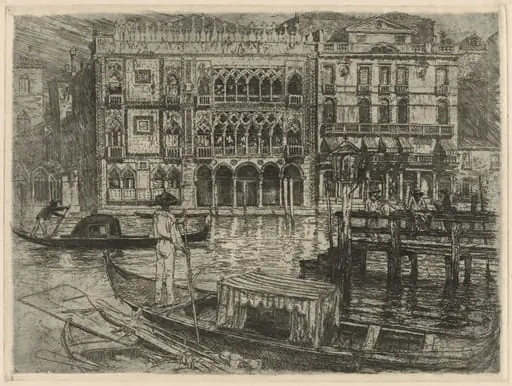
You see a quiet Venice canal in black and white. The water is calm. Old buildings lean over the edge. A boat floats near the center.
This is an etching from 1912. It shows Venice like a memory. The artist used sharp lines to catch the light on the water.
Check out how etching works. Look up “etching” to see how artists carve images into metal plates.
Overview
Donald Shaw MacLaughlan’s 1912 etching titled Rio delle Verona, Venice captures a tranquil canal scene in monochrome. The composition centers on a solitary boat drifting amid still water, flanked by historic façades that tilt inward over the water’s edge. The work’s restrained palette and precise rendering convey a quiet, reflective atmosphere typical of early twentieth‑century printmaking.
Subject & Meaning
The image presents a narrow Venetian waterway, its calm surface mirroring the surrounding architecture. By isolating a single vessel and omitting bustling crowds, the artist emphasizes solitude and the timeless quality of the city’s built environment. The scene invites contemplation of Venice’s layered history, where everyday life unfolds beneath a veil of quiet stillness.
Technique & Style
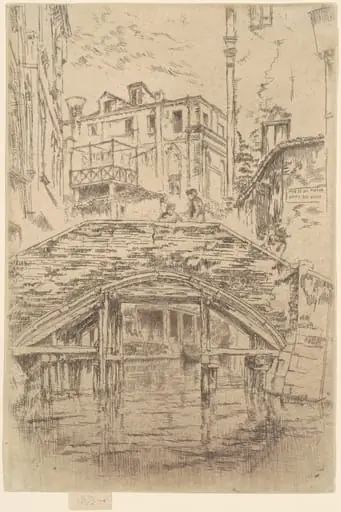
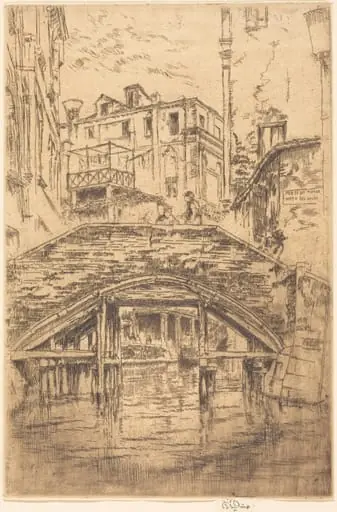
Executed as an etching, the work was created by incising lines into a metal plate, which was then inked and pressed onto paper. MacLaughlan employs fine, sharply defined lines to delineate the play of light on water and the texture of stone. The high contrast between deep blacks and delicate whites enhances the sense of depth and atmospheric calm.
History & Provenance
Produced in 1912, the print reflects the period’s interest in documenting European locales through print media. While specific ownership records are limited, the work is catalogued among MacLaughlan’s early 20th‑century prints, illustrating his engagement with architectural subjects and his contribution to the etching revival of that era.
Artist & collection