Artwork
Taormina "Antichita" Giovanni Panarello
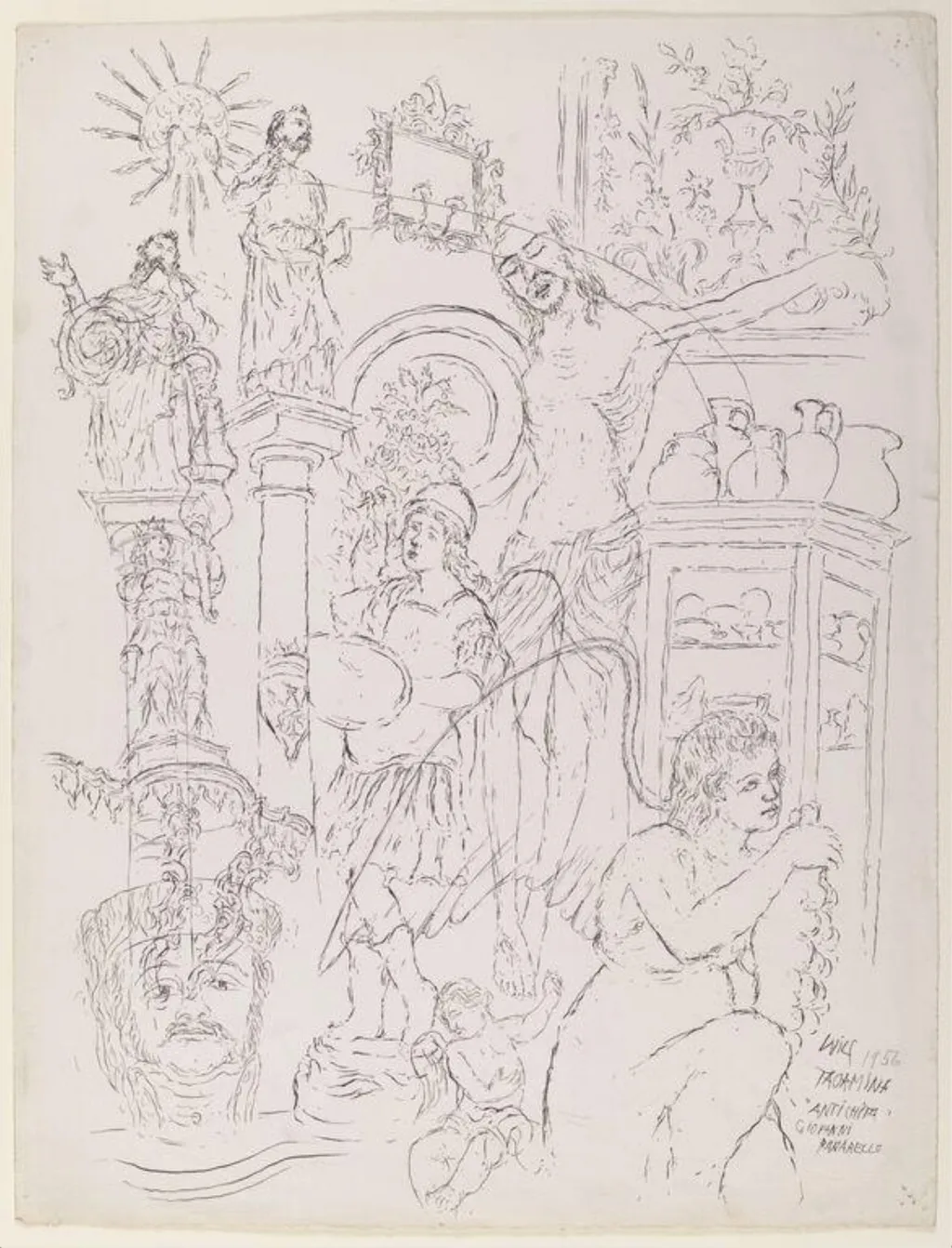
Taormina "Antichita" Giovanni Panarello is a drawing by Katerina Wilczynski. It dates from 1956 and is held in the collection of the Victoria and Albert Museum.
About this work
Overview
This pen-and-ink drawing, signed “Taormina” in the lower right, depicts a imagined interior that merges elements of ancient and Christian art. The composition is arranged around a central figure of Christ overseeing a classical soldier, while a side cabinet displays a collection of antique pottery. The work reflects the artist’s impression of the layered history of the Sicilian town of Taormina.
Subject & Meaning
The drawing juxtaposes relics of antiquity—a sculpted soldier and a cabinet of pottery—with a Christian icon, suggesting the coexistence of pagan and religious traditions in Taormina. By placing the Christ figure above the ancient soldier, the artist emphasizes the town’s continuous spiritual narrative, from its Greek foundations to its later Christian identity.
Technique & Style
Executed in fine pen and ink, the drawing relies on precise line work to render the textures of marble, pottery glaze, and fabric. The artist employs a balanced composition, using chiaroscuro through hatching to suggest depth and volume, while the arrangement of objects creates a harmonious yet scholarly tableau.
History & Provenance
Created by Polish-born artist Katerina Wilczynski (1894–1978), who worked primarily in Germany as a painter, illustrator, and etcher, the piece reflects her interest in landscape and architectural subjects. The drawing is part of a private collection that acquired it in the mid‑20th century, though its exact exhibition history remains undocumented.
Artist & collection
Artist
Katerina Wilczynski carried a tiny sketchbook everywhere she went, drawing whatever caught her eye—crumbling Roman walls, a Sicilian café’s peeling paint, the way light hit a wine bottle at lunch.

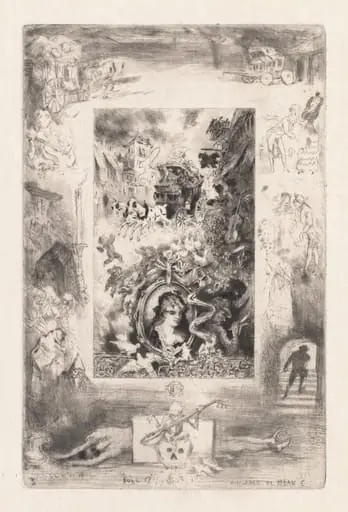 Letters from My Windmill:The Diligence of Beaucaire
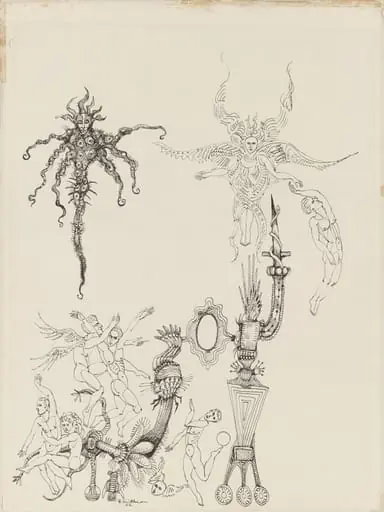 Untitled
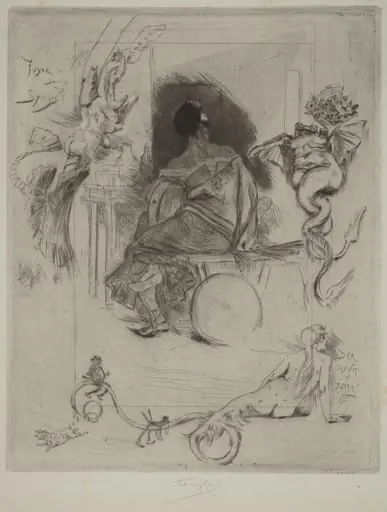 La Dernière Maja
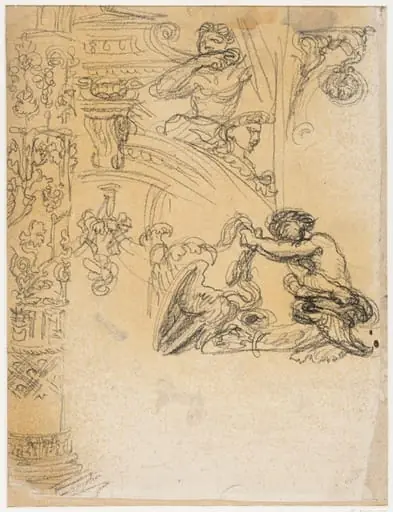 Studies by Alfred Stevens
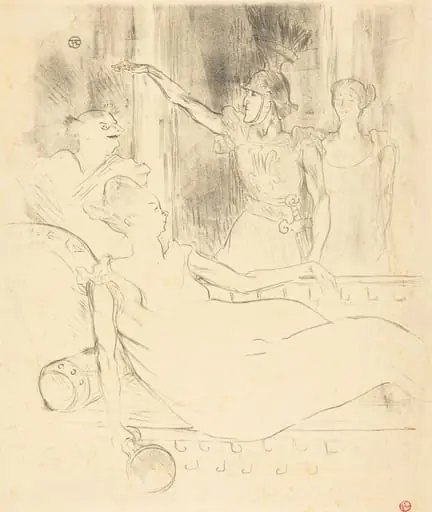 Mme. Simon-Girard, Brasseur, and Guy in "La belle Helene" (Mme. Simon-Girard, Brasseur et Guy dans "La belle Hélène")
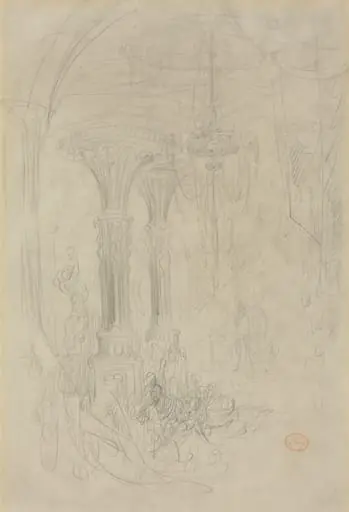 Cleopatra
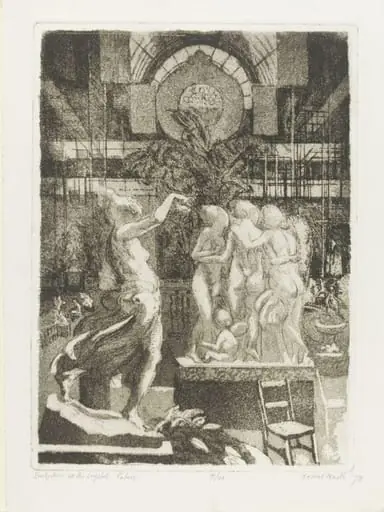 Sculpture at the Crystal Palace
 Etude
Etude Untitled
![Figure Studies [verso], by Giovanni Battista Cipriani](https://artifactworldgallery.com/img/giovanni-battista-cipriani--figure-studies-verso--9d89c1dfd297f554-w320.webp) Figure Studies [verso]
Figure Studies [verso]![La lezione di violincello [The Violin Lesson], by Mosè Bianchi](https://artifactworldgallery.com/img/mose-bianchi--la-lezione-di-violincello-the-violin-lesson--409ab16368cea0c8-w320.webp) La lezione di violincello [The Violin Lesson]
La lezione di violincello [The Violin Lesson] Roma
Roma