Artwork
Scheveningen
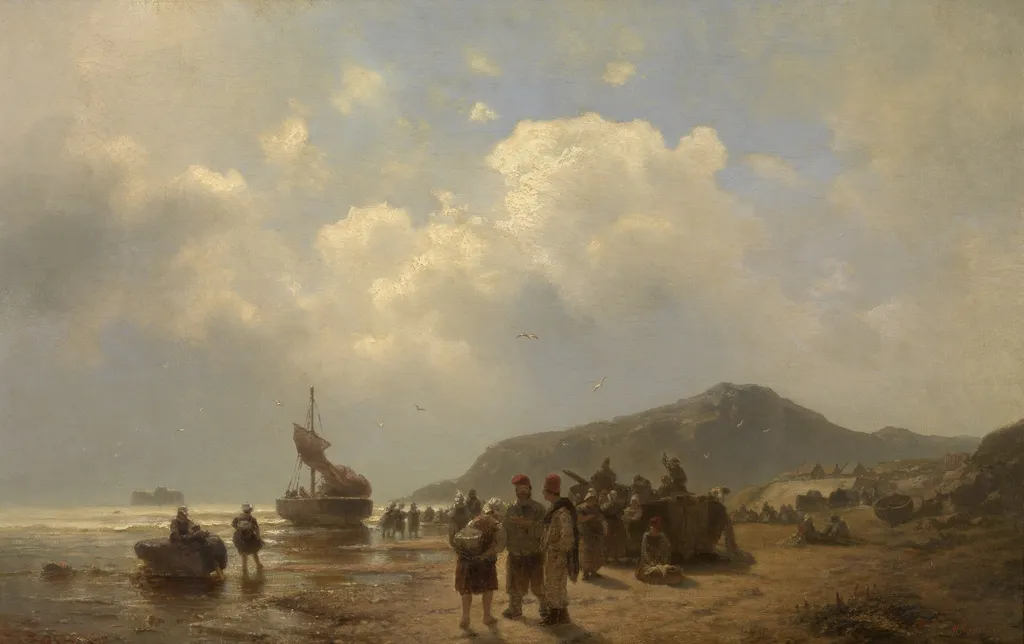
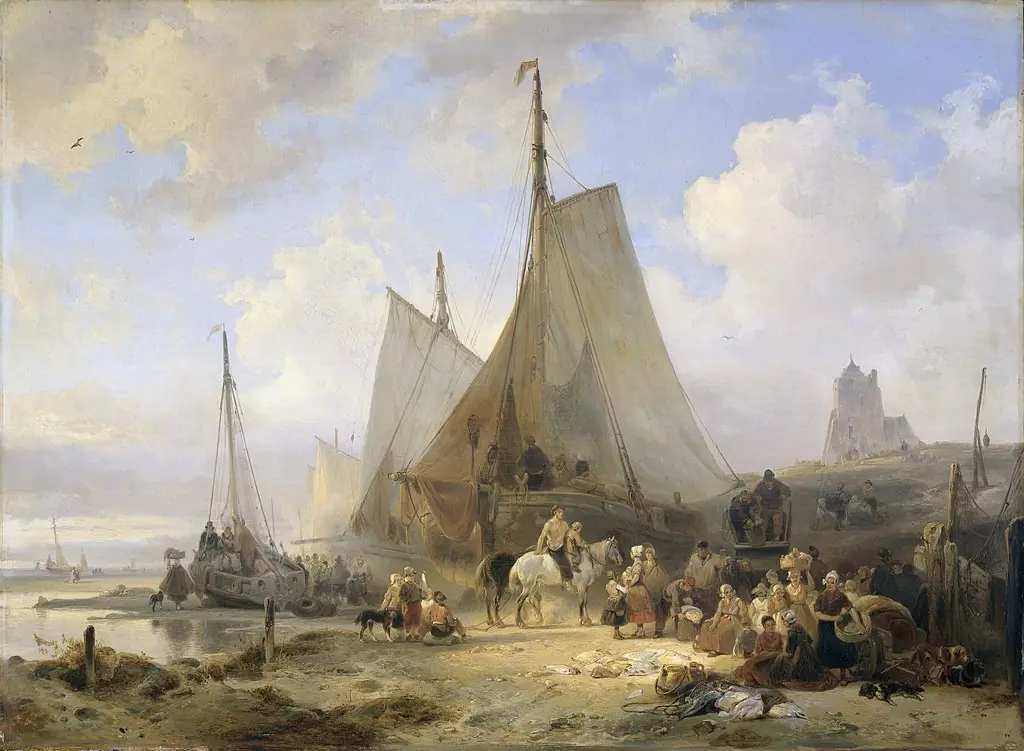
Scheveningen is an oil painting by Wilhelm Emile Mayer-Rhodius. It is held in the collection of the Royal Museum of Fine Arts Antwerp.
About this work
Overview
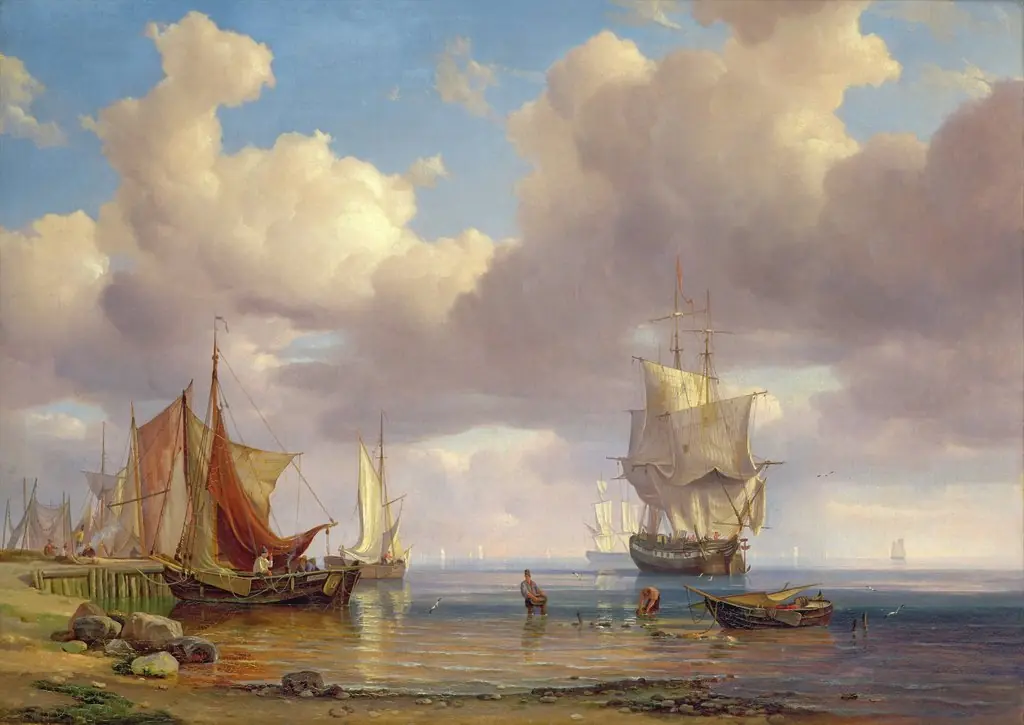
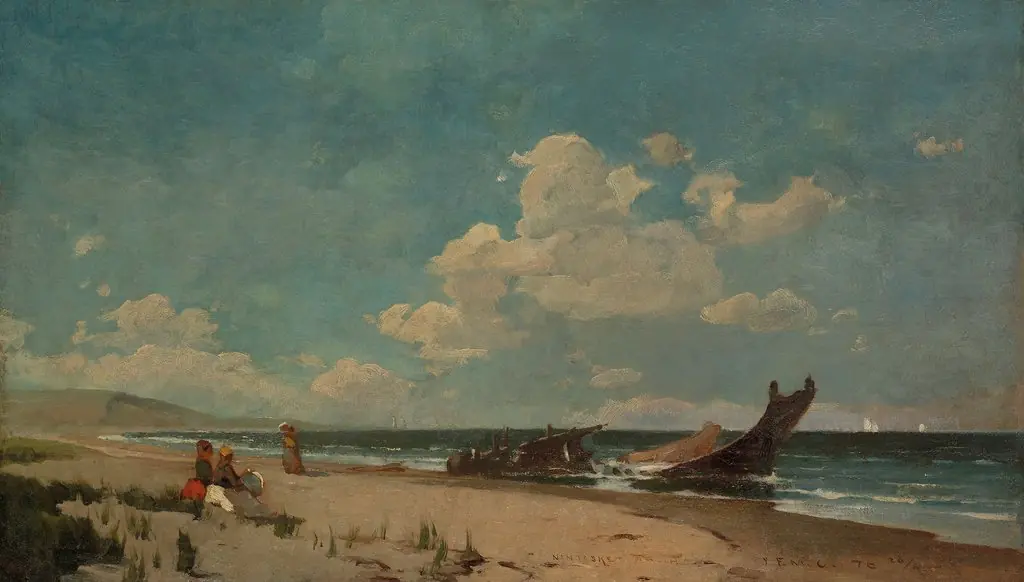
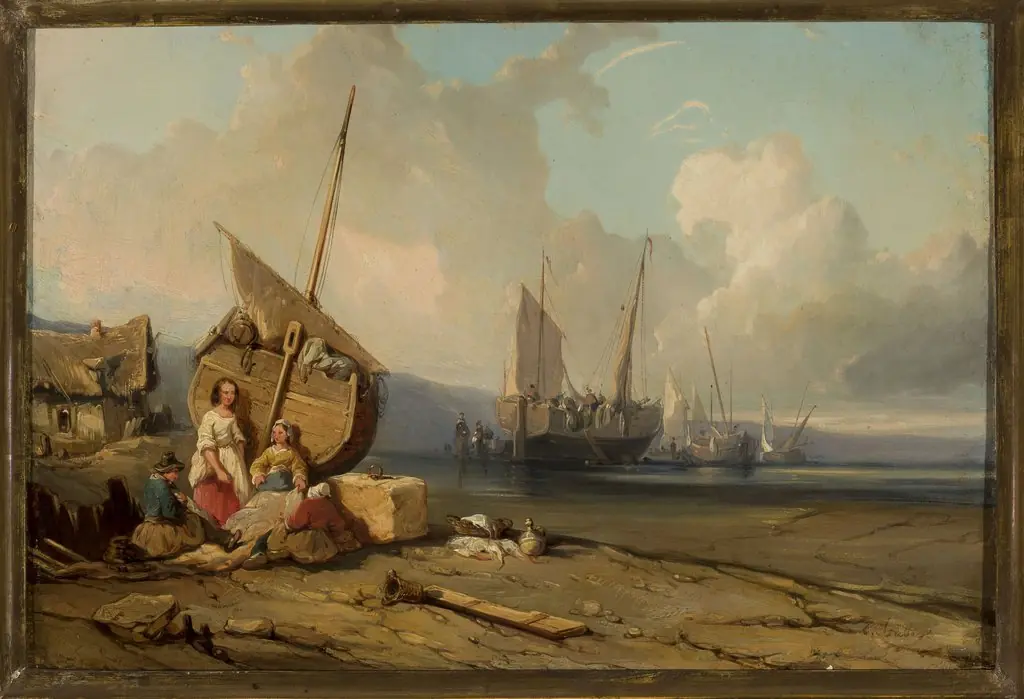
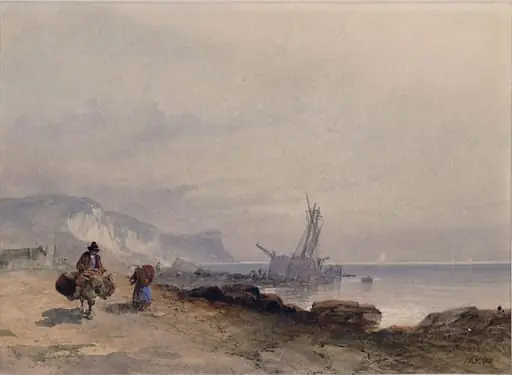
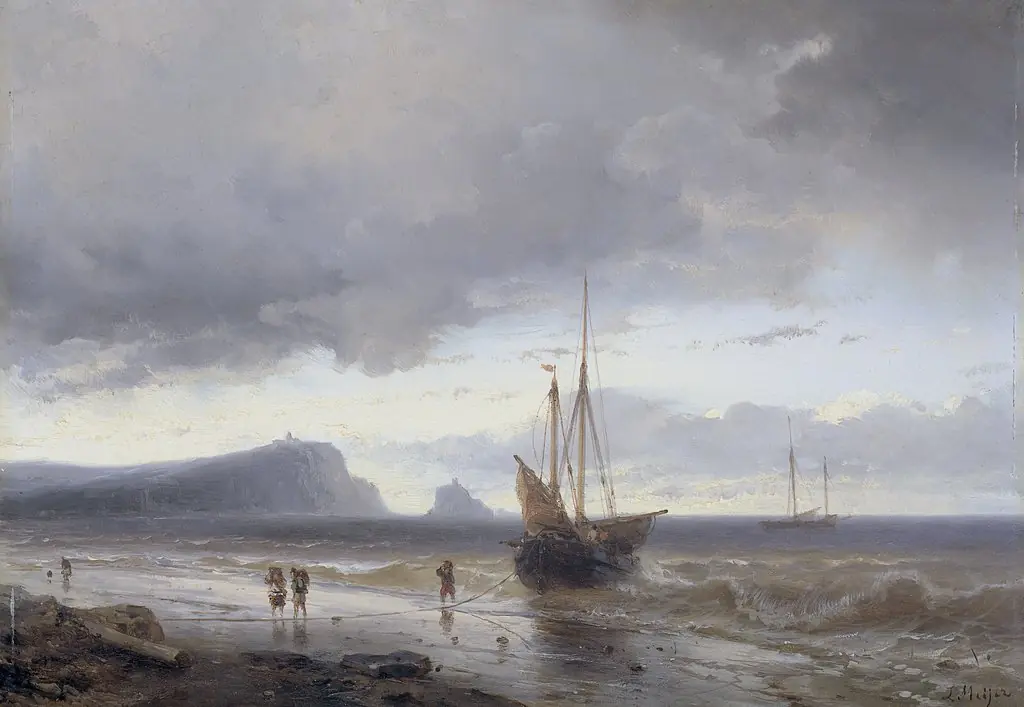
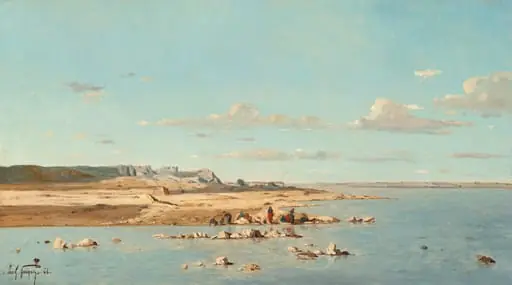
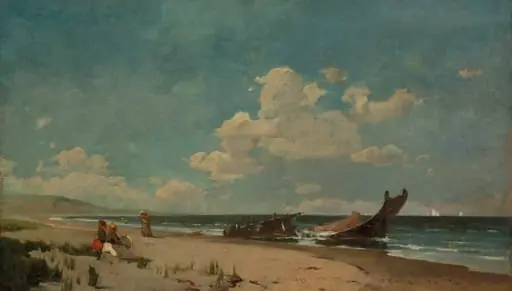
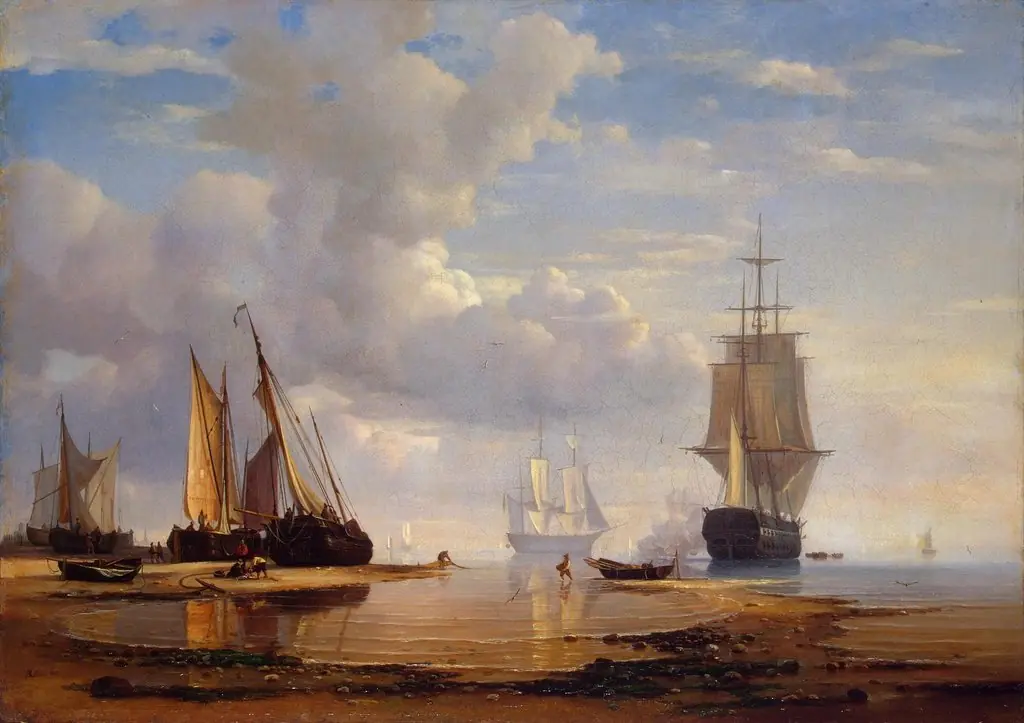
It captures a quiet moment on the beach, where figures are scattered near the water, engaged in everyday activities.
Scheveningen is an oil painting by Wilhelm Emile Mayer-Rhodius, depicting a coastal scene along the Dutch shore. The work is part of the collection at the Royal Museum of Fine Arts Antwerp. It captures a quiet moment on the beach, where figures are scattered near the water, engaged in everyday activities. The composition emphasizes stillness and subtle movement, avoiding dramatic action in favor of observed routine.
Subject & Meaning
The painting presents a group of individuals on Scheveningen’s shoreline—some conversing, others resting or working. There is no single narrative, but rather a quiet documentation of ordinary life. The absence of theatricality suggests an interest in the dignity of mundane moments. The sea and sky form a neutral backdrop, reinforcing the calm, uneventful rhythm of coastal existence.
Technique & Style
Mayer-Rhodius employs soft, muted tones to render the beach and sea, with delicate transitions between light and shadow. Brushwork is restrained, favoring smooth blending over bold strokes, which enhances the sense of atmospheric harmony. The distant boats are rendered with minimal detail, guiding the viewer’s gaze toward the horizon without disrupting the scene’s tranquility.
History & Provenance
The painting entered the collection of the Royal Museum of Fine Arts Antwerp in the late 19th or early 20th century, likely through acquisition or donation. Its origins trace to Mayer-Rhodius’s time in the Netherlands, where he observed coastal life. No significant exhibition or ownership history beyond the museum’s custody is documented, suggesting it has remained in institutional care since acquisition.
Context
Created during a period when Dutch artists increasingly turned to everyday coastal scenes, the work aligns with regional trends favoring realism over romanticism. Mayer-Rhodius, though less known than his contemporaries, participated in this quiet shift toward observational painting. The focus on Scheveningen—a working beach community—reflects a broader interest in the lives of ordinary people during the late 1800s.
Legacy
The painting contributes to a modest but persistent body of work documenting Dutch coastal life in the 19th century. While not widely reproduced or studied, it remains a representative example of regional realism. Its preservation in a major European museum underscores its value as a record of social and visual culture, rather than as a celebrated artistic achievement.
Artist & collection
Artist