Artwork
Selbstbildnis
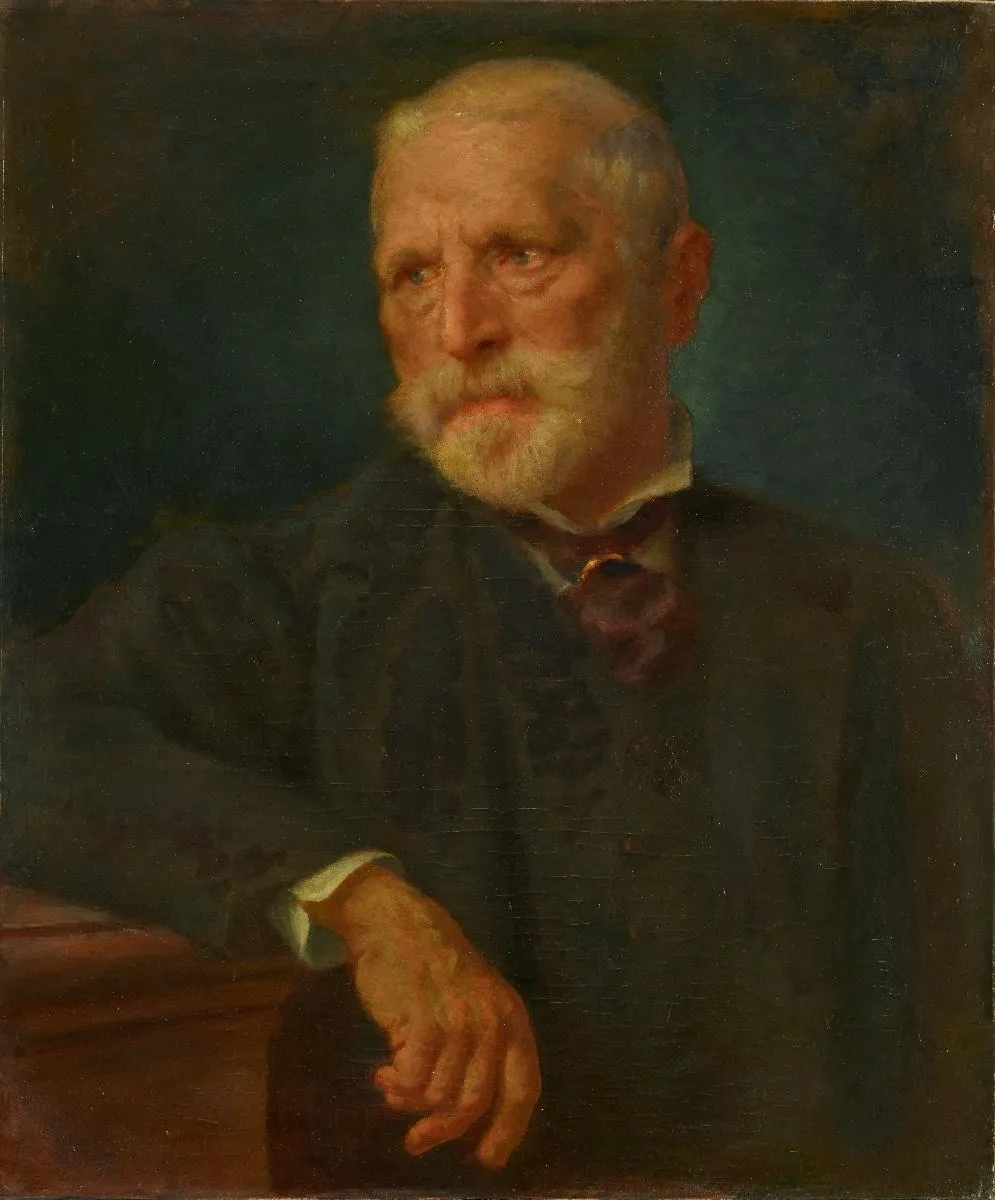
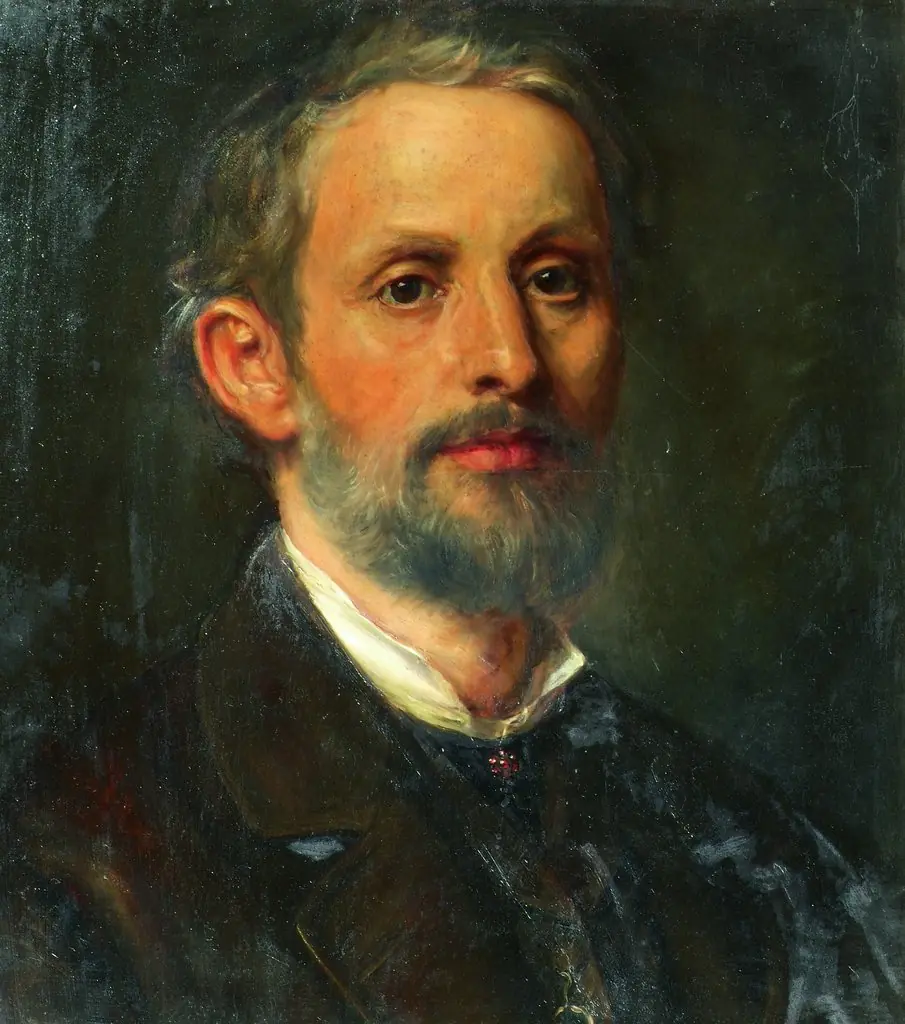
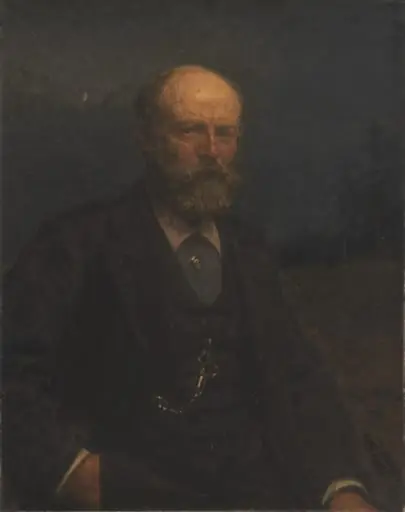
Selbstbildnis is an unspecified painting by the Art Nouveau artist Wilhelm Füssli. It dates from 1896 and is held in the collection of the Kunsthaus Zürich.
About this work
The subject's attire and hairstyle suggest a formal or professional setting, possibly from the late 19th or early 20th century.
This portrait painting features a man with a white beard and mustache, dressed in a dark jacket and tie. His right hand rests on a wooden surface, possibly a desk or table. The background is a muted blue-gray color.
The subject's attire and hairstyle suggest a formal or professional setting, possibly from the late 19th or early 20th century. The artist's use of light and shadow creates a sense of depth and dimensionality in the painting.
The painting is held at the Kunsthaus Zürich, a museum in Switzerland known for its collection of modern and contemporary art.
Overview
This 1896 oil painting by Wilhelm Füssli is a self-portrait depicting the artist in middle age. Dressed in a dark suit with a tie, he is shown seated before a plain, cool-toned background. His right hand rests on a wooden surface, suggesting a studio or study environment. The work reflects a quiet, introspective tone, typical of late 19th-century portraiture focused on personal presence rather than grandeur.
Subject & Meaning
The subject is the artist himself, rendered with deliberate restraint. His white beard and mustache, along with his formal attire, convey a sense of professional identity and maturity. The direct gaze and composed posture suggest self-awareness rather than vanity. The absence of symbolic objects or elaborate settings emphasizes the focus on the individual as a thinker or creator, not a public figure.
Technique & Style
Füssli employs subtle chiaroscuro to model the face and hands, giving them volume against the muted blue-gray background. Brushwork is controlled and precise, avoiding theatrical effects. The palette is restrained, dominated by dark tones with soft highlights on the beard and collar. The texture of the wooden surface is rendered with quiet realism, reinforcing the painting’s intimate, unadorned character.
History & Provenance
Painted in 1896, the work remained in the artist’s possession until it entered the collection of the Kunsthaus Zürich. The museum, founded in the 19th century, holds a significant collection of Swiss art, including works by Füssli’s contemporaries. The painting’s acquisition reflects institutional interest in documenting the nation’s artistic self-representation during a period of cultural consolidation.
Context
Created during a time when Swiss artists were increasingly defining a national artistic identity, Füssli’s self-portrait aligns with broader trends of introspective portraiture in Europe. Unlike grand historical or allegorical works, this image reflects a shift toward personal narrative and quiet dignity. It resonates with the values of professionalism and modesty prevalent in Swiss cultural circles at the turn of the century.
Legacy
Though not widely exhibited beyond Swiss institutions, the painting remains a key example of Füssli’s approach to self-representation. It contributes to the understanding of late 19th-century Swiss art as grounded in observation and restraint. Its presence in the Kunsthaus Zürich ensures continued access for scholars and visitors interested in the quiet traditions of European portraiture.
Artist & collection
Artist

 Selbstbildnis
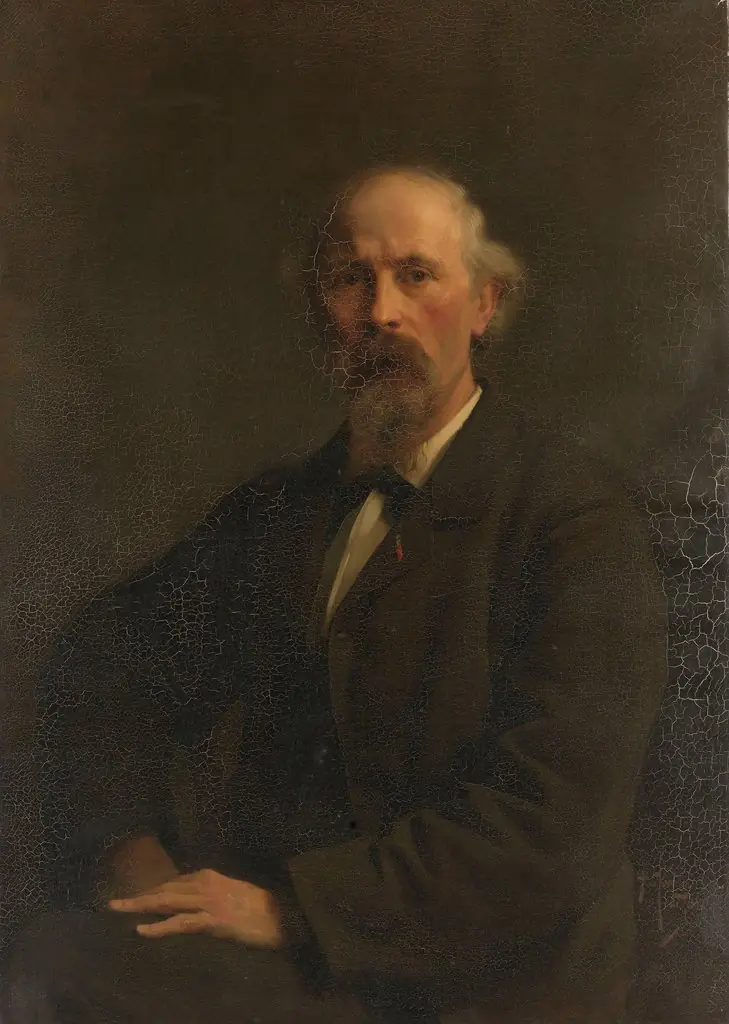 Portret van Pieter Stortenbeker (1828-1898), kunstschilder
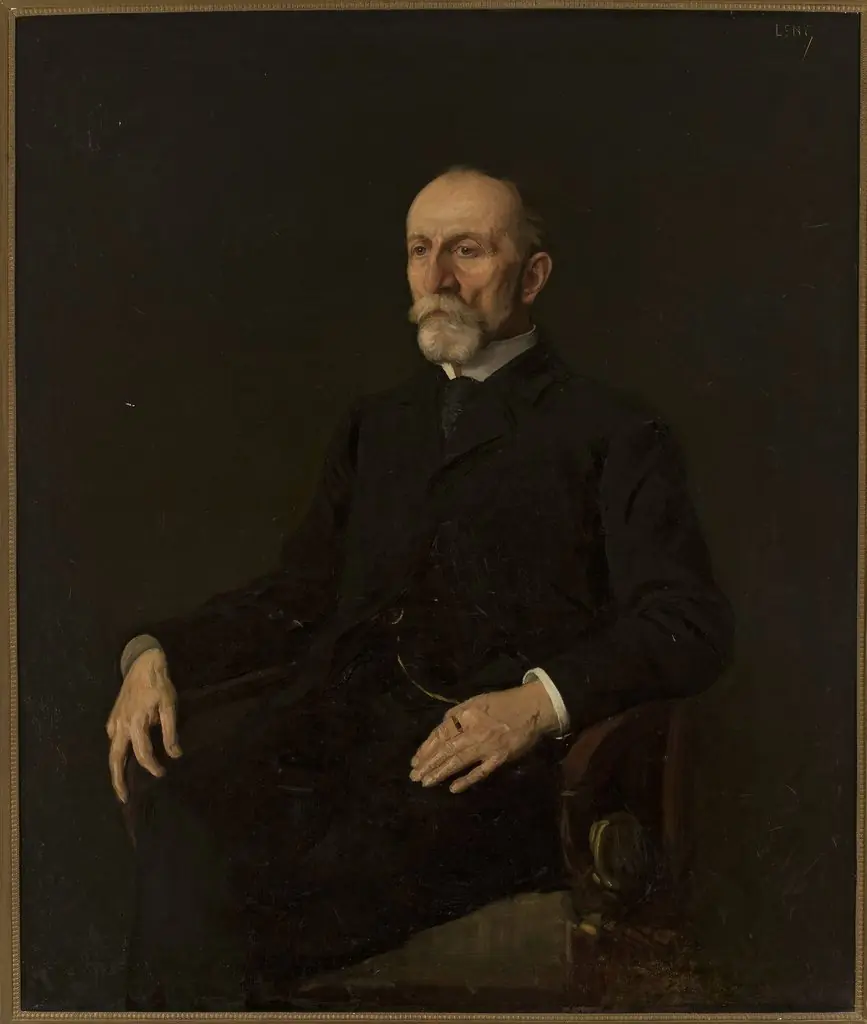 Portrait of Władysław Bogusławski
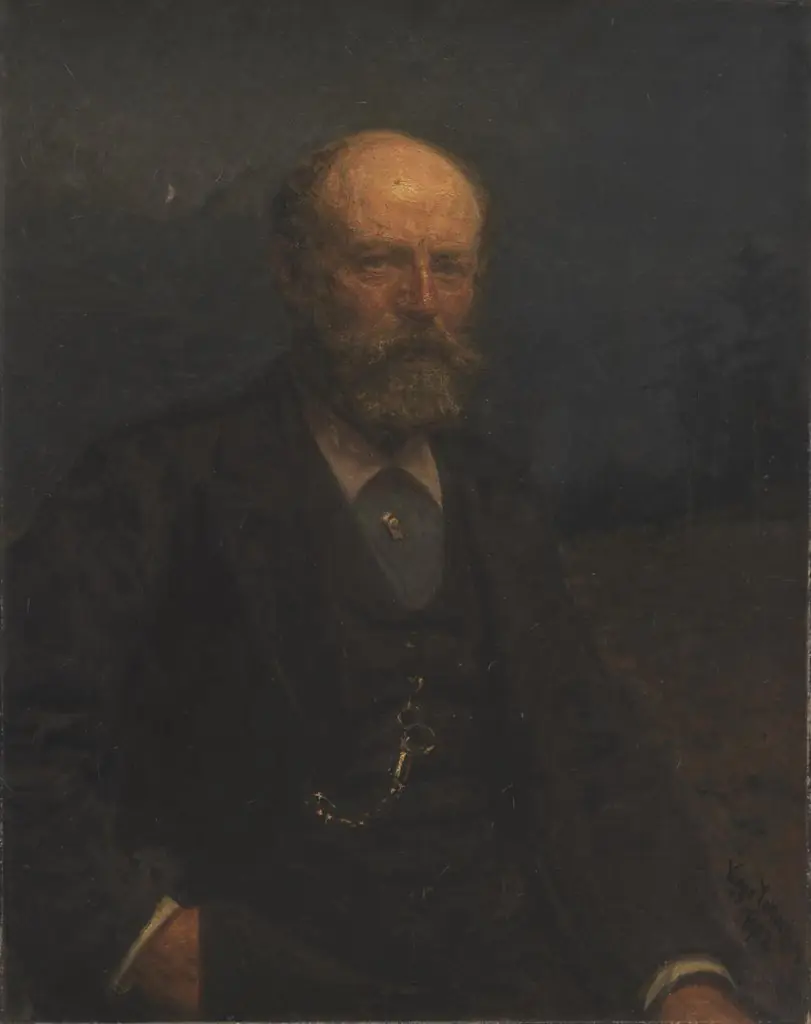 Self-Portrait
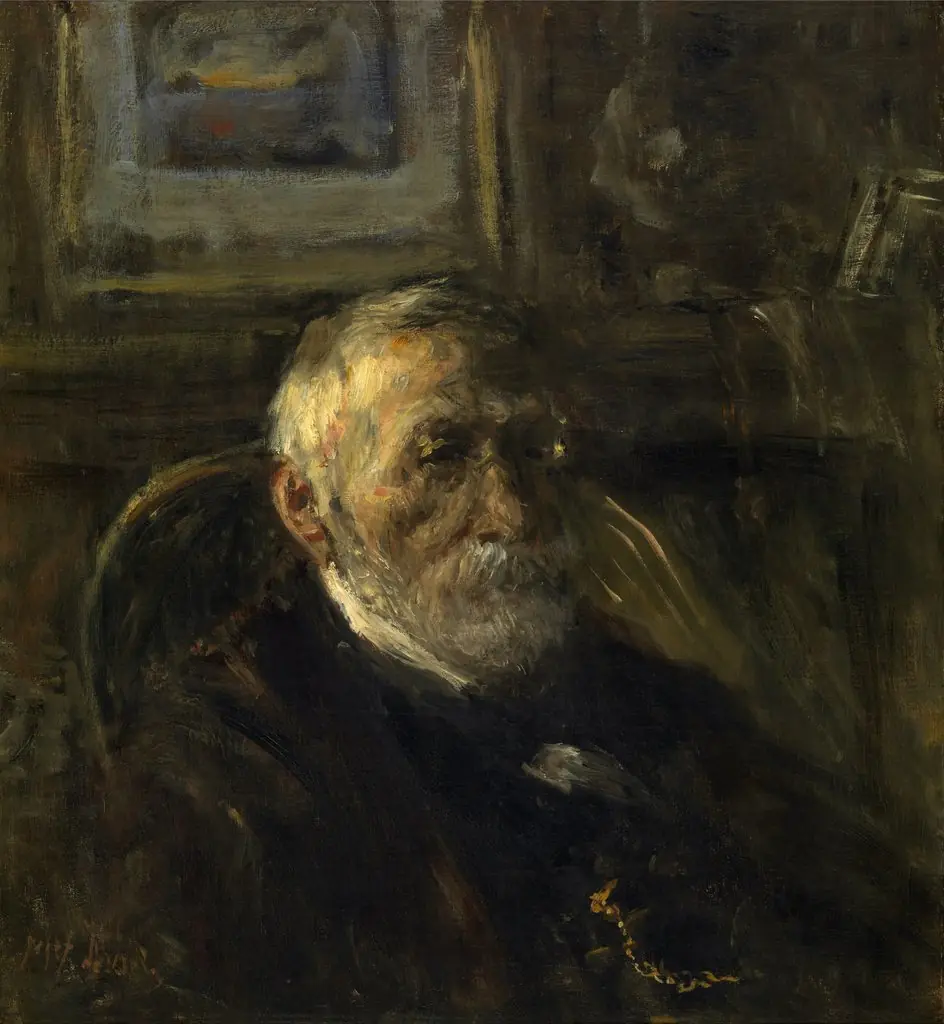 Selfportrait Jozef Israëls
 Arvid Järnefelt
 Self-Portrait
 Otto Roland Mellin
 Man with Beret
 Selbstbildnis
 Enrique Simonet y Baca, the artist’s father
 Der Maler Carl Teibler, der Vater des Künstlers