Artwork
The Lost Receipt
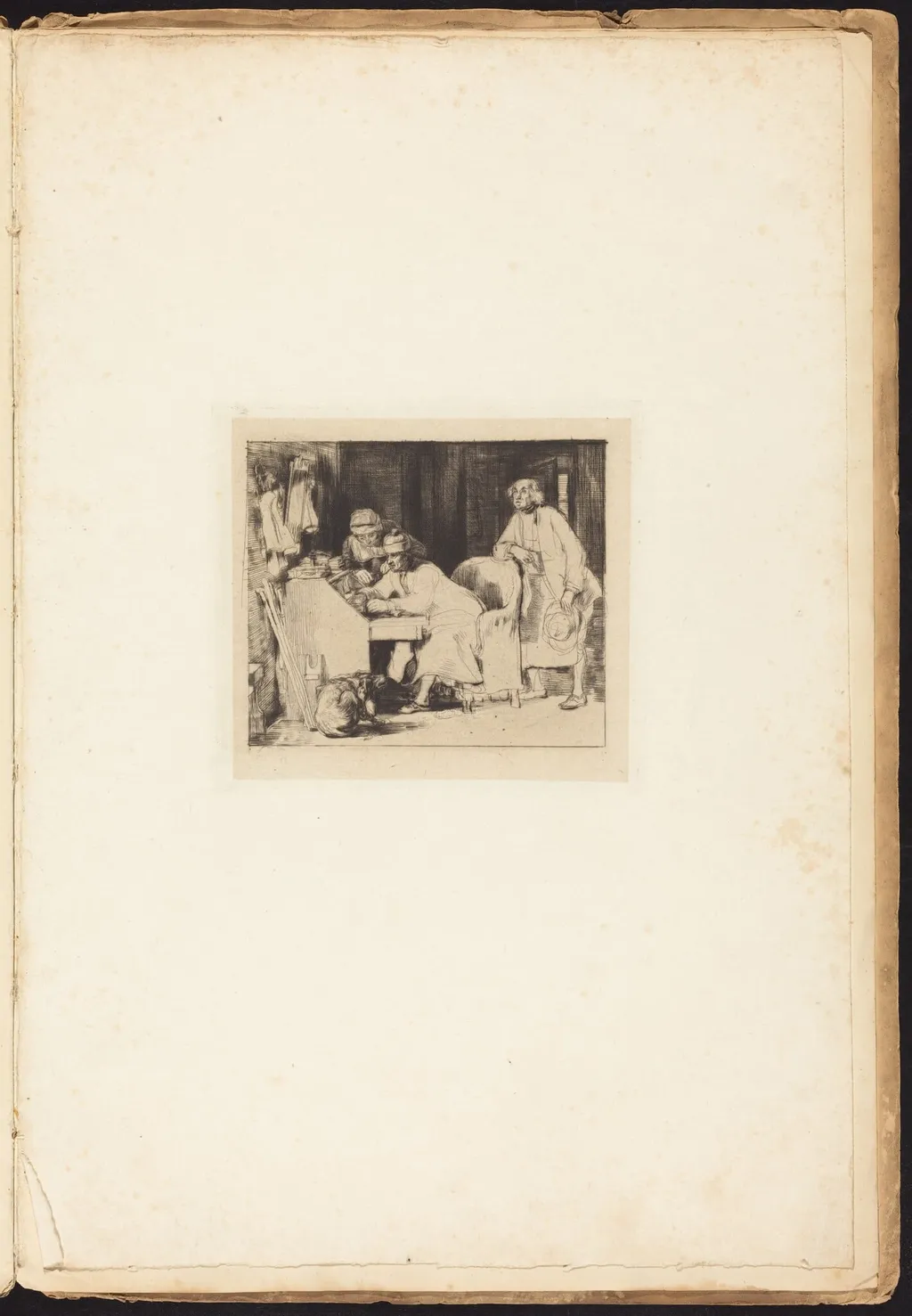
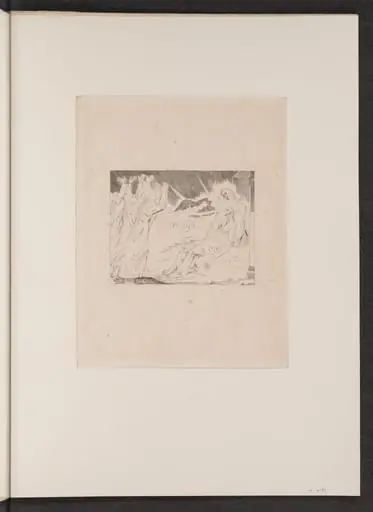
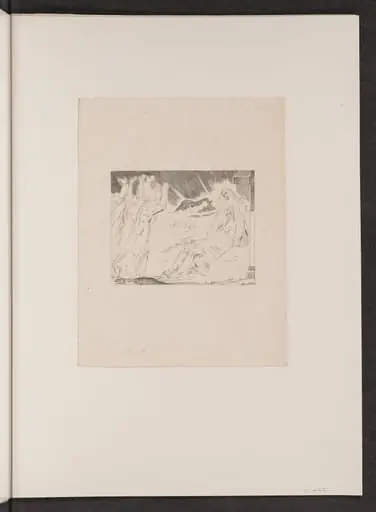
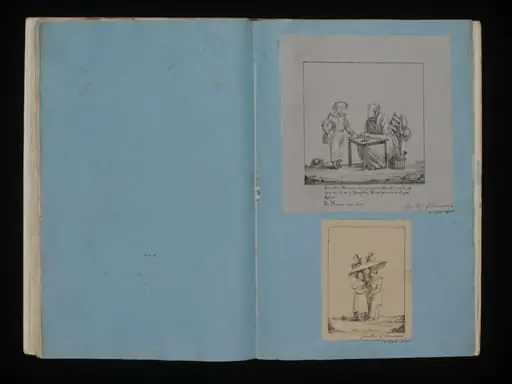
The Lost Receipt is an ink print by the Romanticist artist David, Sir Wilkie. It dates from 1817 and is held in the collection of the National Gallery of Art.
About this work
Overview
Its muted tones and tactile surface reflect Wilkie’s interest in everyday life rendered through subtle graphic means.
Created around 1817 by Sir David Wilkie, The Lost Receipt is a drypoint print on chine collé, a technique that bonds a delicate etched image to a thinner paper backing. The small-scale work captures a quiet domestic moment with intimate detail, emphasizing atmosphere over narrative. Its muted tones and tactile surface reflect Wilkie’s interest in everyday life rendered through subtle graphic means.
Subject & Meaning
The scene depicts four figures in a dim interior: a man poring over papers at a table, another holding a hat and bag as if preparing to leave, a woman seated with her gaze lowered, and a dog resting near the floor. A single candle casts uneven light, suggesting a moment of pause or uncertainty. The title hints at a minor domestic disruption, but the emotional tone remains ambiguous, inviting quiet contemplation rather than dramatic interpretation.
Technique & Style
Wilkie employed drypoint to carve fine, burr-rich lines directly into a metal plate, producing soft, velvety blacks when printed. The chine collé support allowed for greater delicacy in the paper, enhancing the subtle gradations of light. The rough, sketch-like quality of the lines conveys immediacy, as if the scene was observed and recorded in haste, reinforcing the sense of a fleeting, unposed moment.
History & Provenance
The work dates from Wilkie’s early career, a period when he was refining his focus on genre scenes drawn from ordinary life. While specific early ownership records are sparse, the print aligns with his broader output from the 1810s, which gained attention for its empathetic portrayal of common people. It likely circulated among collectors interested in British printmaking and domestic realism.
Context
In early 19th-century Britain, genre painting and printmaking flourished as middle-class audiences sought relatable imagery. Wilkie, influenced by Dutch and Flemish precedents, turned away from grand historical themes to depict humble interiors. The Lost Receipt reflects this shift, capturing the quiet rhythms of domestic life with a sensitivity that resonated with contemporary viewers seeking authenticity over idealization.
Legacy
Though not among Wilkie’s most widely known works, The Lost Receipt exemplifies his skill in translating observational detail into intimate graphic form. Its use of drypoint and chine collé contributed to the technical evolution of printmaking in Britain, influencing later artists who valued the expressive potential of line and texture over polished finish. The work remains a quiet testament to his commitment to the ordinary.
Artist & collection


![Study of a Mother and Child [verso], by David, Sir Wilkie](https://artifactworldgallery.com/img/david-sir-wilkie--study-of-a-mother-and-child-verso--91f999f529326586-w320.webp)