Artwork
Italian Landscape
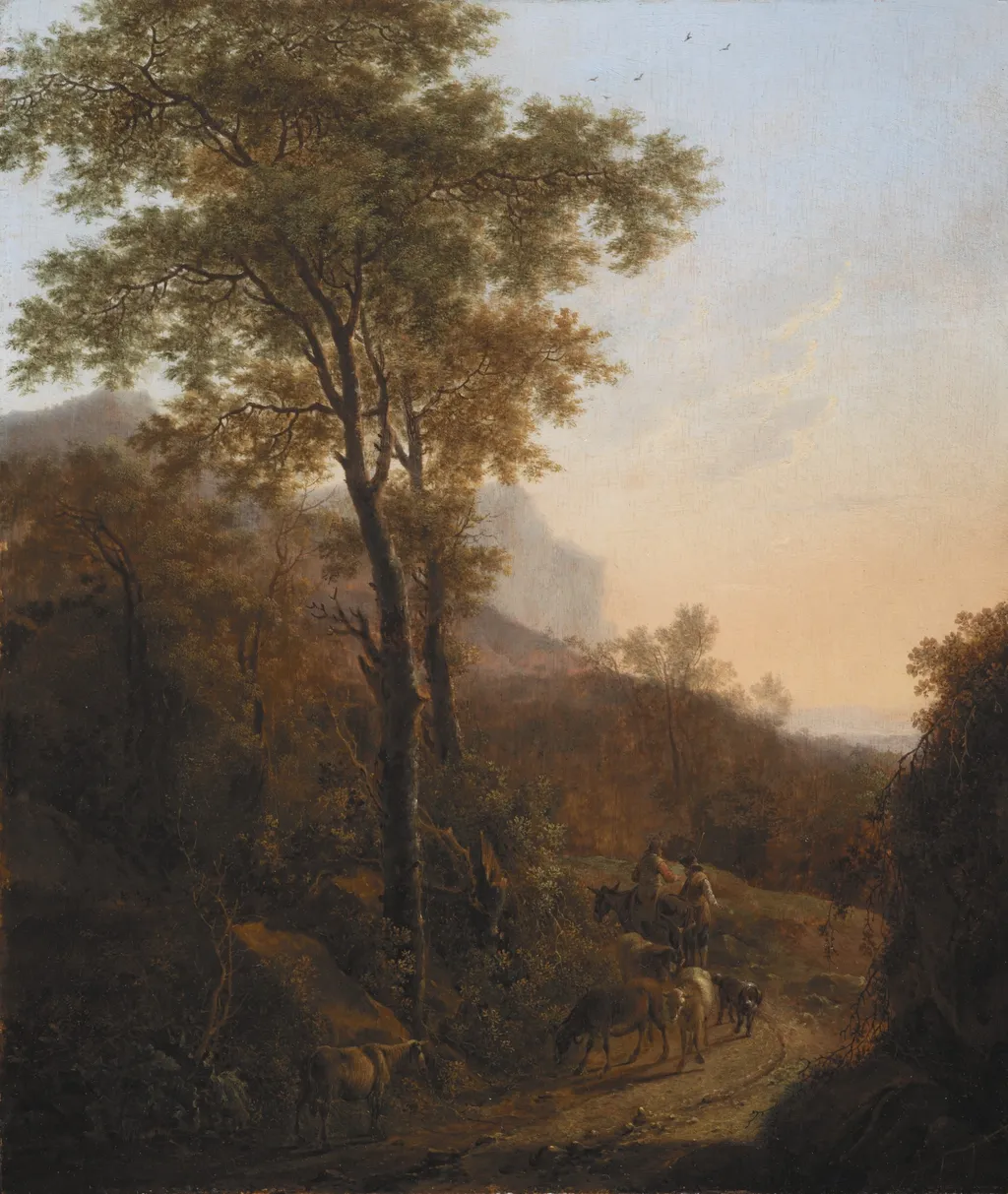
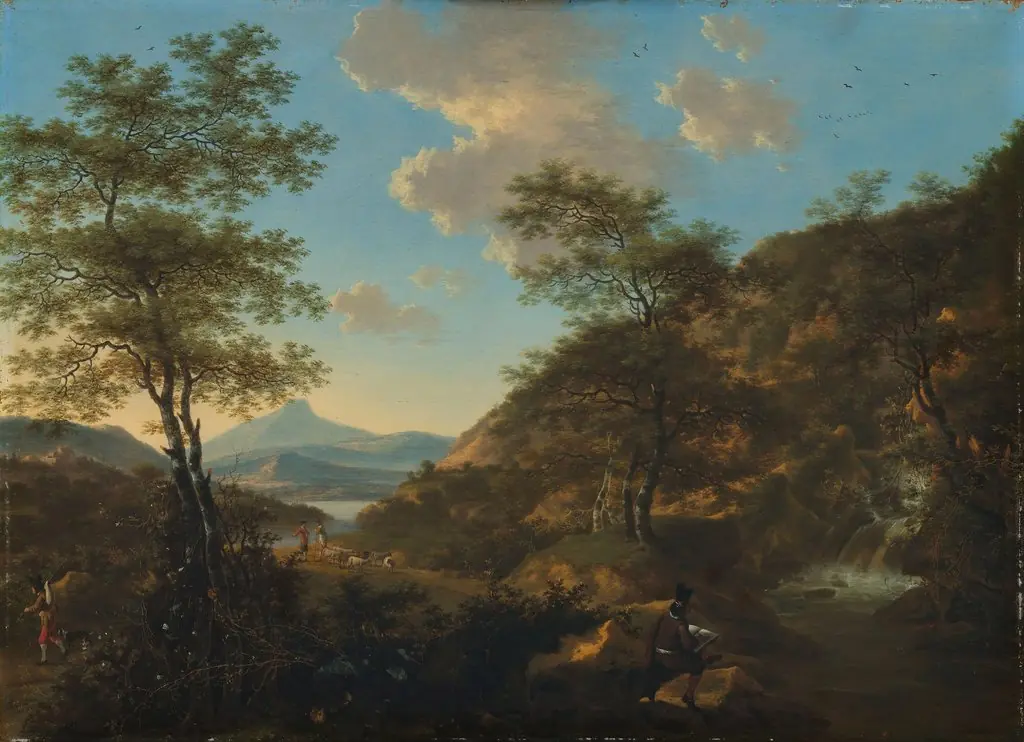
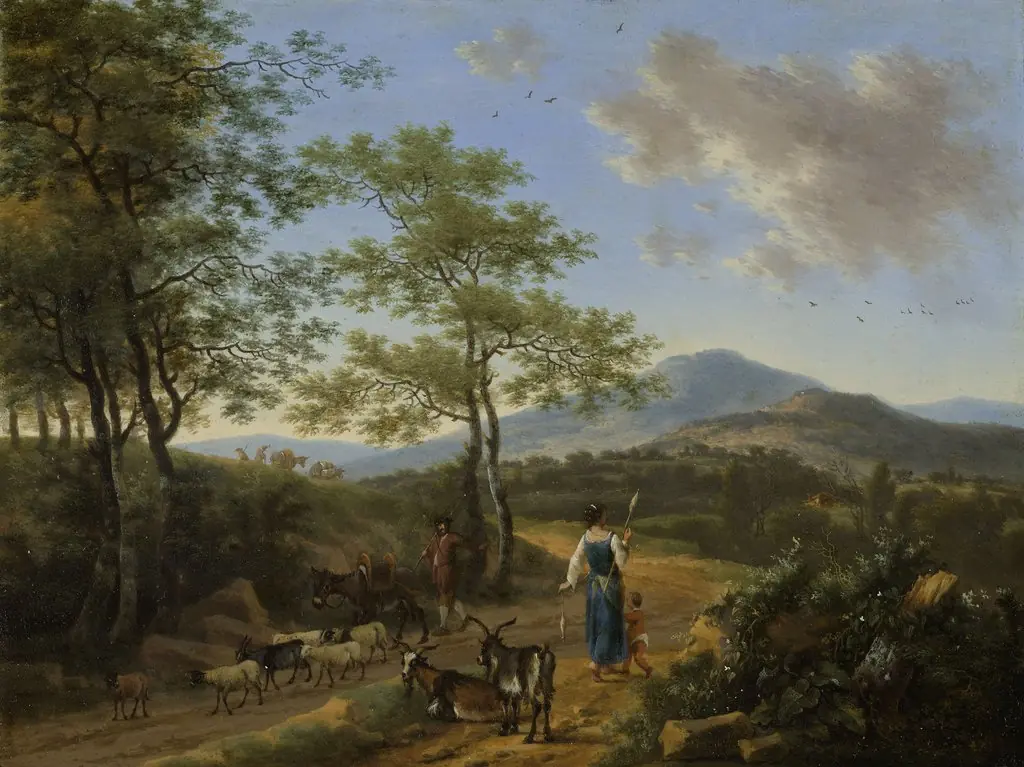
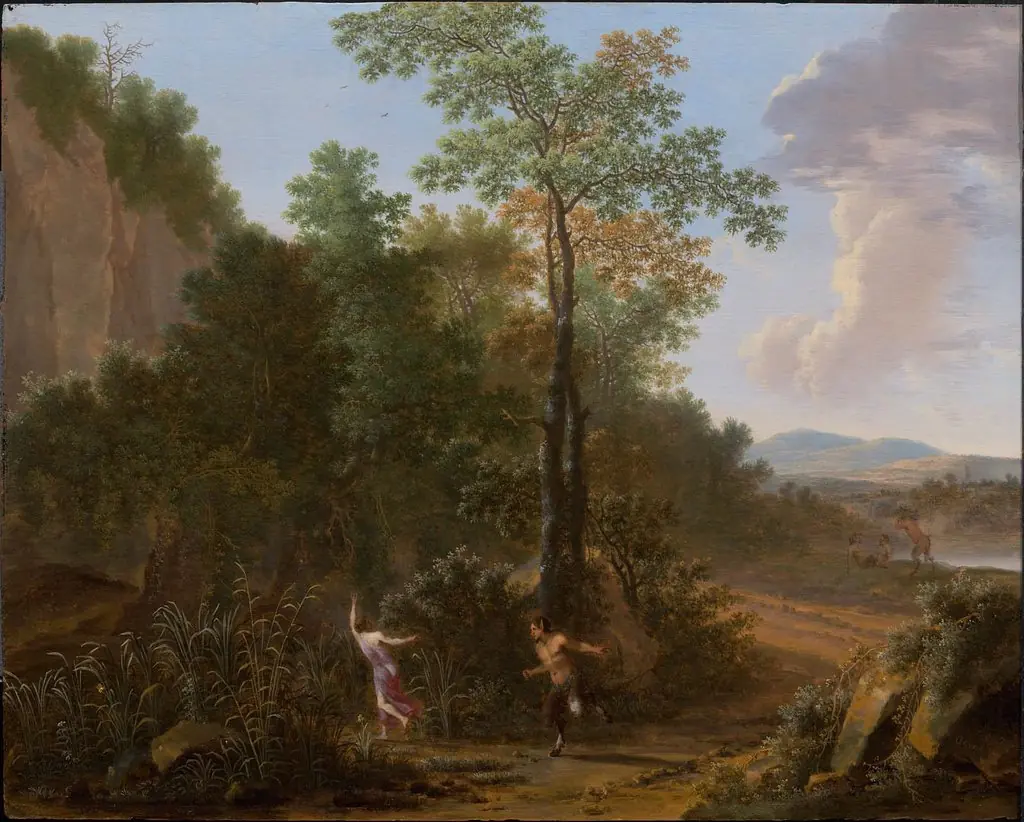
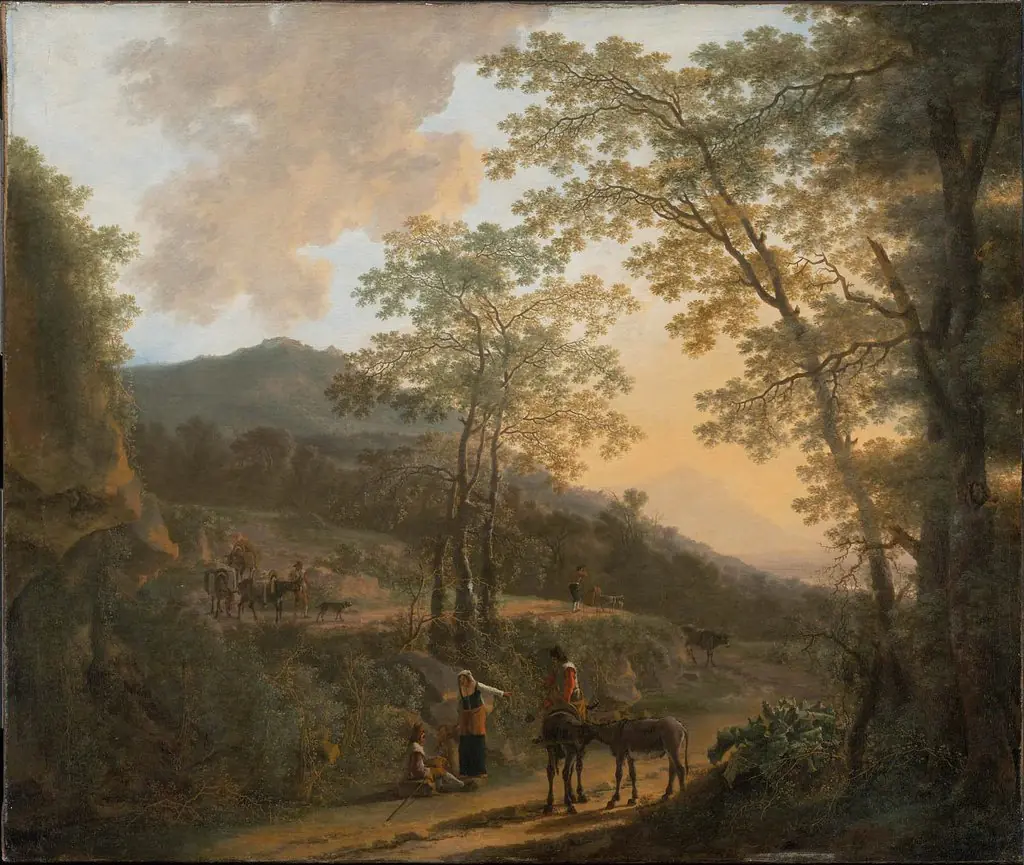
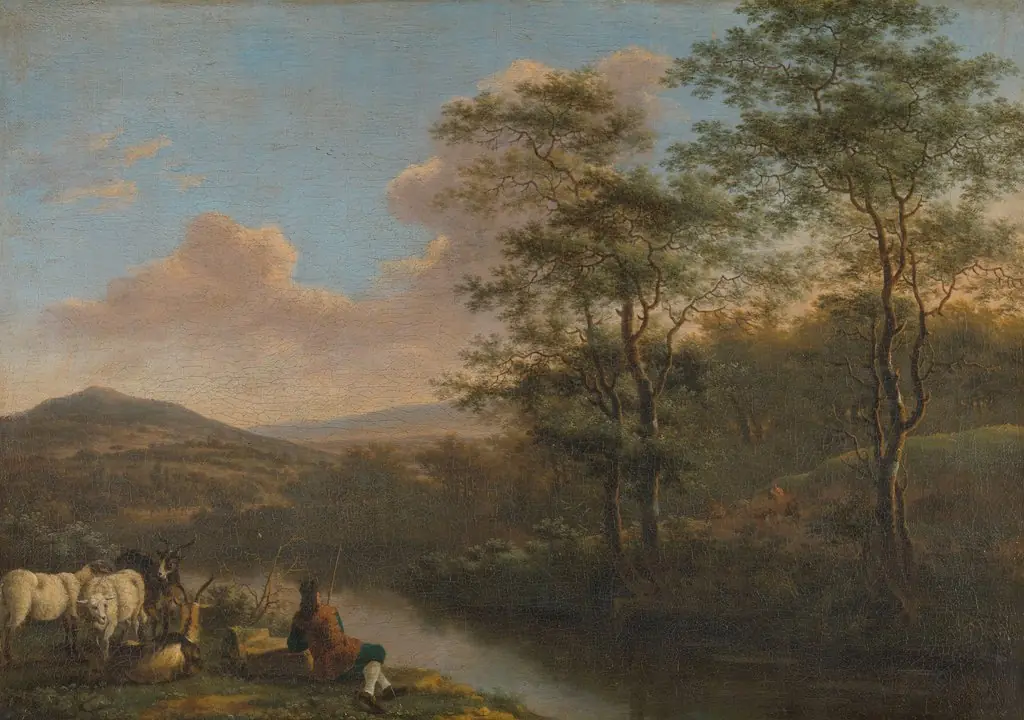
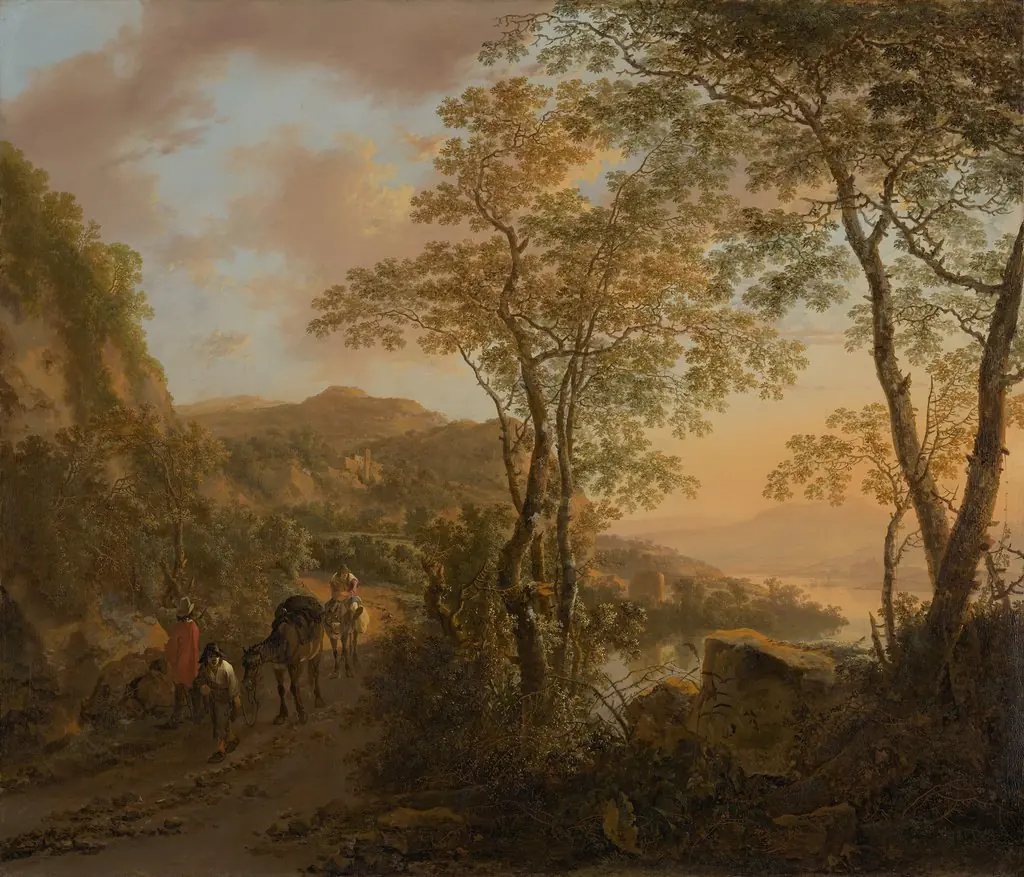
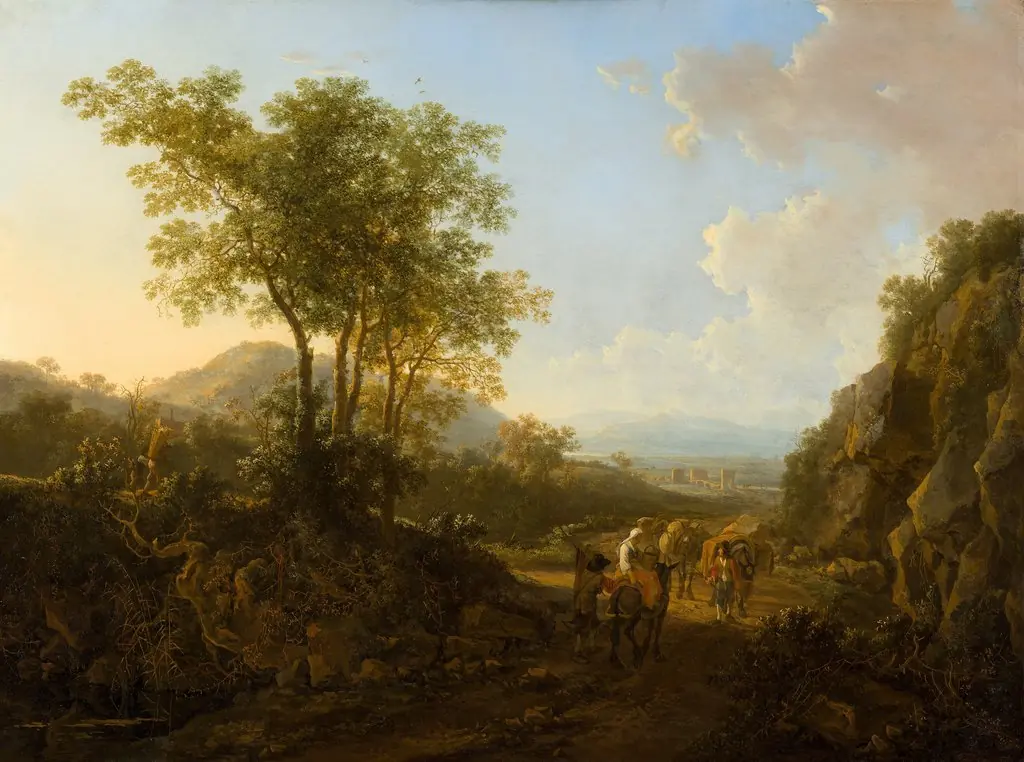
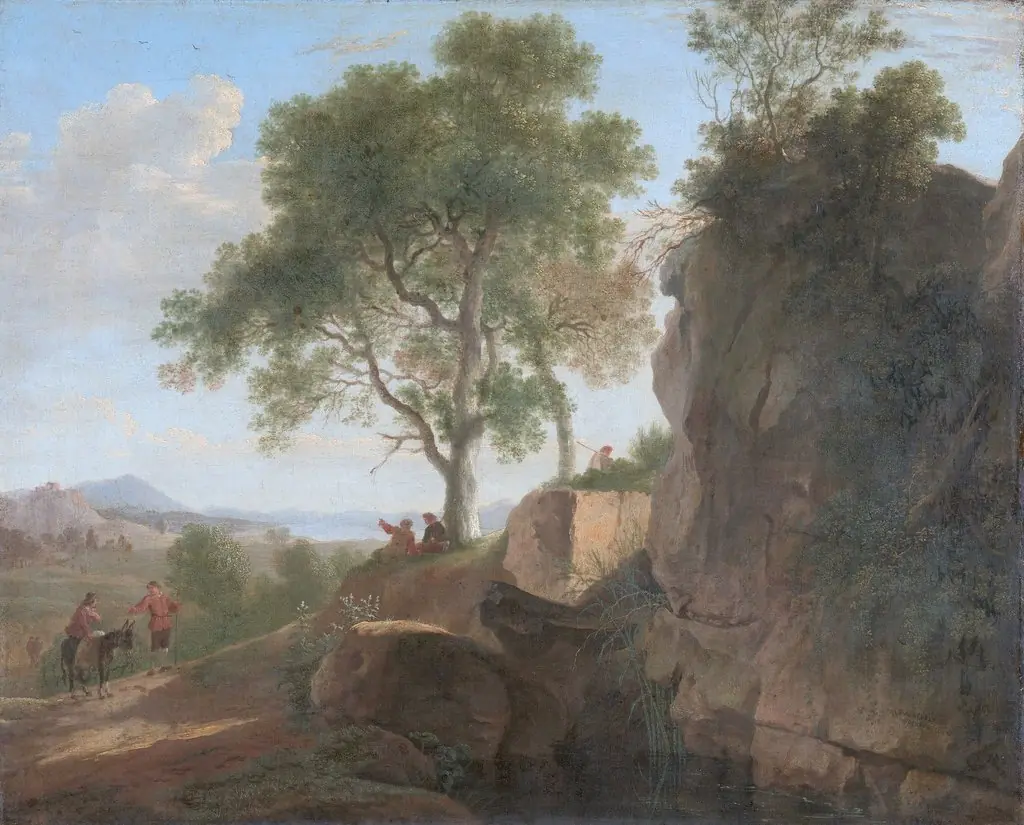
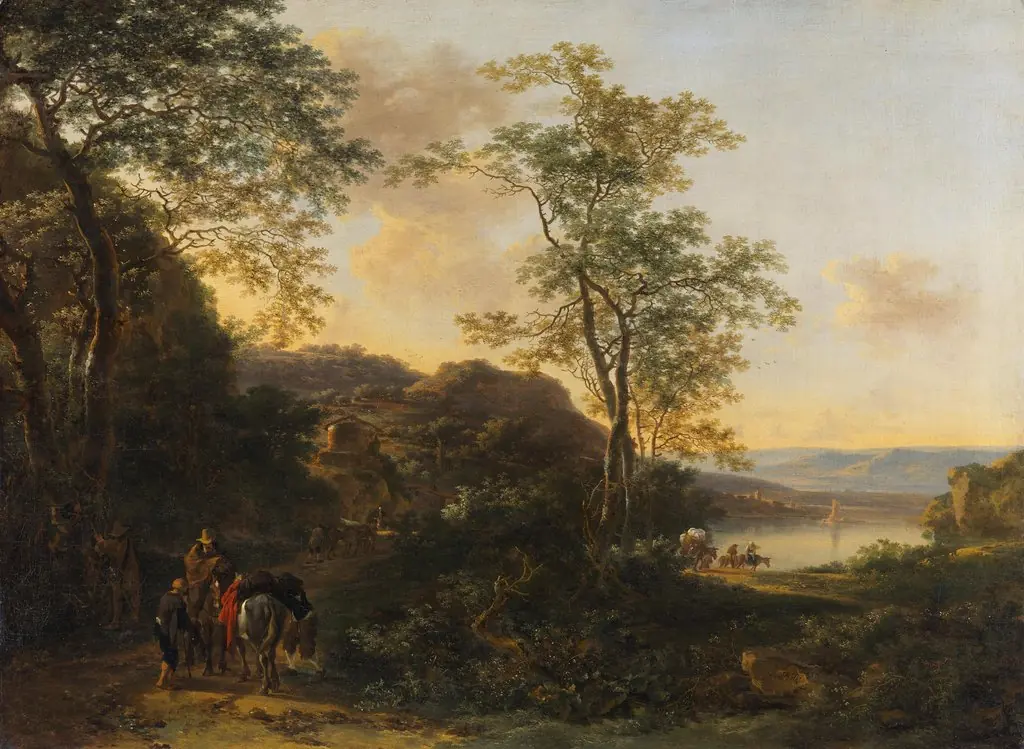
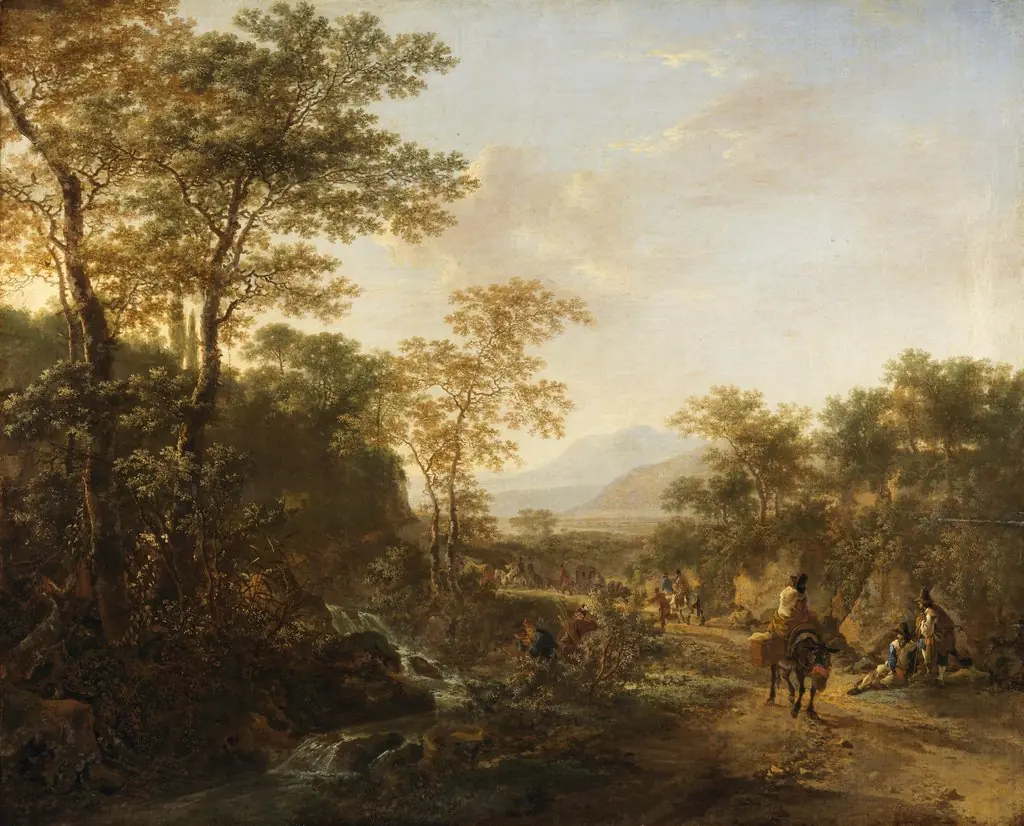
Italian Landscape is an unspecified painting by the Dutch Golden Age artist Willem de Heusch. It dates from 1650 and is held in the collection of the Detroit Institute of Arts.
About this work
Overview
The composition emphasizes calm movement and natural harmony, avoiding dramatic elements in favor of subtle observation.
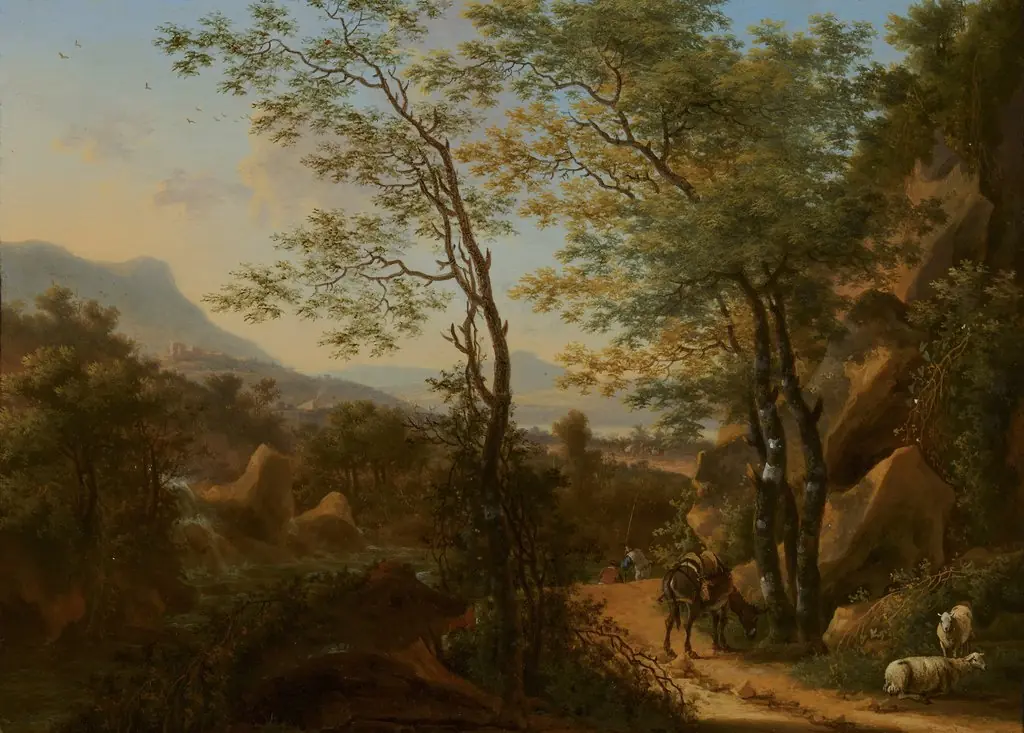
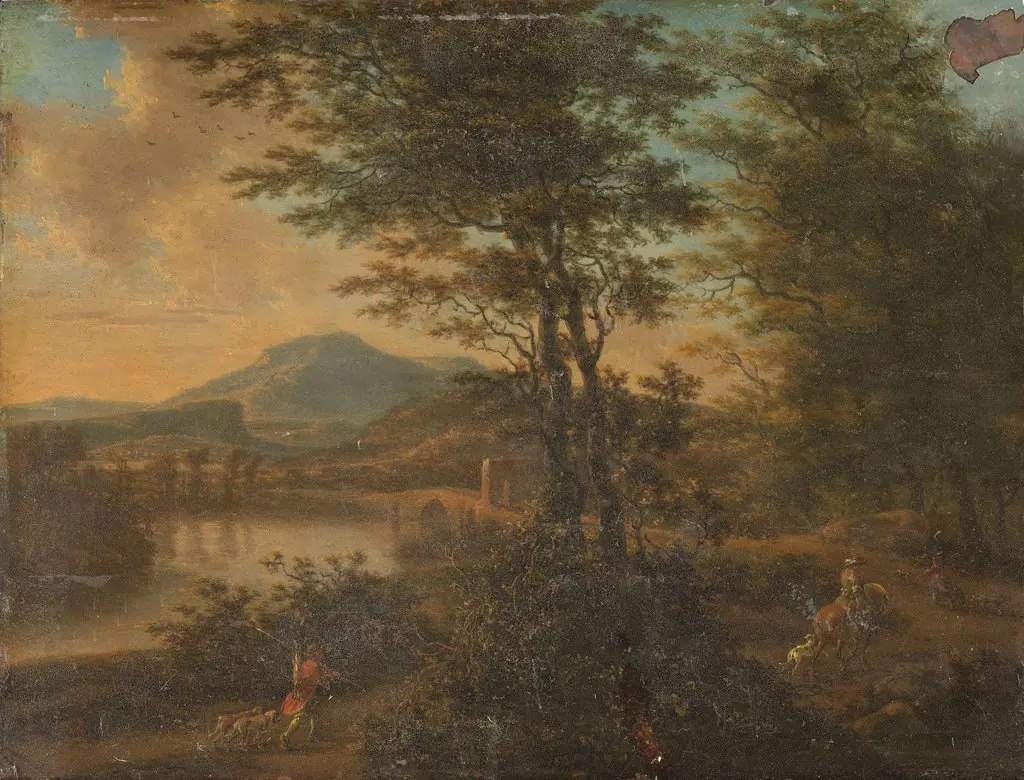
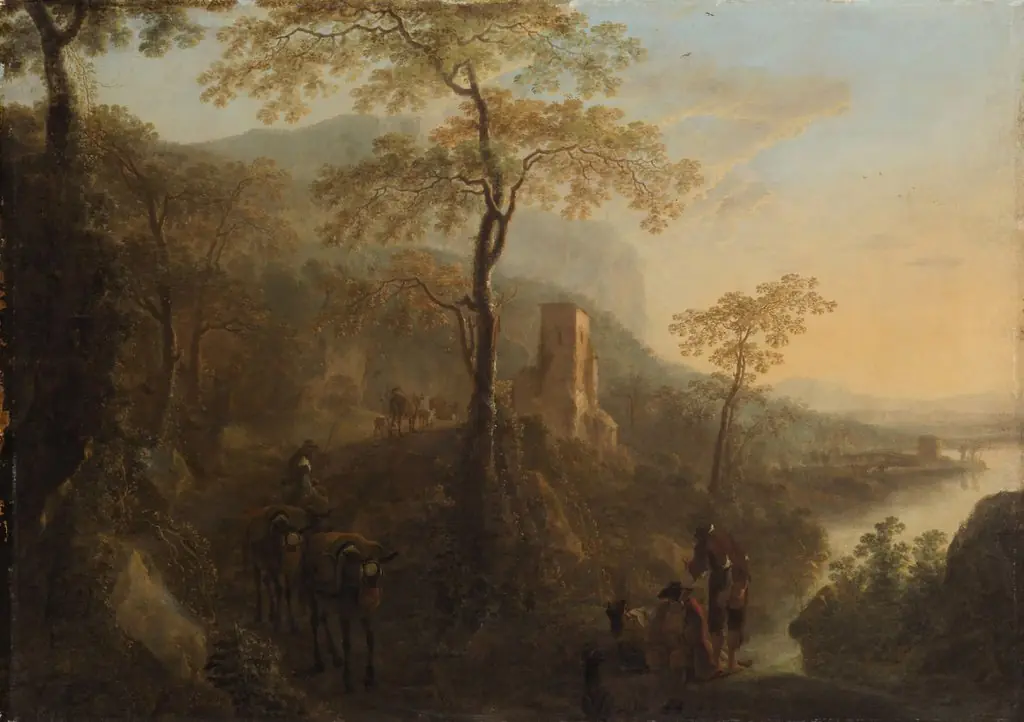
Painted around 1650 by Willem de Heusch, this work presents a quiet Italian countryside scene. It belongs to the collection of the Detroit Institute of Arts and reflects the Dutch tradition of idealized Italianate landscapes popular among Northern European artists of the period. The composition emphasizes calm movement and natural harmony, avoiding dramatic elements in favor of subtle observation.
Subject & Meaning
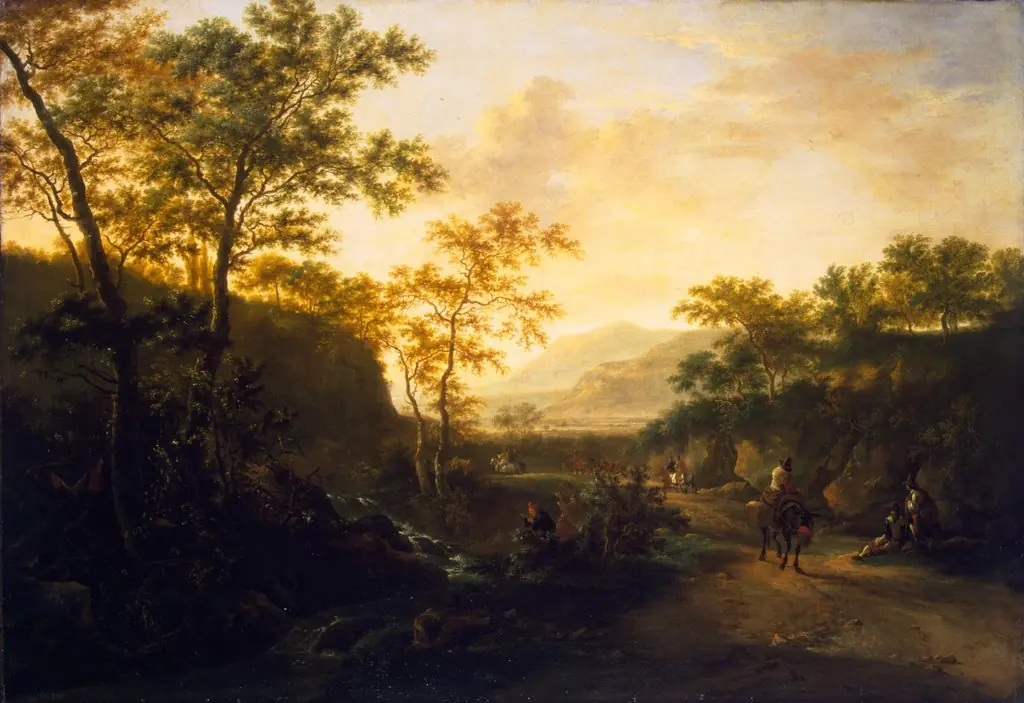
A winding dirt path guides the viewer through the scene, lined by travelers and livestock moving gently through the terrain. The figures are small and unobtrusive, suggesting daily life rather than narrative drama. The absence of architectural landmarks or mythological references points to a focus on atmosphere and the quiet rhythm of rural travel, evoking a sense of timeless serenity.
Technique & Style
De Heusch employs soft tonal transitions to model forms, using muted greens and earth tones to unify the landscape. Light is diffused evenly across the scene, with no strong contrasts or dramatic shadows. The brushwork is delicate, particularly in rendering foliage and distant hills, creating a sense of atmospheric depth without overt chiaroscuro or heightened realism.
History & Provenance
The painting entered the Detroit Institute of Arts’ collection in the 20th century, though its earlier ownership history remains undocumented. As a work by a Dutch artist influenced by Italian scenery, it aligns with a broader 17th-century trend of Northern Europeans idealizing the Italian countryside through travel and imagination rather than direct experience.
Context
During the mid-17th century, Dutch painters frequently produced imaginary Italian landscapes, drawing from sketches, prints, and travelers’ accounts. These works catered to domestic tastes for exotic yet serene settings. De Heusch’s painting fits within this genre, blending observed naturalism with a stylized, peaceful vision that appealed to collectors seeking tranquil retreats in art.
Legacy
Though not widely known today, the painting exemplifies the quiet, contemplative strand of Dutch landscape painting that prioritized mood over spectacle. Its presence in a major American museum underscores its role as a representative example of how Northern artists interpreted and reimagined southern European environments for a Northern audience.
Own this work as a print
Artist & collection