Artwork
Portrait of a Woman with a Pomander
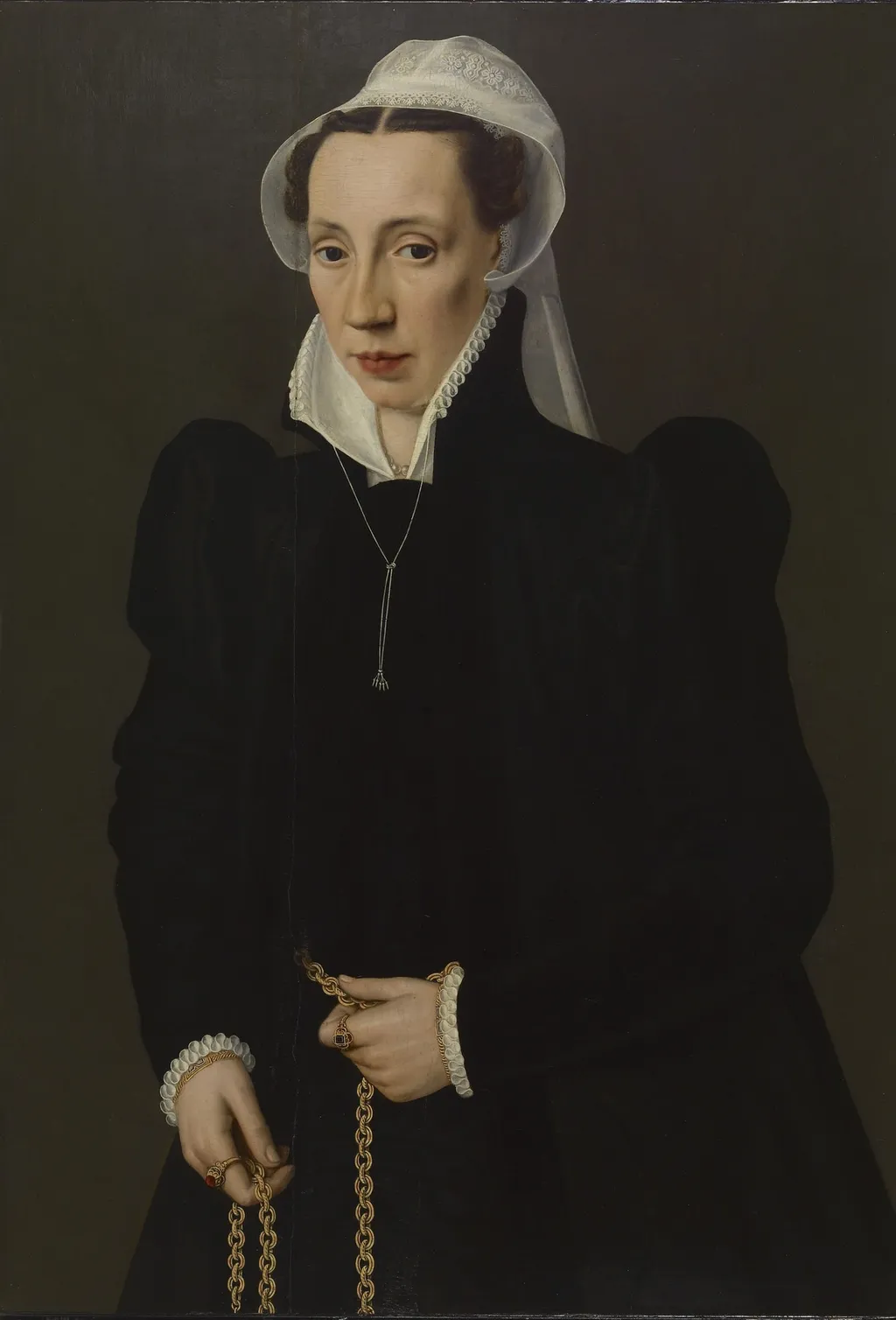
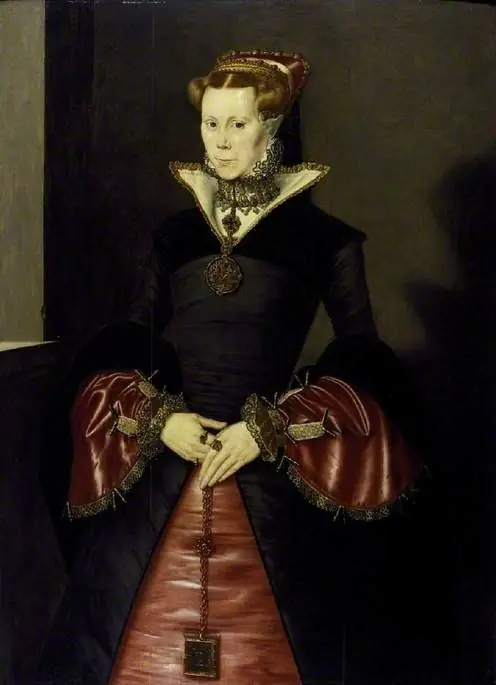
Portrait of a Woman with a Pomander is an oil painting by the Northern Renaissance artist Willem Key. It dates from 1560 and is held in the collection of the Walters Art Museum.
About this work
Overview
Painted in 1560 by Willem Key, this oil portrait depicts a woman holding a pomander, a scented object worn for hygiene or protection. The work is part of the Walters Art Museum’s collection and exemplifies mid-16th-century Netherlandish portraiture. Its restrained composition and focus on personal adornment reflect the period’s emphasis on quiet dignity and material refinement.
Subject & Meaning
The woman’s possession of a pomander—often carried to ward off foul air or signify status—suggests both personal care and social awareness.
The woman’s possession of a pomander—often carried to ward off foul air or signify status—suggests both personal care and social awareness. Her direct gaze and composed posture convey quiet self-possession. The gold chain, linking the pomander to her attire, may imply value or spiritual protection. The absence of overt symbolism points to an intimate, rather than allegorical, representation of a woman of means.
Technique & Style
Key employs chiaroscuro to model the woman’s face and hands with subtle gradations of light and shadow, lending volume and realism. The dark background isolates her form, enhancing focus on texture: the crisp lace of her cuffs, the sheen of the gold chain, and the matte finish of her black dress. Brushwork is precise but unobtrusive, prioritizing clarity over ornamentation.
History & Provenance
The painting entered the Walters Art Museum’s collection in the early 20th century, having passed through private European hands before its acquisition. Its attribution to Willem Key, a Flemish painter active in the mid-1500s, is supported by stylistic parallels with his other known works. No documented commission or original owner is recorded, leaving its early history largely speculative.
Context
In 16th-century Northern Europe, portraits of women often emphasized modesty and moral virtue through restrained dress and composed demeanor. The pomander, though practical, also functioned as a status object, especially among urban elites. Key’s work aligns with a broader trend of intimate, life-sized portraits that valued individual presence over grandeur.
Legacy
This portrait remains a quiet example of Netherlandish portraiture, valued for its psychological subtlety and technical precision. It contributes to scholarly understanding of how everyday objects were integrated into visual identity. While not widely reproduced, it continues to inform studies of gender, material culture, and artistic practice in the Renaissance Low Countries.
Own this work as a print
Artist & collection


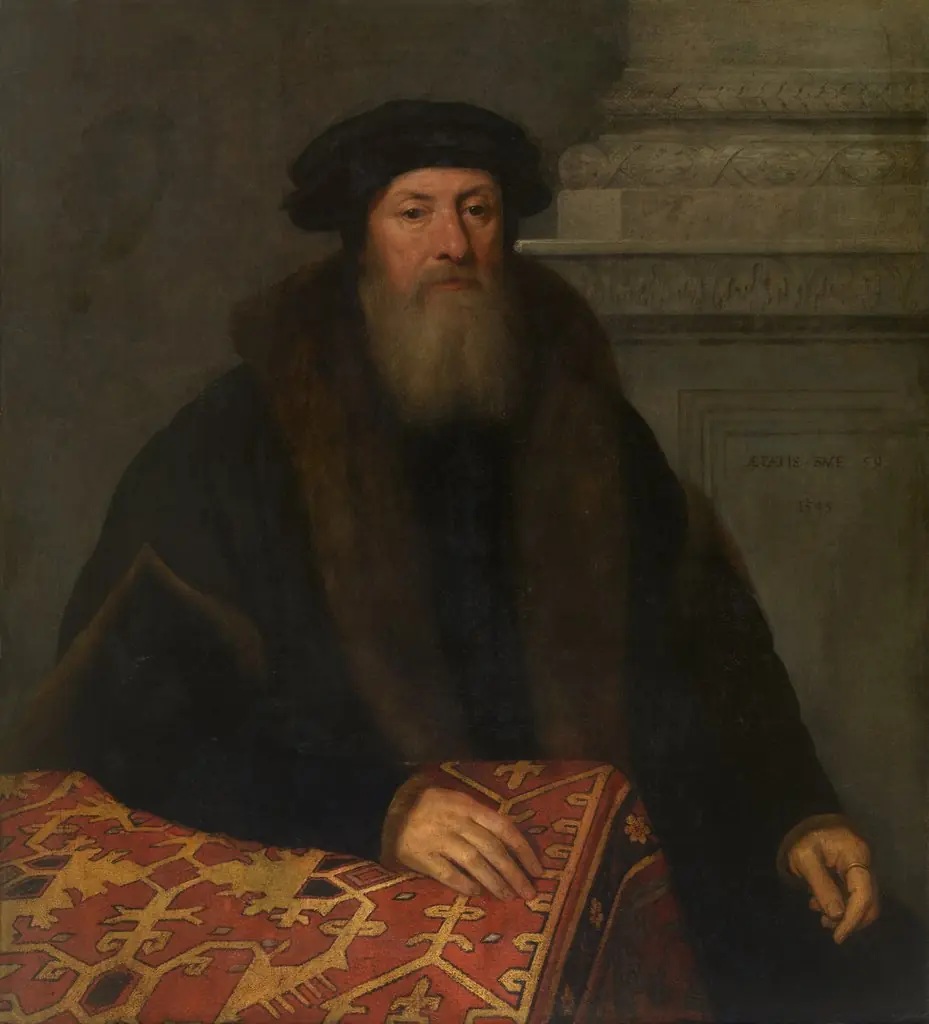
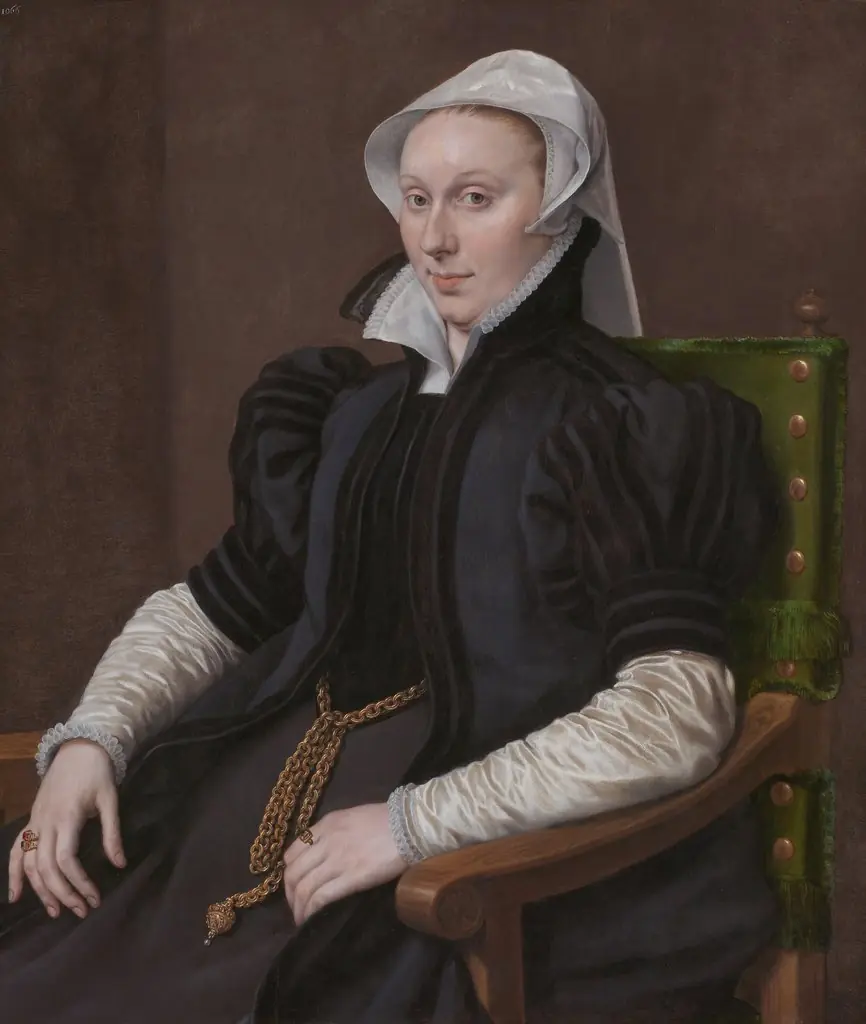 Portrait of Anne Fernely, pendant to Sir Thomas Gresham
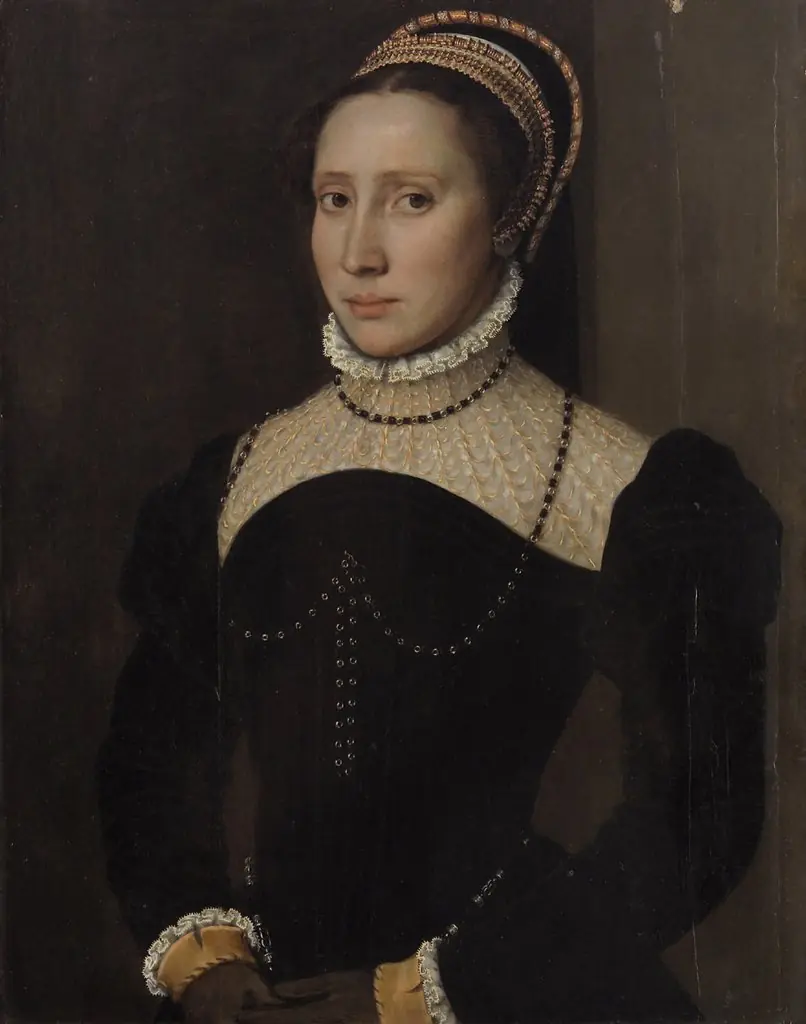 Weibliches Bildnis
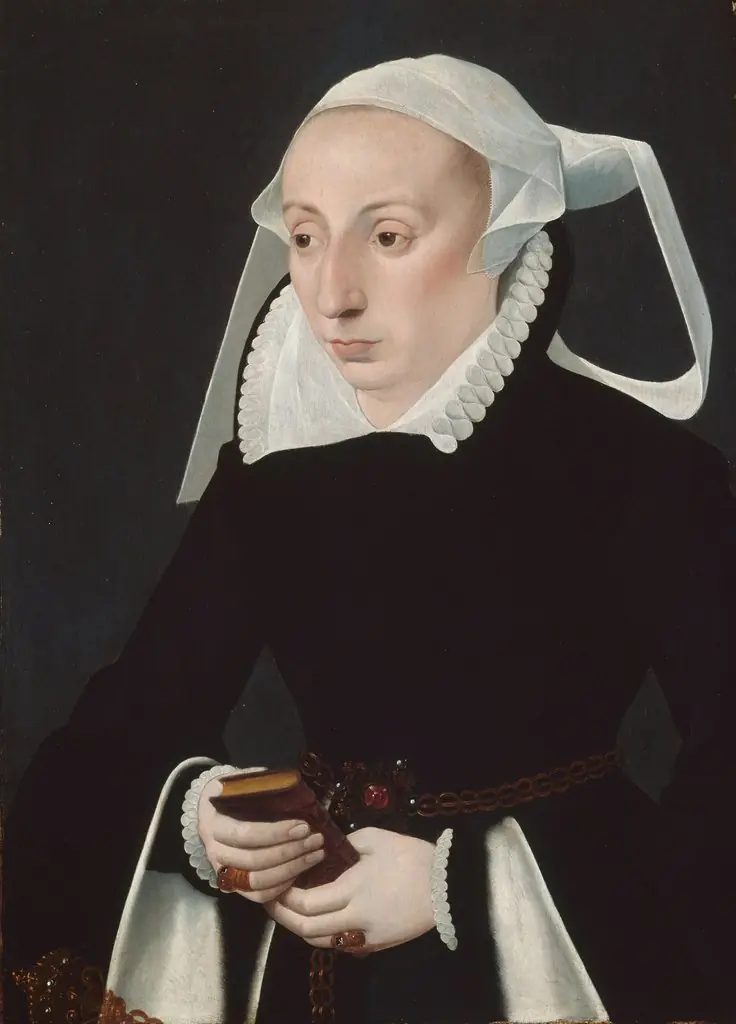 Portrait of a Woman with a Prayer Book
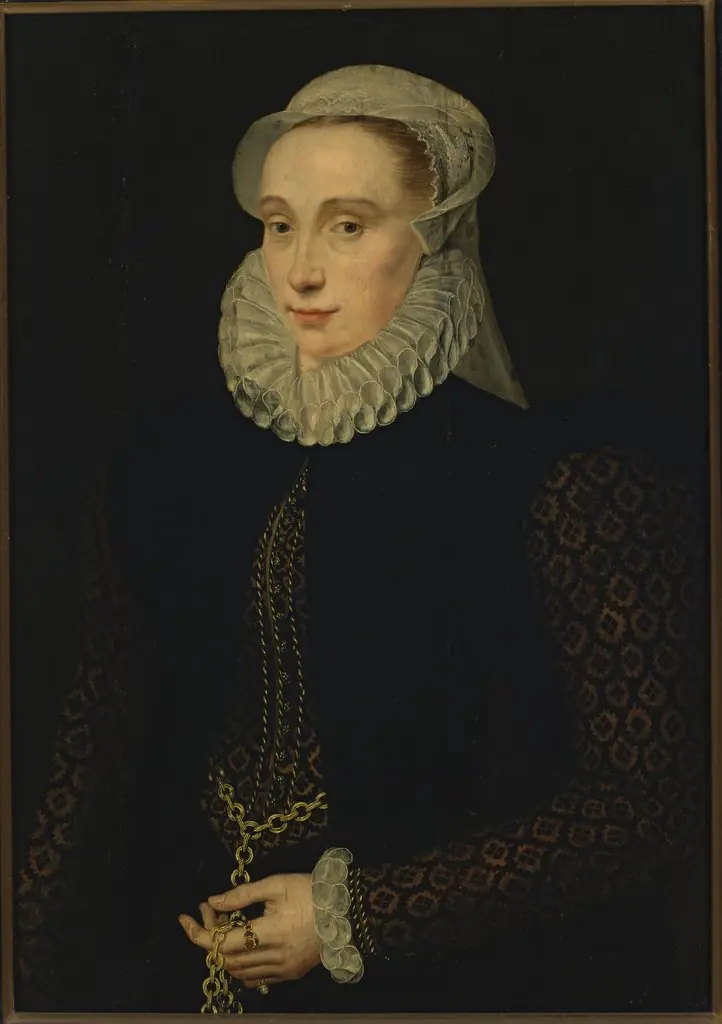 Portrait of a lady
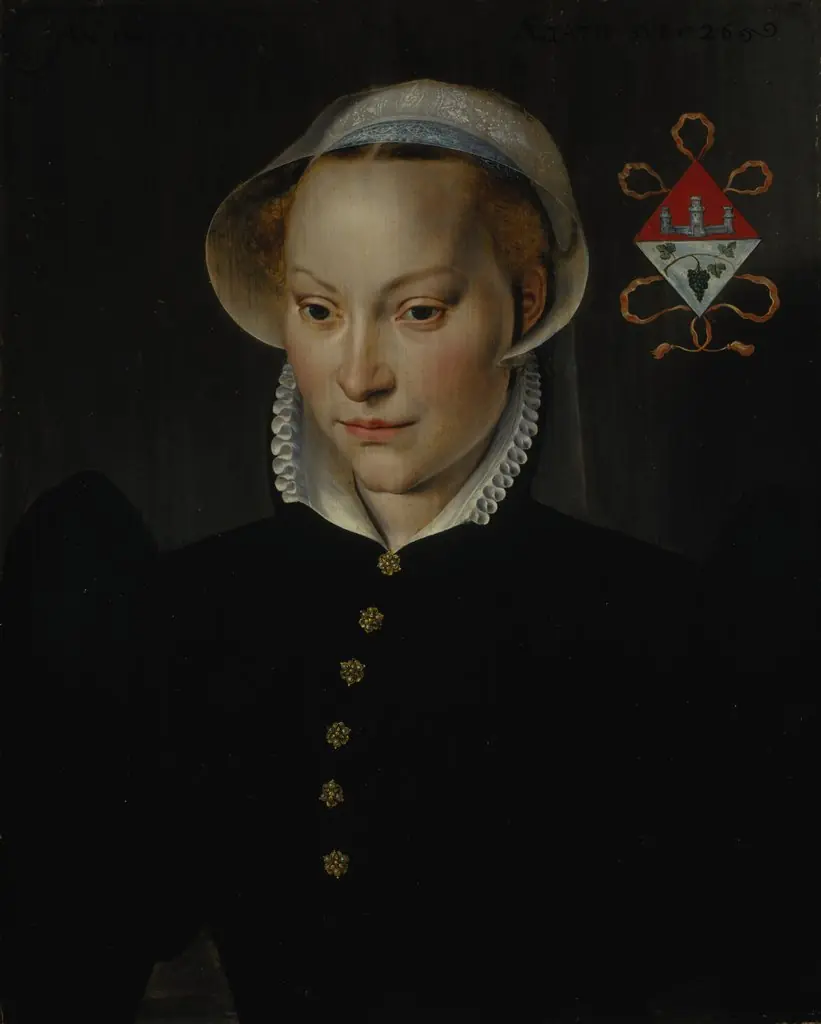 A Married Lady of Bruges, aged 26
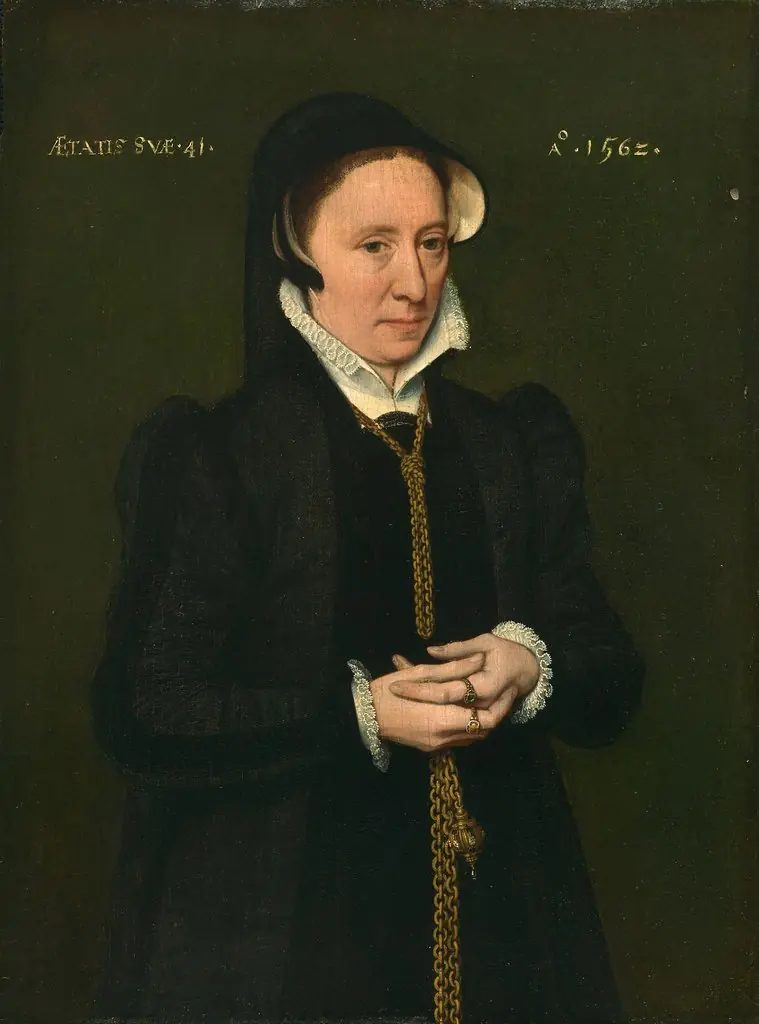 Portrait of a Woman
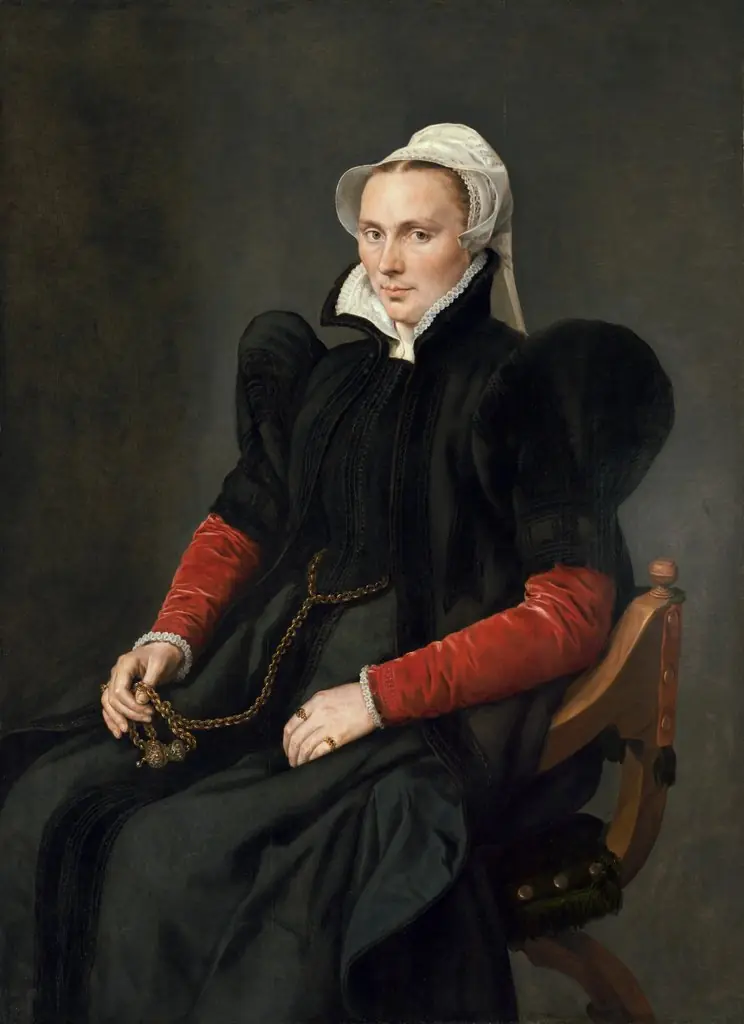 Portrait of a Seated Woman
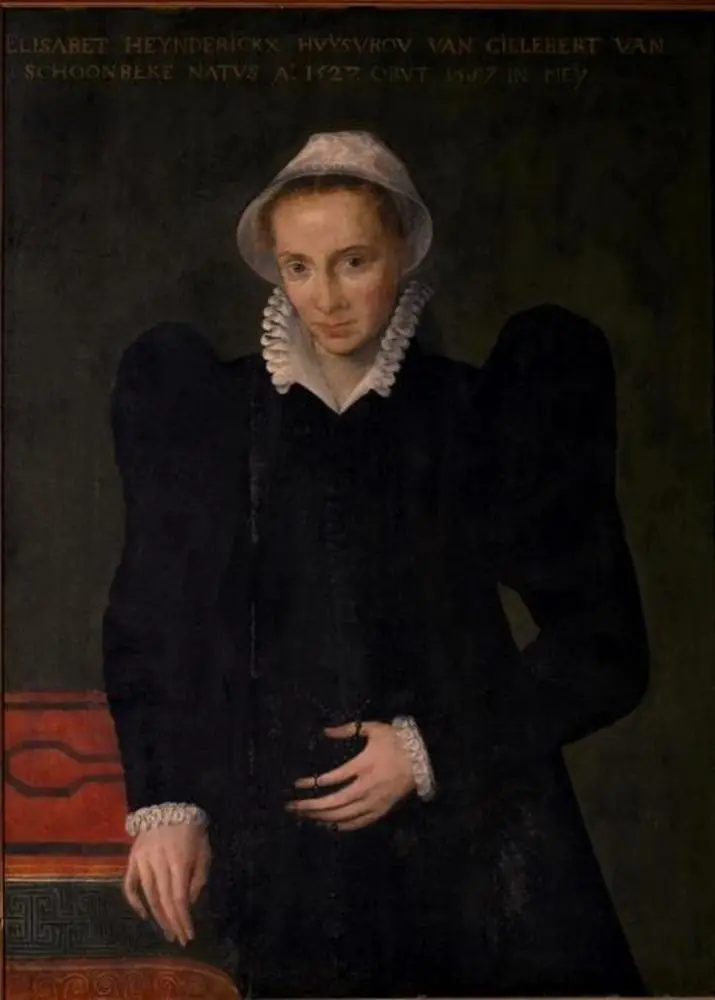 Portrait of Elisabeth Heynderickx, wife of Gilbert van Schoonbeke
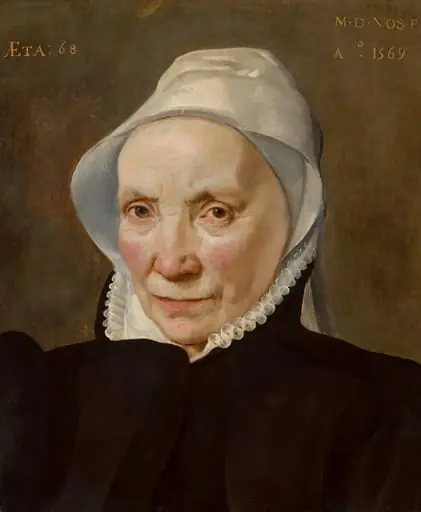 Portrait of a Woman Aged Sixty-Eight
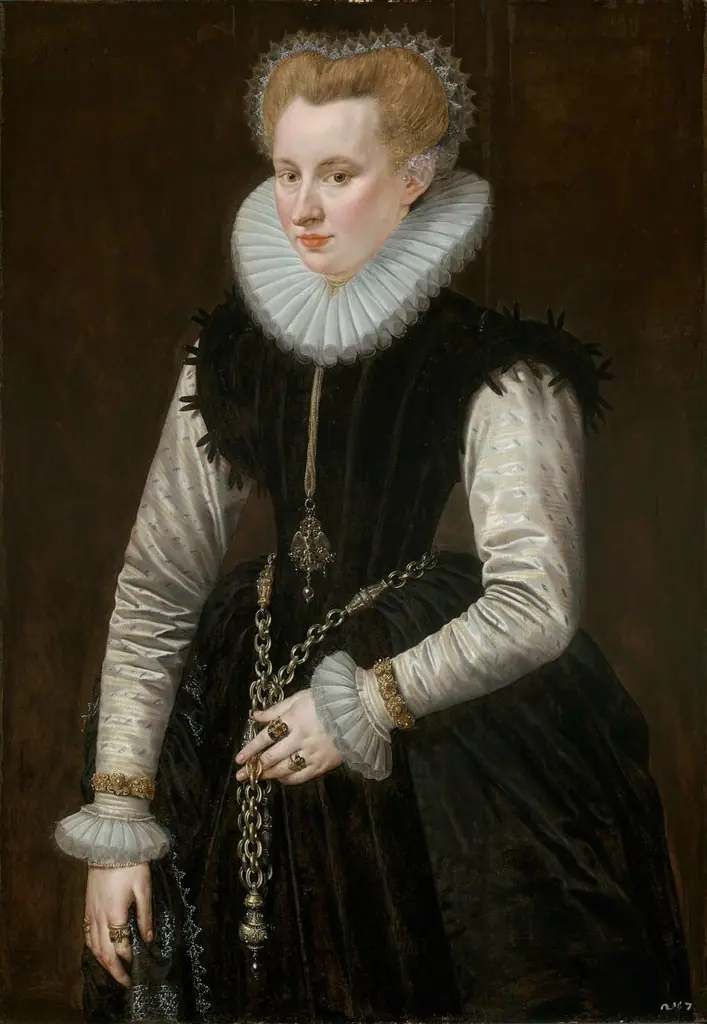 Portrait of a Woman
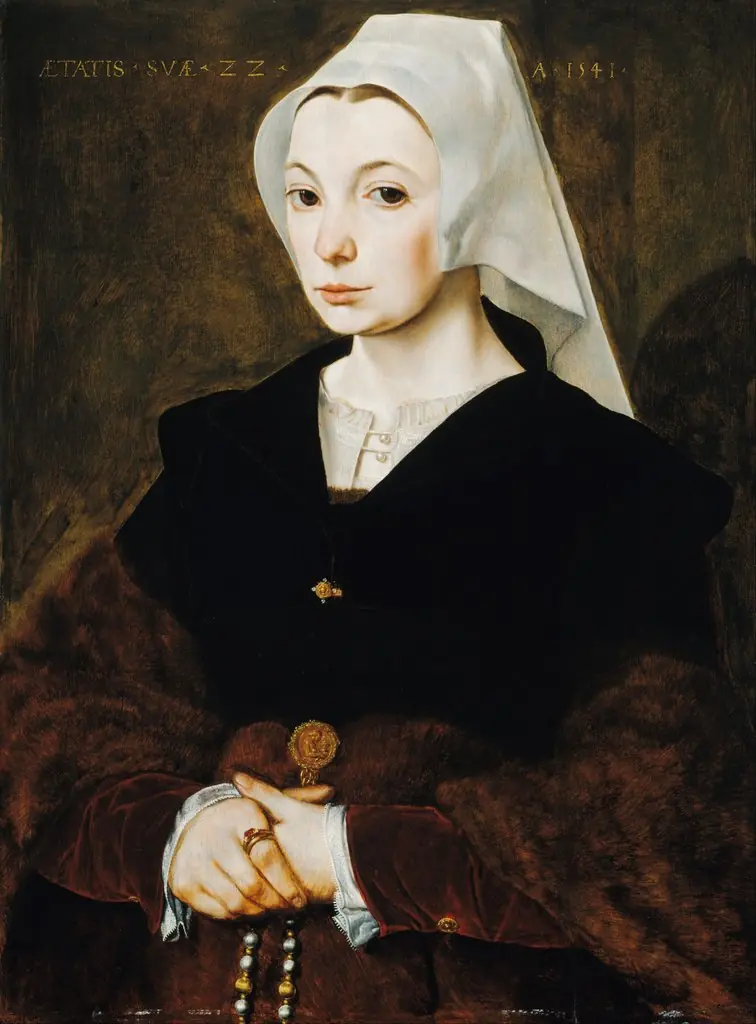 Portrait of a young woman
 Unknown lady (perhaps Lady Jane Grey)