Artwork
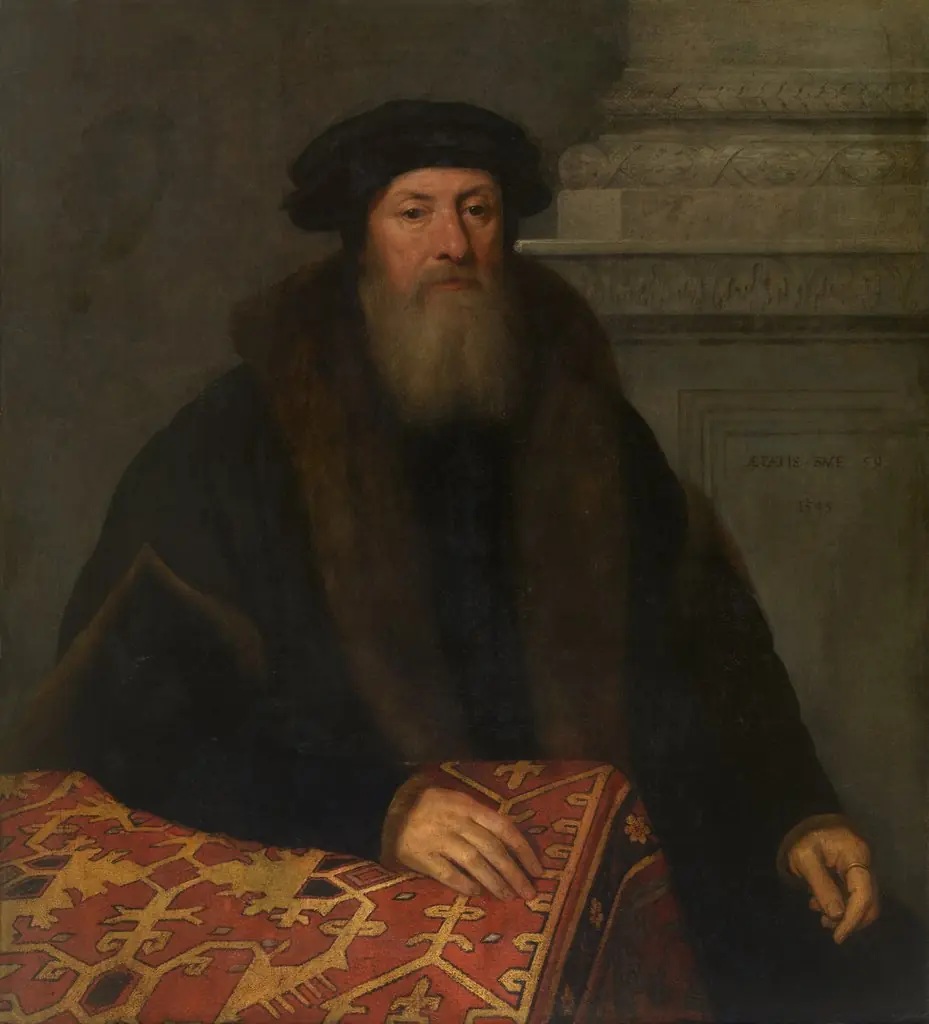
Portrait of a Man
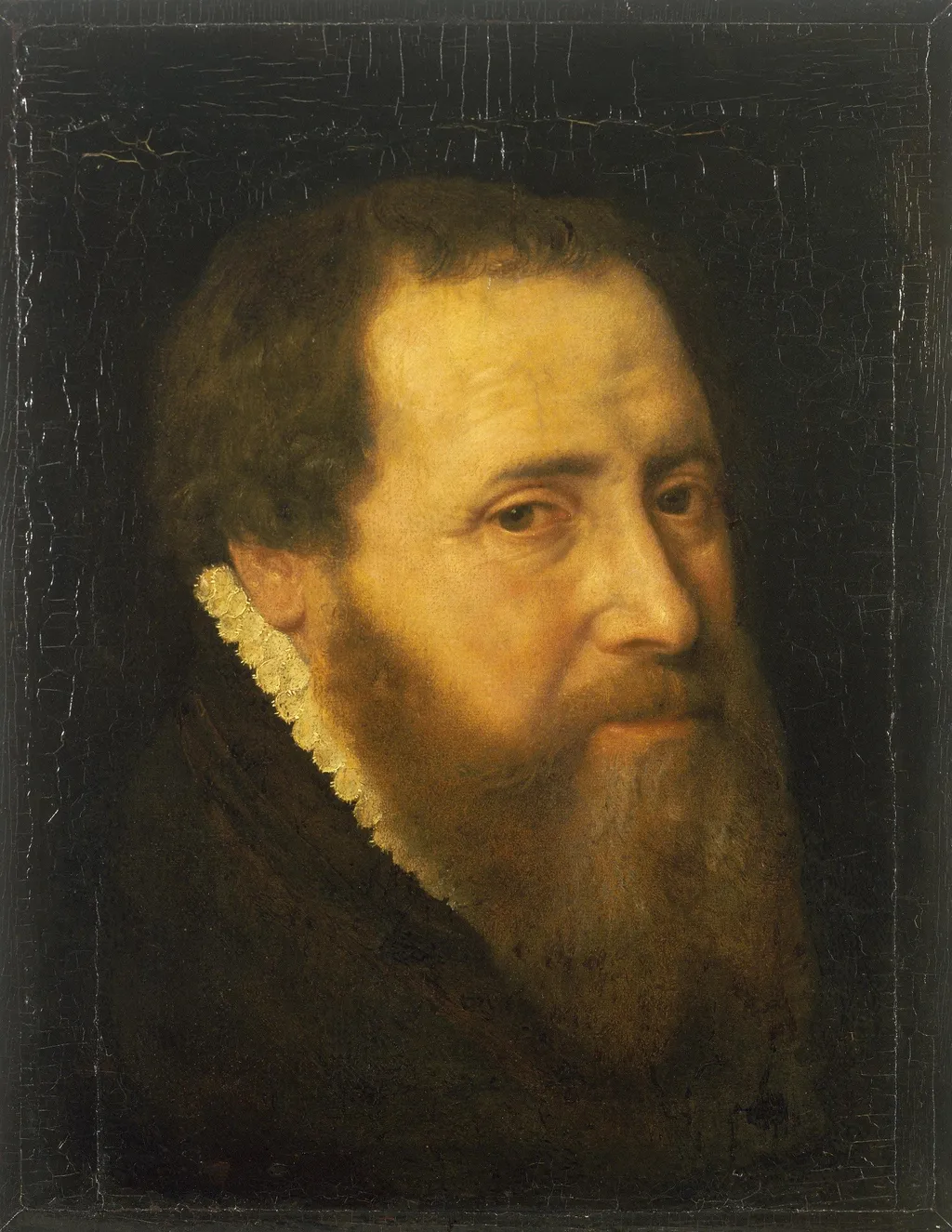
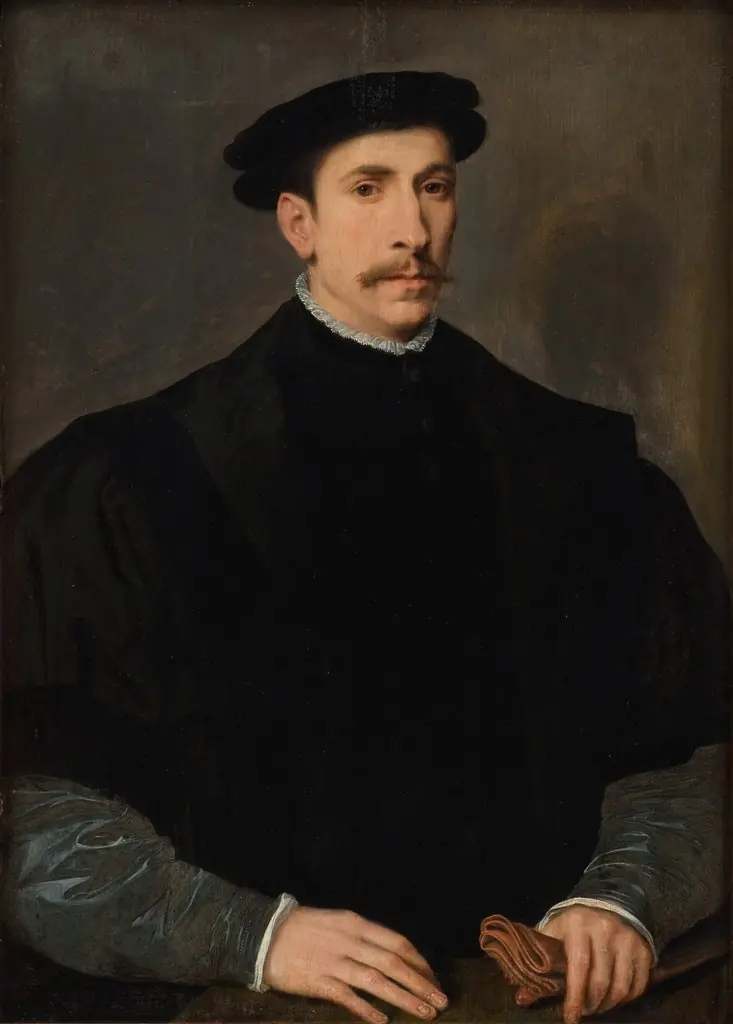
Portrait of a Man is an oil painting by the Flemish Baroque painting artist Willem Key. It dates from 1554 and is held in the collection of the Hermitage Museum.
About this work
Overview
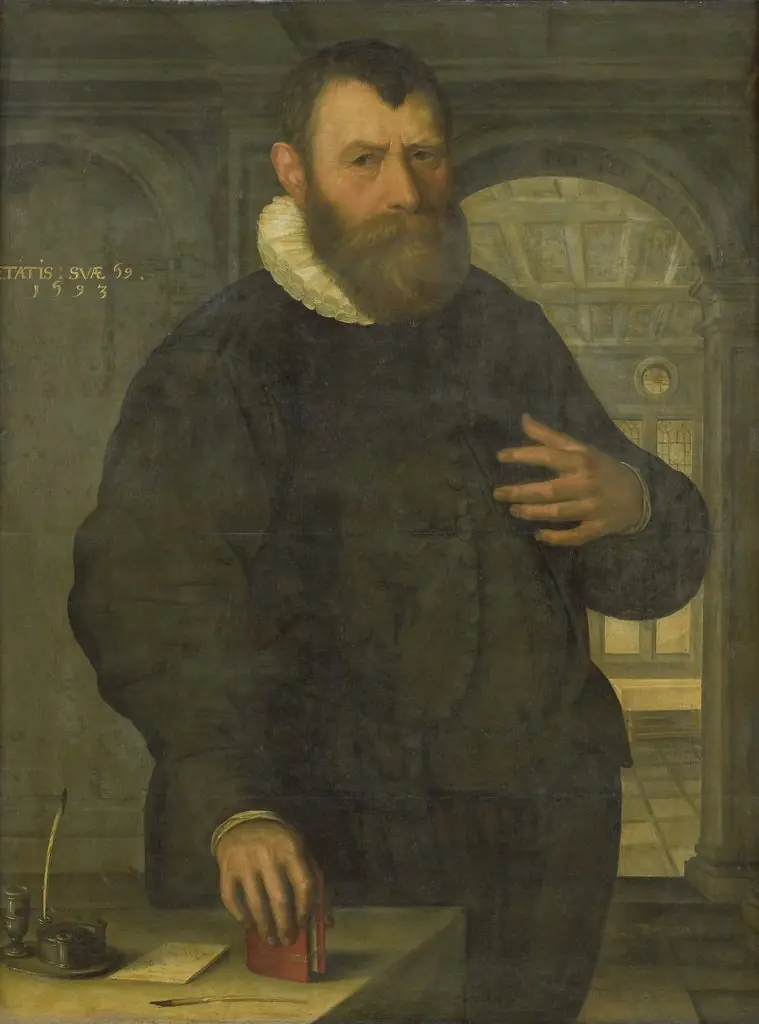
Willem Key’s oil painting, dated 1554, presents a solitary male sitter rendered against a dark, unadorned backdrop. The work is part of the collection of the State Hermitage Museum in St. Petersburg. Its composition focuses on the figure’s face and upper torso, allowing the viewer to engage directly with the subject’s expression and attire.
Subject & Meaning
The portrait depicts a man with a dark beard and tightly curled hair, dressed in a black, high‑collared garment that contrasts sharply with his pale skin. While the sitter’s identity remains unknown, the emphasis on his gaze and the dignified bearing suggest a portrayal intended to convey status or personal virtue.
Technique & Style
Key employs a subtle chiaroscuro, using soft, directional light to model the cheek and forehead, creating a three‑dimensional effect. The brushwork on the flesh is notably smooth, giving the skin a polished appearance, whereas the surrounding darkness is rendered with broader, less detailed strokes, enhancing the figure’s prominence.
History & Provenance
Created in the mid‑sixteenth century, the painting entered the State Hermitage Museum’s holdings during the 19th‑century expansion of the Russian imperial collection. Its acquisition reflects the museum’s broader effort to assemble representative works of Northern Renaissance portraiture.
Context
Key, a Dutch painter active in the mid‑1500s, was known for his portraiture that combined Flemish realism with emerging Italianate influences. This work exemplifies the period’s interest in individualized representation, aligning with contemporary trends that favored intimate, psychologically nuanced depictions of patrons.
Artist & collection

 Self-portrait
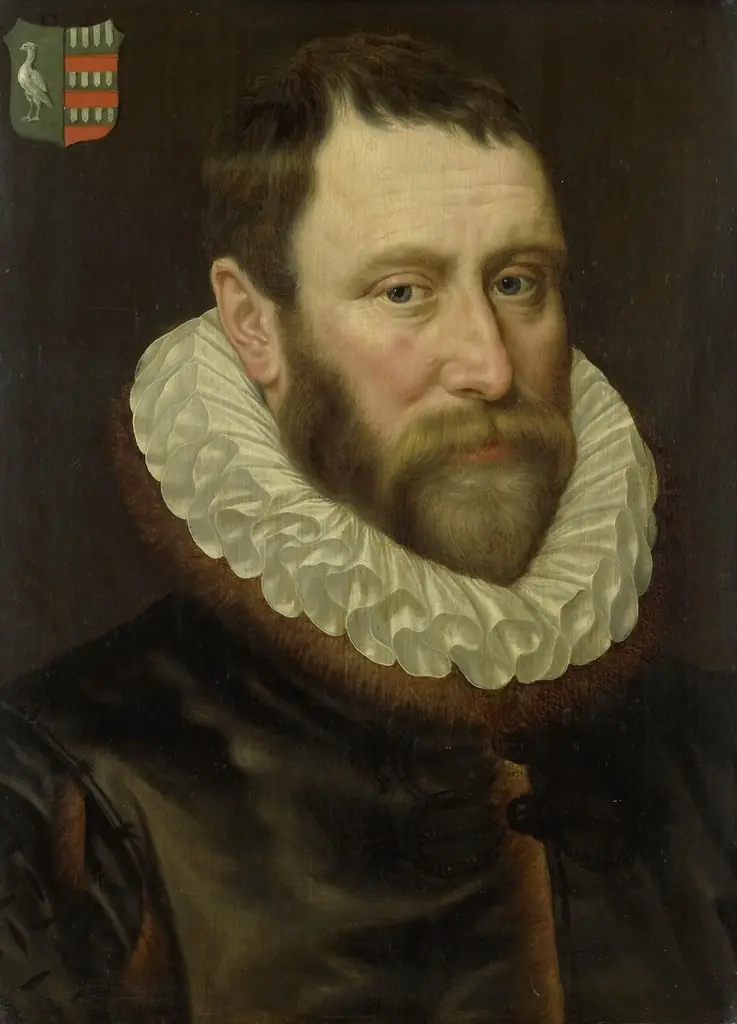 Portrait of Jacob Bas Claesz (1536-89), mayor of Amsterdam
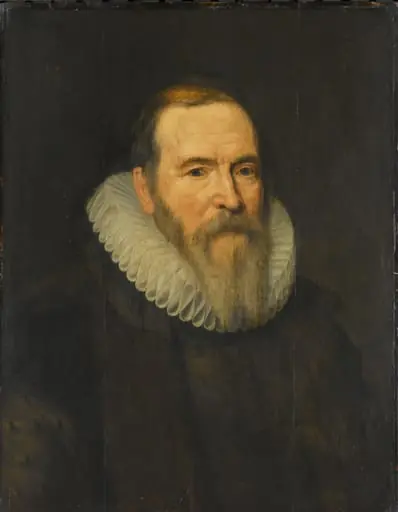 Portrait of Johan van Oldenbarnevelt
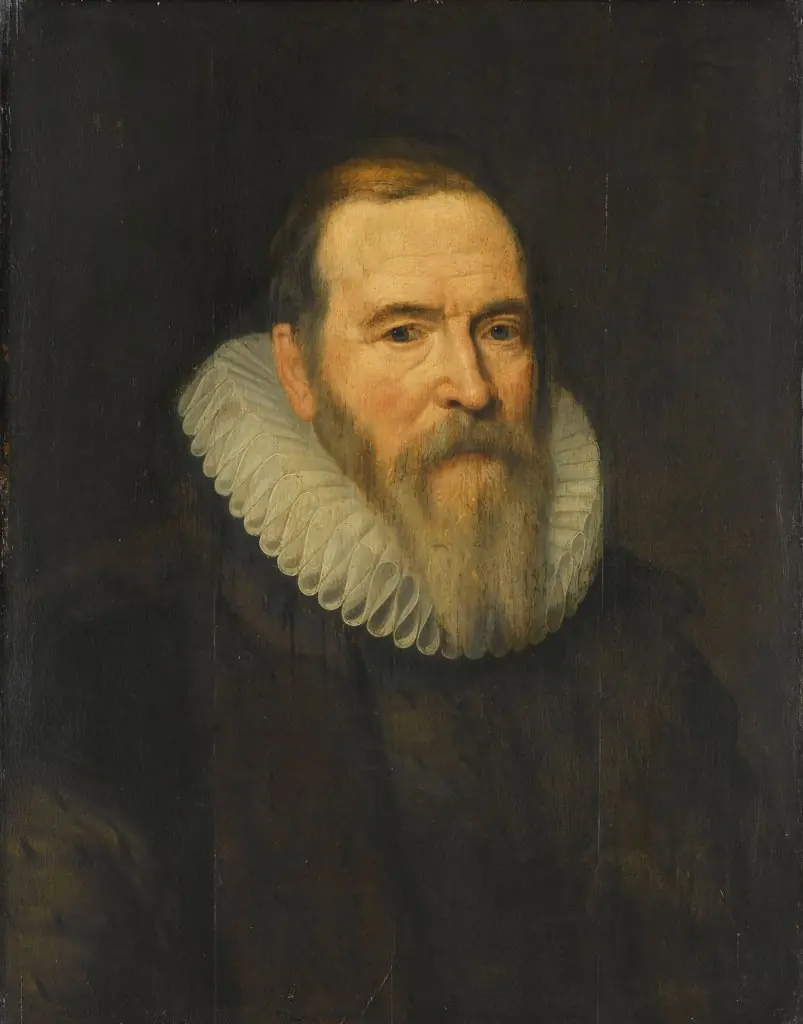 Portrait of Johan van Oldenbarneveldt (1547-1619)
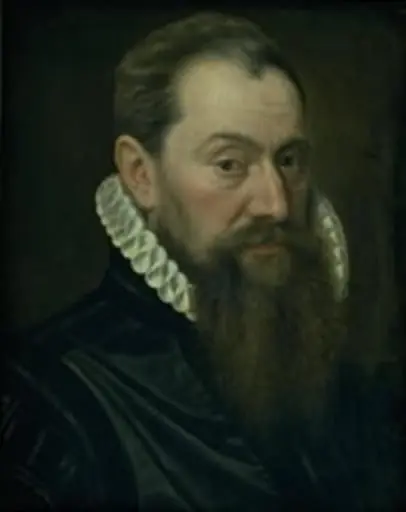 Portrait of a Man
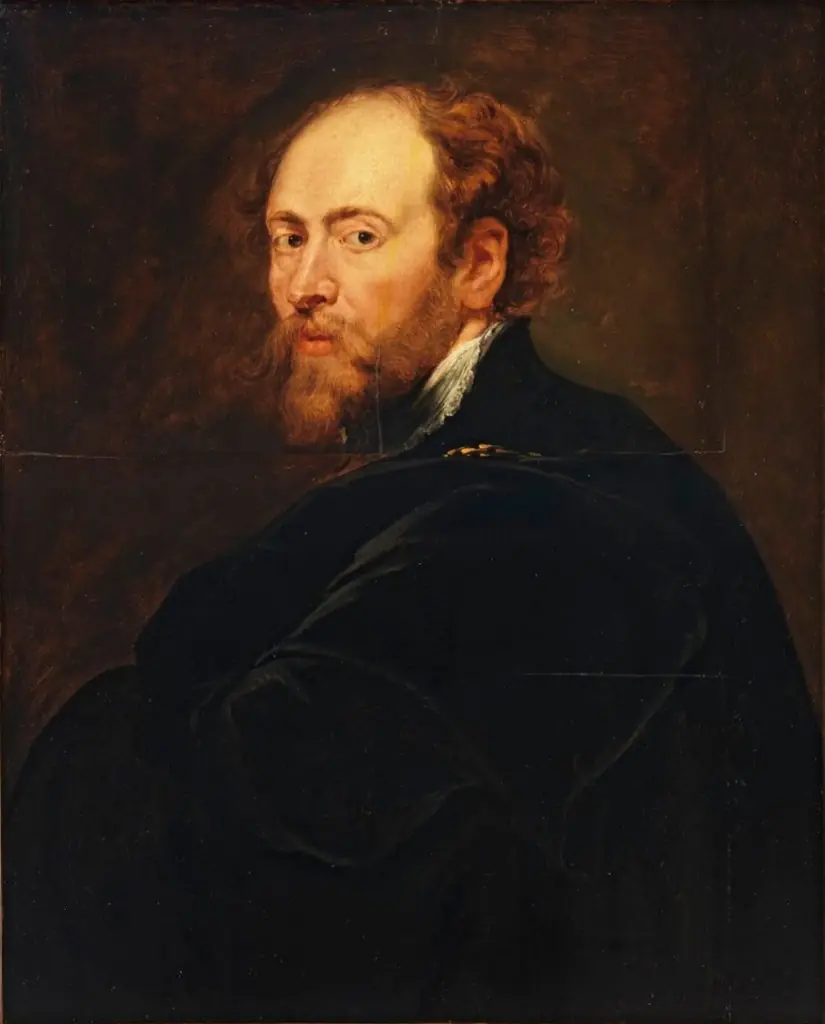 Self-portrait
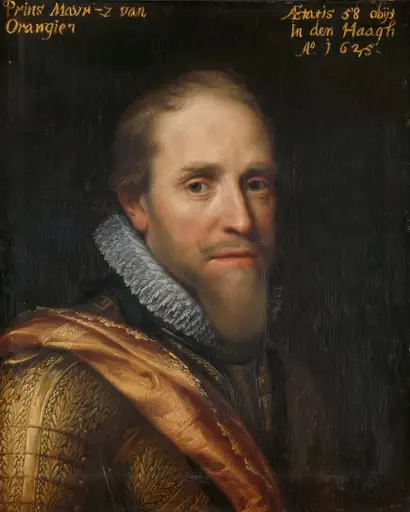 Untitled
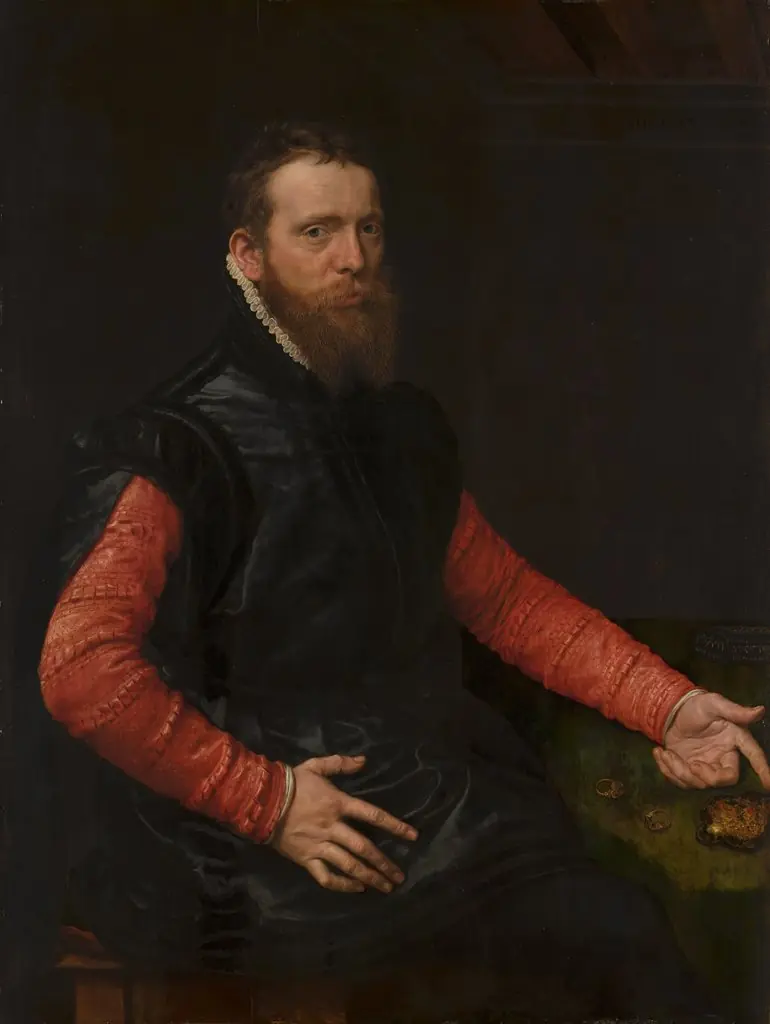 Steven van Herwijck
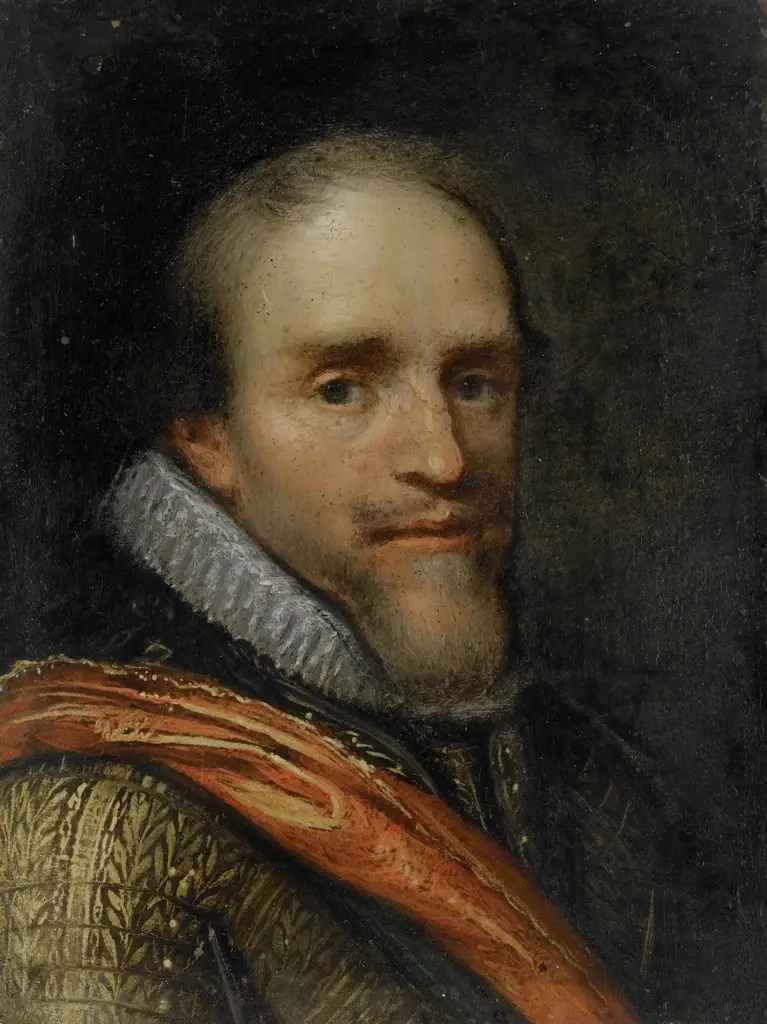 Portrait of Maurits (1567-1625), Prince of Orange
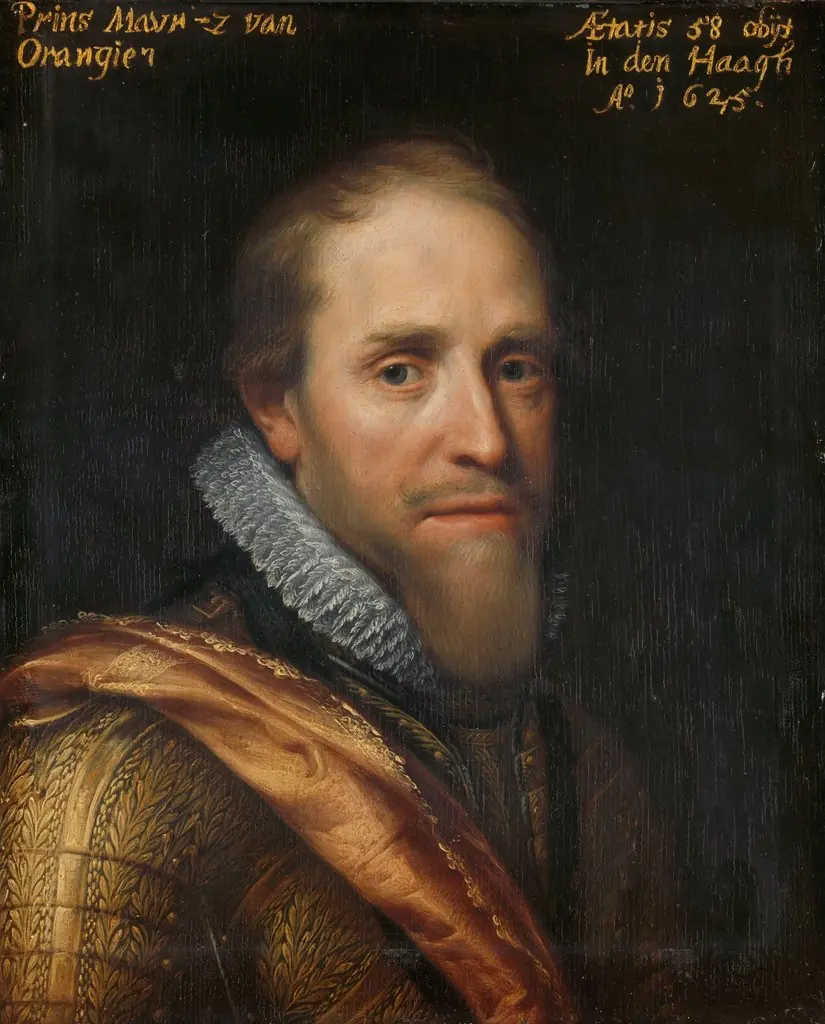 Portrait of Maurits (1567-1625), Prince of Orange
 Portrait of Bartholomeus van der Wiere (1534-1603)
 Portrait of a Man