Artwork
Portrait of a boy
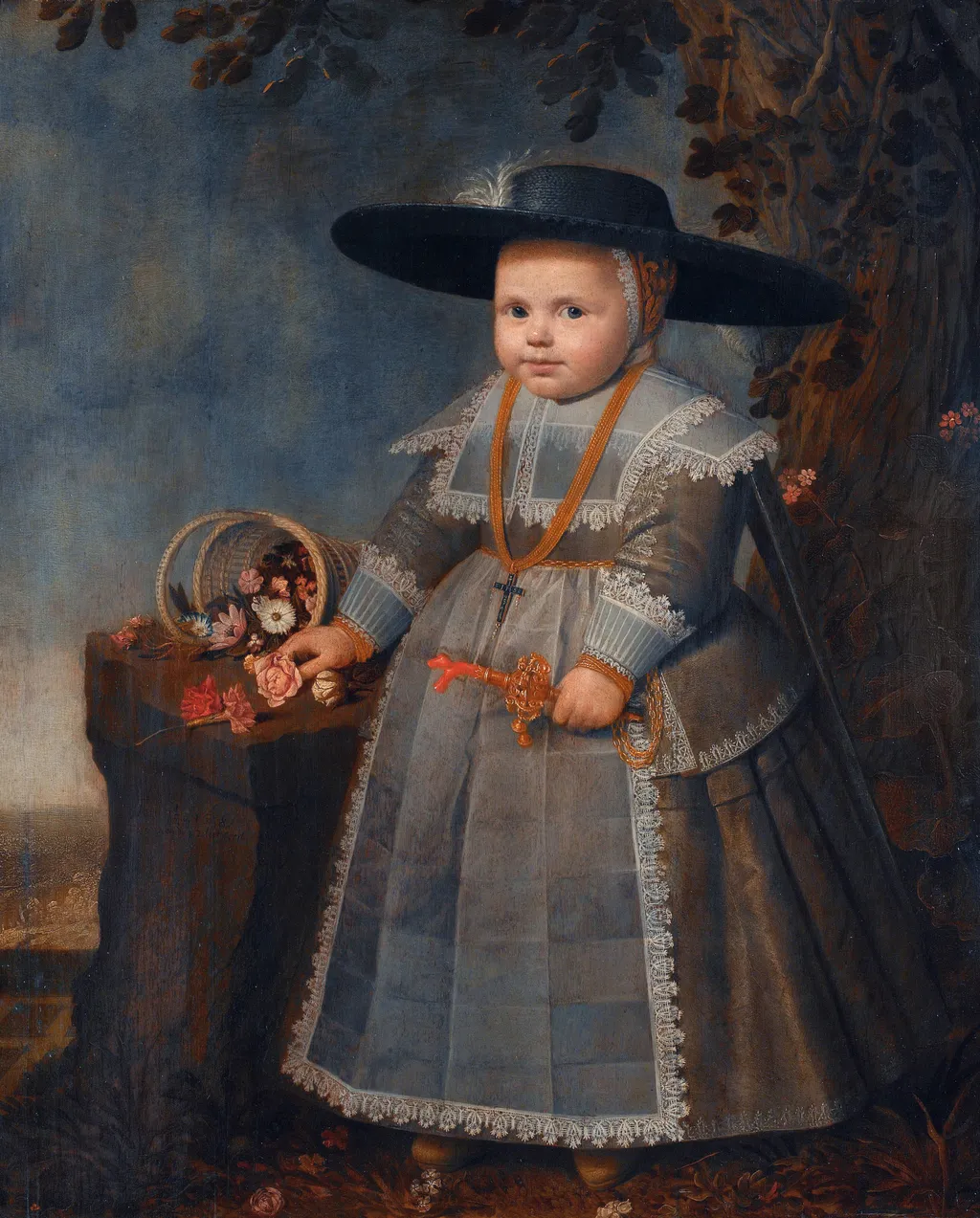
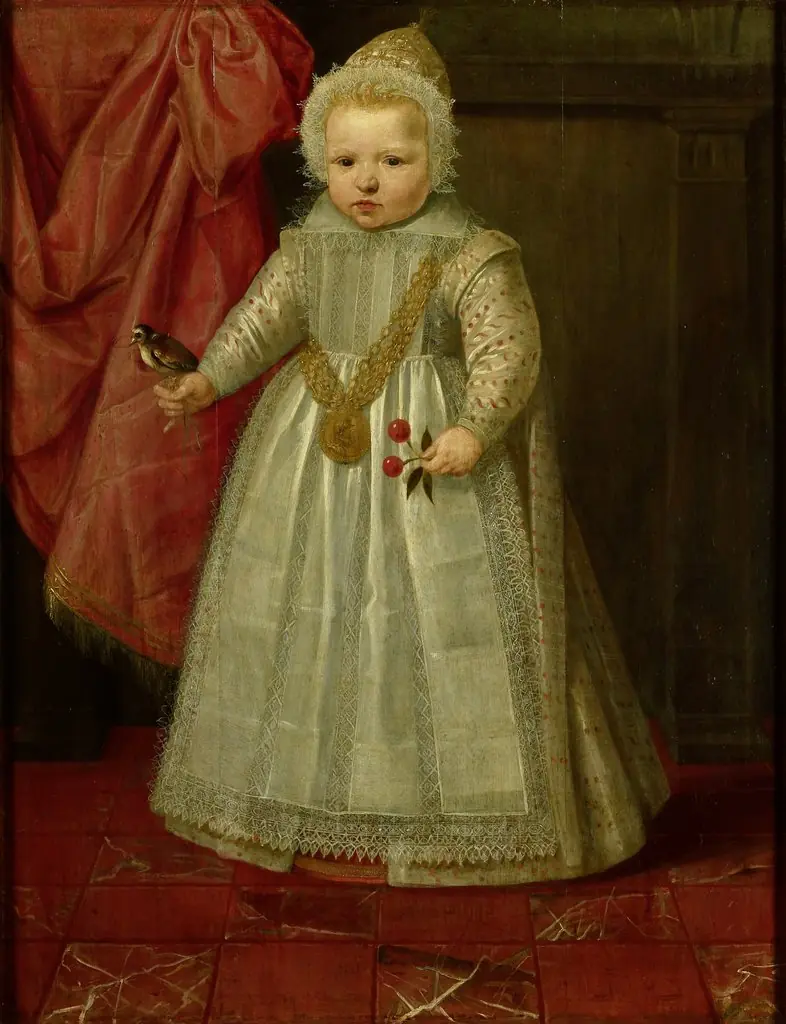
Portrait of a boy is an oil painting by the Dutch Golden Age artist Willem van der Vliet. It dates from 1638 and is held in the collection of the Rijksmuseum.
About this work
Overview
Willem van der Vliet’s 1638 oil painting titled *Portrait of a Boy* presents a young male figure against a dark, leafy backdrop. The work is part of the Rijksmuseum’s collection and exemplifies the Dutch portrait tradition of the early seventeenth century, focusing on a single sitter rendered with careful attention to attire and accessories.
Subject & Meaning
The sitter, a boy of indeterminate age, is shown holding a basket brimming with flowers and fruit in one hand, while the other rests on a decorative red‑and‑gold key. The inclusion of these objects may allude to themes of abundance, innocence, or the transition from childhood to maturity, common motifs in period portraiture.
Technique & Style
Van der Vliet employs a subtle chiaroscuro, allowing the illuminated figures and the vivid colors of the basket’s contents to emerge from the shadowy background. The contrast between the dark foliage and the bright floral arrangement highlights the sitter’s features and clothing, while the fine rendering of lace trim demonstrates the artist’s skill in texture.
History & Provenance
Created in 1638, the painting entered the Rijksmuseum’s holdings as part of its extensive Dutch Golden Age collection. Its provenance prior to museum acquisition remains undocumented in public records, but the work has been consistently attributed to van der Vliet, confirming its place within his oeuvre.
Context
The portrait reflects the Dutch Republic’s growing middle‑class patronage, where even modestly aged children were depicted in elaborate dress for family records. The attire—a wide‑brimmed hat, dark coat with lace edging, and a light shirt—suggests a formal occasion, aligning the work with contemporary customs of presenting children in dignified, yet personalized, settings.
Own this work as a print
Artist & collection