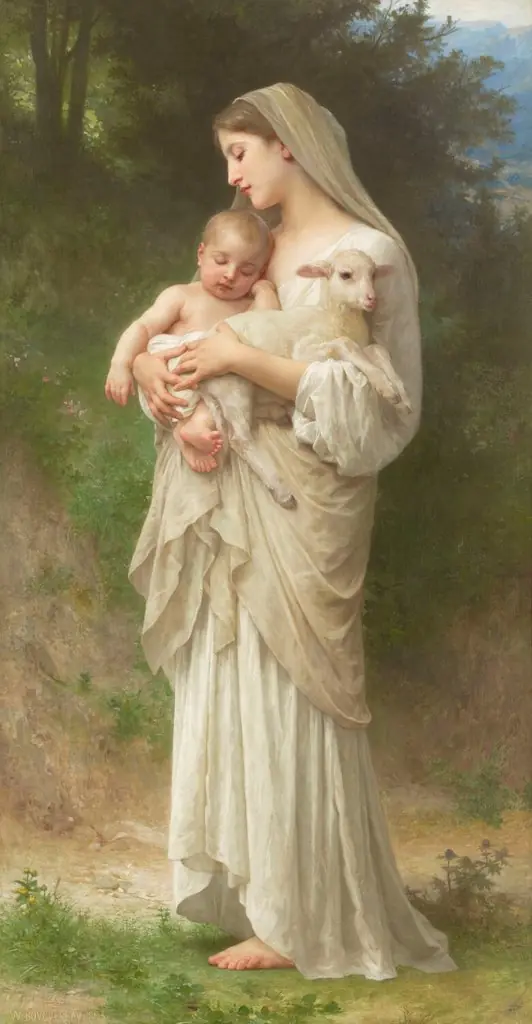
Artwork
Frère et sœur
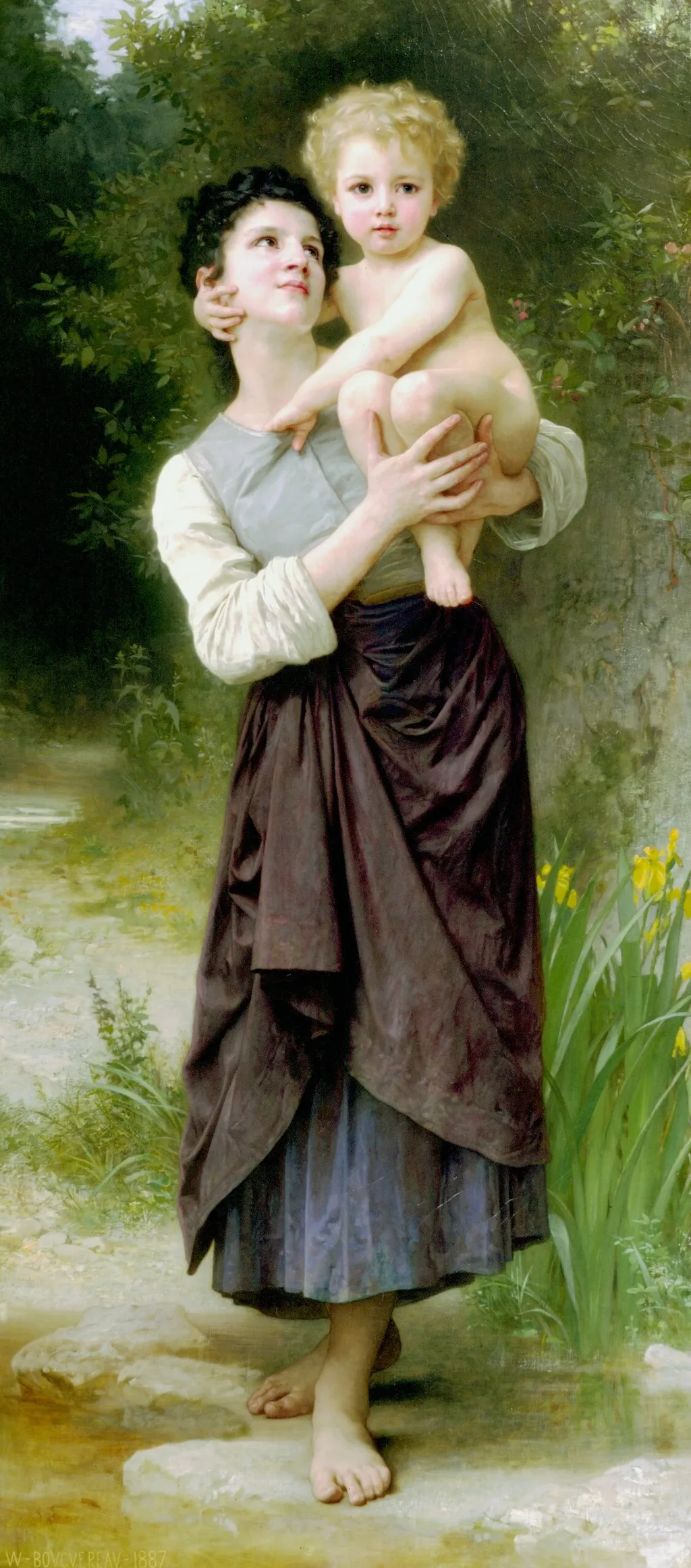
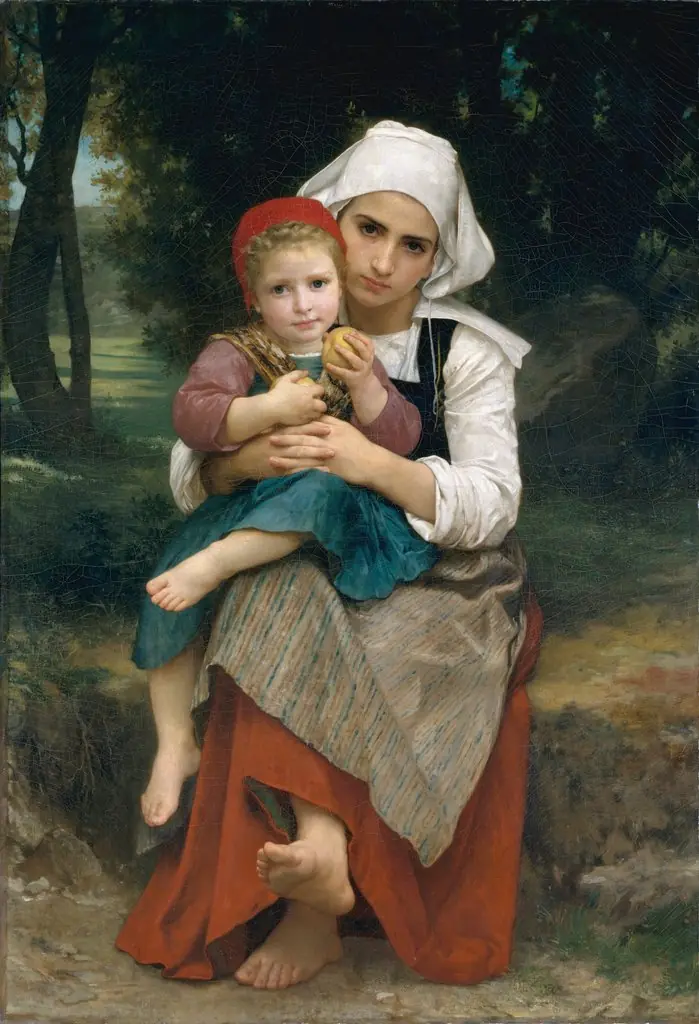
Frère et sœur is an oil painting by the Post-Impressionist artist William Adolphe Bouguereau. It dates from 1894 and is held in the collection of the National Museum of Western Art.
About this work
Overview
His approach prioritized technical refinement and emotional restraint, distinguishing his work from the experimental styles emerging around him.
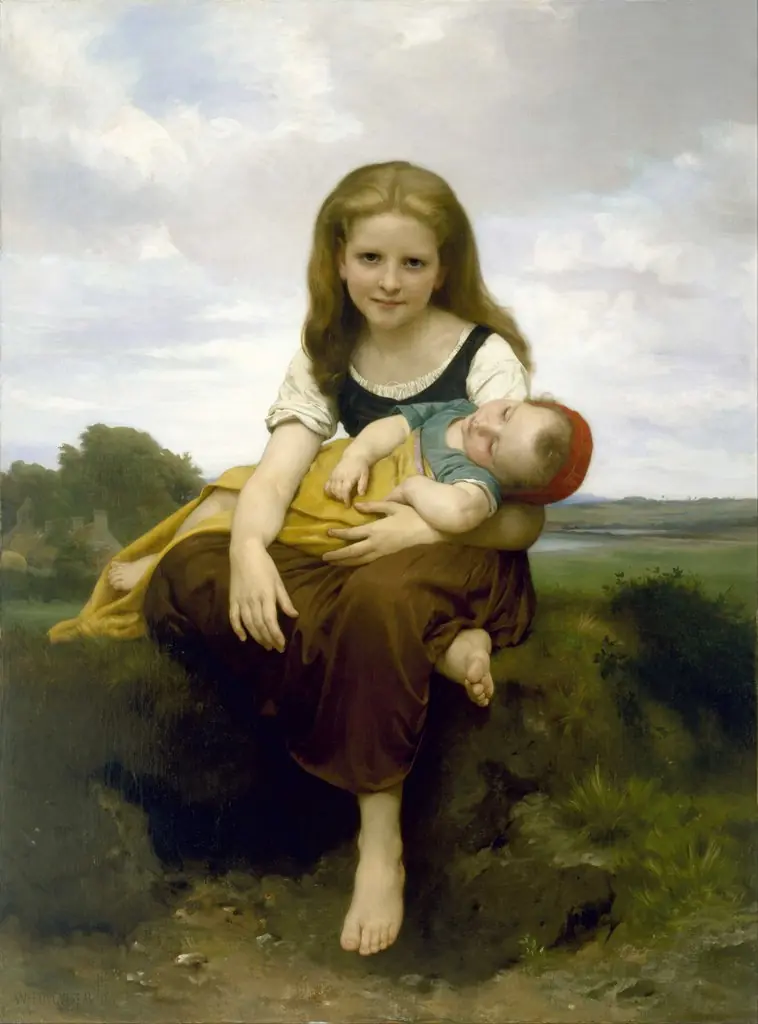
Painted in 1894, *Frère et sœur* is an oil-on-canvas work by William-Adolphe Bouguereau, depicting a sibling pair in a quiet outdoor setting. Though sometimes linked to post-impressionism due to its era, the painting aligns firmly with Bouguereau’s academic training and the formal ideals of the Paris Salon. His approach prioritized technical refinement and emotional restraint, distinguishing his work from the experimental styles emerging around him.
Subject & Meaning
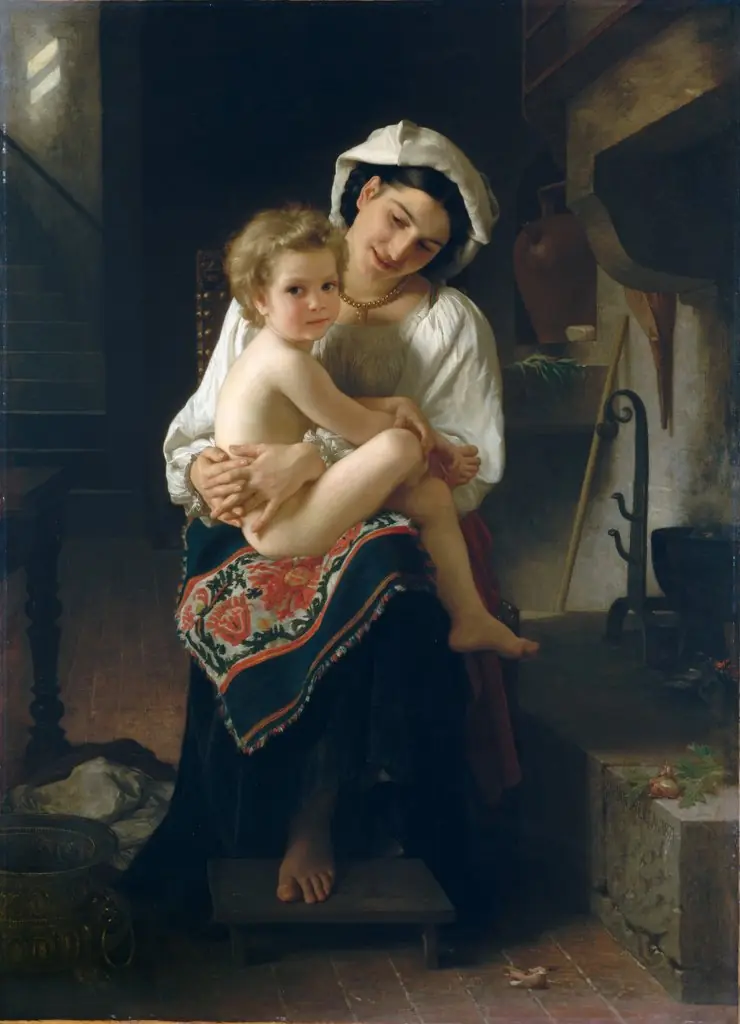
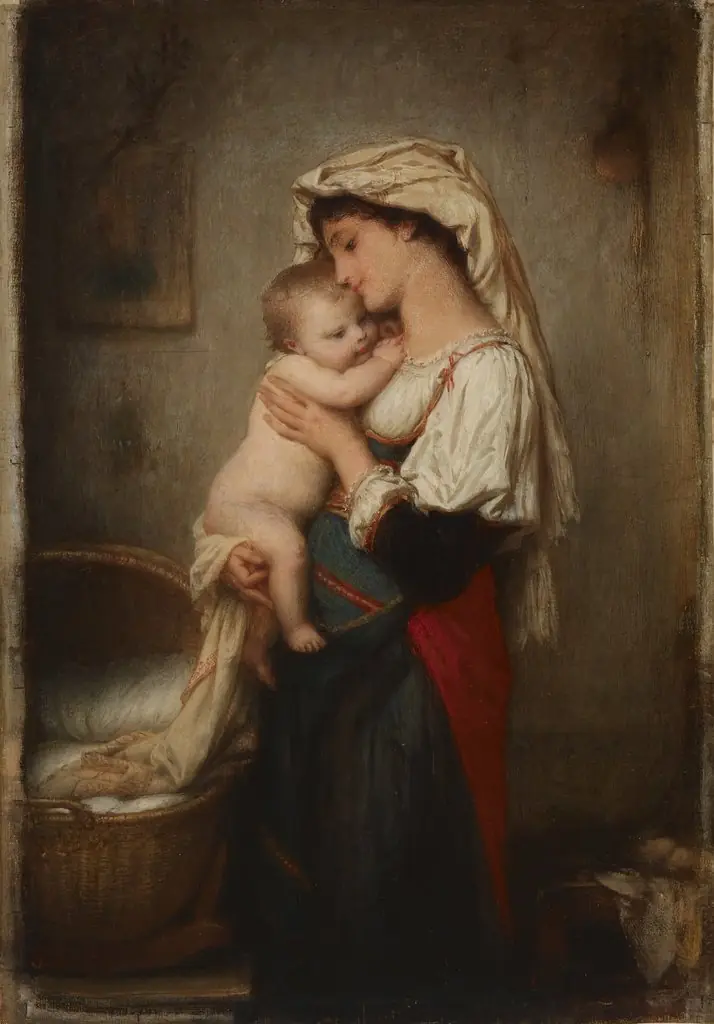
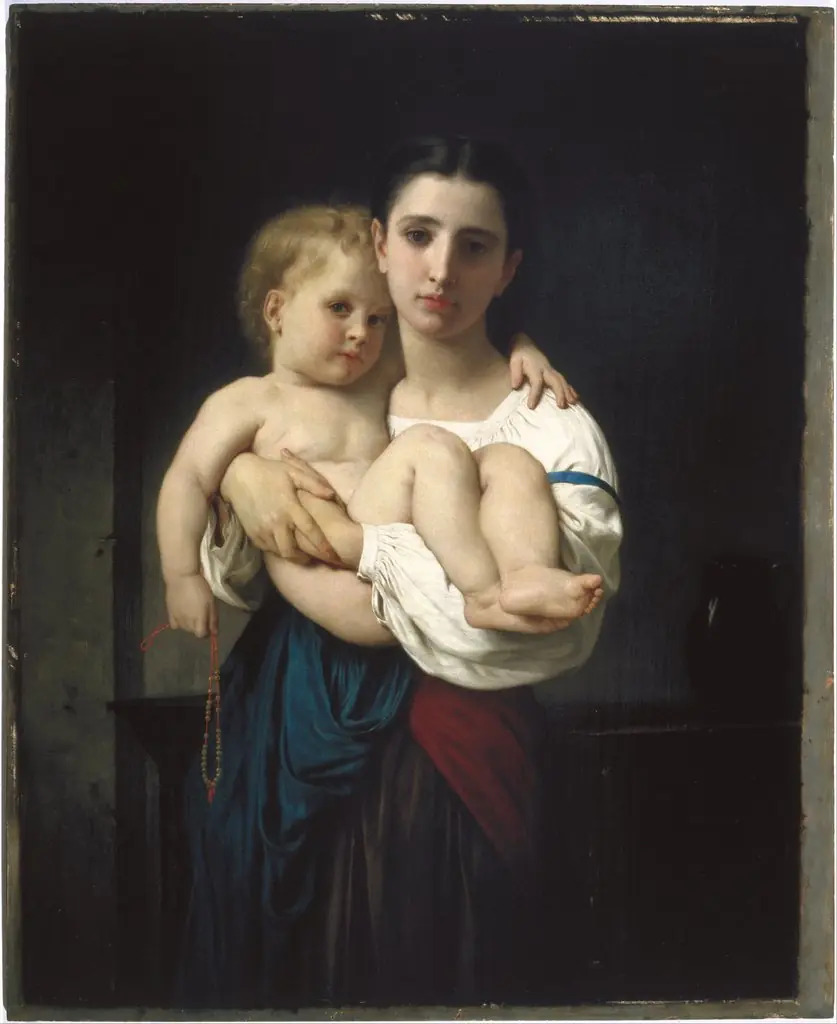
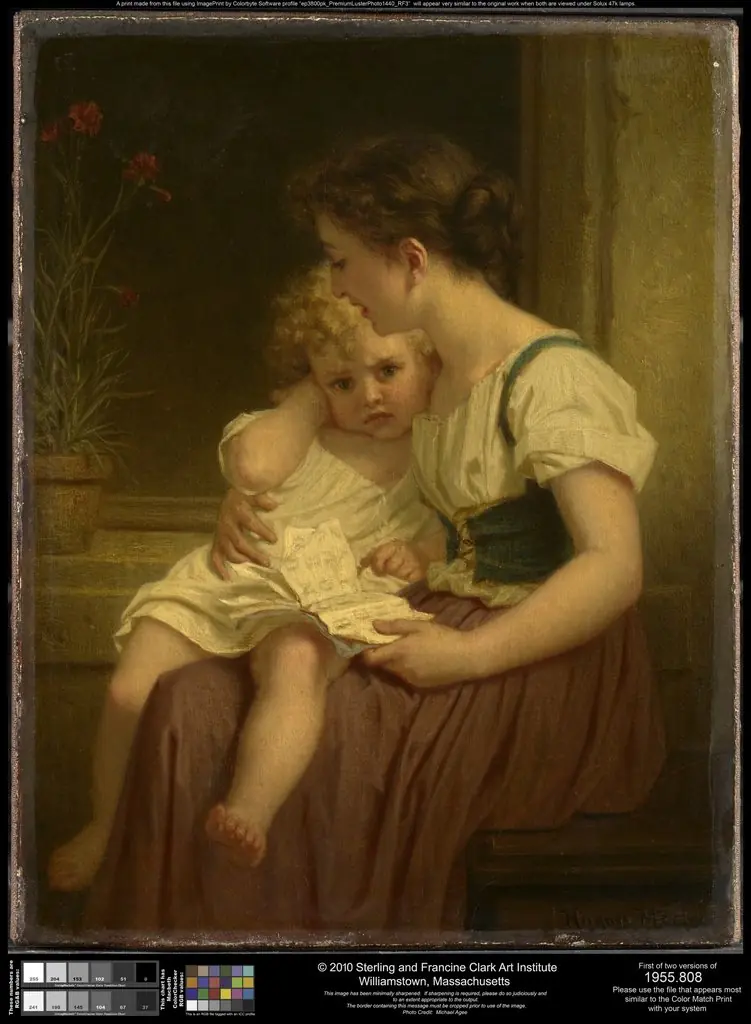
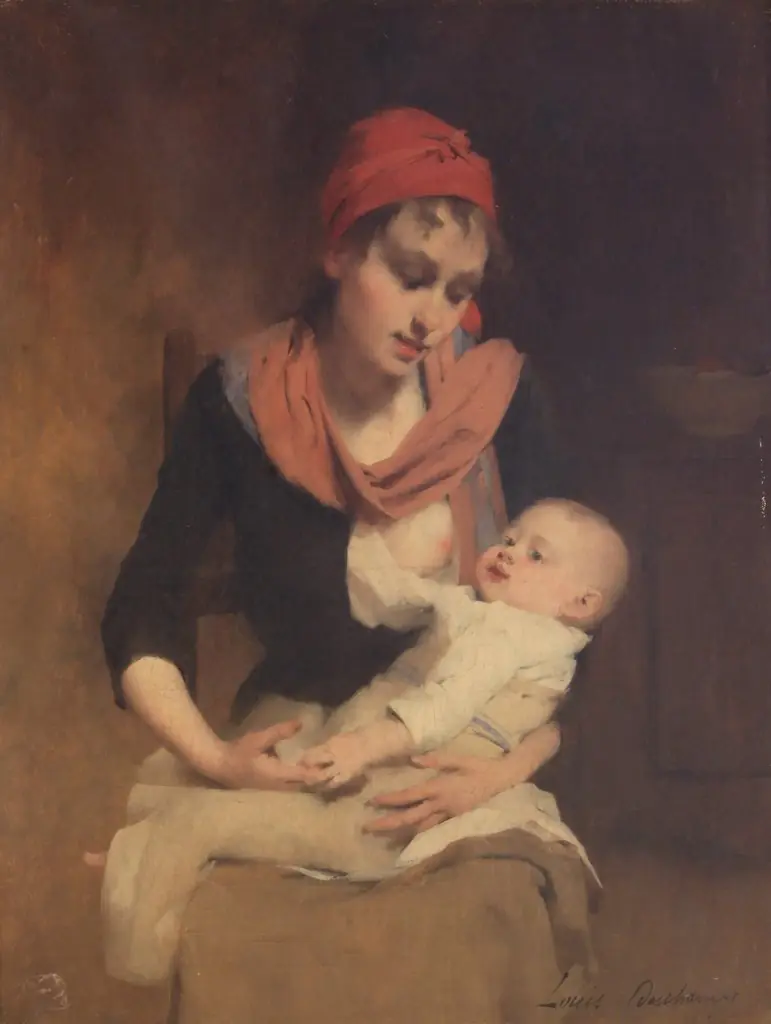
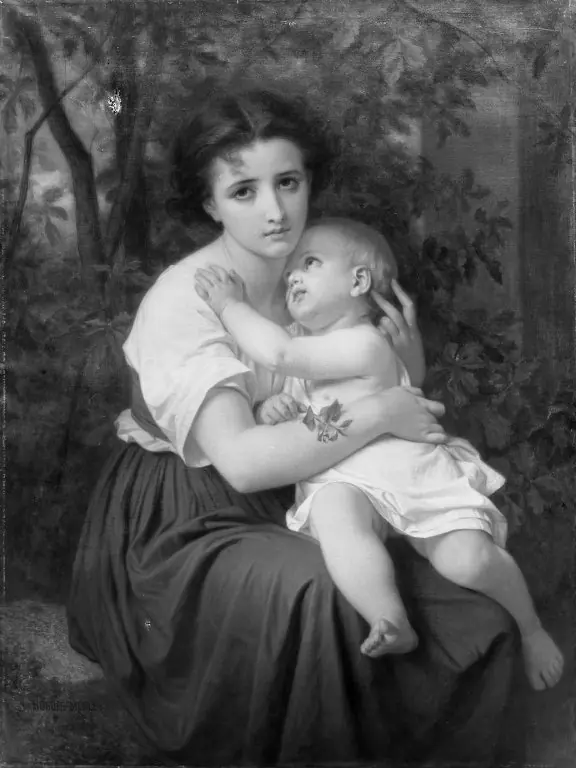
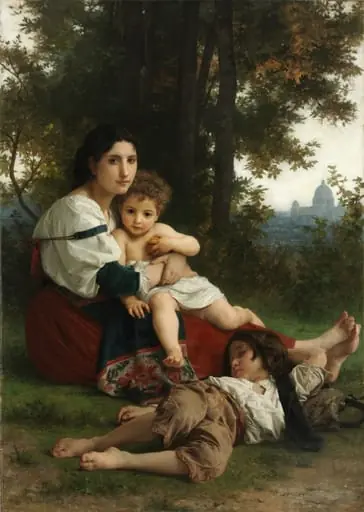
The painting portrays a young woman cradling a naked toddler, their connection conveyed through posture and gaze. The woman looks upward, perhaps in contemplation or prayer, while the child meets the viewer’s eyes directly, creating a subtle bridge between the scene and the observer. The absence of narrative detail invites interpretation rooted in familial tenderness rather than story, emphasizing universal themes of care and innocence.
Technique & Style
Bouguereau applied oil paint with meticulous precision, rendering skin, fabric, and foliage with smooth, almost sculptural detail. Soft chiaroscuro models the figures against a dappled background of greenery and golden blooms, enhancing the sense of warmth and stillness. The contrast between the child’s bare skin and the woman’s layered clothing underscores texture and vulnerability, while the composition’s balance reflects classical ideals of harmony.
History & Provenance
Created during the height of Bouguereau’s career, the painting was exhibited in the Paris Salon, where his work consistently drew public and critical favor. It remained in private collections in Europe and the United States throughout the 20th century, largely untouched by the modernist reevaluation of academic art. Its provenance reflects the transatlantic appeal of his style before its critical decline in the mid-century.
Context
In the late 19th century, Bouguereau’s polished realism stood in contrast to the rising avant-garde movements. While Impressionists sought fleeting light and loose brushwork, he adhered to academic principles: idealized forms, controlled composition, and moral or sentimental themes. *Frère et sœur* exemplifies this stance—its tranquility and polish were celebrated by patrons but later dismissed by critics favoring innovation over tradition.
Legacy
Though Bouguereau’s reputation waned after his death, scholarly interest revived in the late 20th century, recognizing his technical mastery and cultural significance. *Frère et sœur* now serves as a representative example of academic painting’s emotional resonance and formal discipline. It is studied not as a relic of conservatism, but as a product of its time, reflecting the values and aesthetics of a once-dominant artistic establishment.
Artist & collection
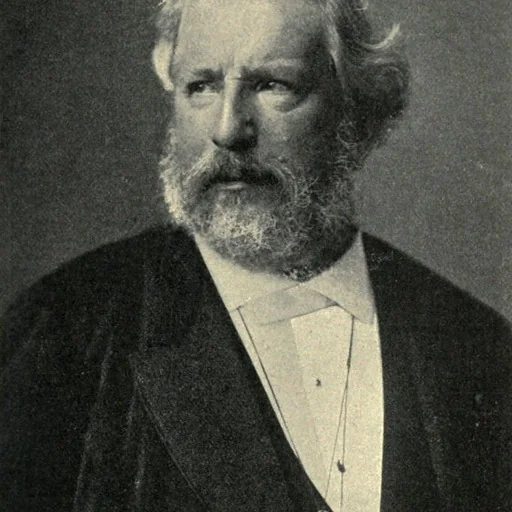
Artist
William-Adolphe Bouguereau (French pronunciation: ; 30 November 1825 – 19 August 1905) was a French academic painter.