Artwork
Portrait of Mrs Ernest Moon
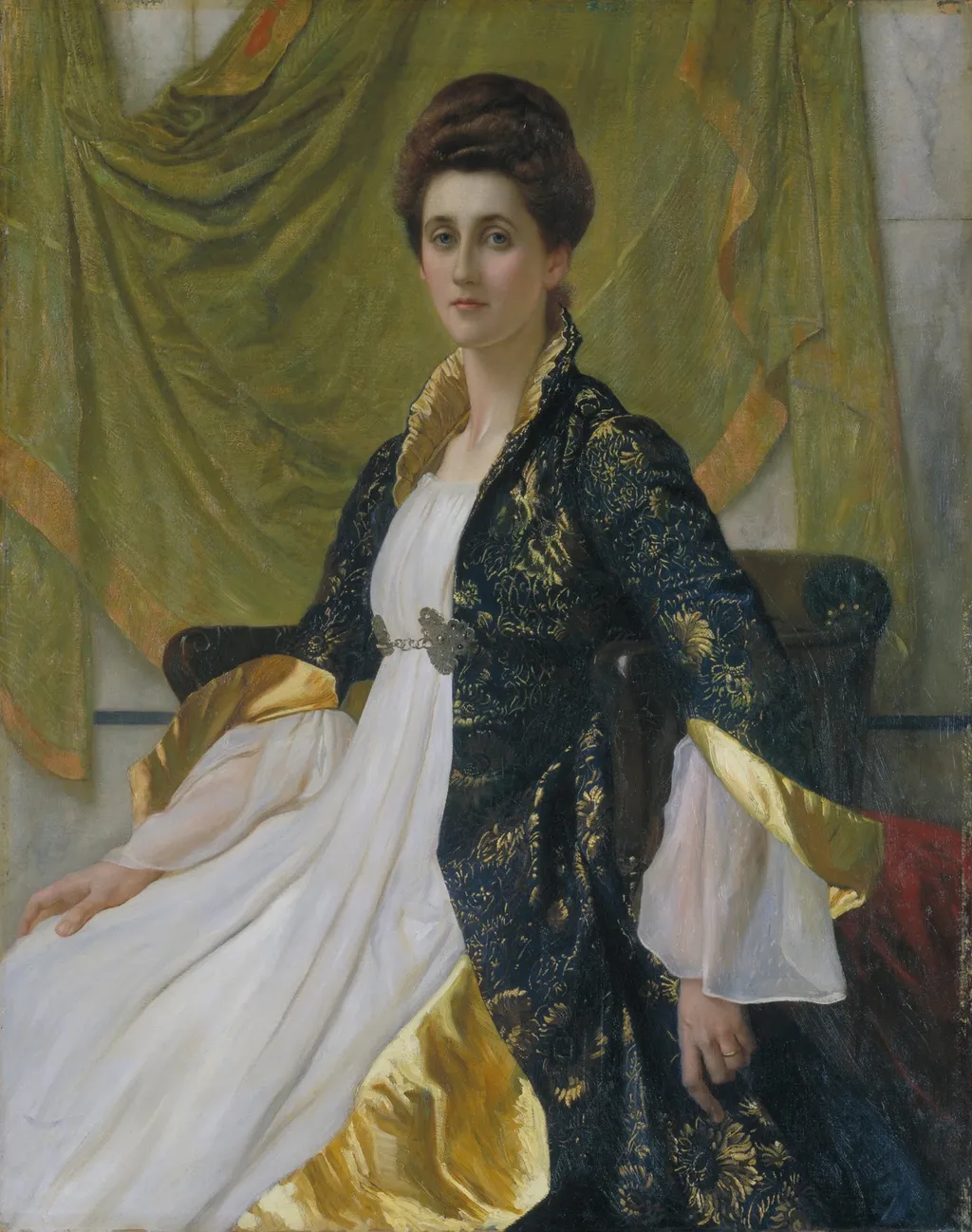
Portrait of Mrs Ernest Moon is an oil painting by the Impressionist artist William Blake Richmond. It dates from 1894 and is held in the collection of the Tate.
About this work
To learn more about the artist's use of chiaroscuro, a technique that emphasizes contrasts between light and dark, explore the works of William Blake Richmond.
The painting depicts a woman sitting in a chair, wearing a long, white dress with a dark, patterned jacket. Her hair is styled in an updo, and she has a ring on her finger. The background features a green curtain.
The woman's attire and hairstyle suggest a formal setting, possibly from the late 19th century. The painting's style and technique are characteristic of the era, with attention to detail and realism.
To learn more about the artist's use of chiaroscuro, a technique that emphasizes contrasts between light and dark, explore the works of William Blake Richmond.
Overview
Painted in 1894, the Portrait of Mrs Ernest Moon is an oil on canvas work by British artist William Blake Richmond. It captures a seated woman in formal attire against a muted green curtain. The painting is part of Tate Britain’s collection and reflects Richmond’s engagement with late Victorian portraiture, blending observed detail with a sensitivity to light and texture that aligns with broader artistic shifts of the period.
Subject & Meaning
The subject, Mrs Ernest Moon, is depicted in a composed, dignified posture, her white dress and dark patterned jacket suggesting upper-class status and evening wear. Her updo and finger ring reinforce a sense of social refinement. The portrait does not convey narrative or emotion but instead presents a quiet assertion of identity, typical of commissioned portraits that emphasized presence over psychological depth.
Technique & Style
Richmond employed a controlled brushwork that balances realism with subtle atmospheric effects. Light falls softly across the figure, defining form without harsh shadows, and the texture of fabric is rendered with precision. While not strictly Impressionist, the painting shows an awareness of contemporary concerns with light and surface, avoiding the rigidity of academic tradition while retaining clarity of detail.
History & Provenance
Commissioned in the mid-1890s, the portrait remained in private hands before entering Tate Britain’s collection. Its acquisition reflects the institution’s interest in documenting British portraiture of the late 19th century. Richmond’s reputation as a painter and decorative artist lent the work institutional significance, particularly given his contributions to public art projects such as mosaics in St Paul’s Cathedral.
Context
Created during a period of transition in British art, the portrait responds to both academic conventions and emerging modern sensibilities. Richmond, though associated with the Arts and Crafts Movement through his mosaic work, approached portraiture with a restrained elegance. The painting sits between the formality of Victorian ideals and the looser handling favored by newer generations of painters.
Legacy
The portrait endures as a representative example of Richmond’s skill in capturing quiet individuality. While not widely exhibited, it contributes to understanding how British artists negotiated tradition and innovation in the decades before modernism. Its presence in Tate Britain ensures continued access for study, offering insight into the social and aesthetic values of its time.
Own this work as a print
Artist & collection
Artist
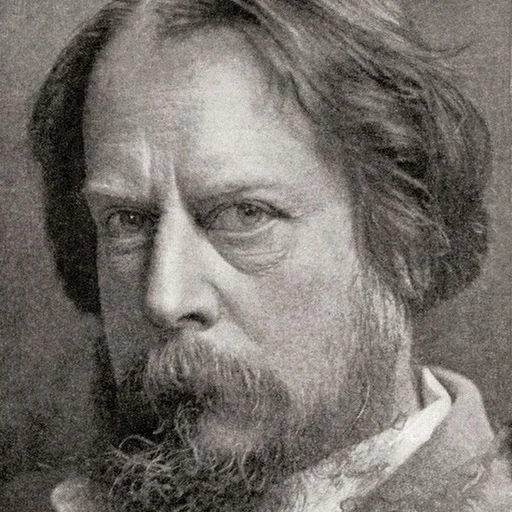
Sir William Blake Richmond PPRBSA (29 November 1842 – 11 February 1921) was a British painter, sculptor and a designer of stained glass and mosaic.

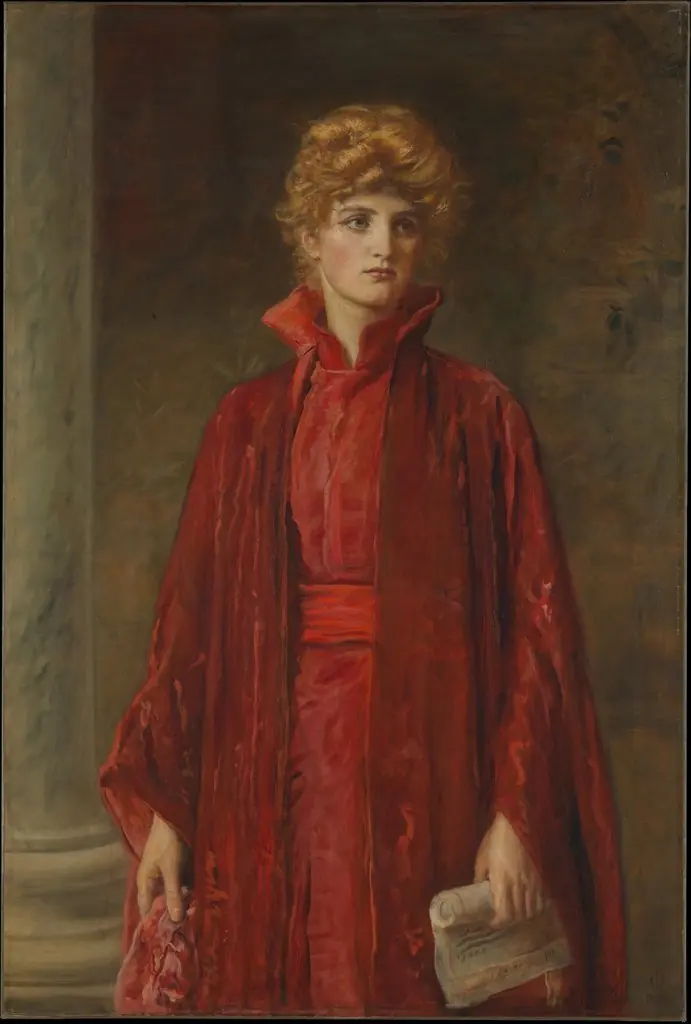 Portia
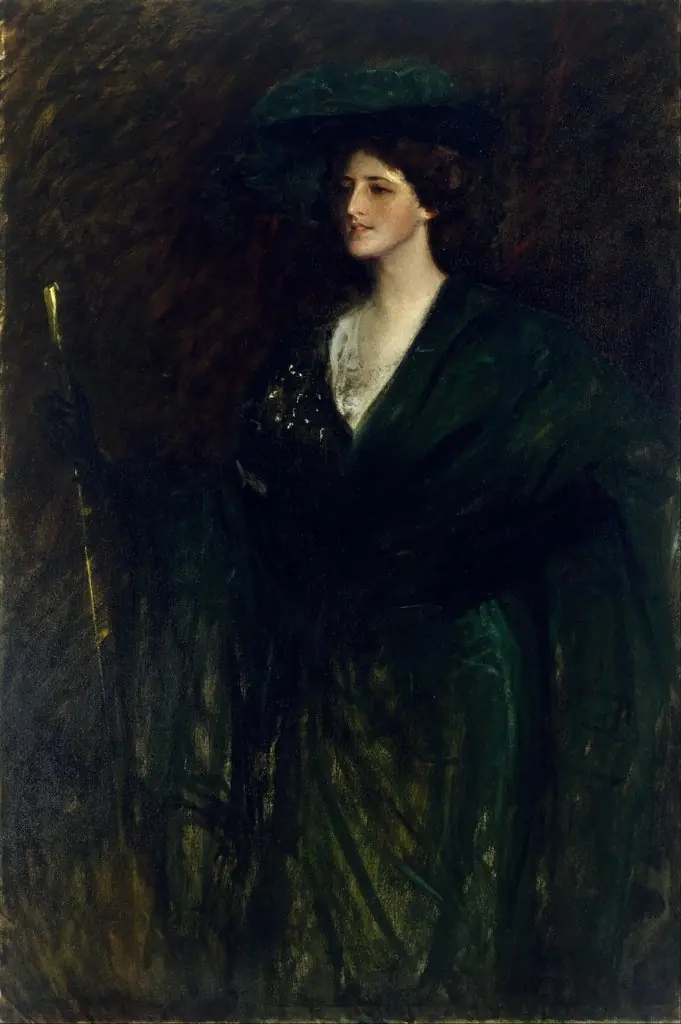 The Emerald Lady
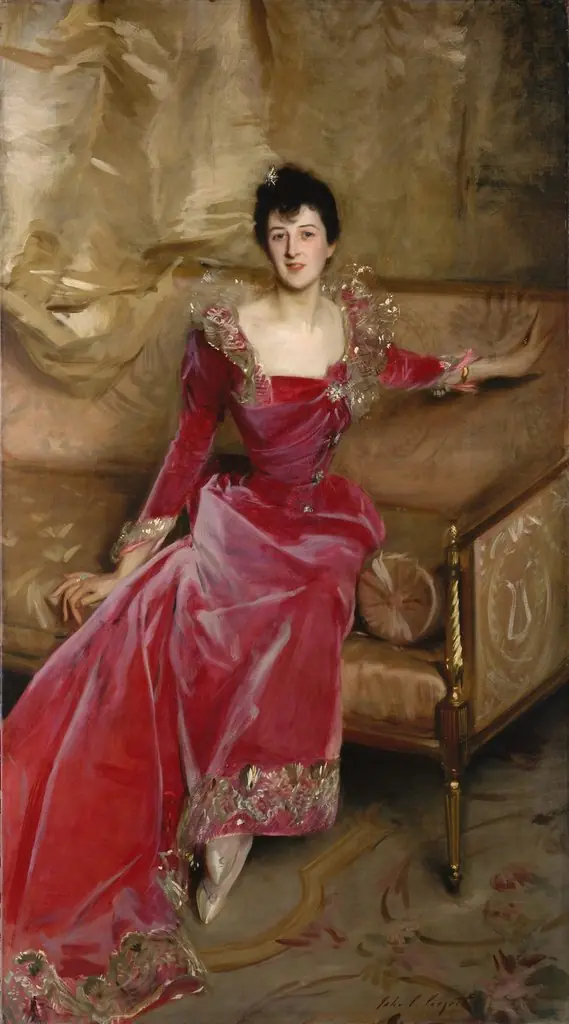 Mrs. Hugh Hammersley
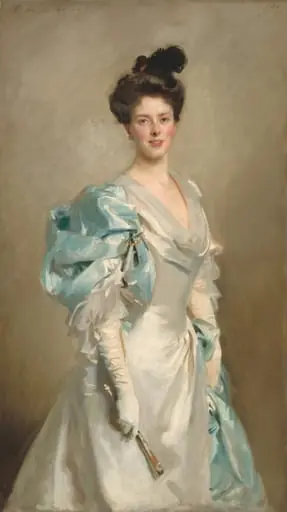 Mary Crowninshield Endicott Chamberlain (Mrs. Joseph Chamberlain)
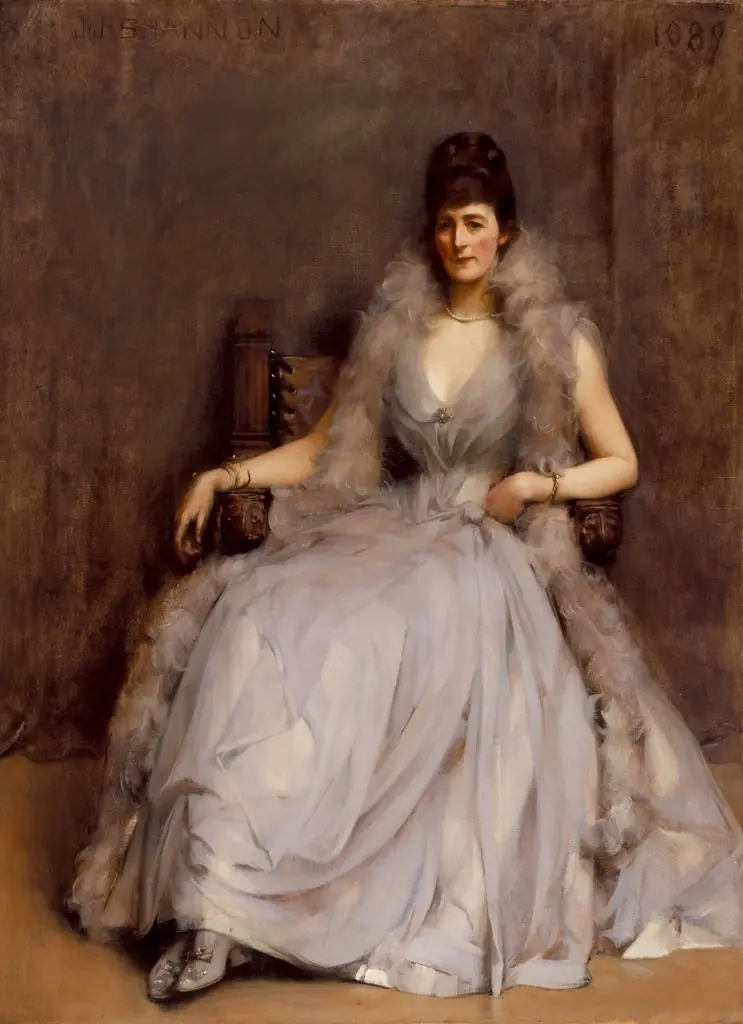 Portrait of Cecilia Tower
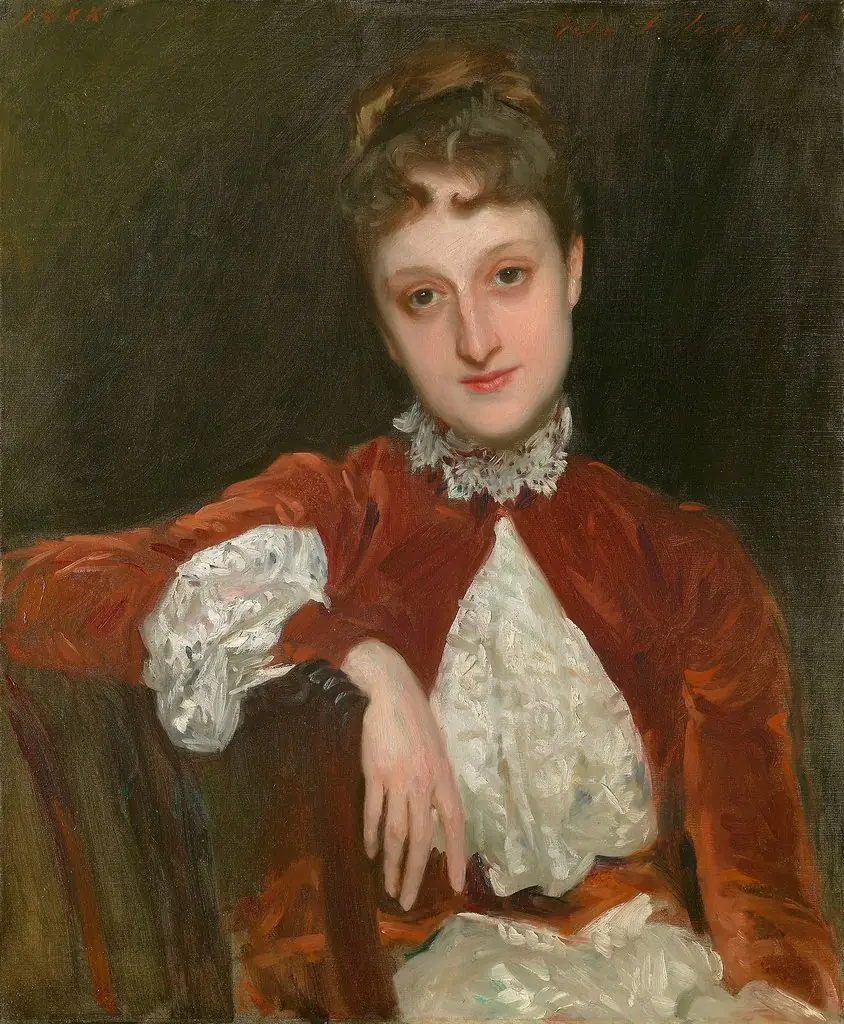 Mrs. Charles Deering (Marion Denison Whipple)
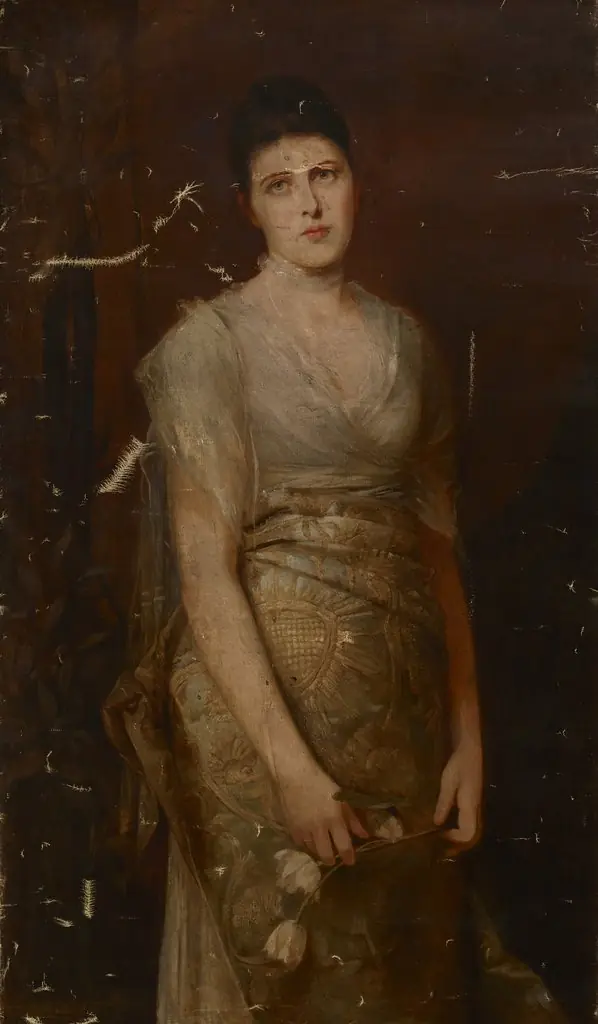 Portrait of Alicja Worms
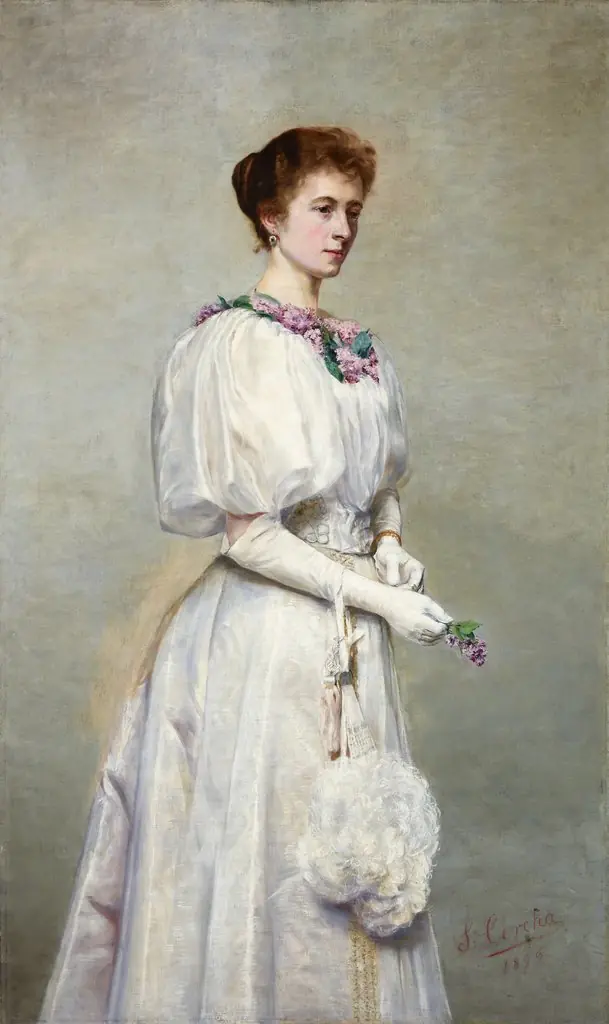 Portrait of Helena Cerchowa
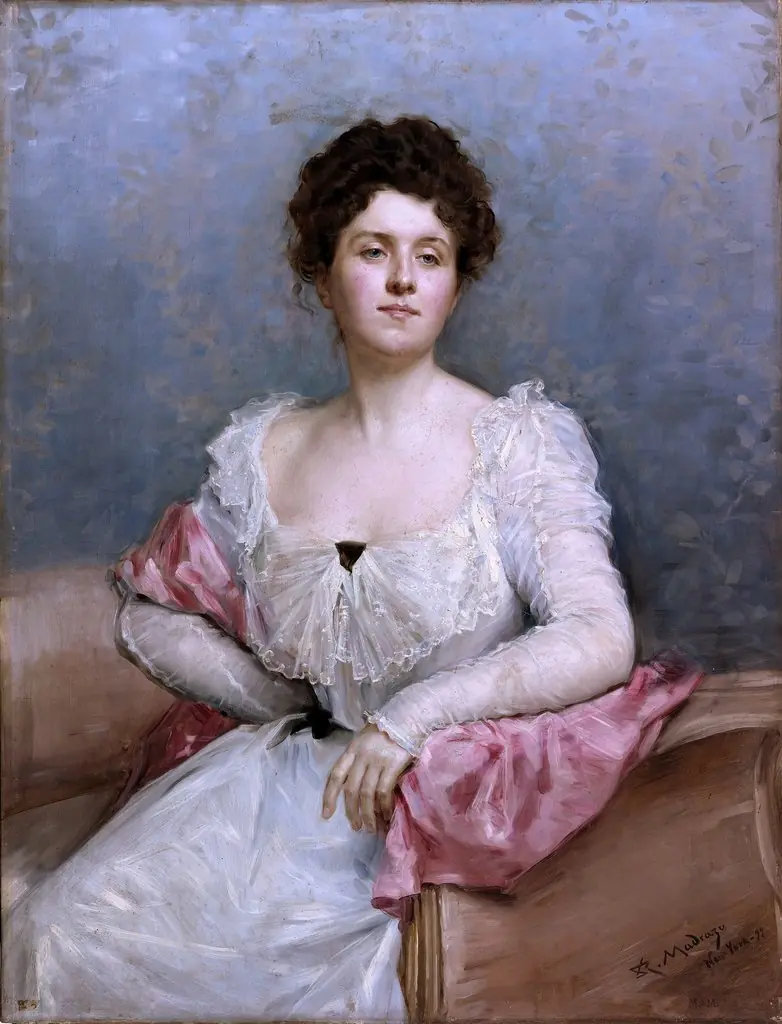 Elsie Woodbury Brown
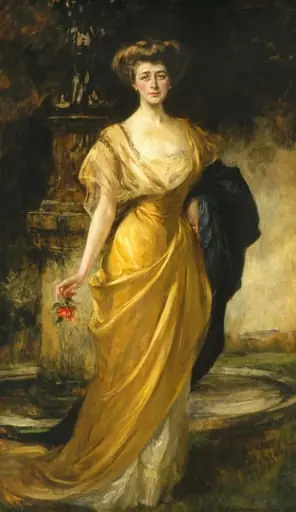 Nora McMullen Mellon (Mrs. Andrew W. Mellon)
 Miss Thea Proctor
 Portrait of Lady Armstrong (née Ferrard)