Artwork
Self-portrait
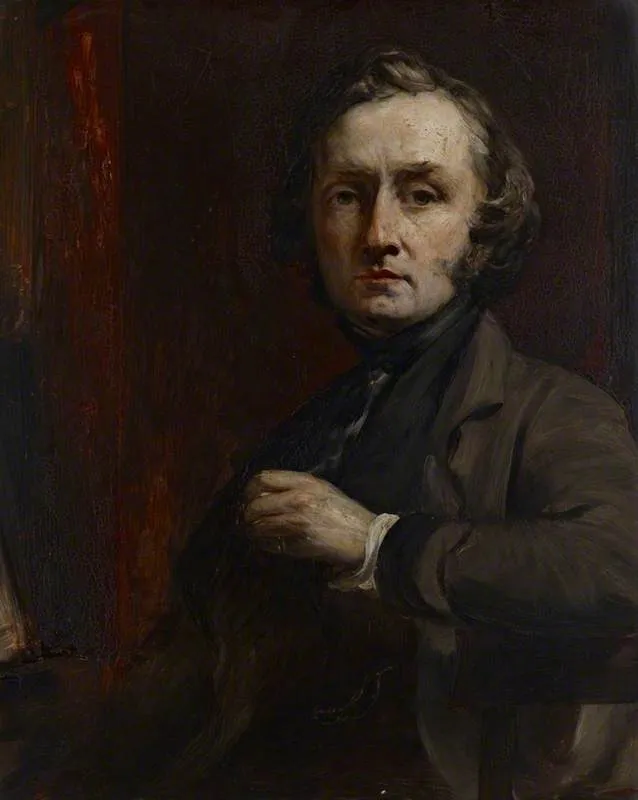
Self-portrait is an oil painting by the British Romanticist artist William Bonnar. It dates from 1853 and is held in the collection of the National Galleries Scotland.
About this work
Overview
The painting resides in the collection of the Scottish National Gallery, where it serves as a quiet record of the artist’s presence at mid-career.
Painted in 1853, this oil on canvas work is a self-portrait by Scottish artist William Bonnar. It presents the artist in a contemplative pose, dressed in a dark coat with arms folded. The composition is tightly focused on his upper body and face, set against a deep, muted background. The painting resides in the collection of the Scottish National Gallery, where it serves as a quiet record of the artist’s presence at mid-career.
Subject & Meaning
Bonnar depicts himself with a restrained, introspective demeanor. His crossed arms and solemn gaze suggest self-reflection rather than display. The absence of props or symbolic elements shifts attention entirely to his countenance, implying an emphasis on personal identity over external status. The painting conveys a sense of quiet dignity, characteristic of 19th-century artistic self-representation in Scotland.
Technique & Style
The artist employs chiaroscuro to model his features, using strong contrasts between light and shadow to define the planes of his face and hands. The pale skin catches a soft, directional light, while the surrounding darkness recedes, isolating the figure. Brushwork is precise yet unobtrusive, favoring tonal harmony over decorative detail. The faint red accent in the upper corner adds subtle warmth without disrupting the somber tone.
History & Provenance
Created in 1853, the portrait remained in the artist’s possession until it entered the Scottish National Gallery’s collection. Its acquisition reflects the institution’s early commitment to documenting Scottish artists. No significant alterations or reworkings are recorded, and the painting has been consistently attributed to Bonnar since its entry into the national collection.
Context
In mid-19th-century Scotland, self-portraiture was a modest but meaningful practice among artists seeking to assert professional identity. Bonnar’s work aligns with a tradition of restrained, psychologically grounded portraits, distinct from the flamboyance of contemporary European models. His choice to focus on facial expression and posture reflects broader cultural values of modesty and introspection in artistic circles.
Legacy
Though not widely reproduced, the portrait remains a key example of Scottish academic portraiture from the period. It offers insight into how artists of the time presented themselves without theatricality. The work continues to inform studies of 19th-century Scottish art, particularly in understanding the quiet self-representation favored by provincial practitioners.
Artist & collection

 Self-Portrait
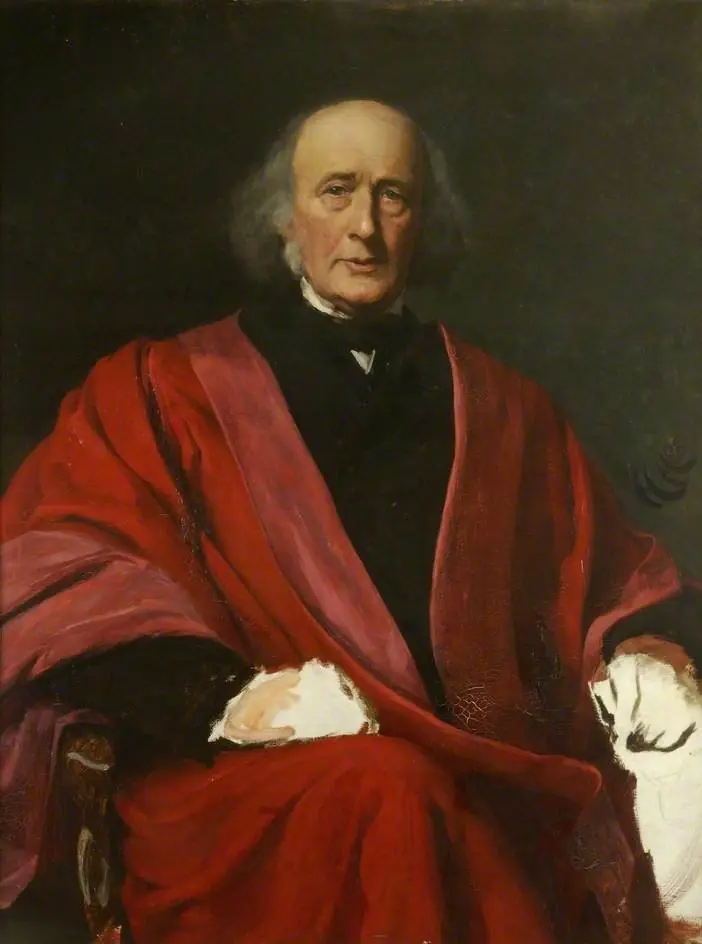 Study of Sir Henry Wentworth Acland
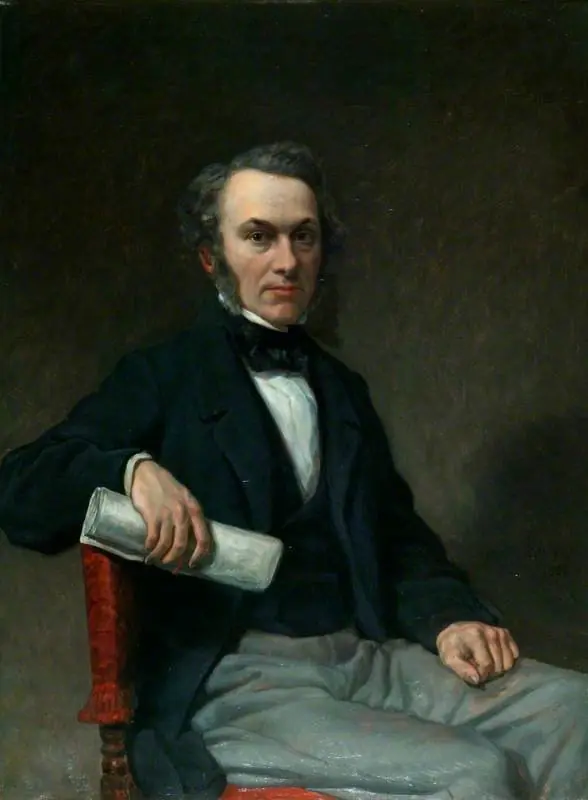 Richard Cobden (1804–1865), MP
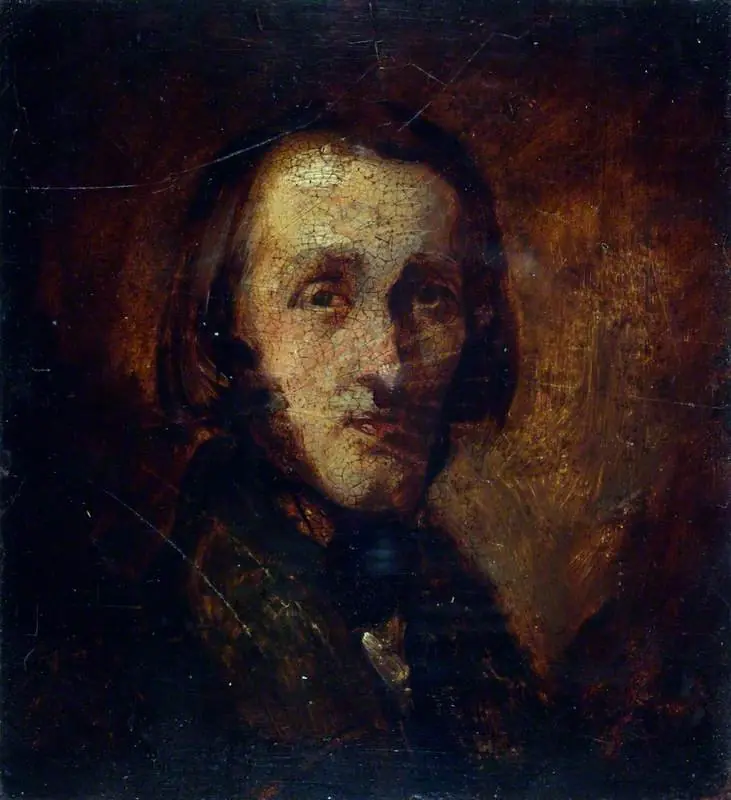 Portrait of a Man
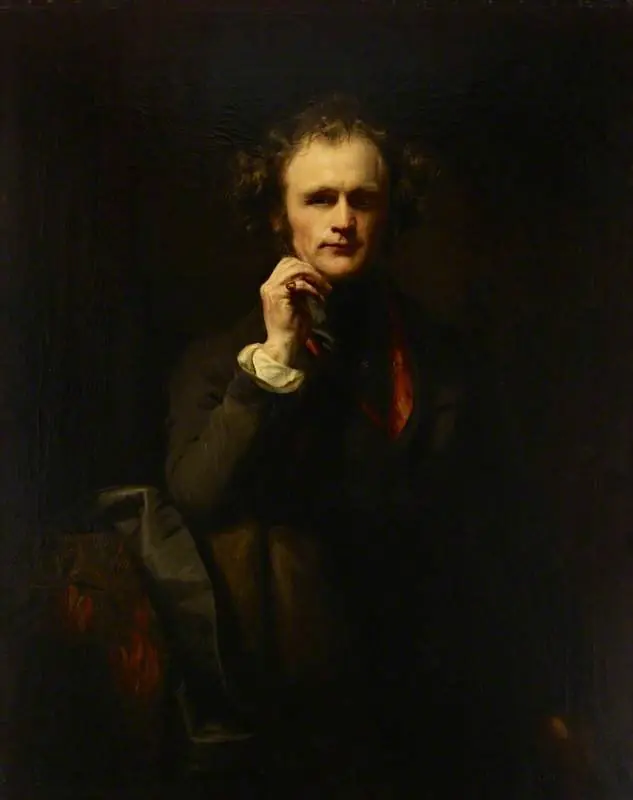 Self-portrait
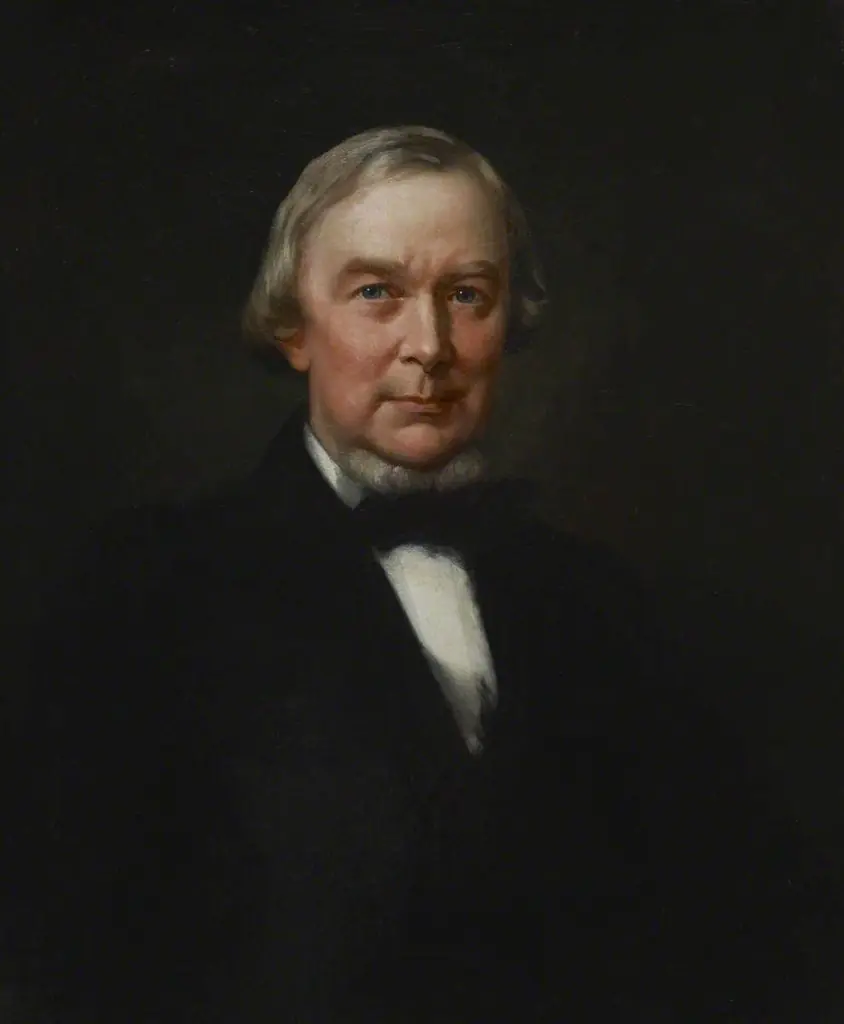 John Winter Jones (1805–1881), Principal Librarian (1866–1878)
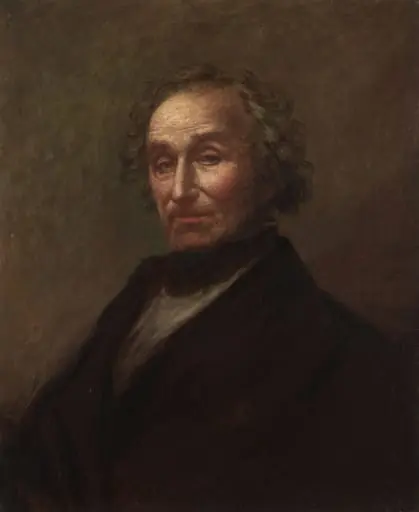 Alvan Clark
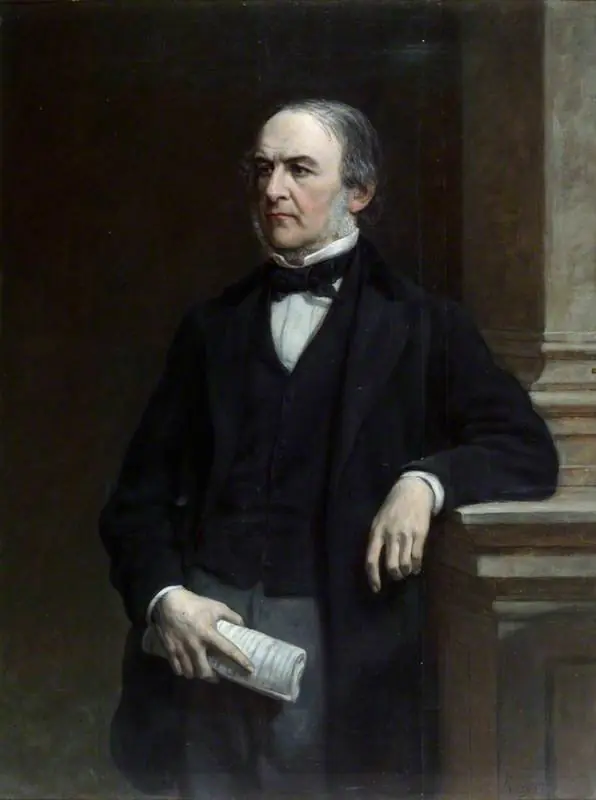 The Right Honourable William Ewart Gladstone (1809–1898), MP
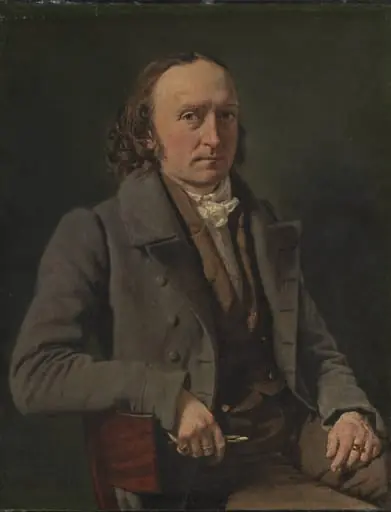 Self-Portrait
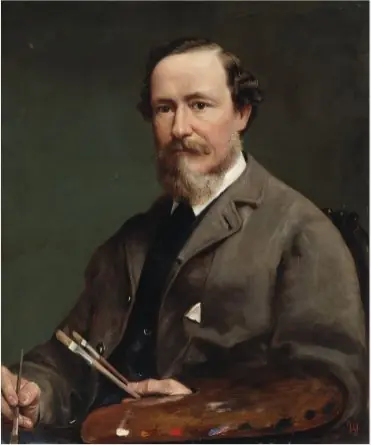 Portrait of B. Colles Watkins (1833-1891), Landscape Painter
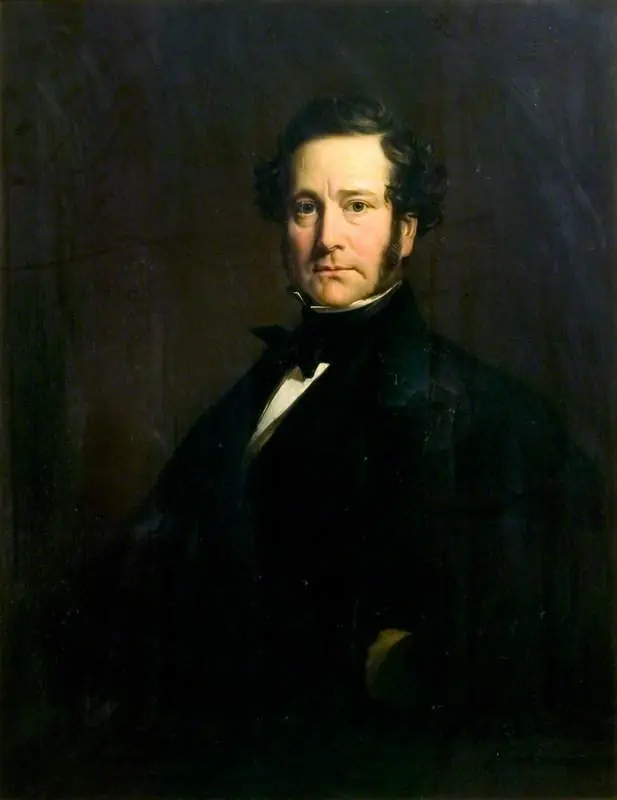 Sir Joshua Walmsley (1794–1871), MP
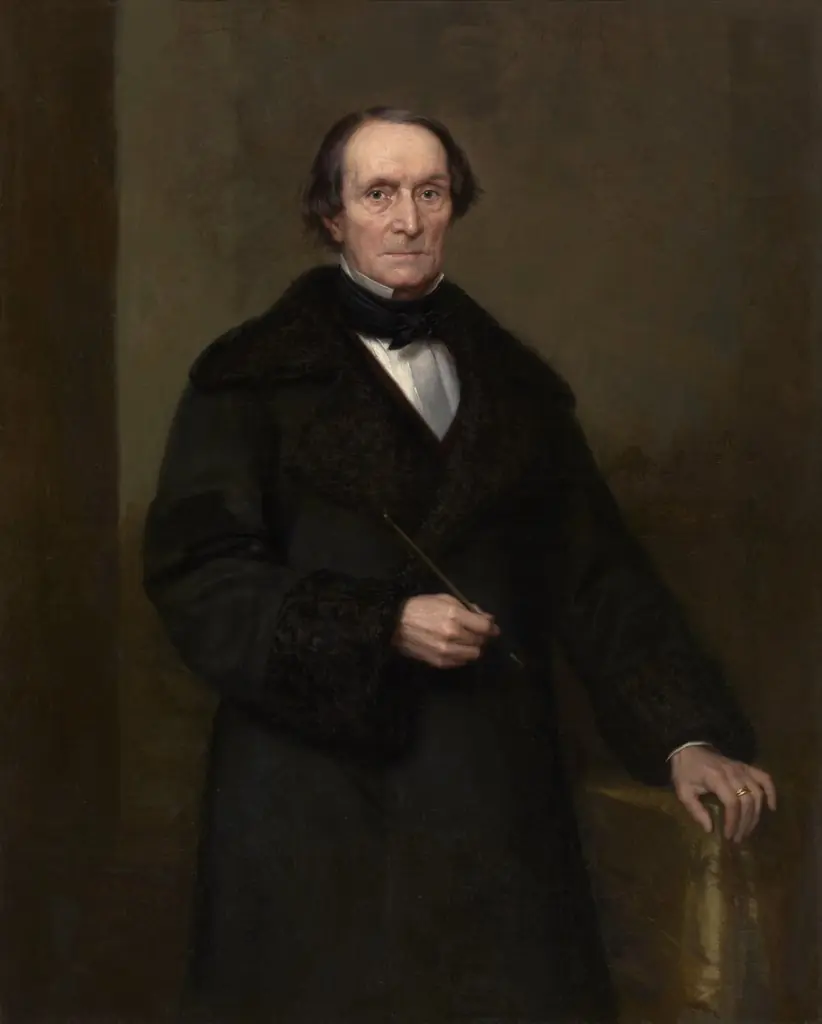 The Painter Peter von Cornelius