Artwork
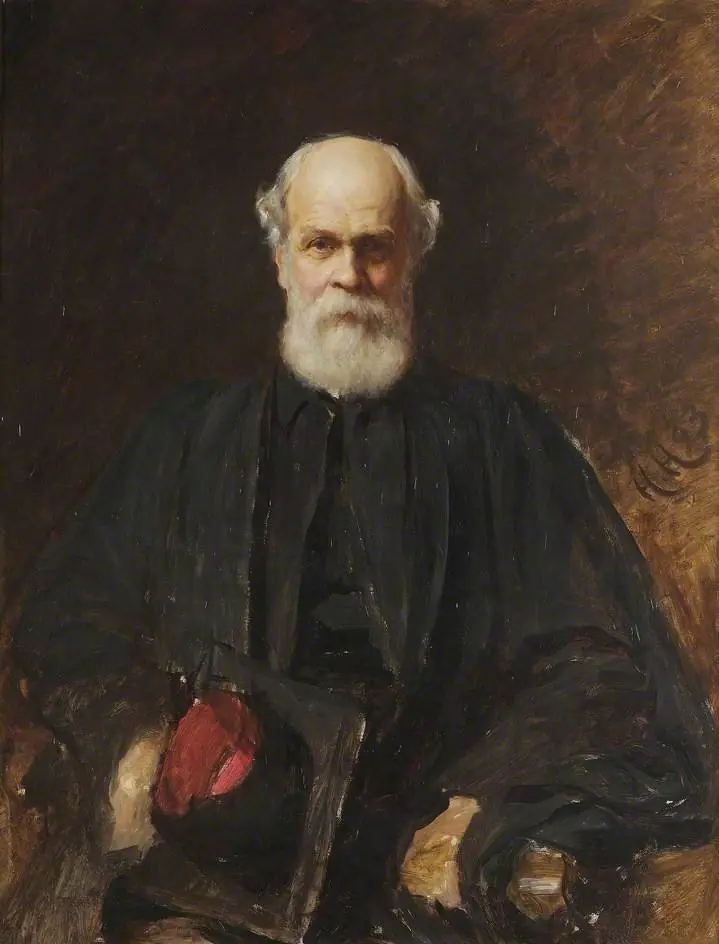
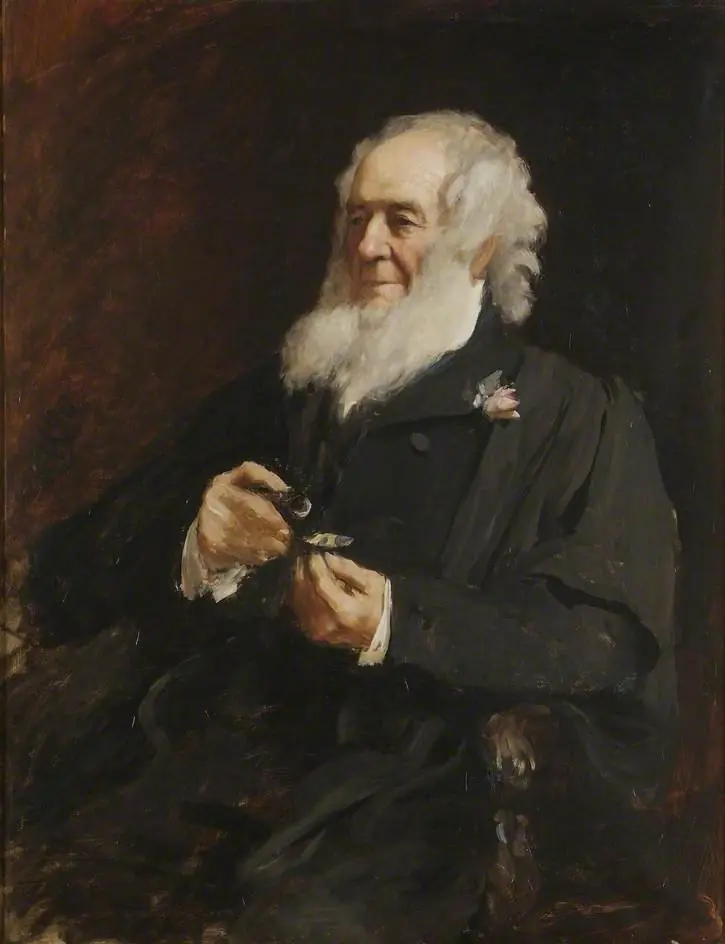
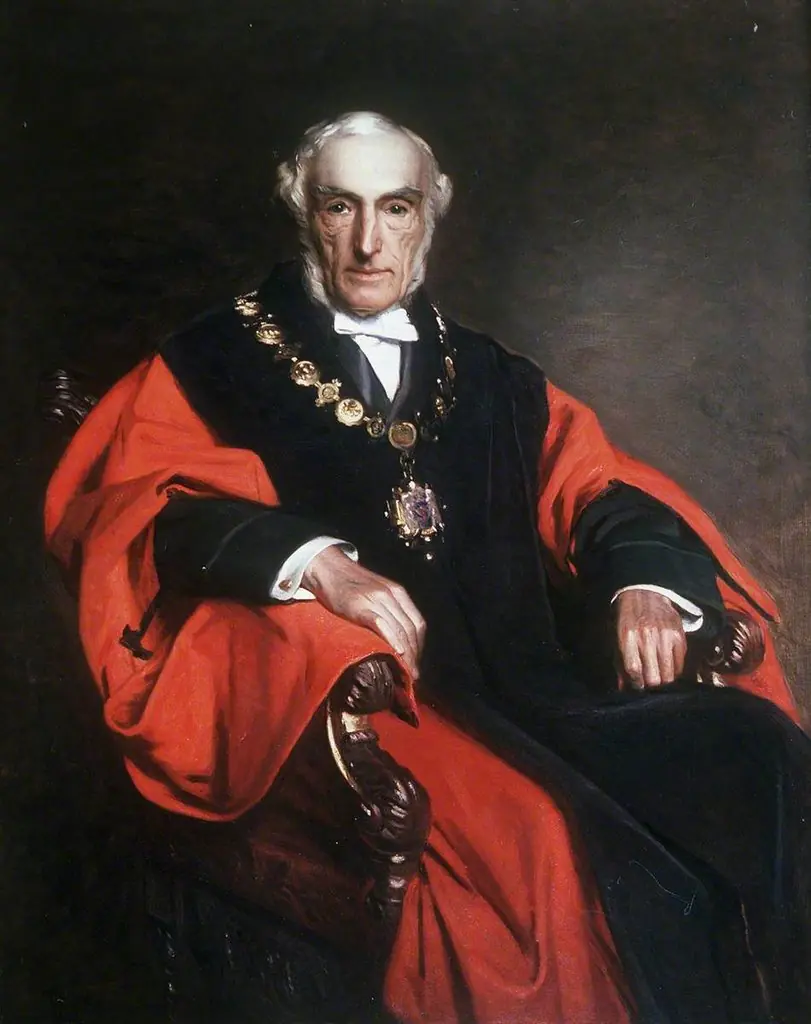
Study of Sir Henry Wentworth Acland
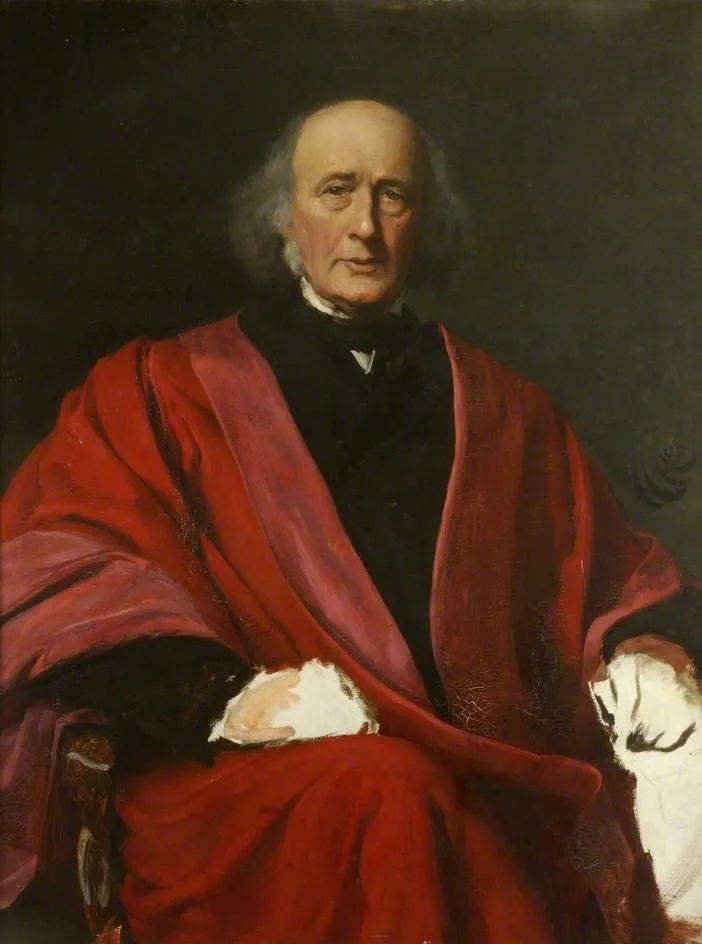
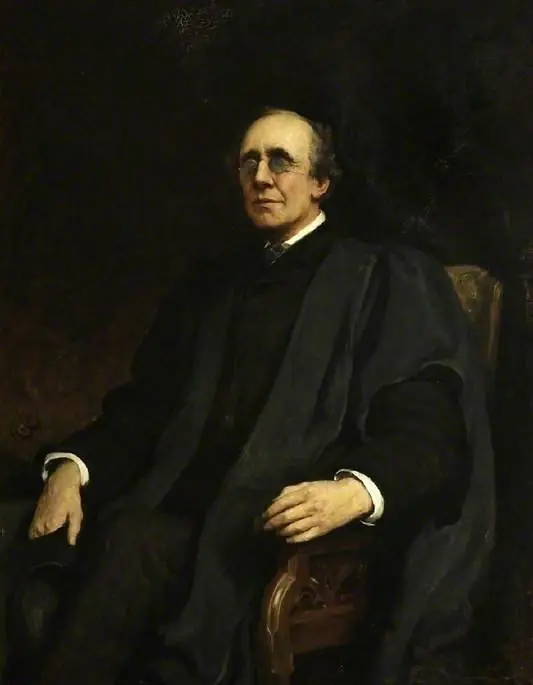
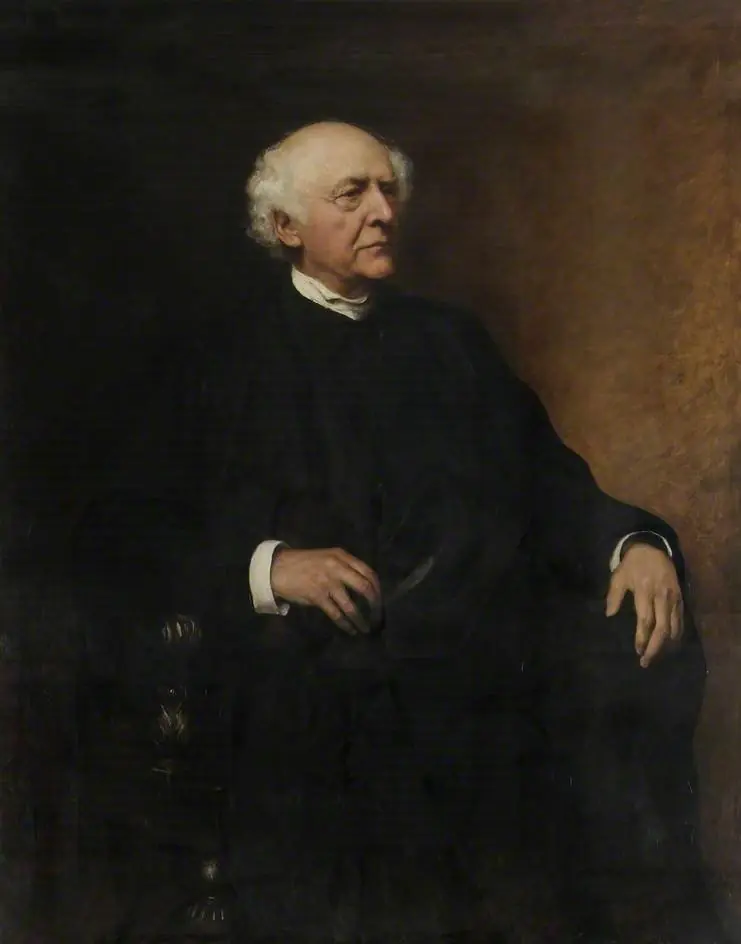
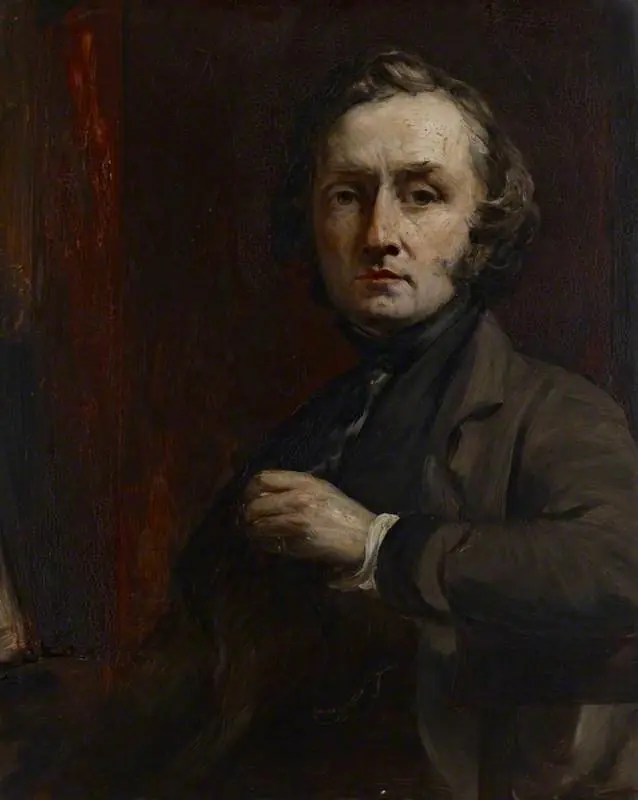
Study of Sir Henry Wentworth Acland is an oil painting by the Post-Impressionist artist Hubert von Herkomer. It dates from 1894 and is held in the collection of the Ashmolean Museum.
About this work
Overview
Hubert von Herkomer painted this oil portrait in 1894 as a focused study of Sir Henry Wentworth Acland, a distinguished British physician and academic.
Hubert von Herkomer painted this oil portrait in 1894 as a focused study of Sir Henry Wentworth Acland, a distinguished British physician and academic. Though Herkomer was known for scenes of working-class life, this work reflects his shift toward intimate portraiture. The painting is part of the Ashmolean Museum’s collection and exemplifies his later, more restrained style, emphasizing psychological presence over narrative context.
Subject & Meaning
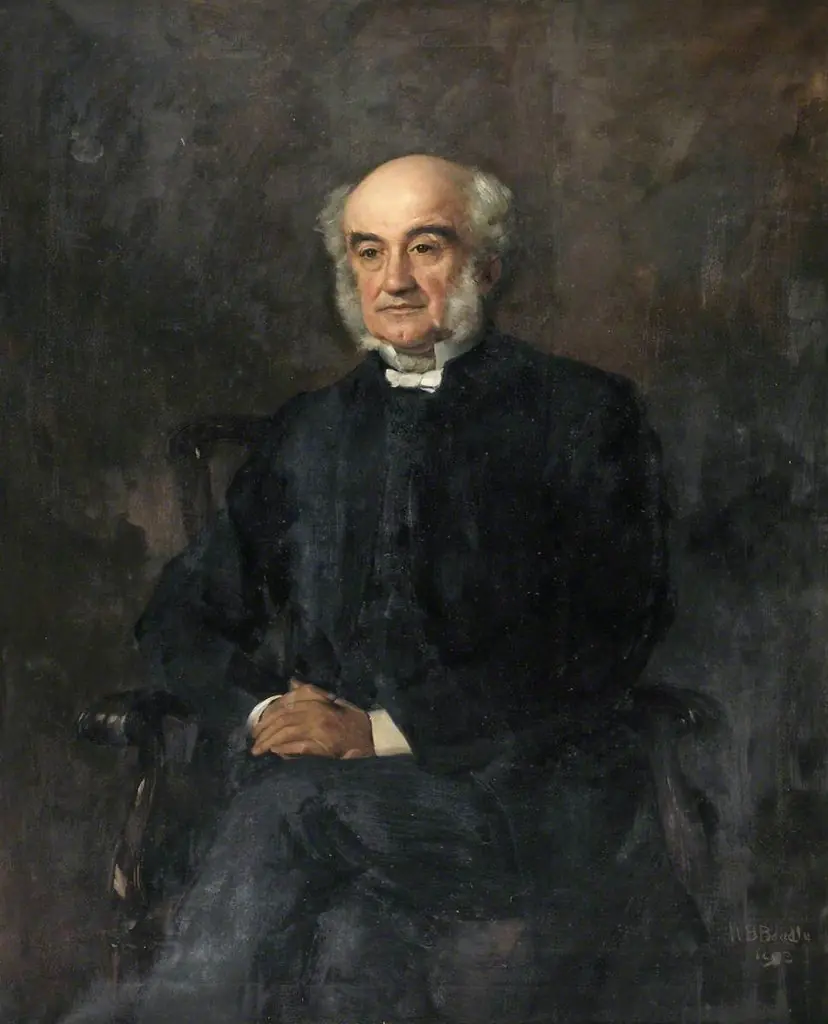
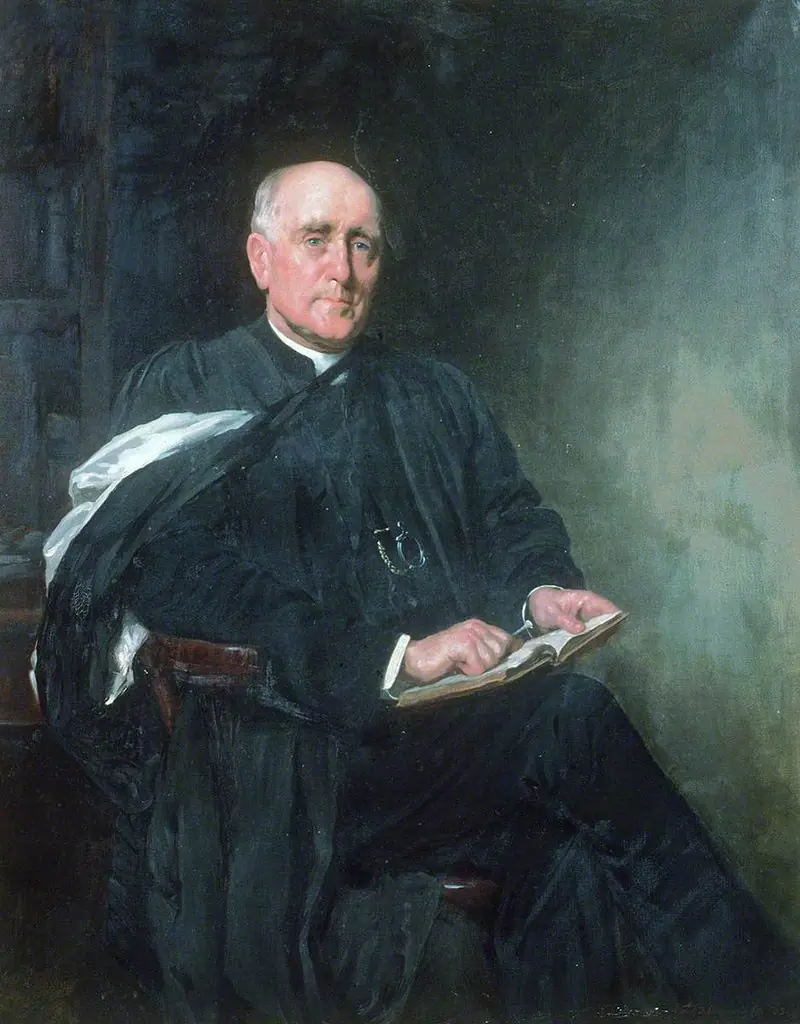
Sir Henry Wentworth Acland was a respected figure in Victorian medicine and education, known for his contributions to anatomy and university reform. Herkomer captures him in quiet contemplation, his downward gaze and still posture suggesting introspection rather than authority. The somber tone and minimal setting remove external distractions, inviting focus on the subject’s demeanor and the weight of experience etched into his features.
Technique & Style
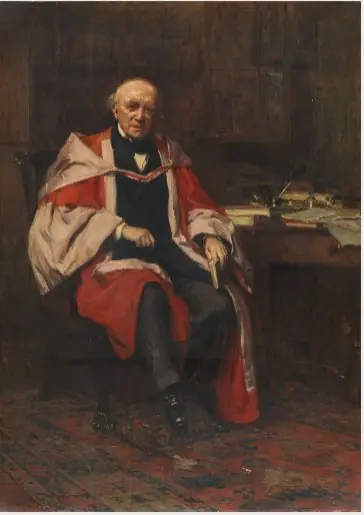
Herkomer employed thick, deliberate brushwork to render the textures of the red robe and white cuffs, contrasting them against the deep, muted background. The lighting is controlled, sculpting the face and hands with subtle gradations that enhance realism without theatricality. The composition avoids ornamentation, prioritizing spatial clarity and the psychological gravity of the sitter’s expression over decorative flourish.
History & Provenance
Painted in 1894, the portrait was likely commissioned or created during Herkomer’s tenure at the Slade School of Fine Art, where he taught and cultivated a generation of British artists. It entered the Ashmolean Museum’s collection in the 20th century, preserved as part of its broader holdings of British portraiture. Its survival as a study rather than a formal portrait suggests a personal or academic intent behind its creation.
Context
In the late 19th century, British portraiture increasingly moved away from grandeur toward psychological depth. Herkomer’s approach aligned with this trend, influenced by realism and the quiet intensity of French and Dutch precedents. While not formally part of Post-Impressionism, the painting shares its emphasis on emotional resonance over idealized form, reflecting broader shifts in artistic priorities during the era.
Legacy
This portrait stands as a quiet testament to Herkomer’s versatility beyond social realism. It demonstrates his ability to convey dignity and inner life through restrained means, influencing later British portraitists who favored psychological nuance over ceremonial representation. The work remains a key example of how portraiture evolved in the Victorian era to reflect intellectual and personal identity.
Artist & collection
Artist
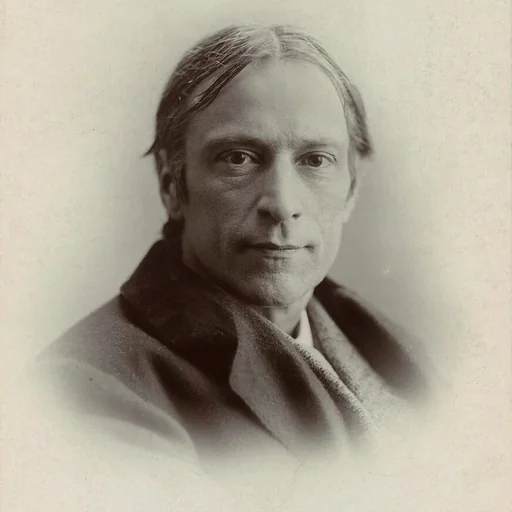
Sir Hubert von Herkomer (born as Hubert Herkomer; 26 May 1849 – 31 March 1914) was a Bavarian-born British painter, pioneering film-director, and composer.