Artwork
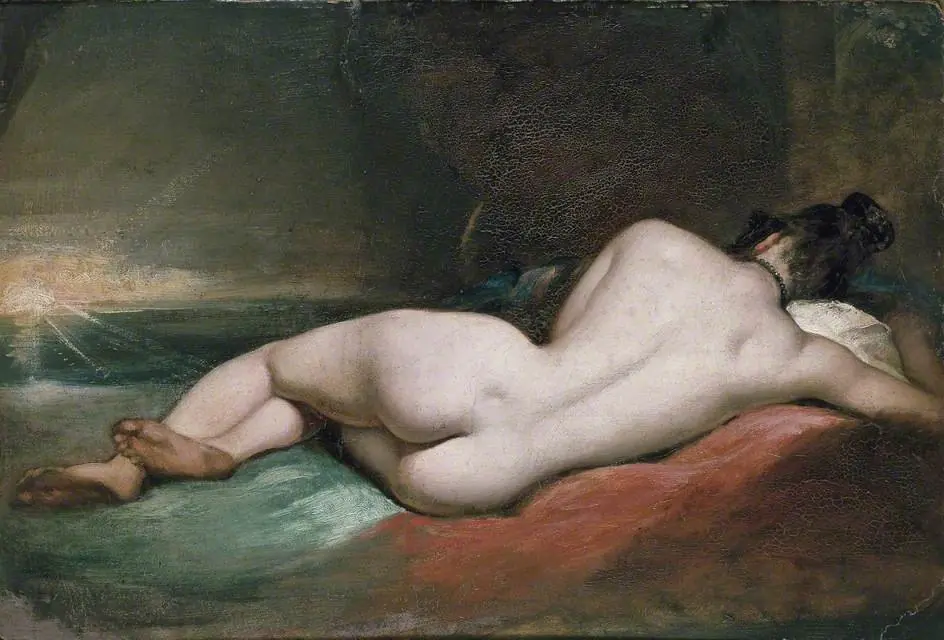
Female Life Study
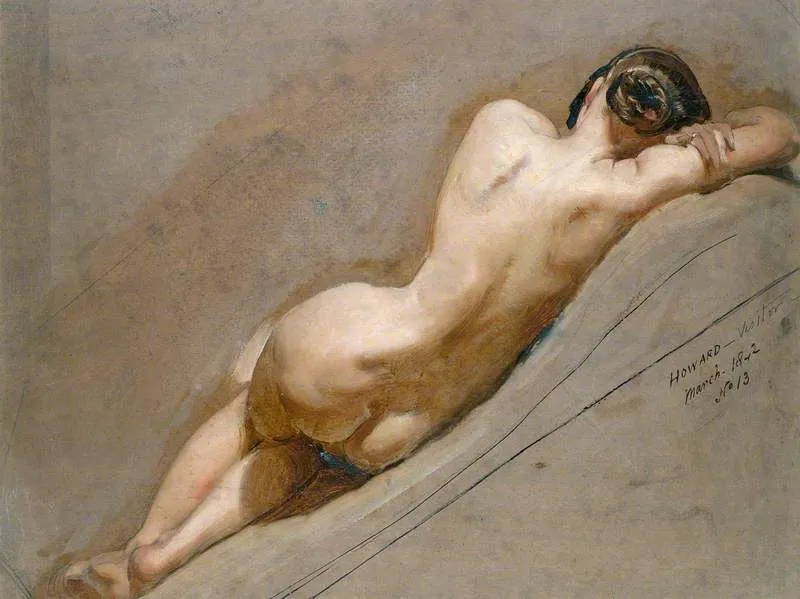
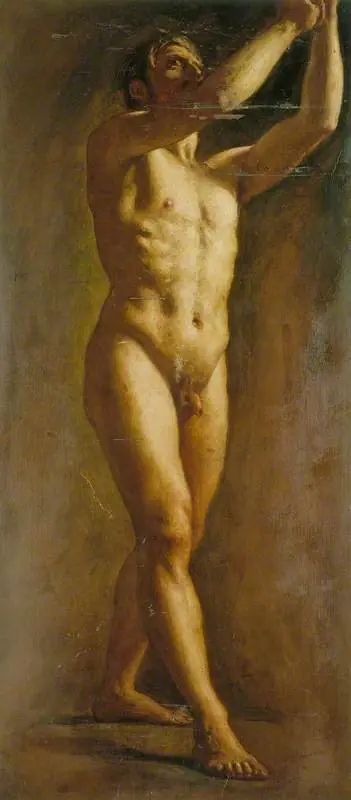
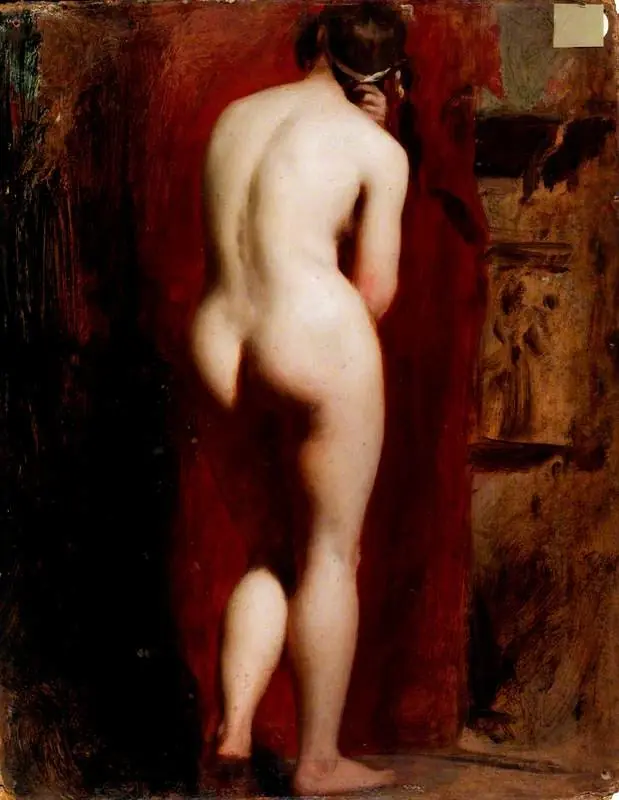
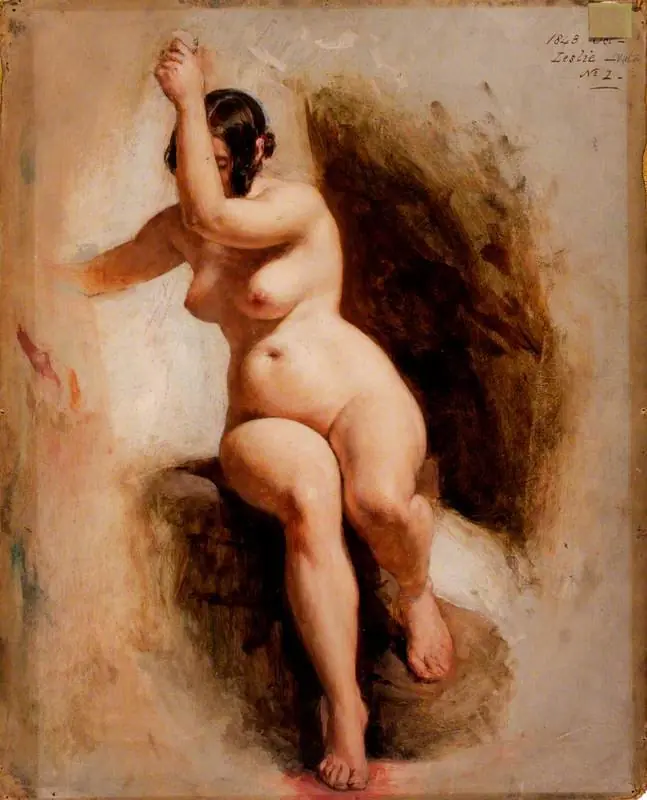
Female Life Study is an unspecified painting by the British Romanticist artist William Edward Frost. It dates from 1842 and is held in the collection of the Victoria and Albert Museum.
About this work
Overview
Though Frost later gained recognition for historical scenes, this piece reflects his early engagement with the nude as a subject.
Painted in 1842 by William Edward Frost, a Royal Academy-trained English artist, this work is a study of the female form executed during the early phase of his career. Though Frost later gained recognition for historical scenes, this piece reflects his early engagement with the nude as a subject. It resides in the Victoria and Albert Museum’s collection, where it stands as an example of mid-Victorian academic practice.
Subject & Meaning
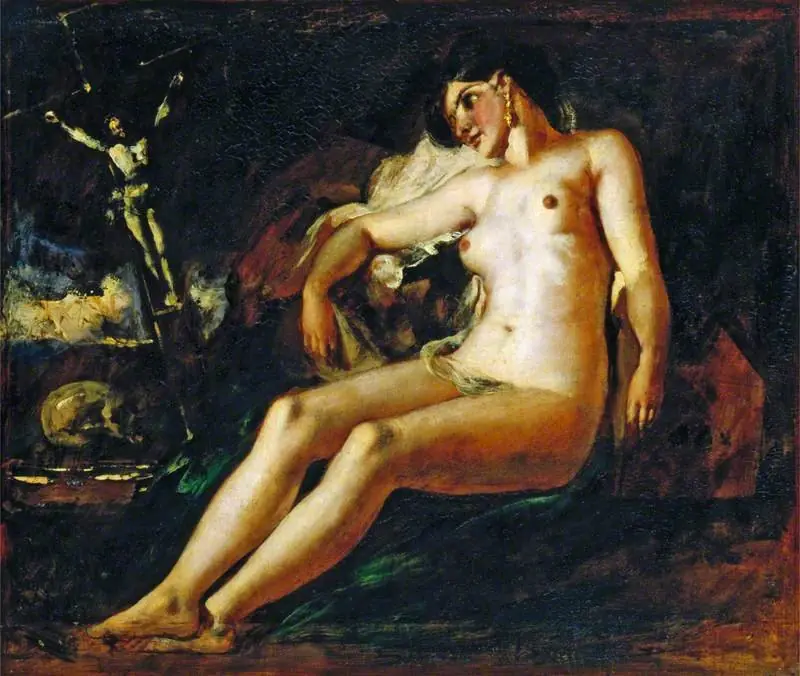
The painting presents a solitary woman in repose, turned away from the viewer with her body curved naturally against a surface. Her posture suggests introspection rather than performance, avoiding theatricality common in contemporary nudes. The absence of narrative or symbolic elements shifts focus to the quiet dignity of the figure, emphasizing presence over story, consistent with Romantic-era interests in individual experience.
Technique & Style
Frost employed subtle gradations of earth-toned pigments to model the figure’s form, using soft transitions between light and shadow to suggest volume without harsh contrast. The skin is rendered with delicate variations in hue, from warm ochres on the back to cooler grays along the limbs. Brushwork remains restrained, favoring smooth surfaces and gentle contours that align with academic ideals of harmony and restraint.
History & Provenance
Created during Frost’s formative years as a painter, the work predates his shift toward mythological themes. It was likely produced as a study, possibly for classroom or personal use, rather than for public exhibition. The painting entered the Victoria and Albert Museum’s collection in the late 19th century, where it has remained as part of its holdings on 19th-century British art and life drawing.
Context
In mid-Victorian Britain, the female nude was a contested subject, often framed within moral or classical ideals. Frost’s approach, devoid of allegory or eroticism, reflects a quieter, more observational trend among academic artists. While continental painters explored dramatic lighting or idealized forms, British practitioners like Frost often favored subdued palettes and intimate compositions grounded in direct observation.
Legacy
Though Frost is not widely remembered today, this study contributes to the broader understanding of how British artists engaged with the nude outside of grand historical narratives. Its preservation in the V&A underscores its value as a document of academic training and evolving attitudes toward the human form in 19th-century Britain, offering insight into understudied strands of Victorian visual culture.
Artist & collection
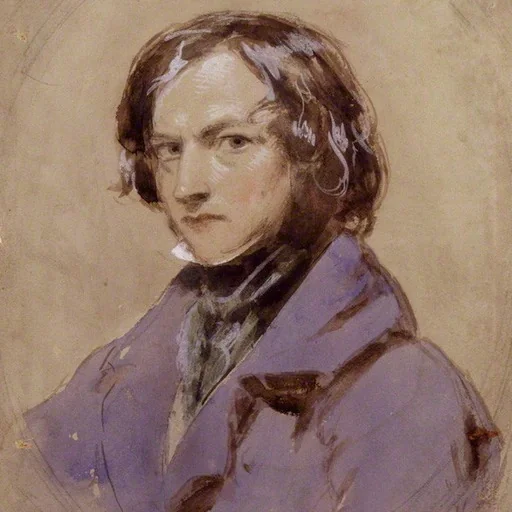
Artist
William Edward Frost (September 1810 – 4 June 1877) was an English painter of the Victorian era.