Artwork
Female Life Study
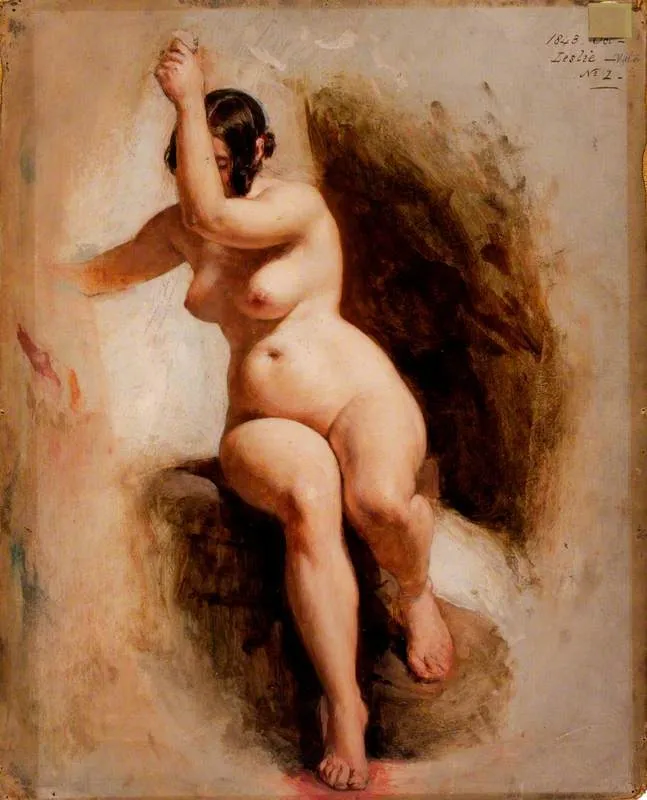
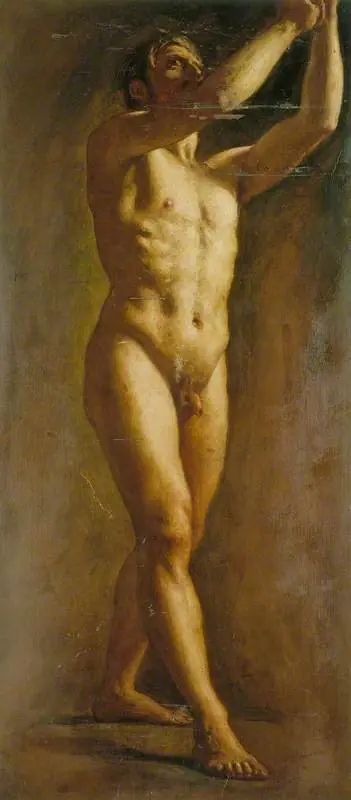
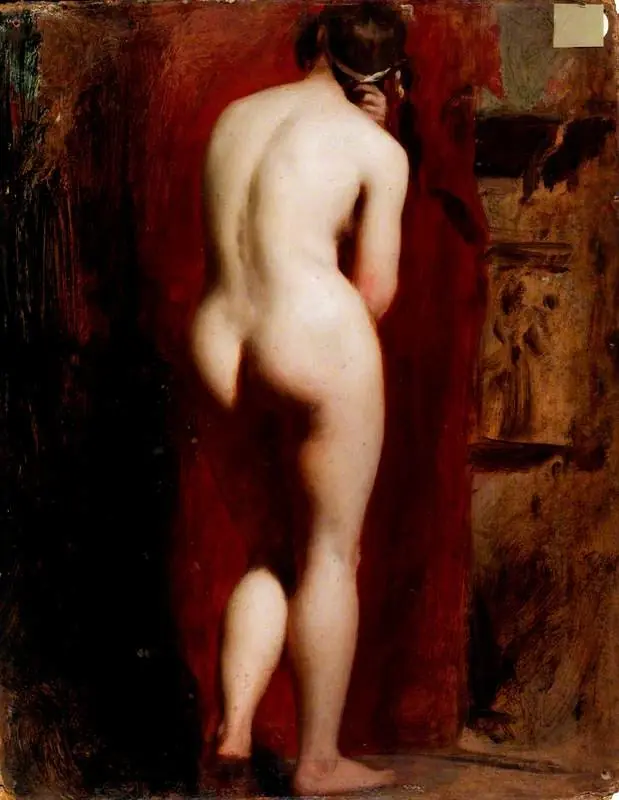
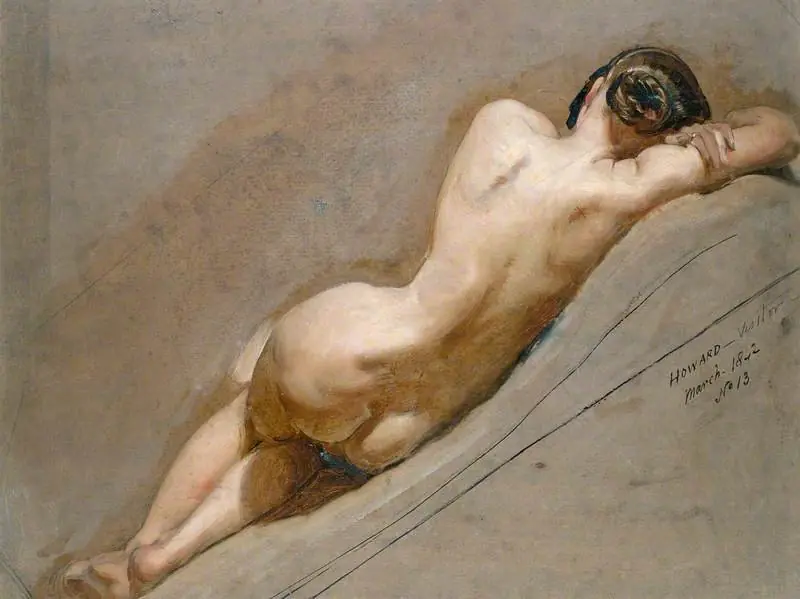
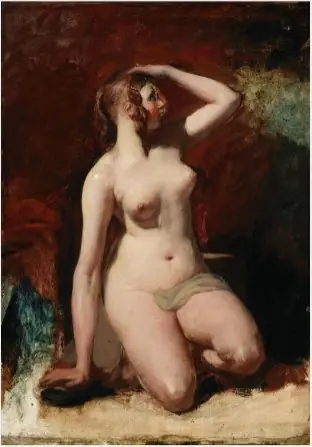
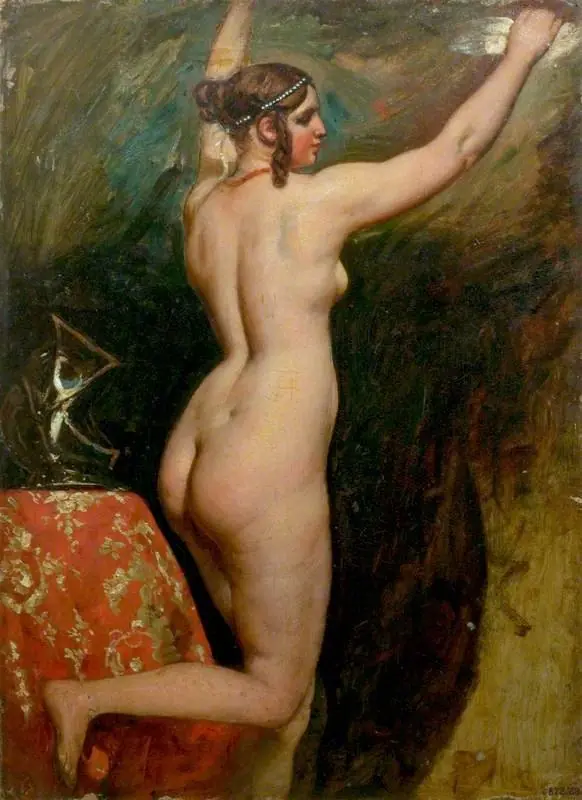
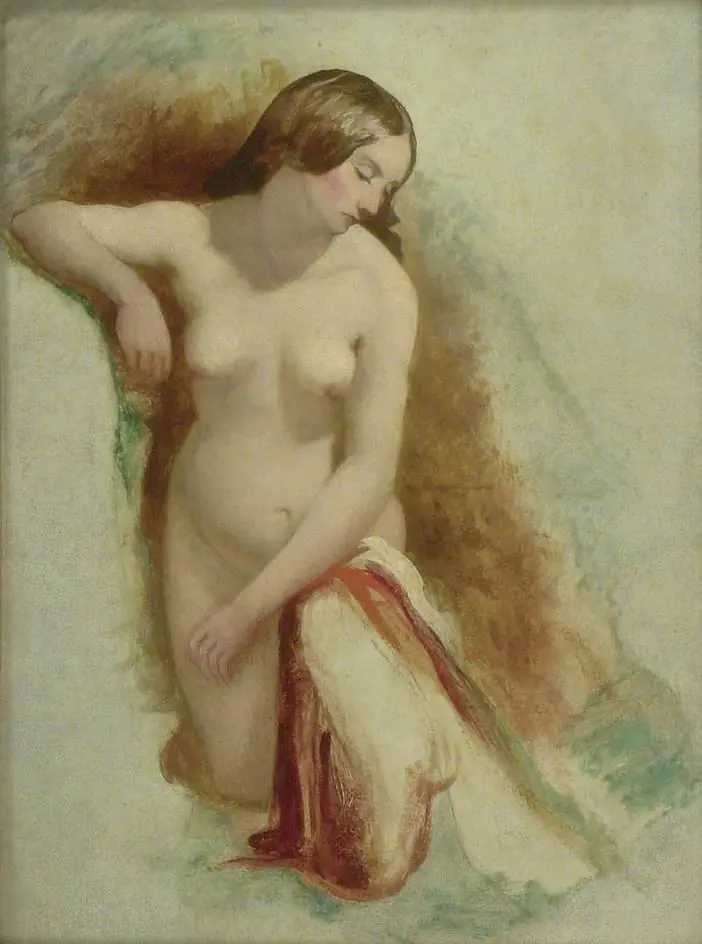
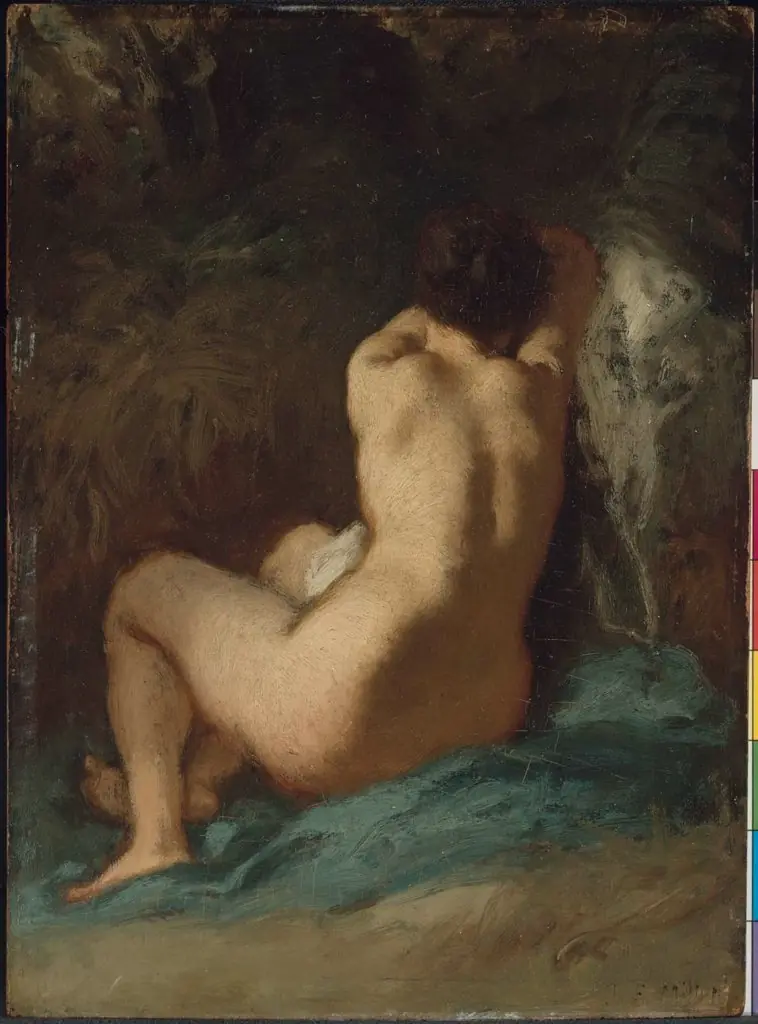
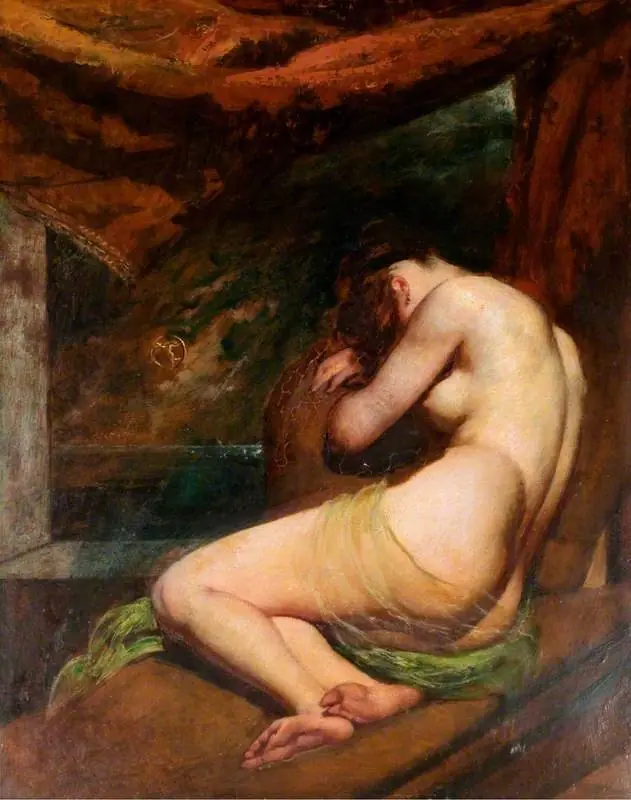
Female Life Study is an unspecified painting by the British Romanticist artist William Edward Frost. It dates from 1843 and is held in the collection of the Victoria and Albert Museum.
About this work
Overview
Female Life Study, painted in 1843 by William Edward Frost, is a British Romantic-era artwork featuring a nude female figure in a relaxed, natural pose. The work is part of the Victoria and Albert Museum's collection.
Subject & Meaning
The painting centers on a female nude, an uncommon subject among English artists of Frost's time. Her neutral expression and unaware posture convey a sense of calm and intimacy, focusing attention on the figure's form.
Technique & Style
Frost employs chiaroscuro, using contrasting light and dark tones to create depth and volume. The light background highlights the woman's darker, sculptural form, guiding the viewer's eye through the composition.
History & Provenance
Created in 1843, the painting reflects Frost's transition from portraiture to more expressive subjects. Trained at the Royal Academy from 1829, Frost's work bridges portraiture, historical, mythological, and fairy themes.
Context
As a Victorian-era British Romantic piece, Female Life Study stands out for its focus on the female nude, a subject more commonly associated with European rather than English artists of the period.
Legacy
While specific legacy details of Female Life Study are not highlighted, its presence in the Victoria and Albert Museum ensures its contribution to the study of British Romantic art and Frost's evolving oeuvre.
Artist & collection
Artist
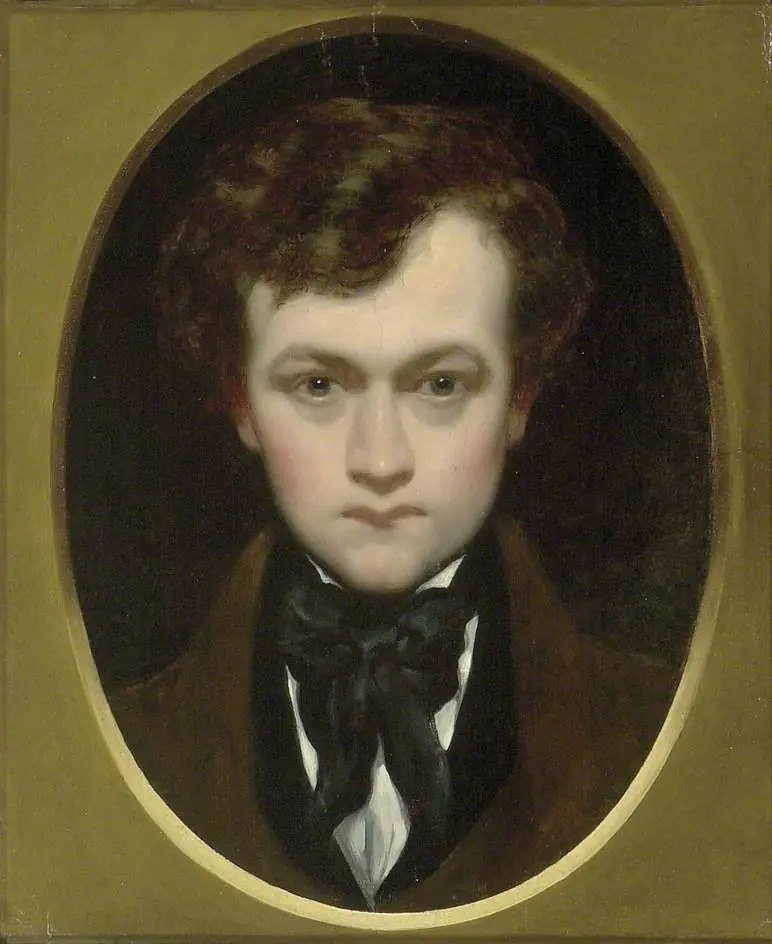
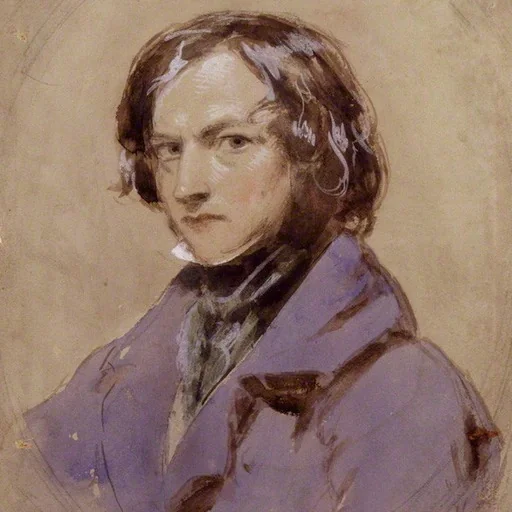
William Edward Frost (September 1810 – 4 June 1877) was an English painter of the Victorian era.