Artwork
Study for The Deluge
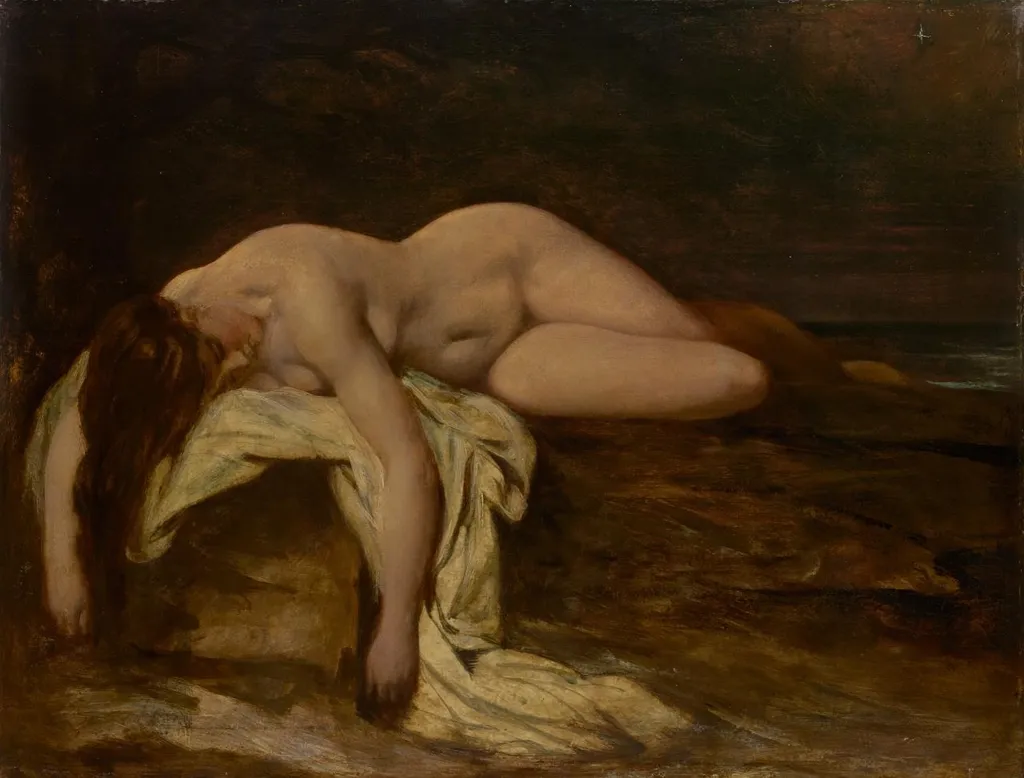
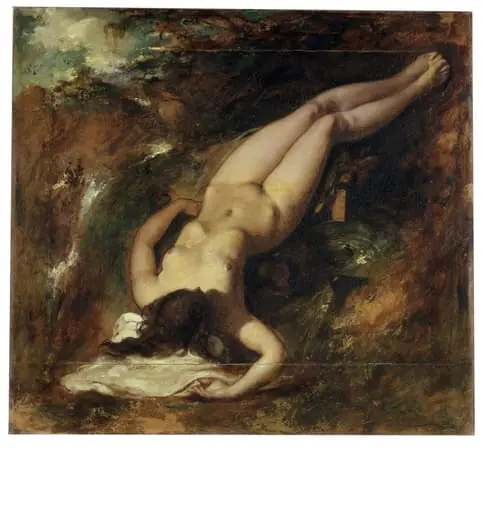
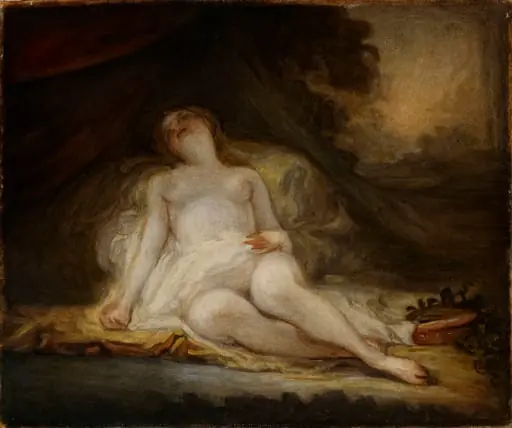
Study for The Deluge is an oil painting by William Etty. It dates from 1828 and is held in the collection of the National Gallery of Victoria.
About this work
Overview
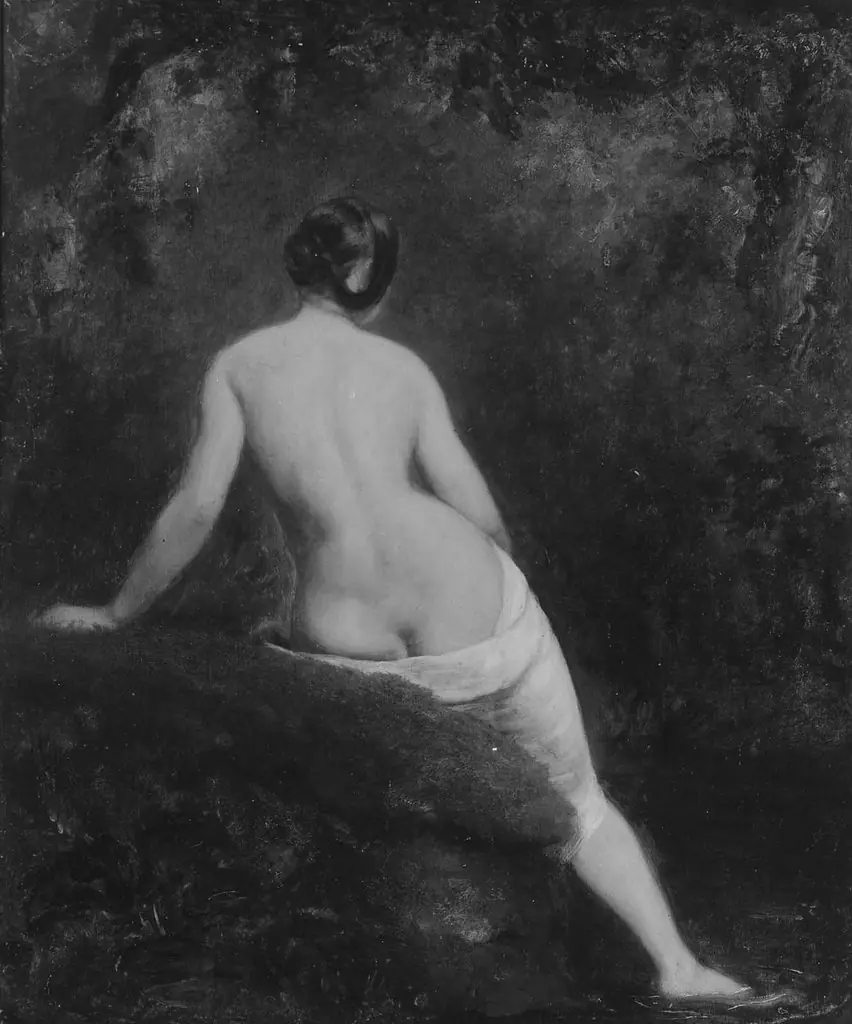
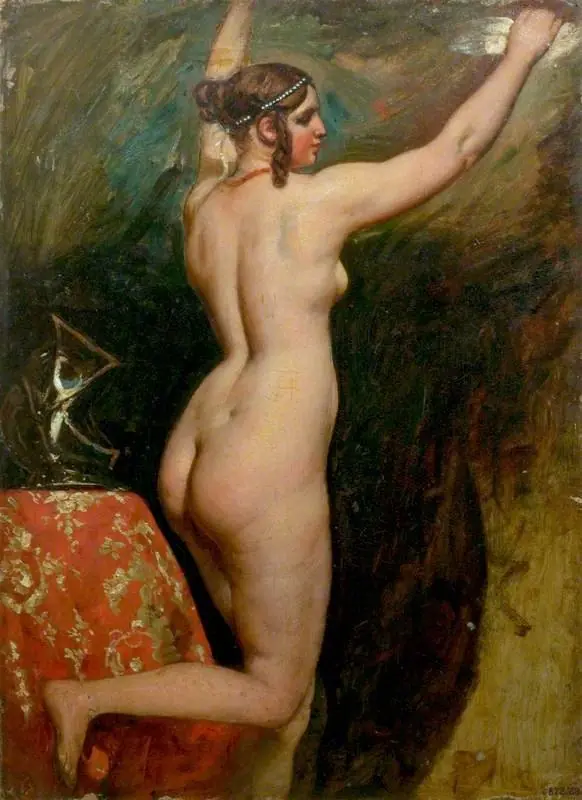
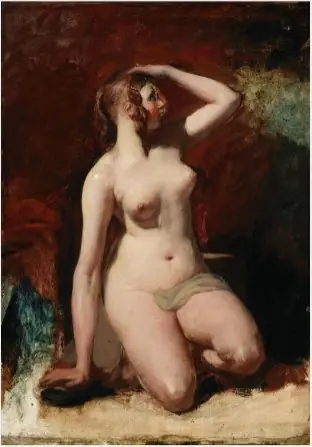
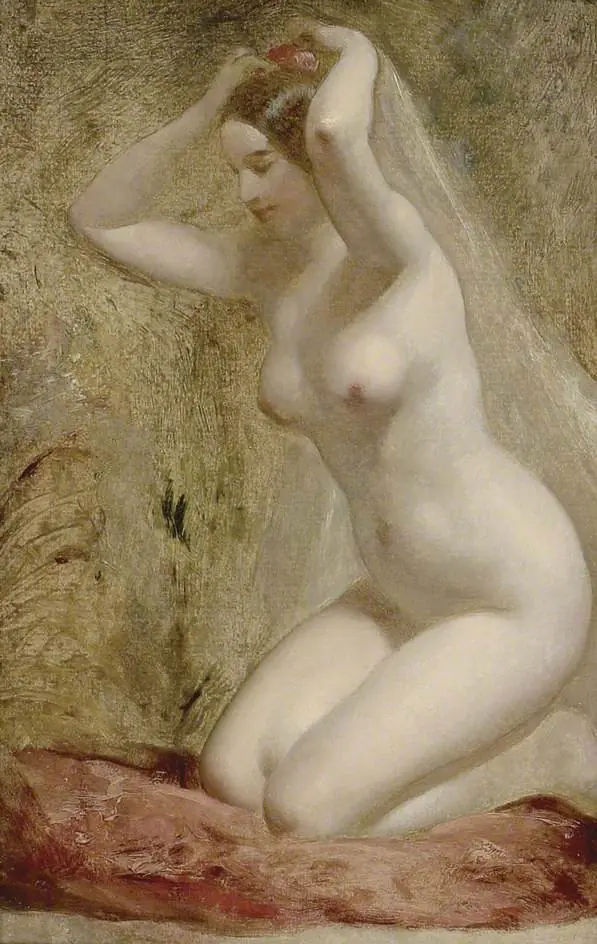
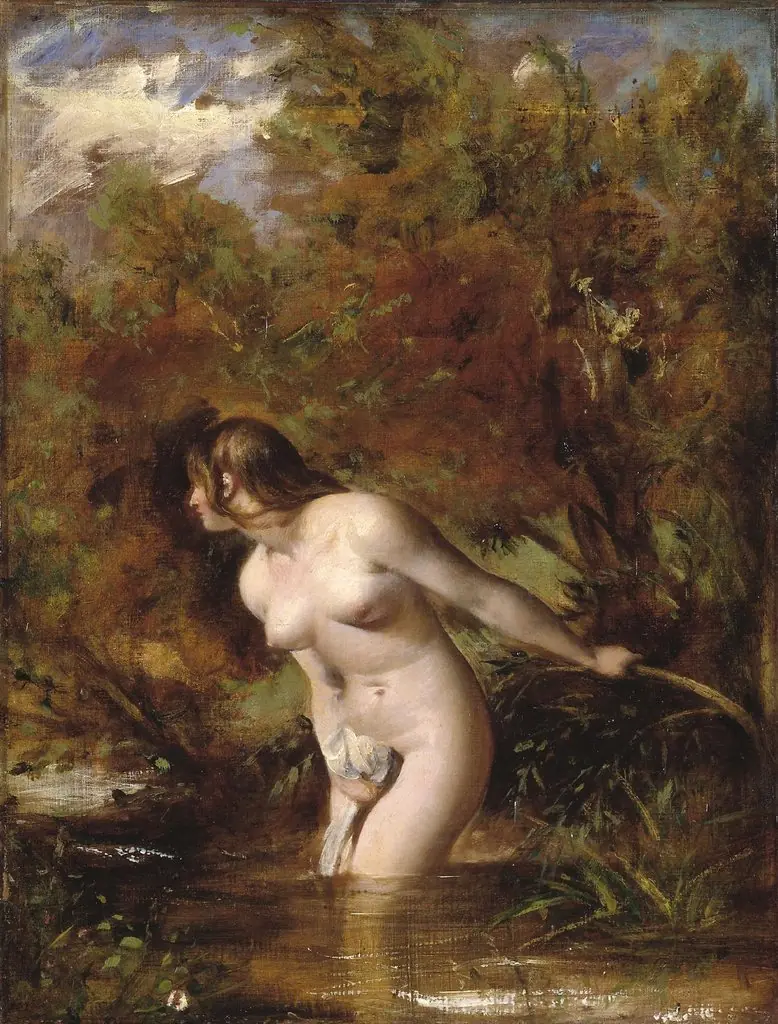
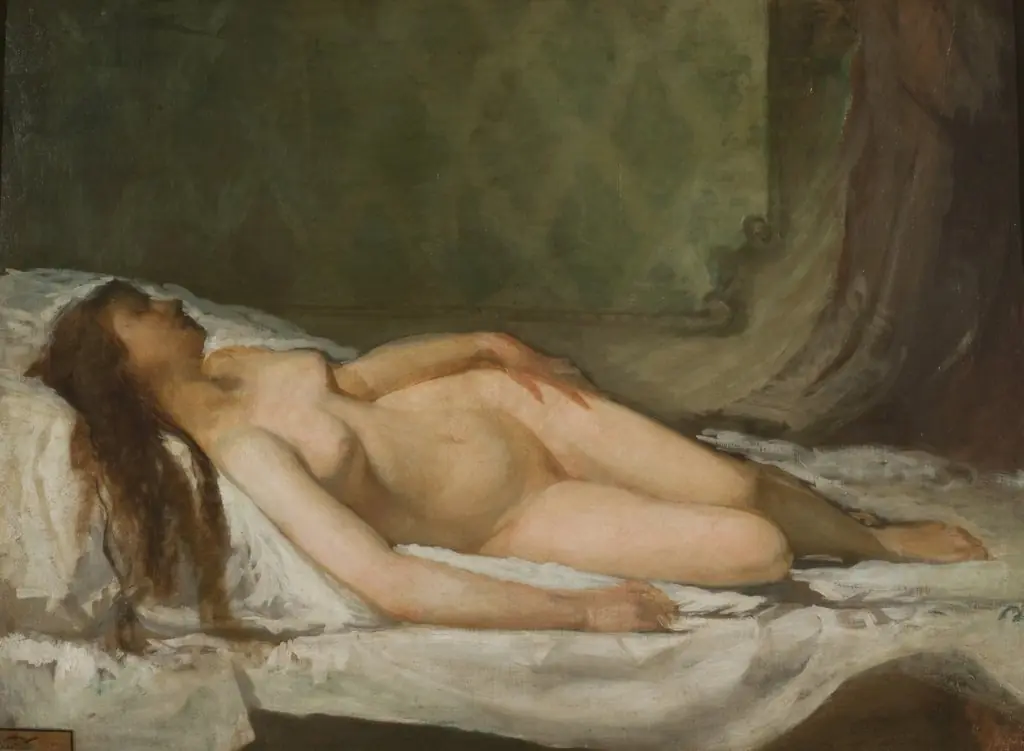
Created around 1828, this oil painting by William Etty serves as a preparatory study for a larger, unrealized composition titled The Deluge.
Created around 1828, this oil painting by William Etty serves as a preparatory study for a larger, unrealized composition titled The Deluge. It focuses on a single reclining female figure, rendered with careful attention to anatomical detail and tonal variation. Etty, trained at the Royal Academy, developed a reputation for his nuanced depiction of the human body, particularly in naturalistic poses and lighting conditions that emphasize physical presence over narrative drama.
Subject & Meaning
The figure, nude and at rest, occupies the center of the composition with a quiet, introspective demeanor. Her relaxed posture and the absence of overt action suggest contemplation rather than distress, despite the title’s association with catastrophe. The work prioritizes the human form as an object of study, reflecting Etty’s interest in the body’s expressive potential independent of mythological or moral context.
Technique & Style
Etty employs chiaroscuro to model the figure’s form, using subtle gradations of light and shadow to define volume and texture. The dark, atmospheric background isolates the body, enhancing its three-dimensionality. His brushwork is soft and blended, particularly in the rendering of skin, which avoids harsh outlines in favor of seamless transitions. This approach reflects his dedication to observing natural light and anatomical truth over idealized convention.
History & Provenance
The painting entered the collection of the National Gallery of Victoria in Melbourne, where it remains today. As a study, it was likely produced during Etty’s period of intense focus on the nude figure in the late 1820s, preceding his larger, more ambitious compositions. Its survival as a standalone work underscores its value as a demonstration of his technical priorities, even when detached from a finished piece.
Context
In early 19th-century Britain, the depiction of the nude was contentious, often restricted to classical or biblical themes. Etty’s persistent exploration of the unclothed body—without overt moralizing—set him apart. This study reflects a shift toward artistic inquiry grounded in observation rather than allegory, aligning with broader European trends while maintaining a distinctly British emphasis on realism and material presence.
Legacy
Though never incorporated into a completed major work, this study exemplifies Etty’s influence on the treatment of the human form in British art. His commitment to direct observation and tonal precision paved the way for later artists who sought to represent the body with psychological and physical authenticity. The painting endures as a quiet testament to his methodical approach to figure study.
Artist & collection
Artist
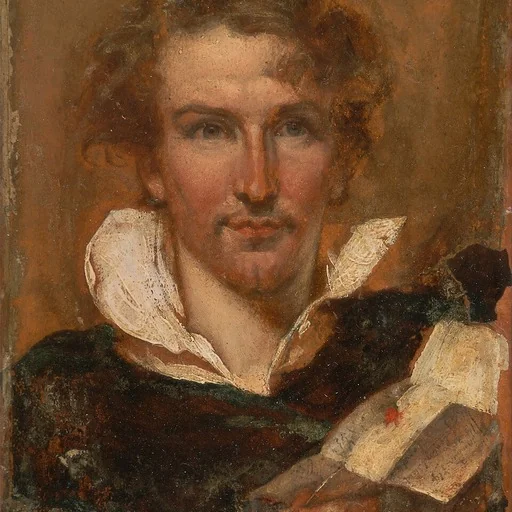
William Etty (10 March 1787 – 13 November 1849) was an English artist best known for his historical paintings containing nude figures.