Artwork
William Ellery
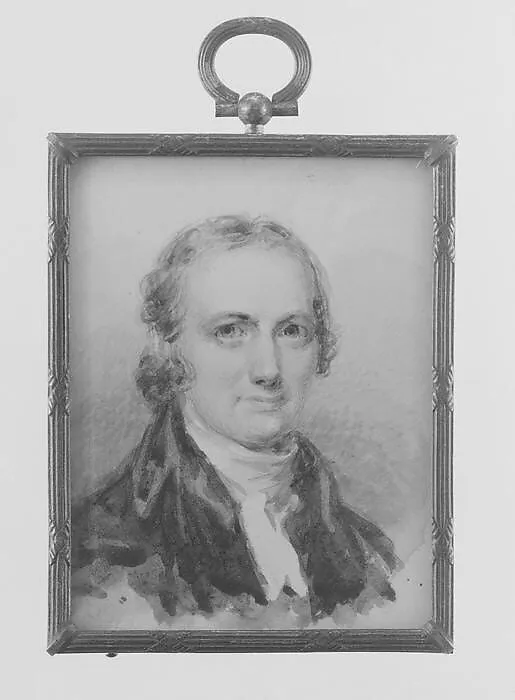
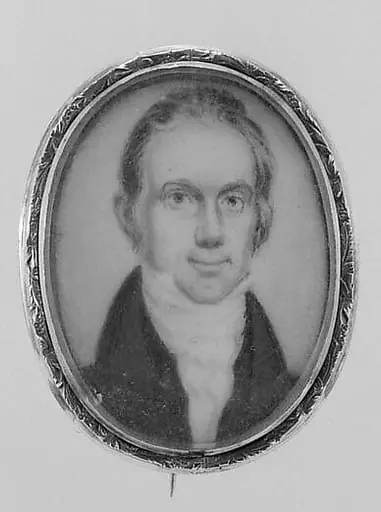
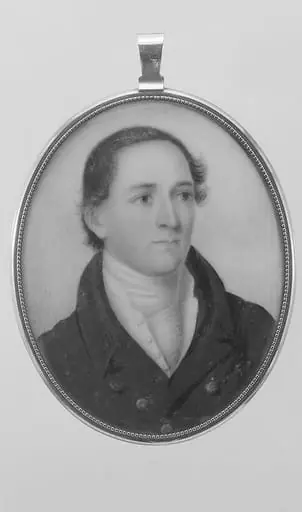
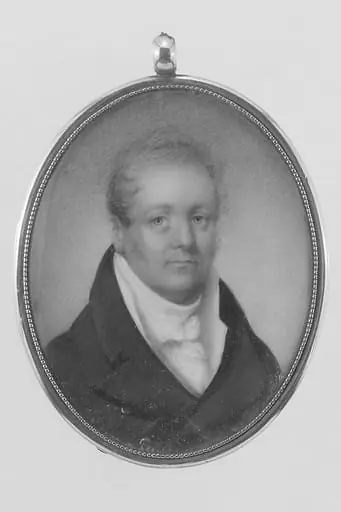
William Ellery is a watercolor work on paper by the Romanticist artist William G. Armstrong. It dates from 1838 and is held in the collection of the Metropolitan Museum of Art. Created around 1838 by American artist William G.
About this work
Overview
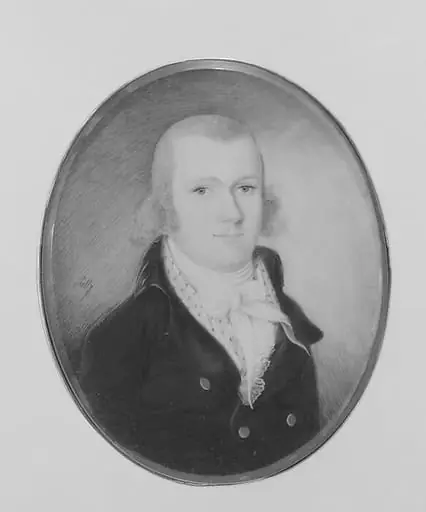
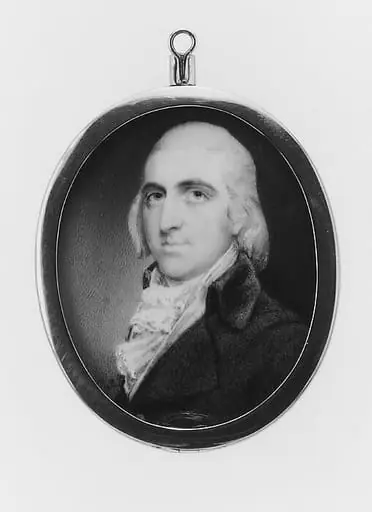
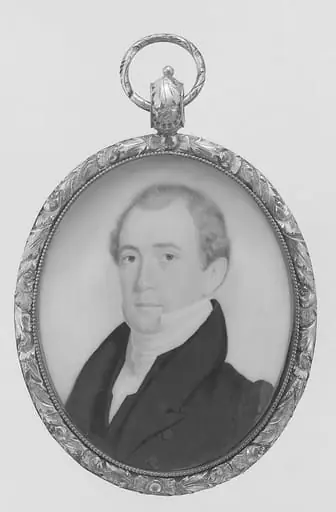
Created around 1838 by American artist William G. Armstrong, this watercolor portrait presents a solitary male figure. Rendered on paper, the work belongs to the collection of the American Wing and exemplifies early nineteenth‑century portraiture in a medium that could be completed far more quickly than oil.
Subject & Meaning
The sitter, dressed in a dark coat, sits upright against an unadorned backdrop. His pallid complexion, tightly pressed lips, and direct gaze convey a restrained demeanor, inviting viewers to contemplate the individual's inner composure as much as his outward appearance.
Technique & Style
Armstrong employs thin, translucent washes that build up the likeness through successive layers—a method known as glazing. The soft transitions between light and shadow, achieved with delicate brushwork, give the image a photographic quality, despite being entirely hand‑painted.
Context
At the time of its production, photography was an emerging technology, and painters were experimenting with ways to capture likenesses more swiftly. Watercolor, with its rapid drying time, offered a practical alternative to oil, allowing artists like Armstrong to respond to the new visual expectations set by early photographs.
Artist & collection

Artist
Early American watercolor portraiture rarely catches a subject mid-thought the way William G.