Artwork
Landscape
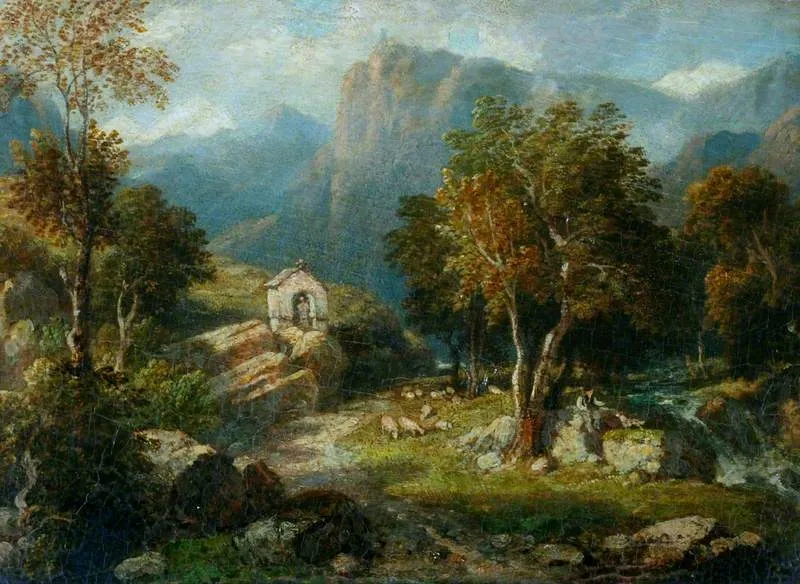
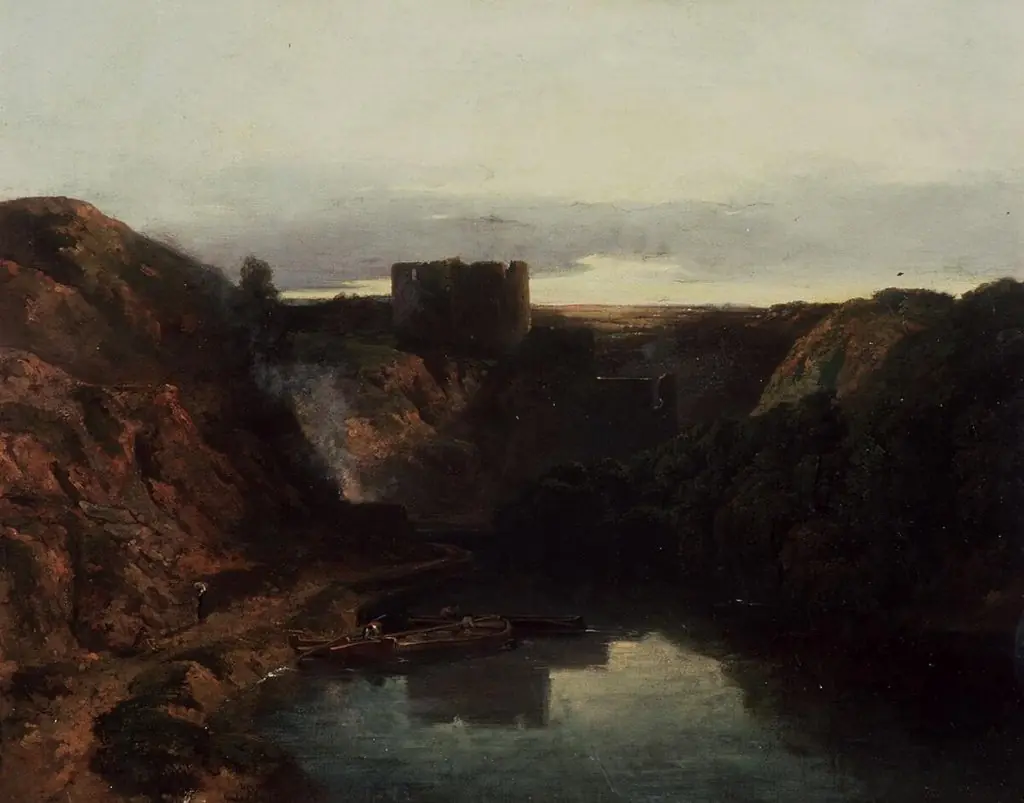
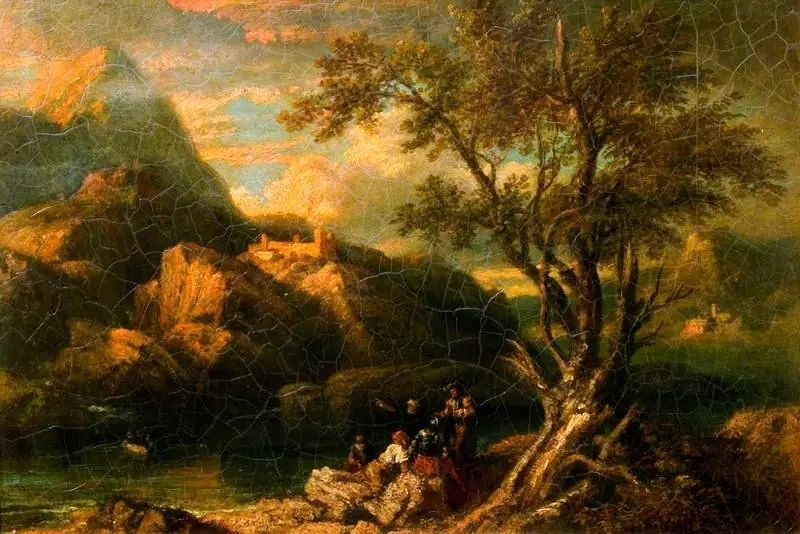
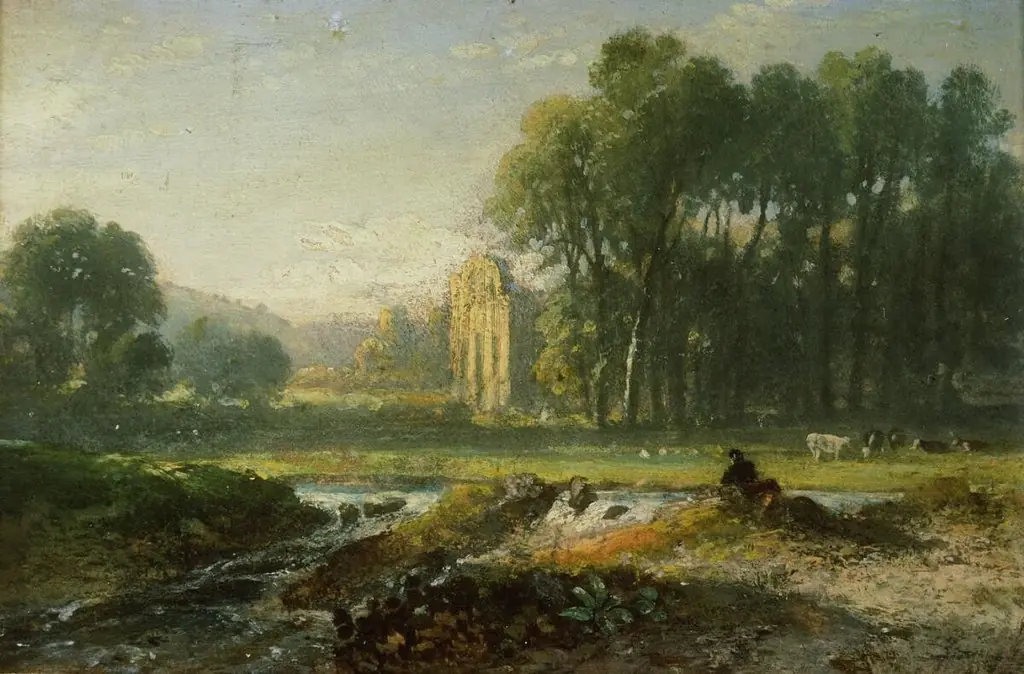
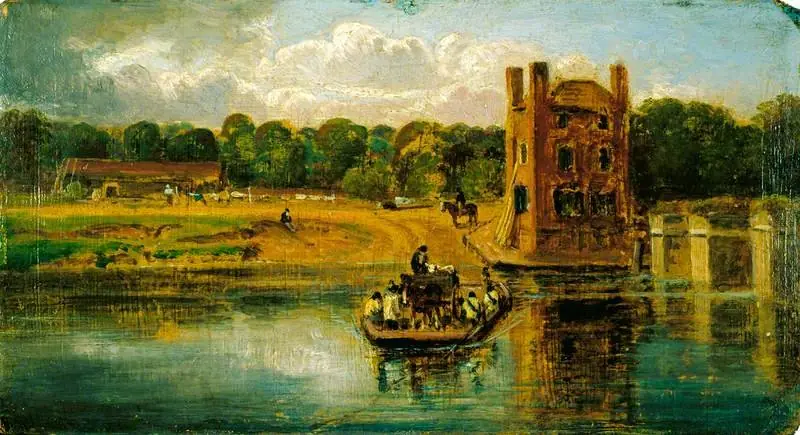
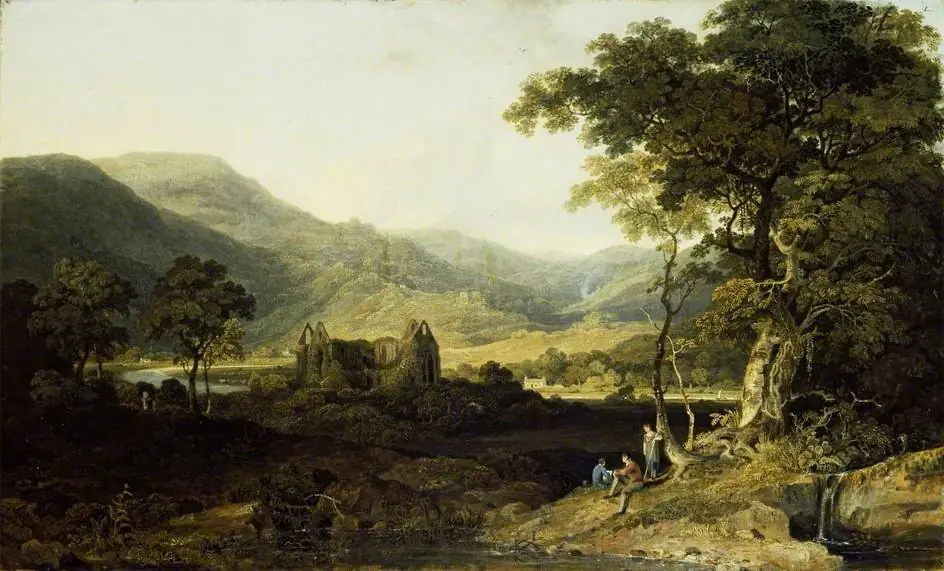
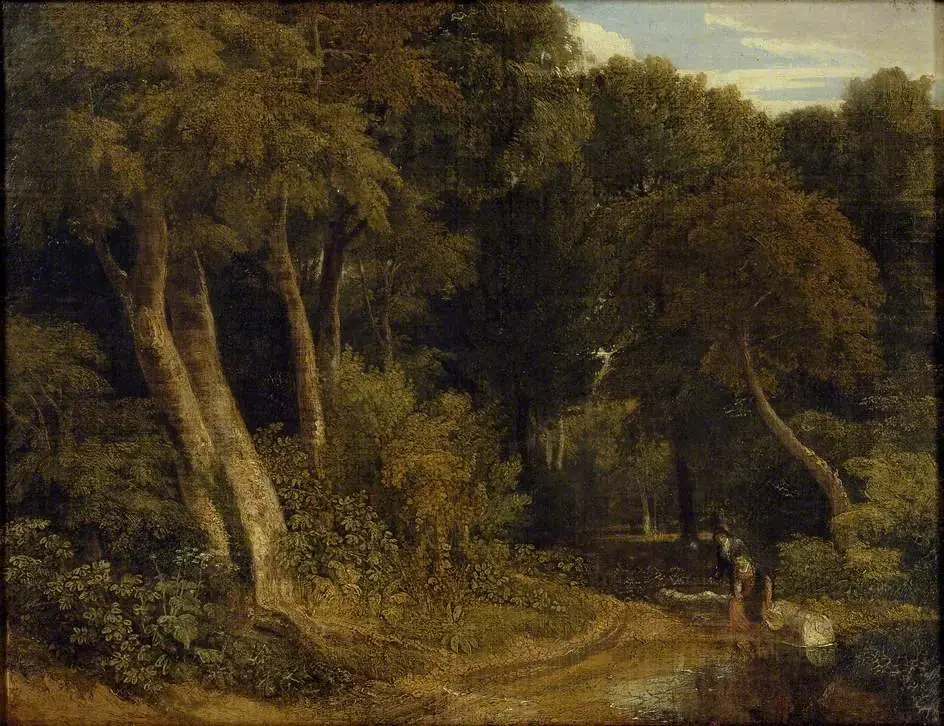
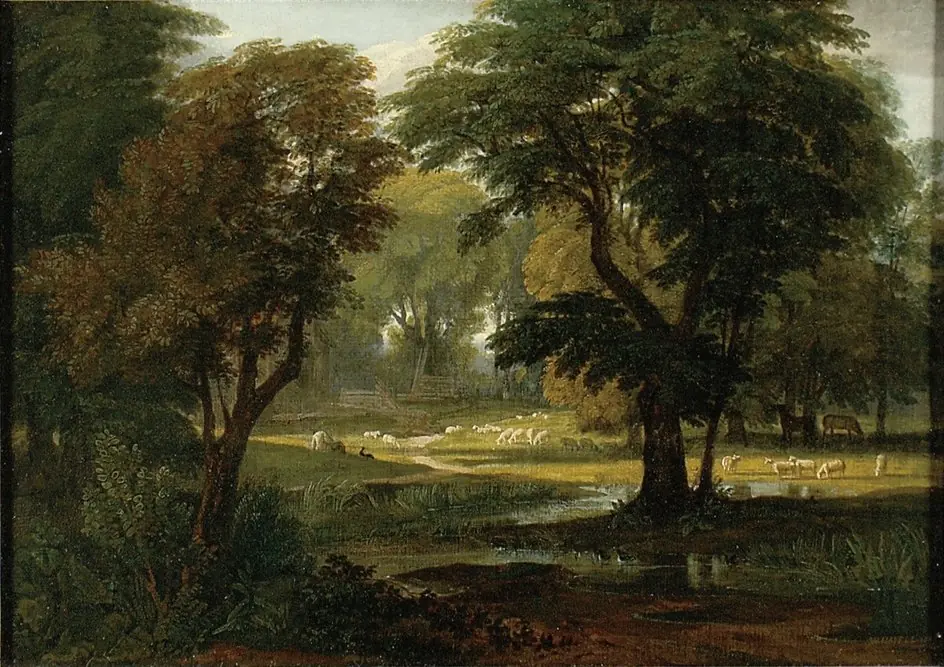
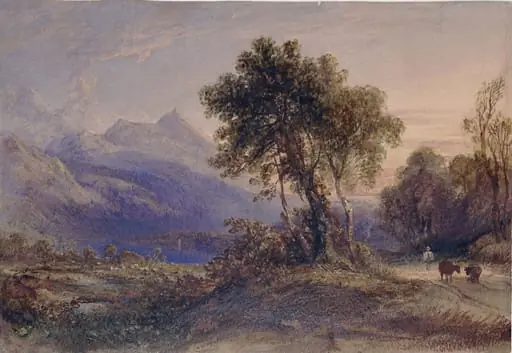
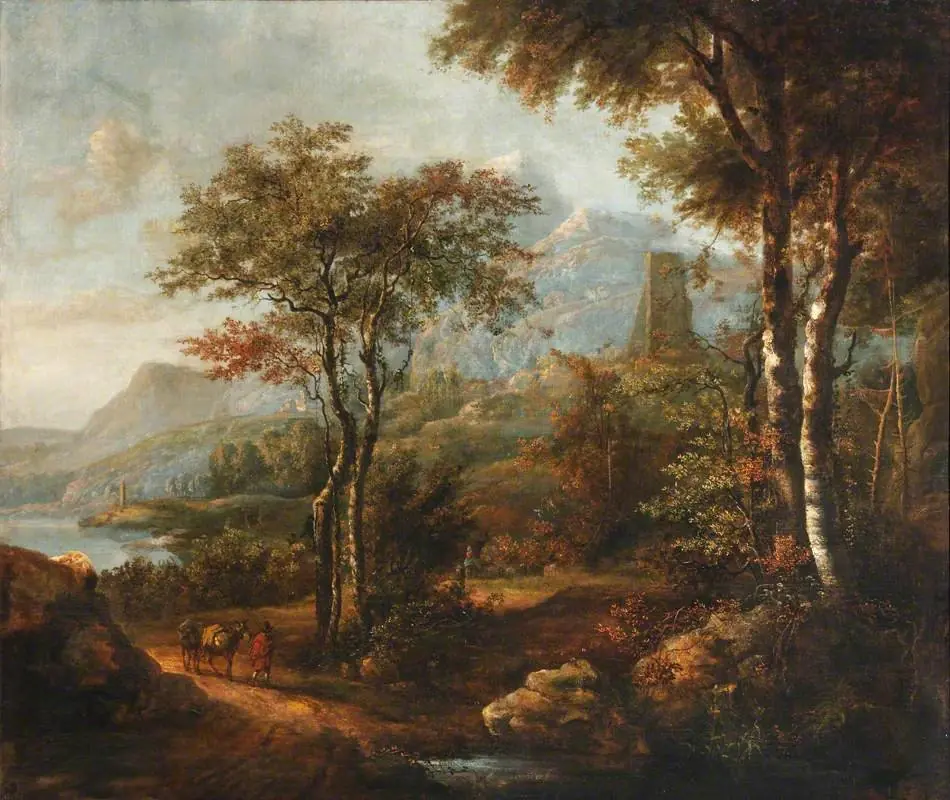
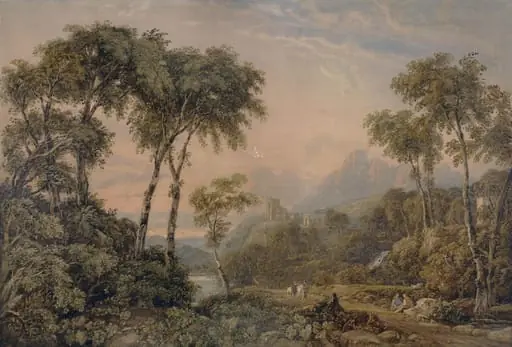
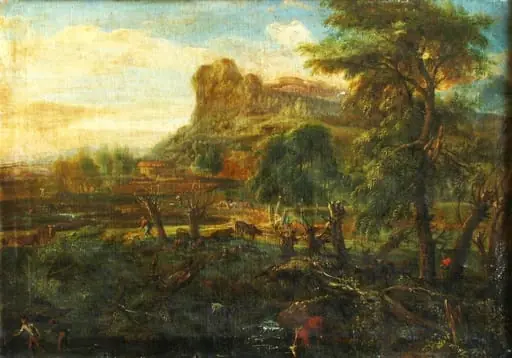
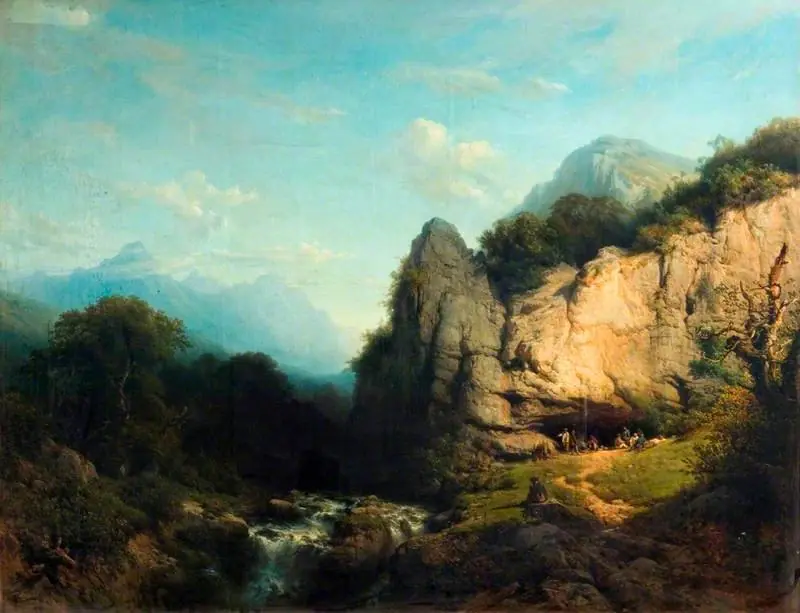
Landscape is an unspecified painting by the Hudson River School artist William Havell. It dates from 1829 and is held in the collection of the Victoria and Albert Museum.
About this work
Overview
The piece is part of the Victoria and Albert Museum’s collection, where it represents the period’s growing interest in atmospheric, non-narrative scenery.
Painted around 1829 by William Havell, this landscape reflects the quiet observational style of early 19th-century English painting. Havell, a founding member of the Society of Painters in Watercolours, worked within a tradition that valued close study of nature. The piece is part of the Victoria and Albert Museum’s collection, where it represents the period’s growing interest in atmospheric, non-narrative scenery.
Subject & Meaning
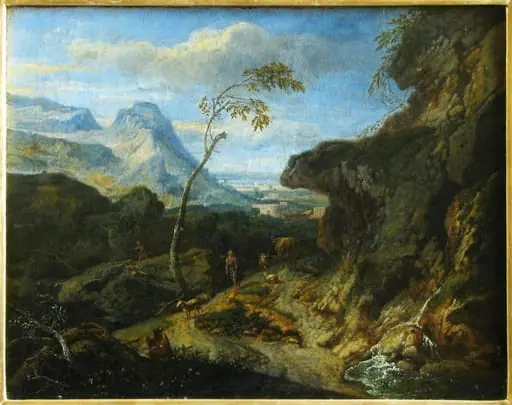
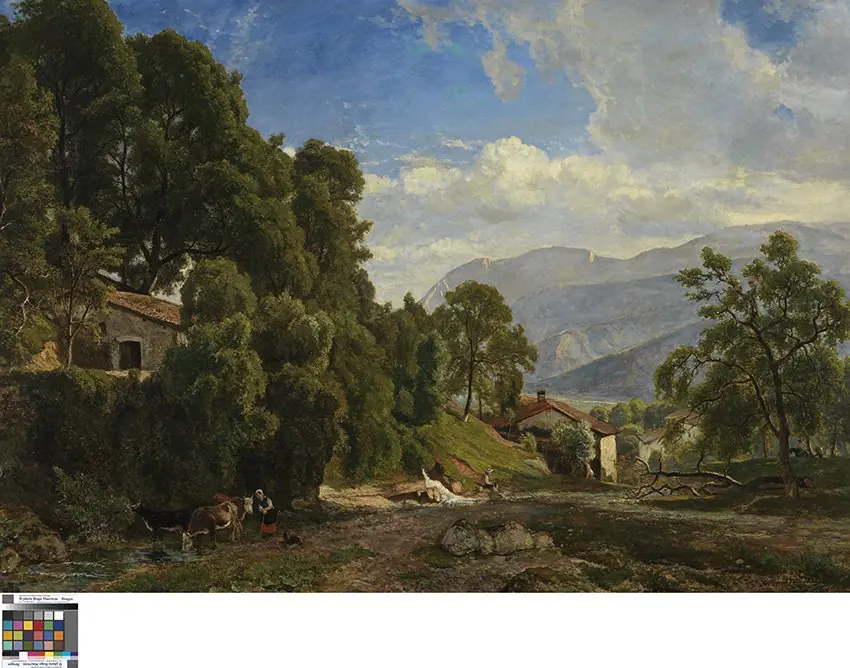
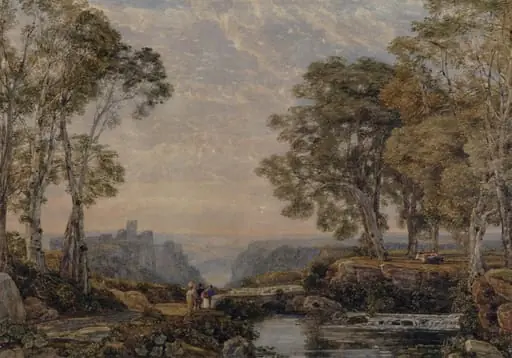
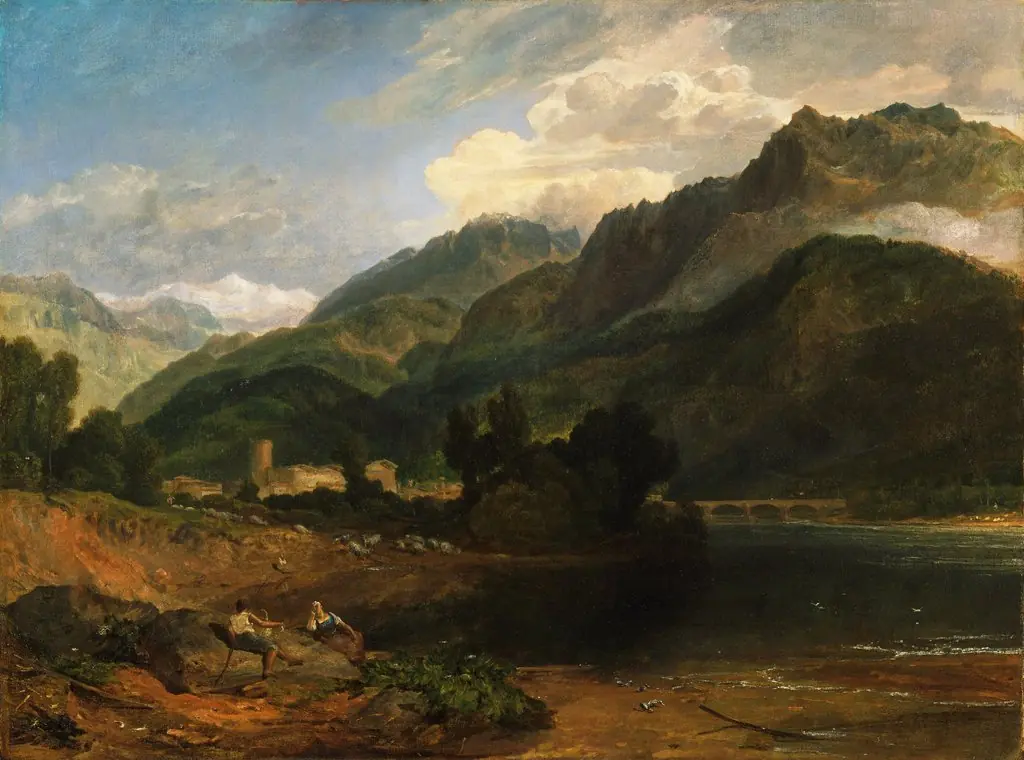
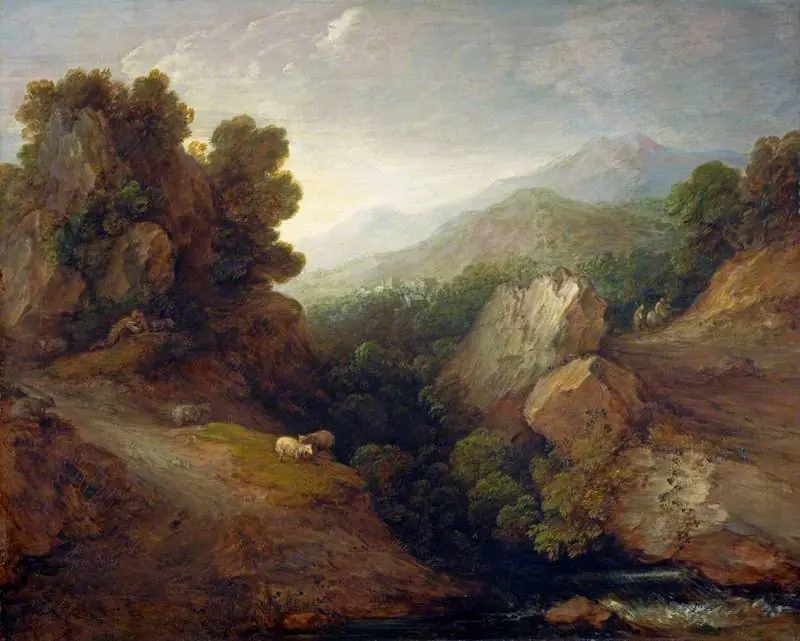
The scene depicts a tranquil rural setting with scattered trees, weathered rocks, and a distant structure nestled against a mountainous horizon. There is no human activity visible, suggesting a contemplative relationship with the land. The composition invites stillness, emphasizing nature’s quiet endurance rather than human intervention or drama.
Technique & Style
Havell employed subtle gradations of color and soft transitions between light and shadow to suggest depth and volume. Earth tones dominate the foreground, while the sky and distant peaks are rendered in muted blues and grays. The handling of light avoids dramatic contrasts, instead favoring a gentle modulation that enhances the sense of atmospheric perspective and calm.
History & Provenance
Created during Havell’s active years as a watercolorist, the painting entered the Victoria and Albert Museum’s collection as part of its broader effort to document British artistic practice. Though not widely exhibited, it remains a representative example of the period’s landscape tradition, reflecting the artist’s consistent focus on natural observation over romanticized grandeur.
Context
While often associated with the Hudson River School in American art, Havell’s work aligns more closely with the English topographical tradition, influenced by artists like Turner and Constable. His focus on quiet, unidealized landscapes mirrored a broader cultural shift toward valuing nature as a subject worthy of quiet reverence, distinct from theatrical or historical themes.
Legacy
Havell’s contribution lies in his quiet consistency within the watercolor landscape movement. His work helped sustain a mode of painting that prioritized observation over spectacle, influencing later generations interested in naturalism. Though less celebrated than contemporaries, his pieces remain important for understanding the diversity of British landscape practice in the early 1800s.
Artist & collection
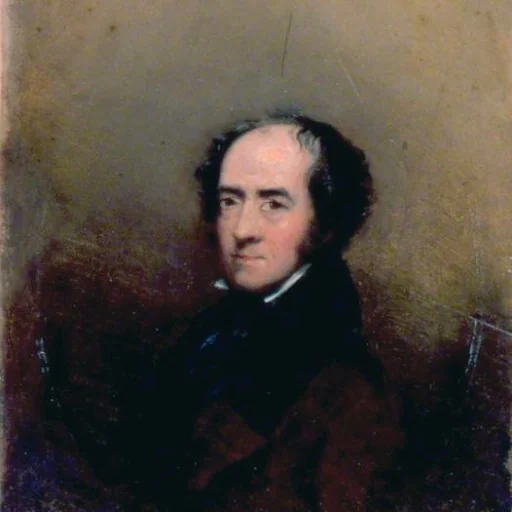
Artist
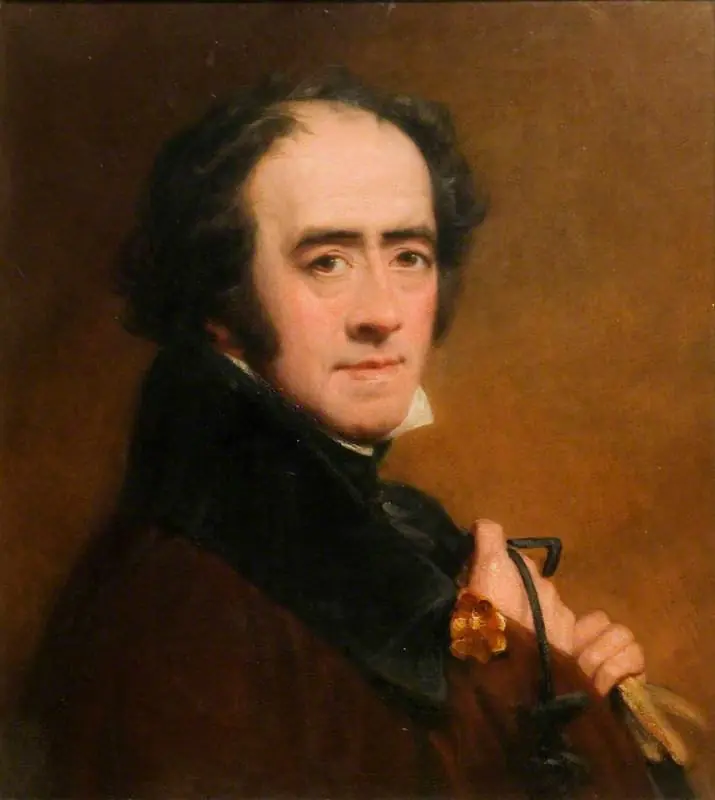
William Havell (9 February 1782 – 16 December 1857) was an English landscape painter, one of the Havell family of artists, and a founding member of the Society of Painters in Watercolours.