Artwork
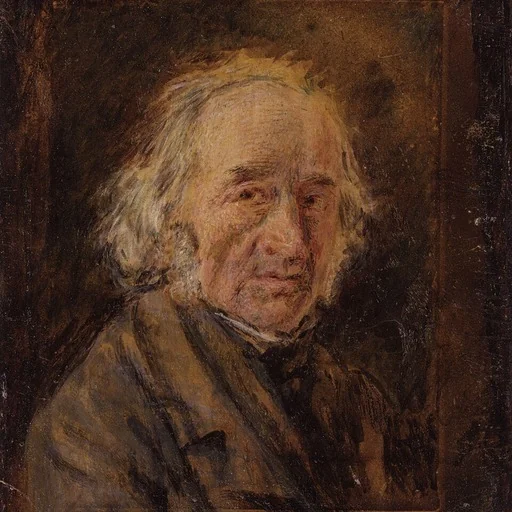
The Monk
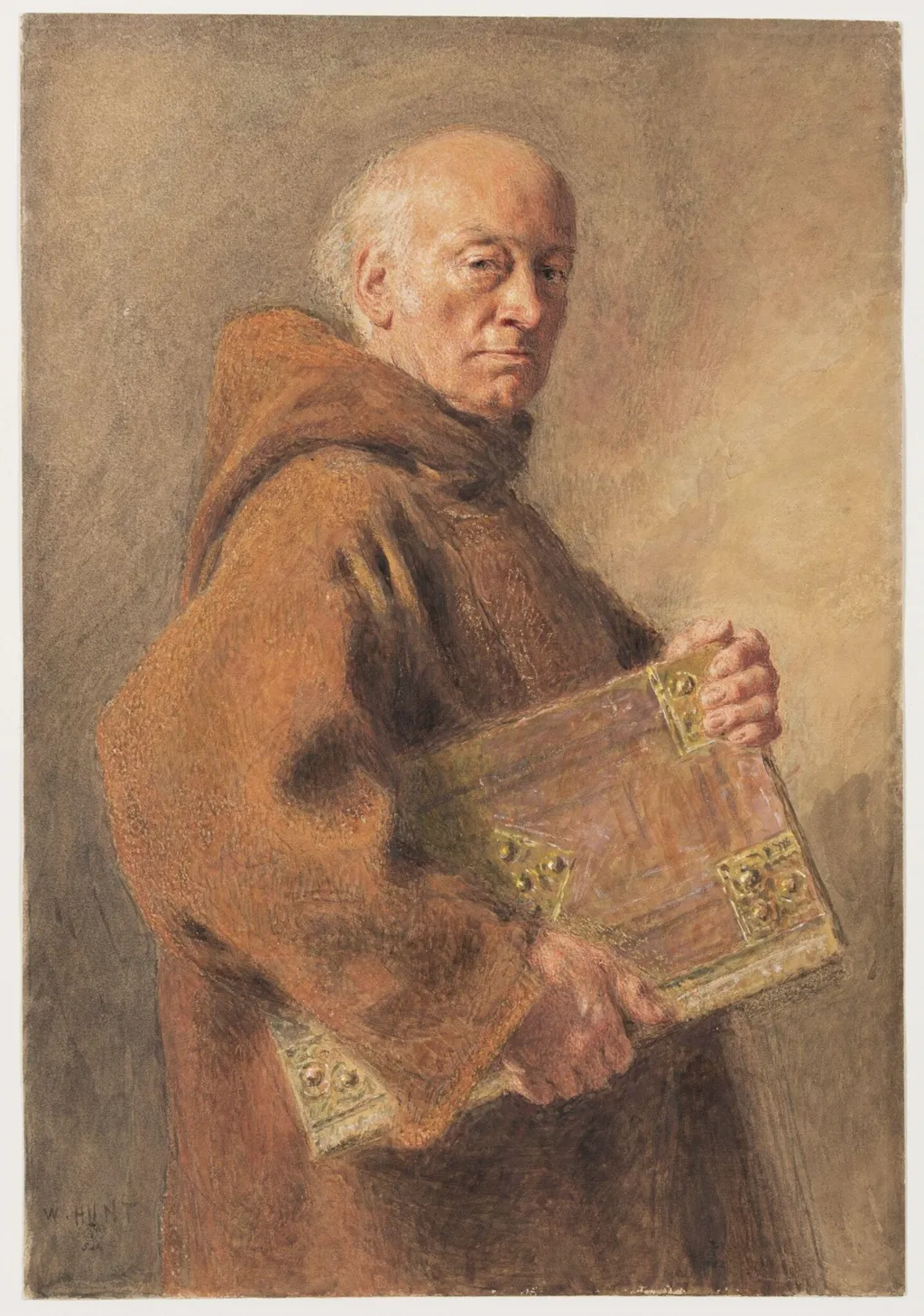
The Monk is a watercolor work on paper by William Henry Hunt. It dates from 1850 and is held in the collection of the Victoria and Albert Museum.
About this work
Overview
Created in 1850, The Monk is a watercolour by William Henry Hunt, notable for its quiet intensity and restrained palette.
Created in 1850, The Monk is a watercolour by William Henry Hunt, notable for its quiet intensity and restrained palette. Executed in delicate washes, the work captures a solitary religious figure in a moment of stillness. It was among a group of one hundred British watercolours donated by Richard Ellison’s widow to help form the National Collection of Water Colour Paintings, reflecting its early recognition within institutional circles.
Subject & Meaning
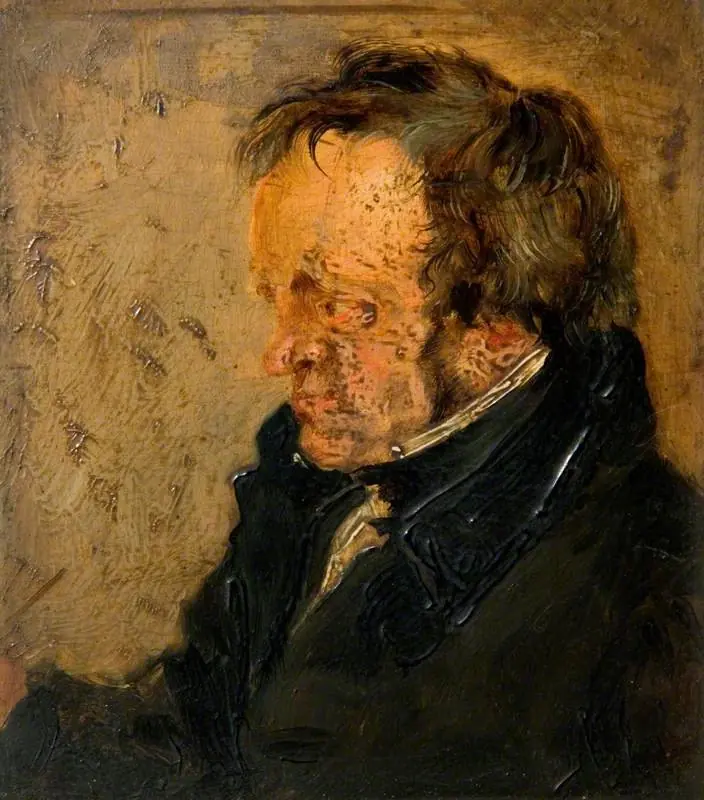
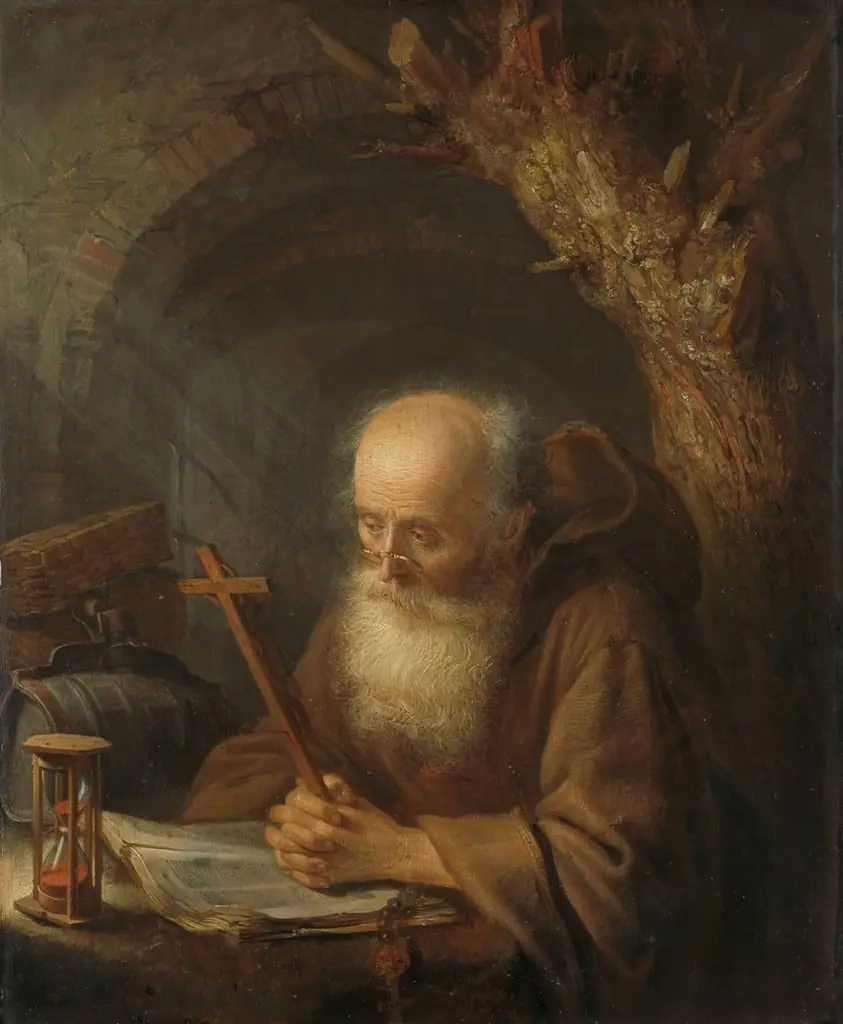
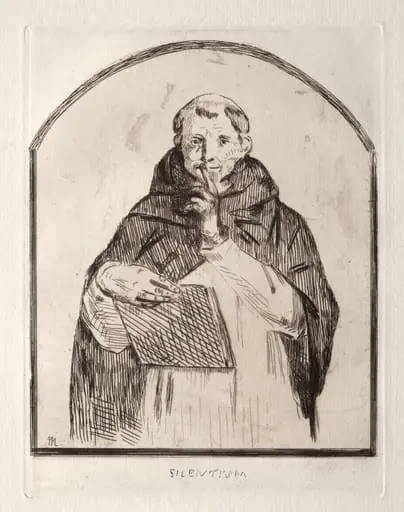
The painting portrays a monk in a hooded brown robe, holding a book with both hands, his gaze lowered in contemplation. The figure’s posture and minimal surroundings suggest introspection, aligning with monastic traditions of silent devotion. Hunt avoids narrative drama, instead emphasizing the dignity of solitude. The subject’s anonymity invites viewers to consider the inner life of the individual rather than a specific historical or doctrinal context.
Technique & Style
Hunt employed transparent watercolour washes to model the monk’s robe with subtle gradations of earth tones, suggesting fabric texture without heavy outline. The muted beige background recedes, directing focus to the figure’s form and the soft interplay of light and shadow on his hood and hands. His brushwork is precise yet unobtrusive, prioritizing tonal harmony over detail, characteristic of his approach to quiet, observational subjects.
History & Provenance
The painting belonged to Richard Ellison, a collector who assembled one hundred British watercolours to promote the medium’s artistic value. After his death, his widow donated the collection in two phases—1860 and 1873—to support the founding of a national watercolour collection. The Monk entered public ownership through this act, securing its place in the institutional history of British art.
Context
In mid-19th century Britain, watercolour was gaining legitimacy as a serious medium, moving beyond topographical sketches. Hunt, among others, elevated it through intimate, carefully observed scenes of ordinary life and solitary figures. The Monk reflects this shift, aligning with broader cultural interests in spirituality, introspection, and the quiet dignity of the individual during a period of rapid social change.
Legacy
The Monk remains a representative example of Hunt’s contribution to the British watercolour tradition. Its inclusion in the national collection helped establish watercolour as a medium worthy of preservation and study. Though not widely reproduced, its restrained aesthetic continues to inform understandings of 19th-century British art’s capacity for emotional subtlety and technical refinement.
Own this work as a print
Artist & collection
Artist
William Henry Hunt (London 28 March 1790 – 10 February 1864), was an English watercolourist.