Artwork
The Miracle of Saint John of Capestrano
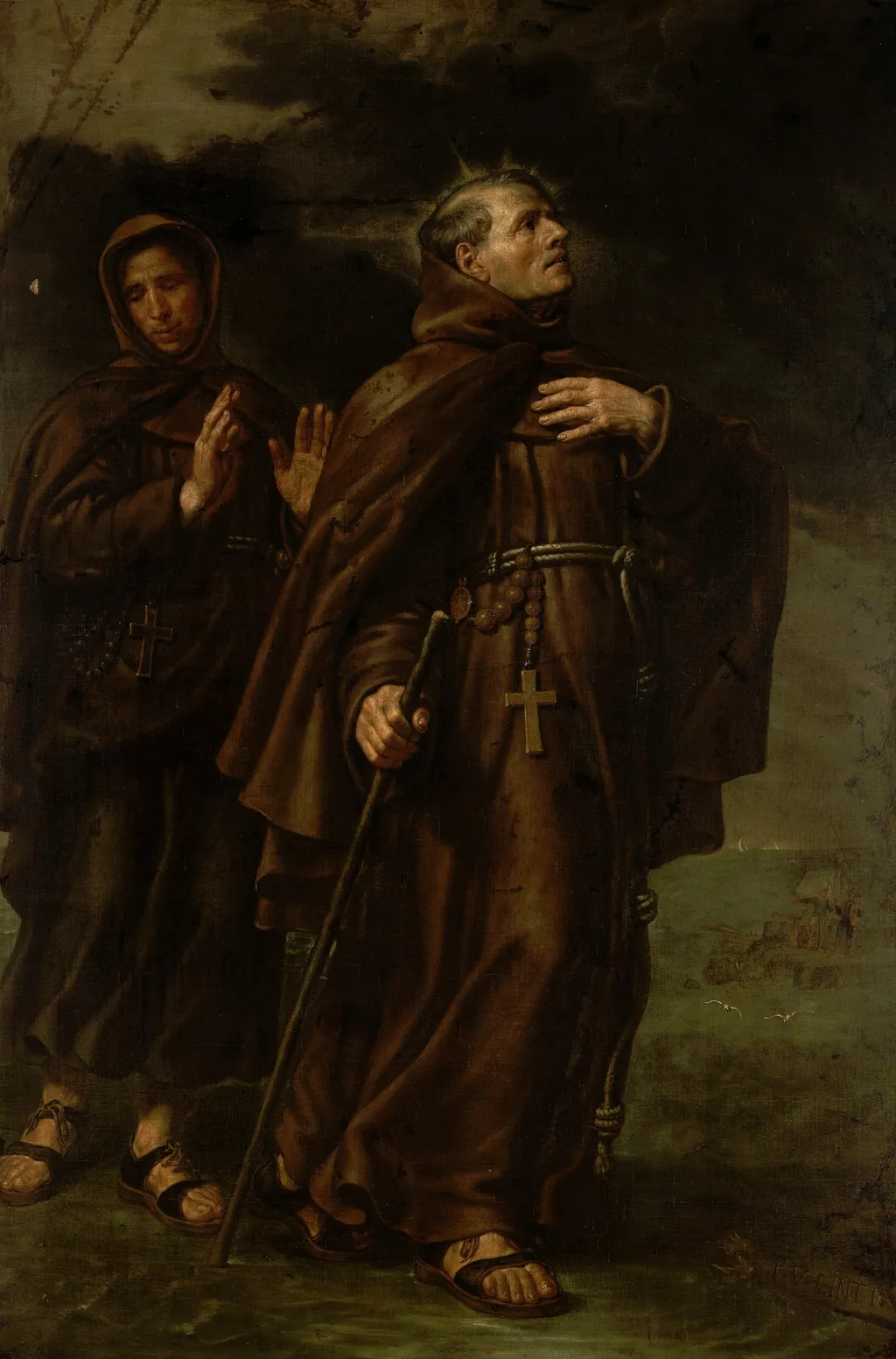
The Miracle of Saint John of Capestrano is an oil painting by the Flemish Baroque painting artist Pieter van Lint. It dates from 1650 and is held in the collection of the Royal Museum of Fine Arts Antwerp.
About this work
Overview
The painting resides in the Royal Museum of Fine Arts Antwerp, where it remains a testament to his synthesis of northern and Italian artistic traditions.
Painted around 1650 by Pieter van Lint, a Flemish artist trained in both Antwerp and Italy, this oil-on-canvas work illustrates a moment from the life of Saint John of Capestrano. Van Lint, known for his religious narratives, employed the dramatic lighting and emotional intensity characteristic of the Flemish Baroque. The painting resides in the Royal Museum of Fine Arts Antwerp, where it remains a testament to his synthesis of northern and Italian artistic traditions.
Subject & Meaning
The scene portrays Saint John of Capestrano, a 15th-century Franciscan preacher and military chaplain, alongside an associate. The saint, identified by his staff and cross, is shown in a moment of spiritual authority, while the figure behind him raises his hands in supplication or awe. The composition suggests divine intervention during a time of crisis, likely referencing his role in rallying Christian forces against Ottoman expansion, emphasizing faith as a source of strength.
Technique & Style
Van Lint uses chiaroscuro to model the figures with strong contrasts between light and shadow, giving them sculptural presence against a deep, neutral background. The light falls precisely on the faces and hands, drawing attention to expressions of devotion and resolve. Brushwork is controlled yet expressive, with attention to the texture of fabric and the subtlety of skin tones, reflecting his training in both Flemish realism and Italianate dramatic lighting.
History & Provenance
Created during van Lint’s mature period, the painting entered the collection of the Royal Museum of Fine Arts Antwerp in the 19th century, likely through institutional acquisitions of religious works from former monastic or private holdings. Its survival through centuries of political and religious upheaval underscores its perceived significance within Flemish ecclesiastical art traditions.
Context
In mid-17th-century Flanders, religious imagery remained vital amid Counter-Reformation pressures. Van Lint’s depiction of Saint John of Capestrano aligns with broader efforts to reinforce Catholic identity through narratives of faith and resistance. The saint’s association with military defense against Ottoman forces resonated with contemporary anxieties about Islamic expansion in southeastern Europe.
Legacy
Though not among van Lint’s most widely reproduced works, the painting exemplifies his ability to merge narrative clarity with emotional restraint. It contributes to the understanding of how Flemish artists adapted Italian Baroque techniques to serve local devotional needs, preserving a visual language of piety that endured beyond the artist’s lifetime.
Artist & collection
Artist
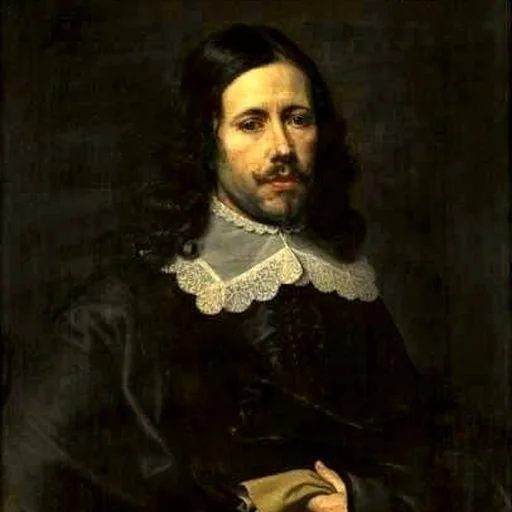
Pieter van Lint or Peter van Lint (1609–1690) was a Flemish painter, draughtsman and designer of tapestries.

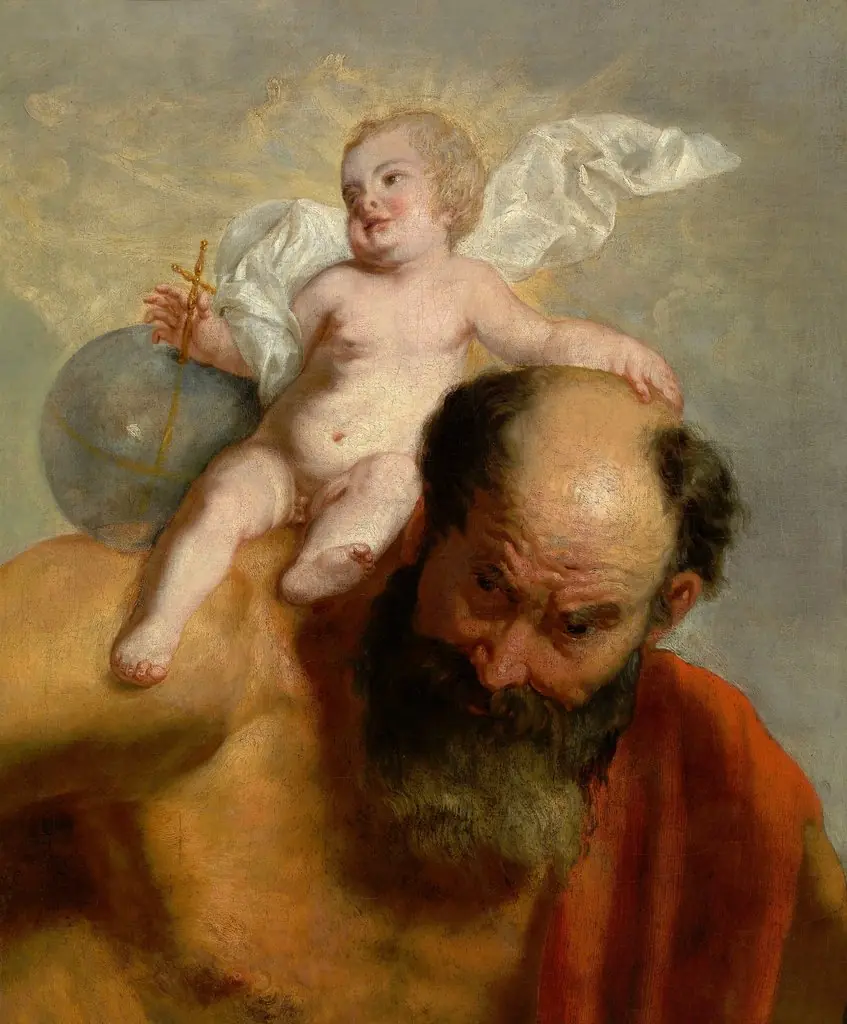
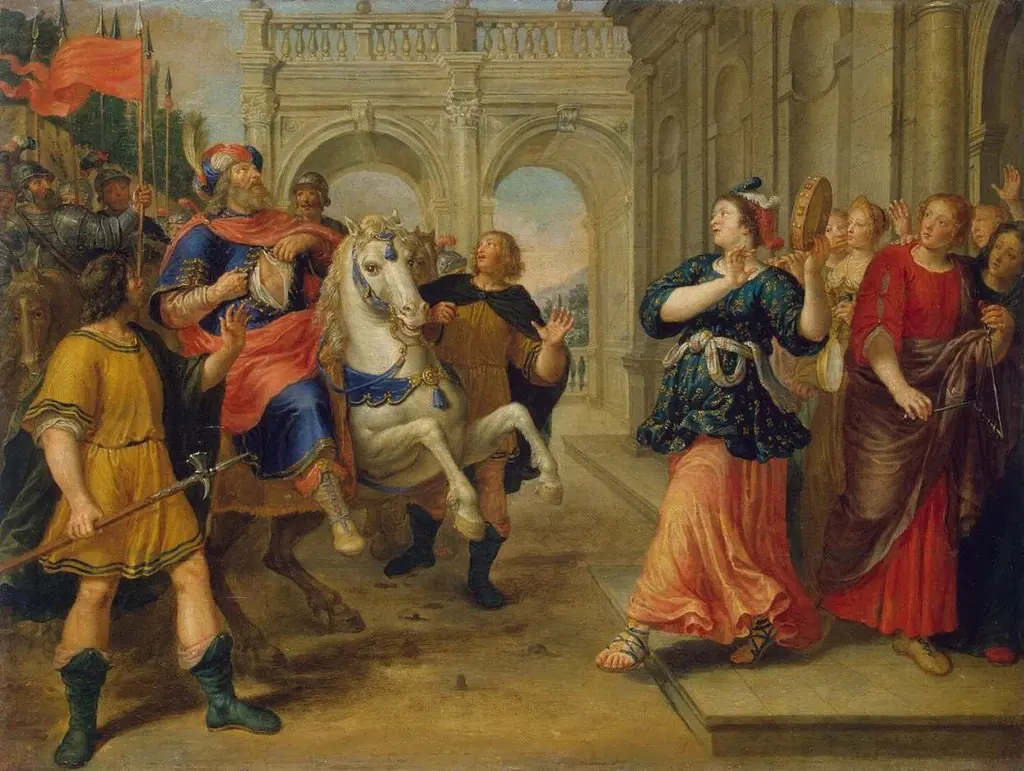
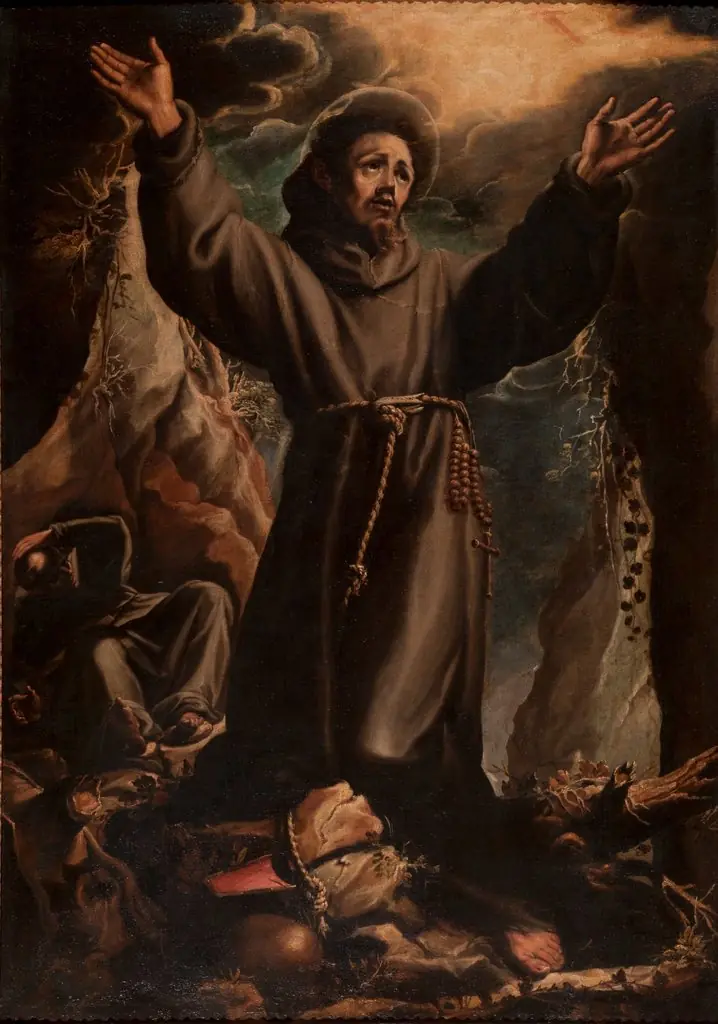 San Francisco recibiendo los estigmas
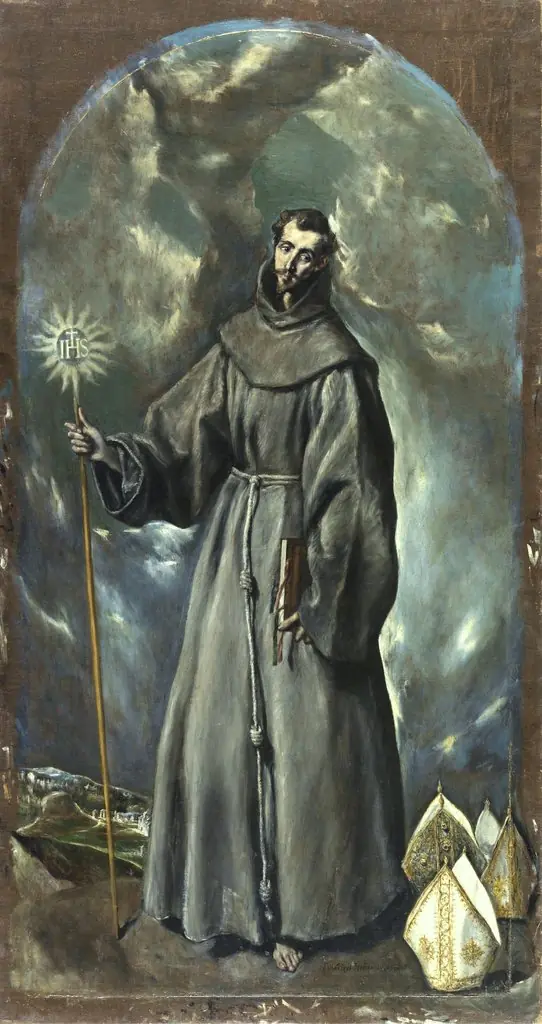 San Bernardino de Siena
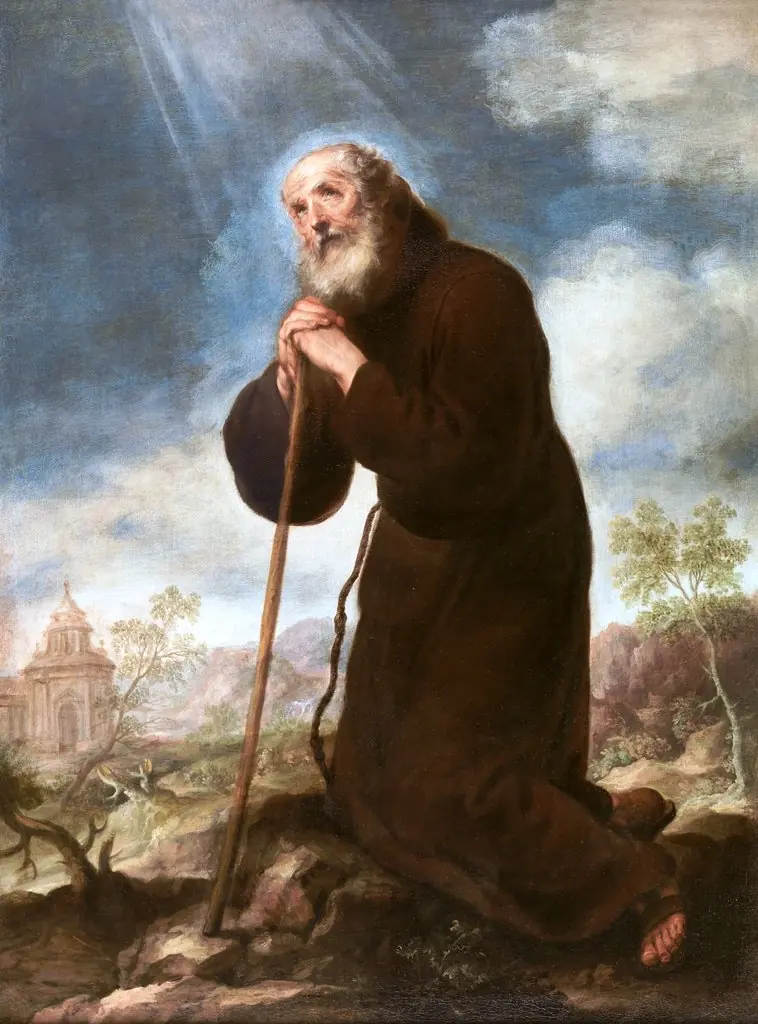 San Francisco de Paula
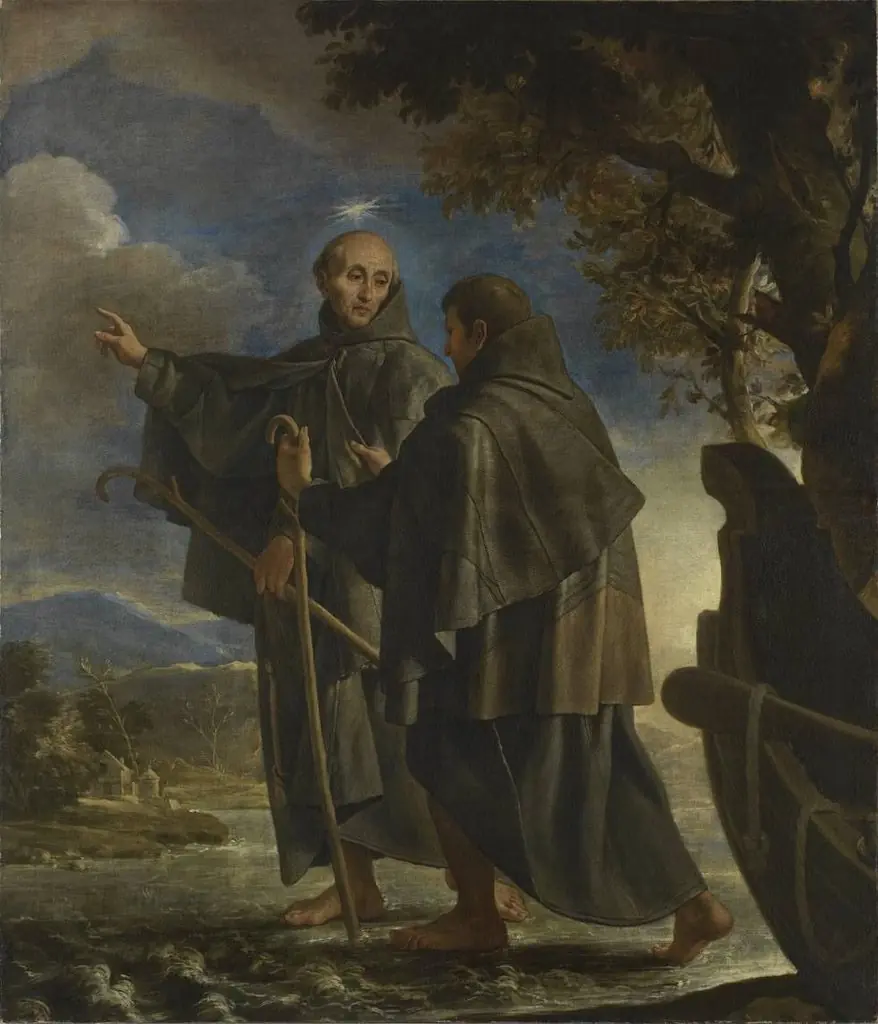 Der hl. Petrus von Alcántara wandelt über den Fluss Quadiana
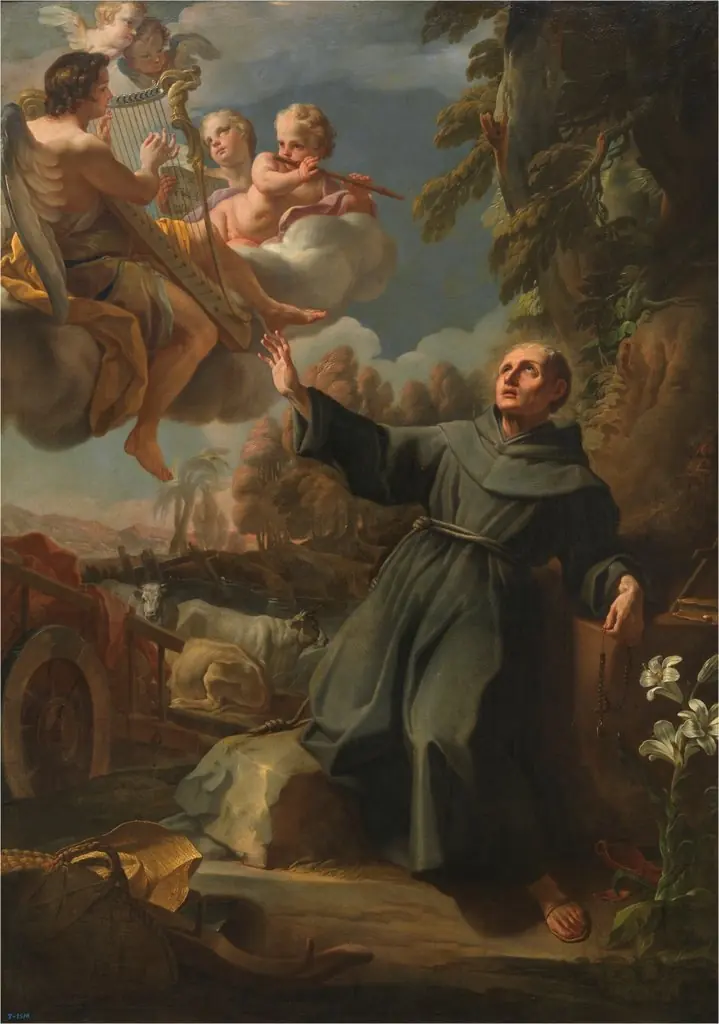 The Vision of the Blessed Sebastián Aparicio
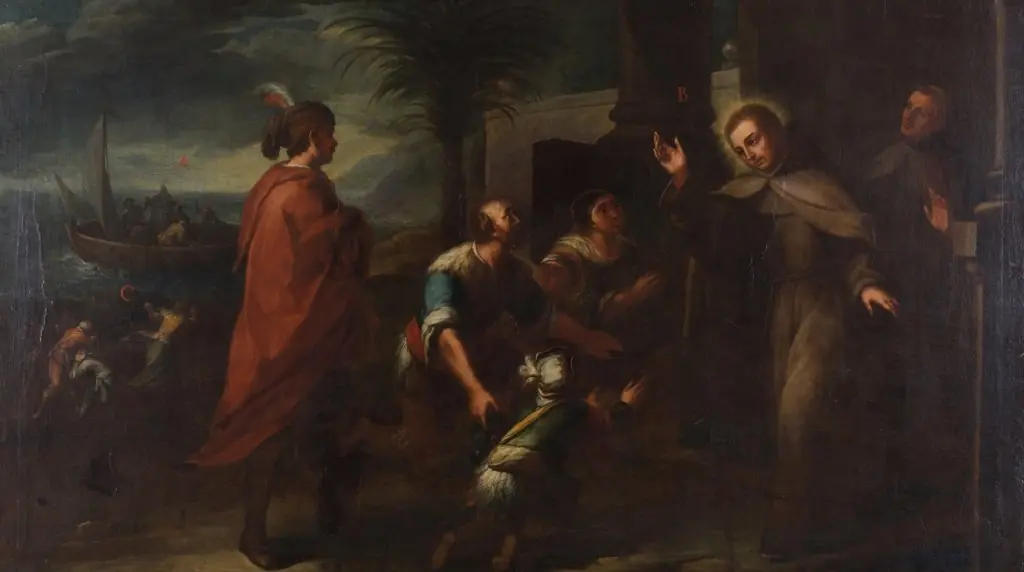 San Diego de Alcalá en las islas Canarias
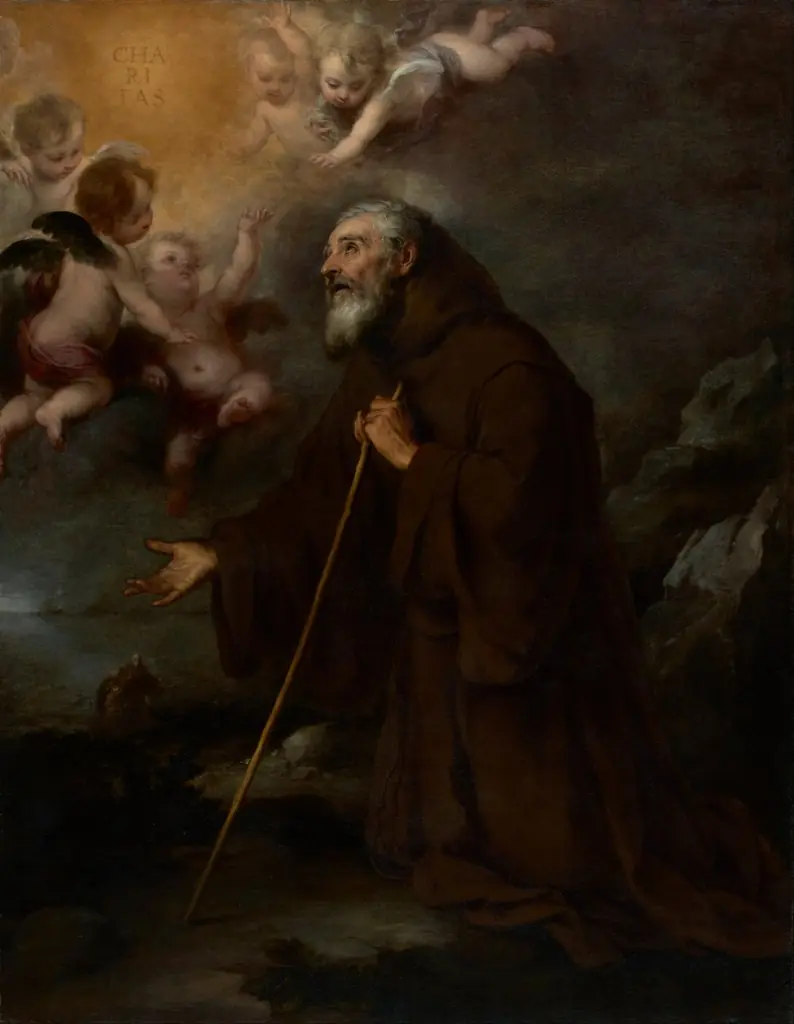 The Vision of Saint Francis of Paola
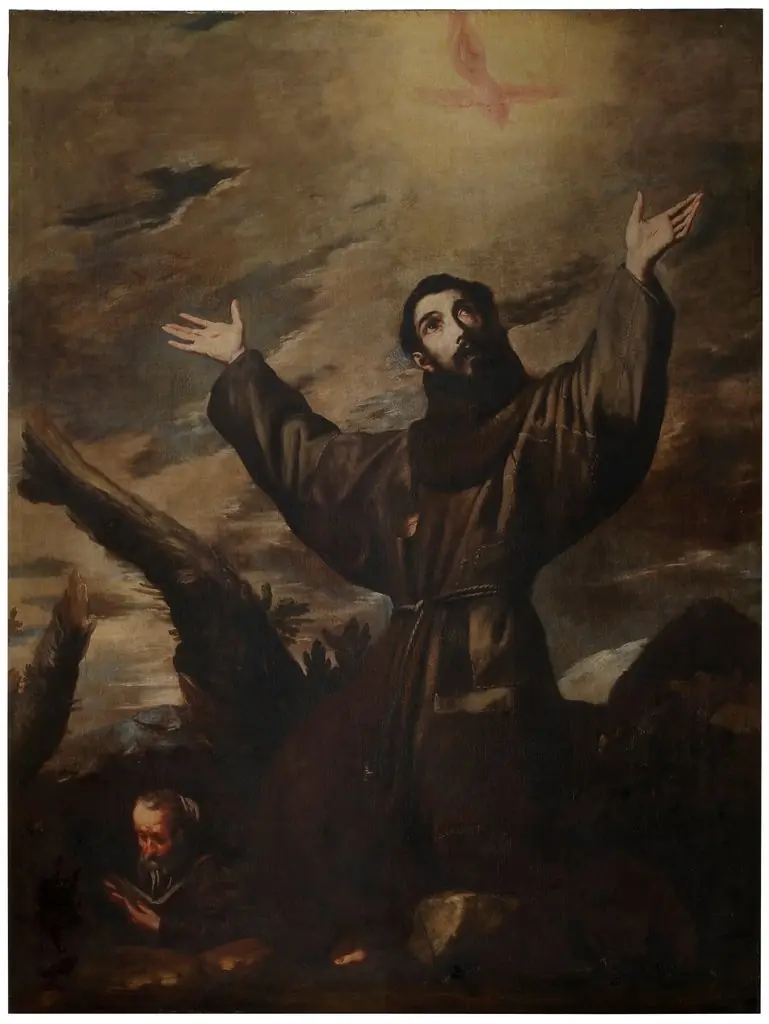 San Francisco recibe los estigmas
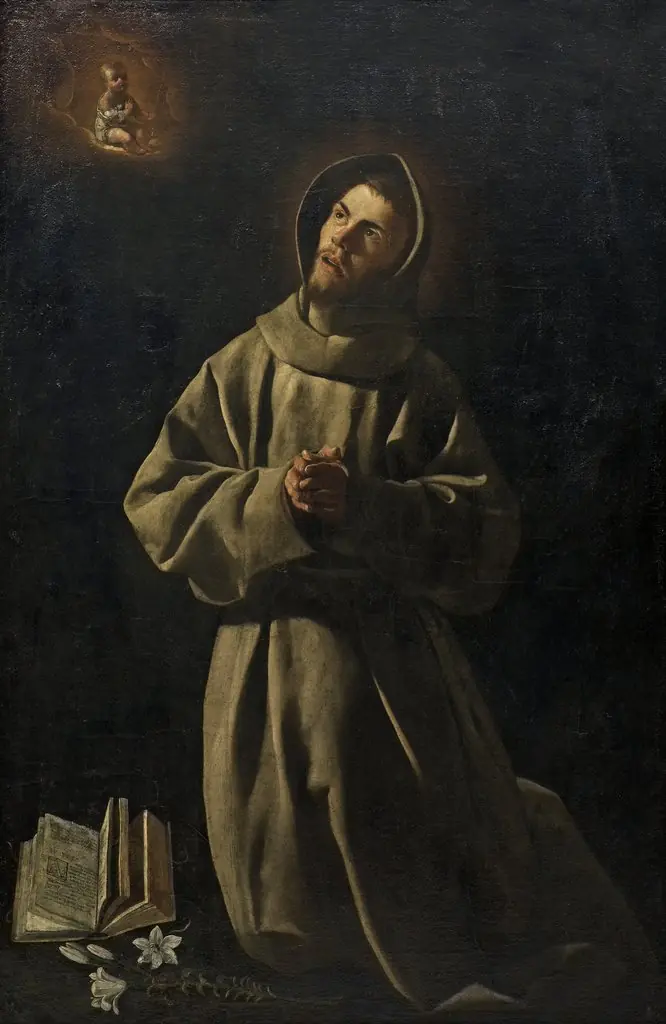 Apparition of the Child Jesus to Saint Anthony of Padua
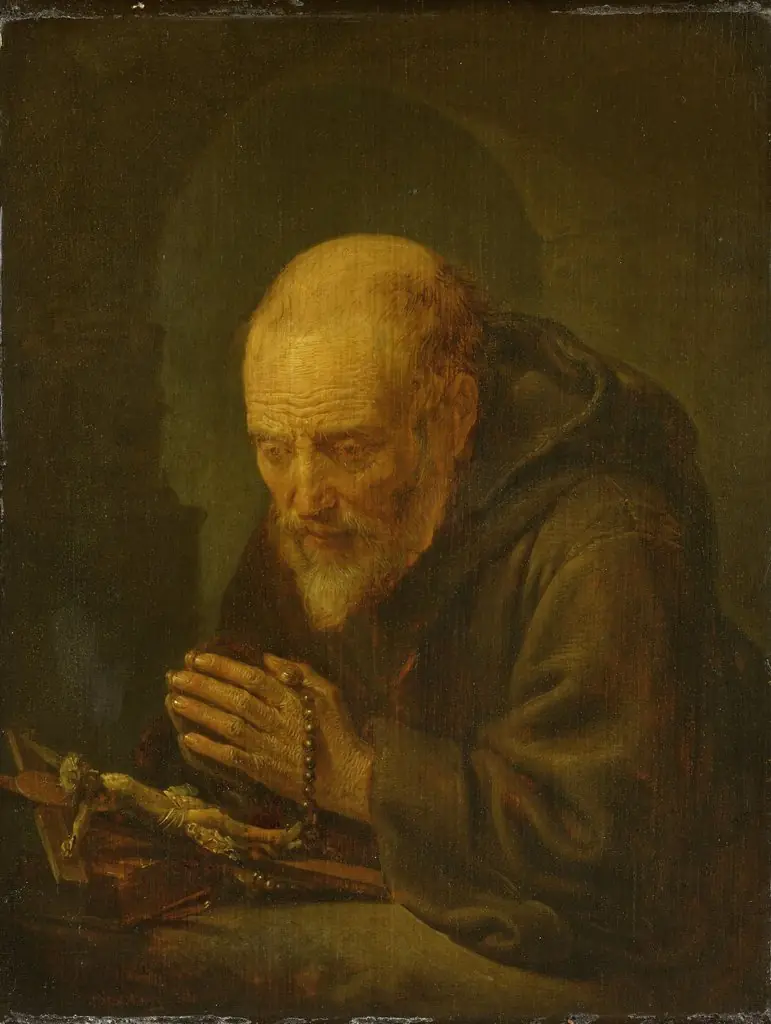 A Hermit in Prayer
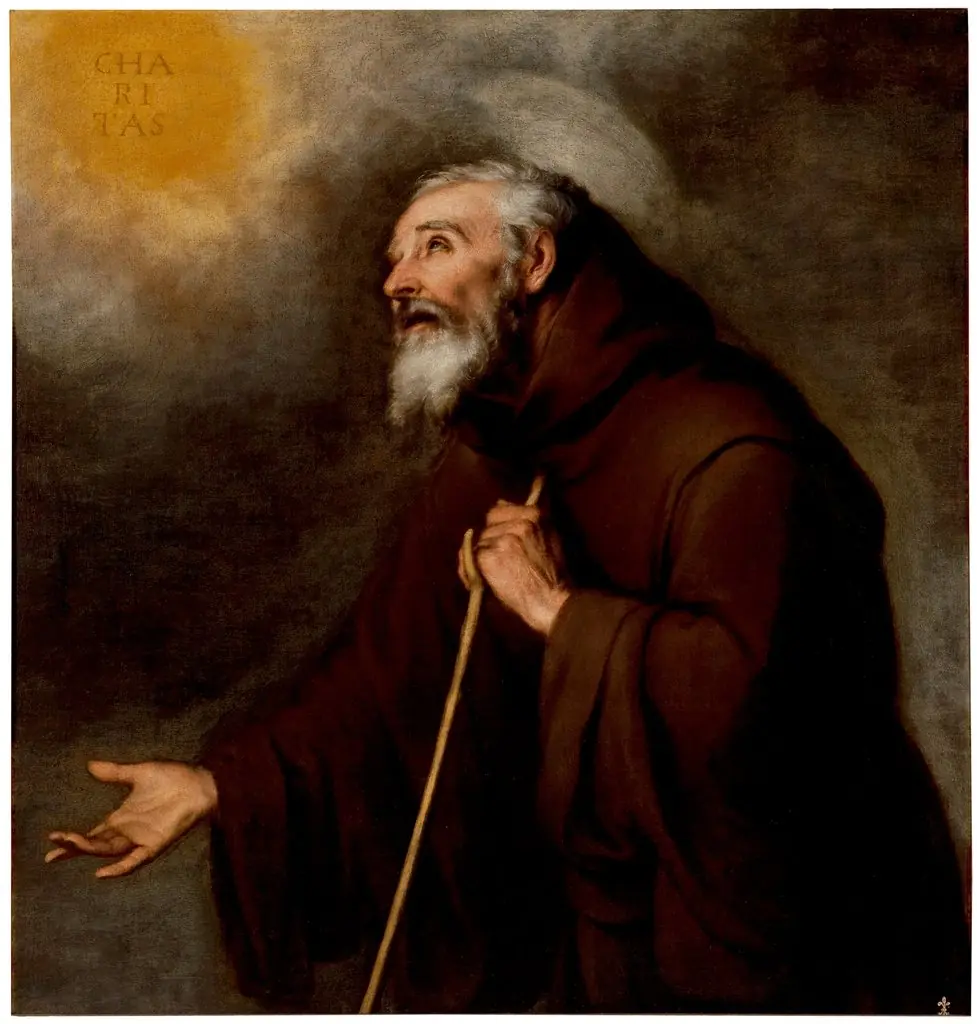 Saint Francis of Paola
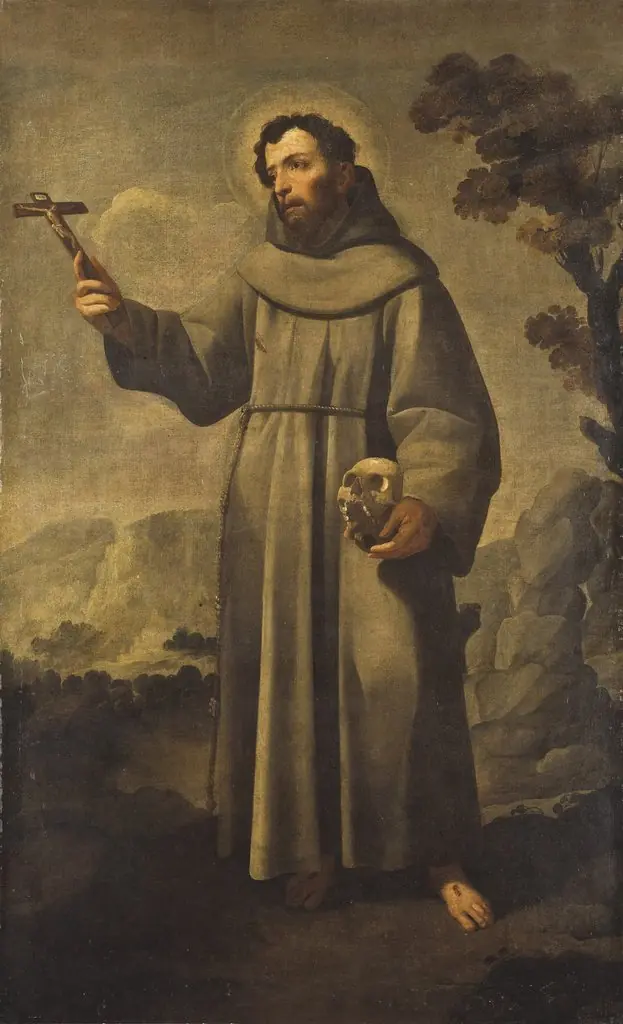 St Francis