Artwork
A Cedar of Lebanon
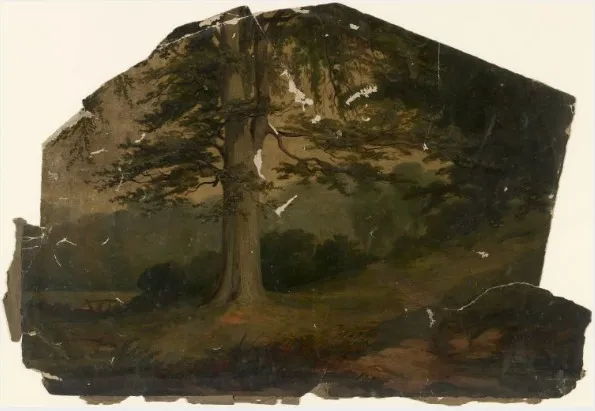
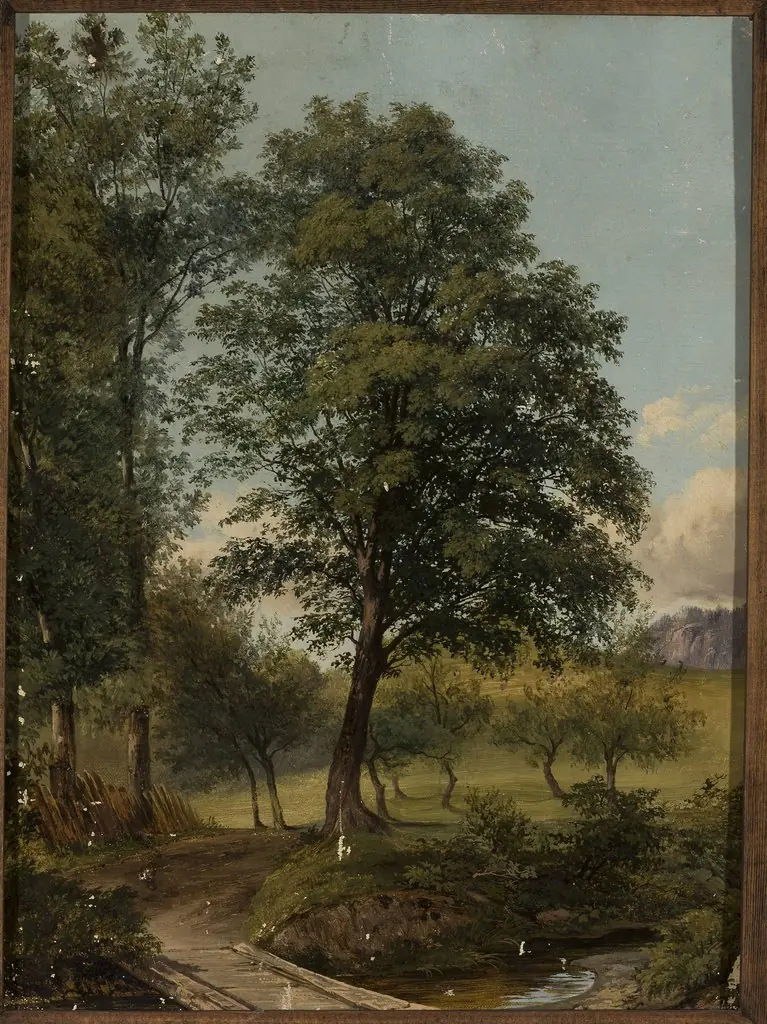
A Cedar of Lebanon is an unspecified painting by William Howis junior. It dates from 1852 and is held in the collection of the National Gallery of Ireland. William Howis Jr.
About this work
Overview
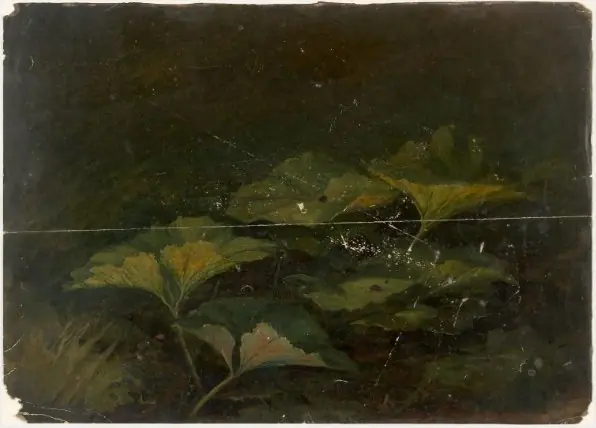
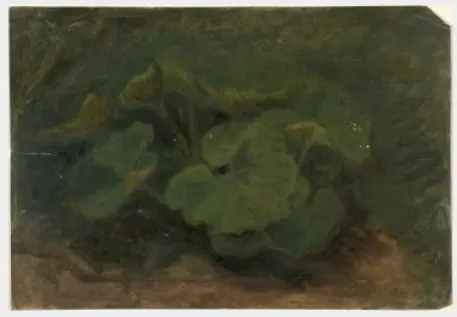
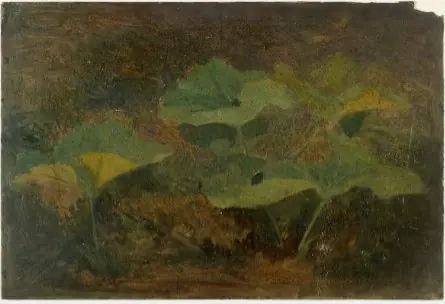
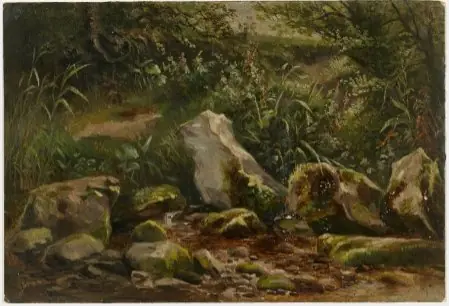
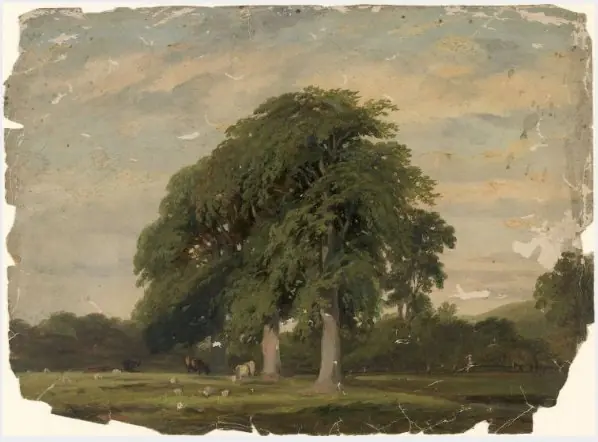
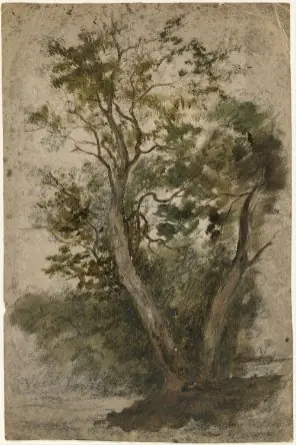
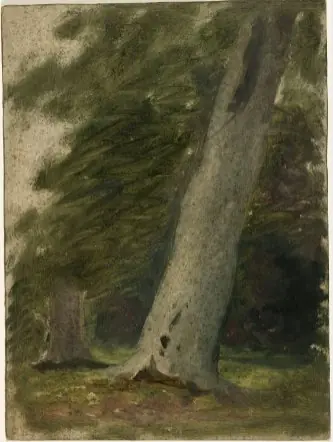
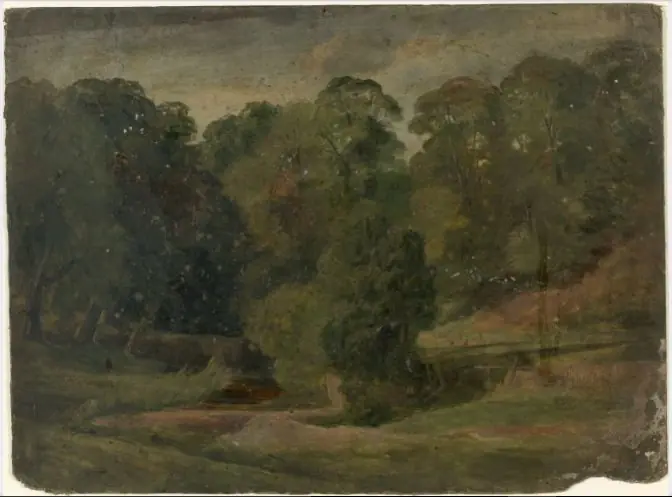
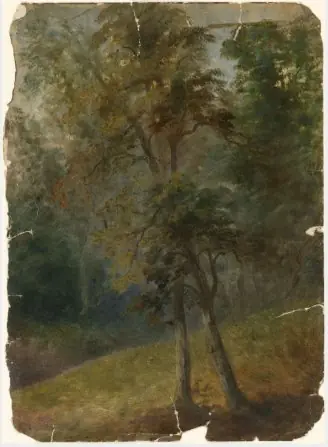
William Howis Jr.’s oil painting A Cedar of Lebanon, executed around 1852, is part of the National Gallery of Ireland’s collection. The work presents a tranquil countryside view centred on a large cedar tree whose expansive canopy dominates the composition, set against a gently rising hillside populated with smaller vegetation.
Subject & Meaning
The central cedar, a symbol traditionally associated with longevity and resilience, is rendered in a calm, natural setting that emphasizes quiet contemplation. The surrounding landscape, with its modest hills and scattered trees, reinforces a sense of harmony between the singular tree and its environment, inviting the viewer to experience a peaceful moment in nature.
Technique & Style
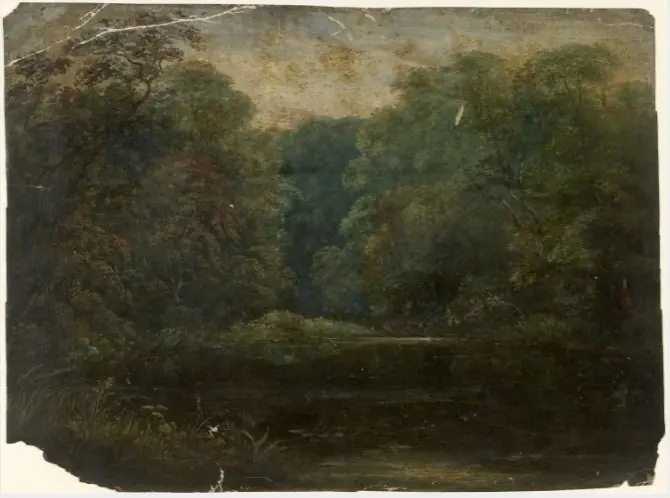
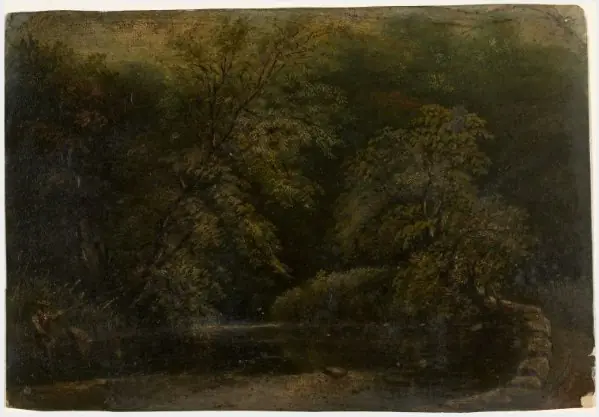
Howis employs a muted palette of soft greens, earthy browns, and subtle ochres, allowing light to filter gently across the scene. Brushwork is loose and expressive, particularly in the foliage, creating a feeling of movement while maintaining overall compositional stability. The handling of light and colour contributes to the work’s serene atmosphere.
History & Provenance
Created in the early 1850s, the painting entered the National Gallery of Ireland’s holdings, where it remains on display. Its acquisition reflects the gallery’s commitment to representing 19th‑century Irish landscape painting and to preserving works by artists such as Howis, who was active in Dublin during that period.
Context
During the mid‑19th century, Irish artists often turned to native and exotic flora to convey national identity and romantic ideals. Howis’s choice of a cedar—a tree not indigenous to Ireland—aligns with contemporary interests in the picturesque and the exotic, while the overall treatment remains rooted in the tonal landscape tradition prevalent in Irish art of the era.
Artist & collection