Artwork
Italian Night, Capri
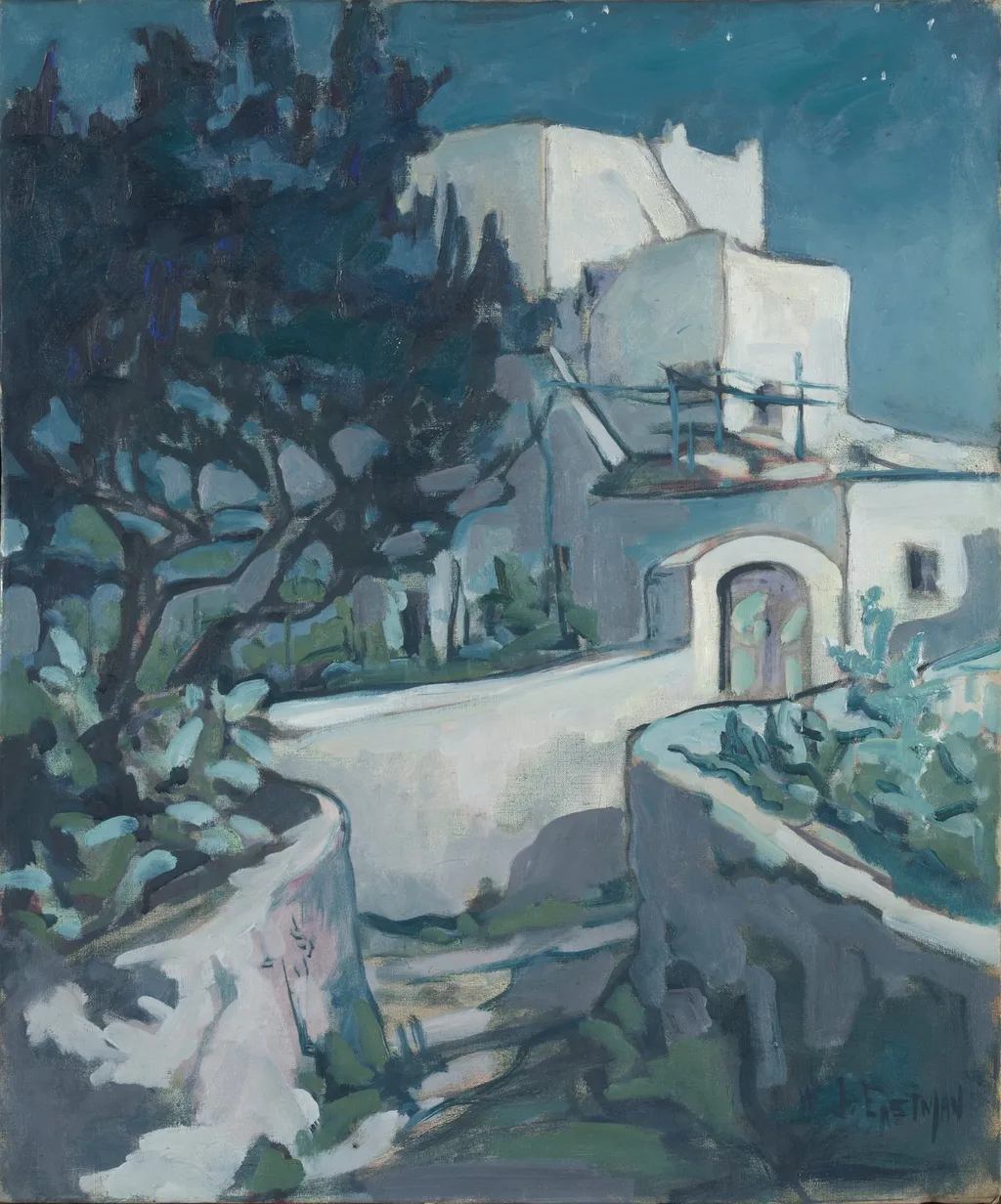
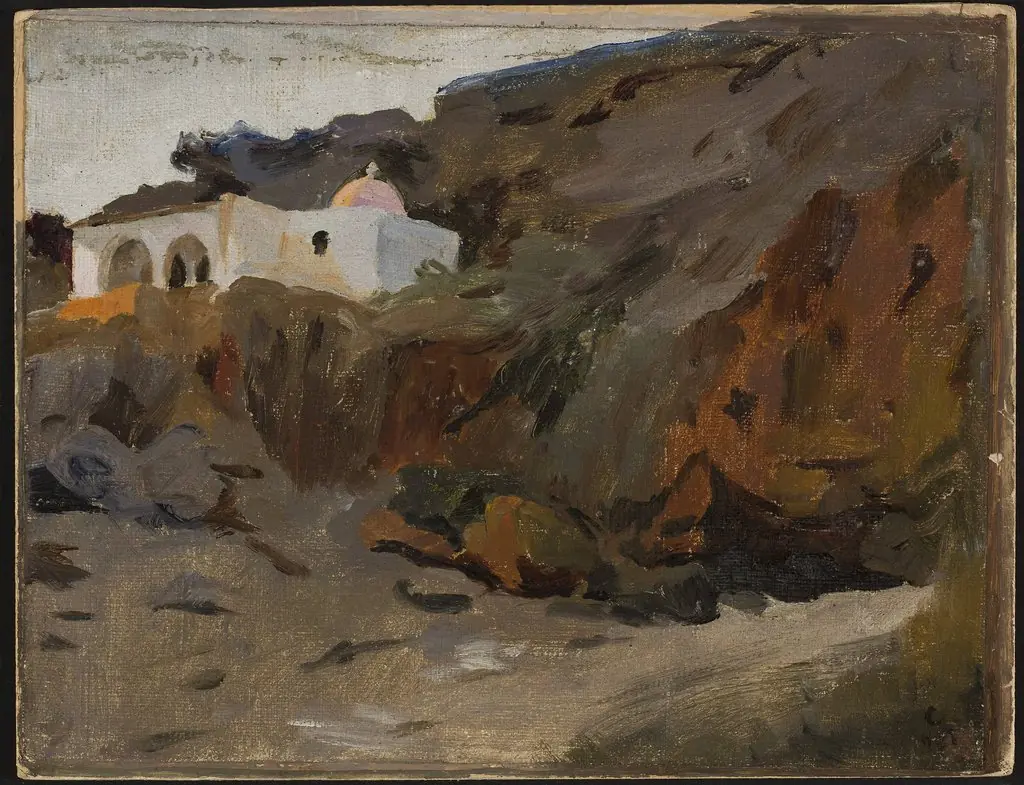
Italian Night, Capri is an unspecified painting by the American Impressionist artist William Joseph Eastman. It dates from 1924 and is held in the collection of the Cleveland Museum of Art.
About this work
Overview
Eastman’s focus on twilight atmosphere reflects his interest in capturing the subtle interplay of natural light and form in Mediterranean settings.
Italian Night, Capri is a 1924 landscape painting by American artist William Joseph Eastman. It depicts a quiet nocturnal scene on the island of Capri, rendered in oil on canvas. The work is part of the permanent collection at The Cleveland Museum of Art, where it has been held since its acquisition in 1925. Eastman’s focus on twilight atmosphere reflects his interest in capturing the subtle interplay of natural light and form in Mediterranean settings.
Subject & Meaning
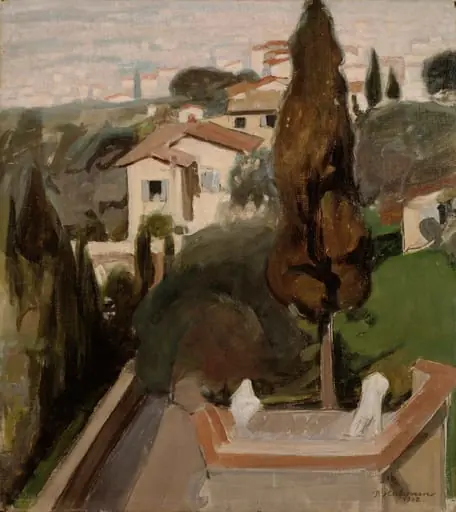
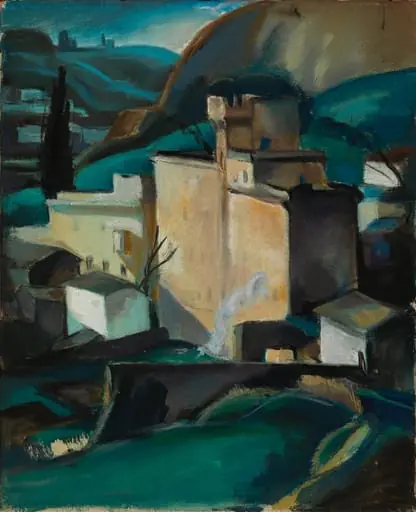
The painting presents a tranquil, uninhabited stretch of the Capri countryside at night. A winding stone path leads toward a modest villa with softly illuminated windows, suggesting quiet domesticity amid nature. The dominant foreground tree frames the scene, its heavy branches casting deep shadows. The absence of human figures enhances the sense of solitude, inviting contemplation rather than narrative. The glow of the building implies a gentle, unseen life within the stillness.
Technique & Style
Eastman employs chiaroscuro to model forms and suggest depth, using muted tones of indigo, olive, and cream to differentiate shadow from moonlit surfaces. Brushwork is controlled yet fluid, with soft edges blending sky and foliage. The texture of the tree bark and stone path is suggested rather than detailed, emphasizing mood over precision. The composition guides the eye along the path into the distance, reinforcing the painting’s meditative tone through restrained color and tonal gradation.
History & Provenance
Painted during Eastman’s time in Italy, the work was completed in 1924 and acquired by The Cleveland Museum of Art the following year. It was among several Capri-themed studies Eastman produced during his travels in the early 1920s. The museum’s records indicate it was purchased directly from the artist, reflecting his growing recognition among American collectors interested in European landscapes. No significant alterations or restorations are documented in its history.
Context
Eastman’s Italian works emerged during a period when American artists increasingly traveled to Europe to study light and landscape traditions. His approach aligns with late Impressionist and Tonalist tendencies, emphasizing atmosphere over topographical accuracy. Unlike contemporaries who focused on bustling coastal scenes, Eastman chose quiet, interior views—reflecting a broader interest in solitude and the emotional resonance of place during the interwar years.
Legacy
Italian Night, Capri remains a representative example of Eastman’s mature style, though he is not widely known outside regional American art circles. The painting contributes to the understanding of early 20th-century American responses to Mediterranean light and architecture. Its quiet intensity continues to resonate in museum settings as an understated meditation on night, nature, and stillness, offering a counterpoint to more dramatic landscape traditions.
Own this work as a print
Artist & collection