Artwork
Lucy Harington, Countess of Bedford
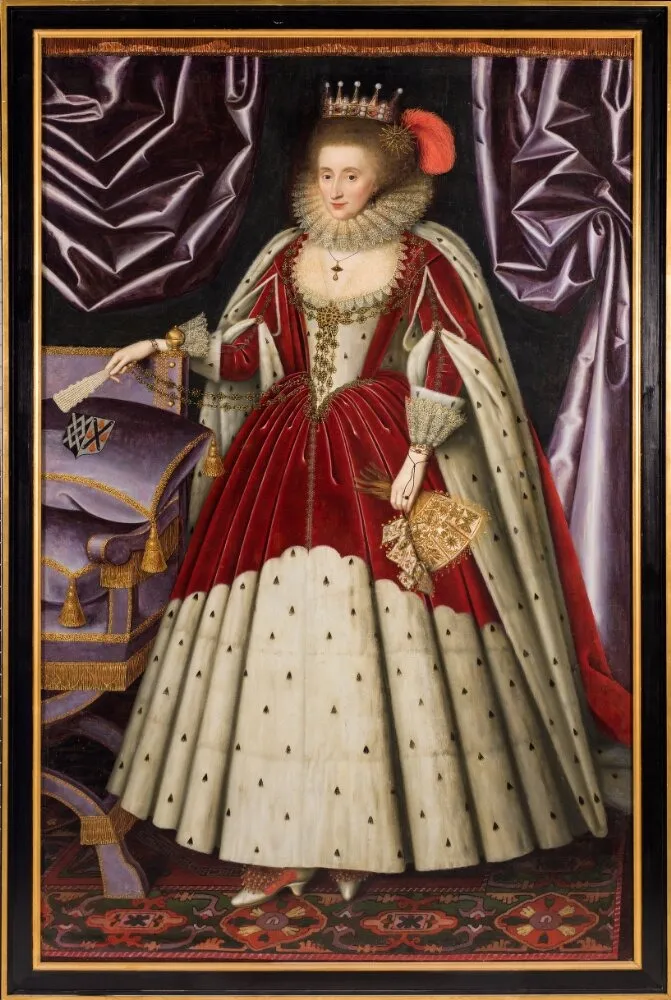
Lucy Harington, Countess of Bedford is an oil painting by the Early Baroque Italian artist William Larkin. It dates from 1610 and is held in the collection of the Nationalmuseum.
About this work
Overview
William Larkin’s 1610 oil portrait presents Lucy Russell, Countess of Bedford, in a richly appointed ensemble. The composition places the sitter before a darkened backdrop, highlighted by a deep purple chair and draped curtains, which serve to intensify the vivid reds and whites of her costume. The work resides in the collection of Sweden’s Nationalmuseum.
Subject & Meaning
The painting captures Lucy Harington, a prominent aristocrat of early Stuart England, emphasizing her status through sumptuous dress and regal accessories, including a small crown and a decorative fan. The inclusion of luxurious fabrics, gold trim, and a poised stance conveys both personal elegance and the social prestige associated with her title.
Technique & Style
Larkin employs a pronounced chiaroscuro, contrasting the luminous, detailed rendering of the Countess’s garments with a tenebrous background. Fine brushwork delineates the ruffled collar, embroidered gold, and the delicate black dot pattern on the dress, while the smooth handling of light on the fabric creates a tactile sense of texture and depth.
History & Provenance
Executed in 1610, the portrait has remained in the public domain, eventually entering the Nationalmuseum’s holdings in Stockholm. Its attribution to Larkin, a leading portraitist of the Jacobean court, aligns with the artist’s known practice of portraying high‑ranking patrons in elaborate, fashion‑forward attire.
Artist & collection

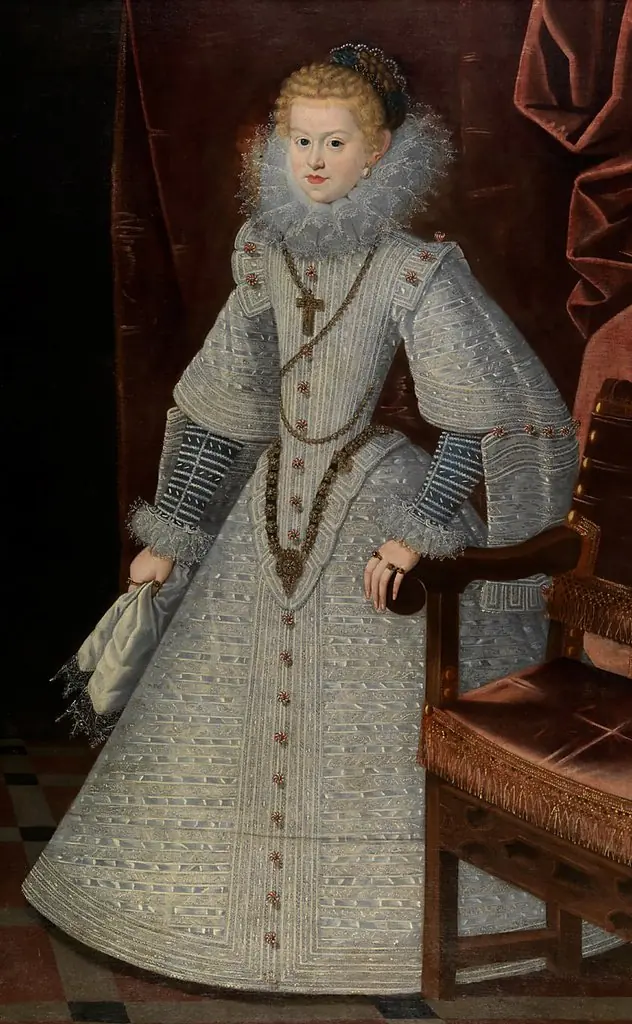 Infantin Maria Anna (1606-1646), Kaiserin, in ganzer Figur
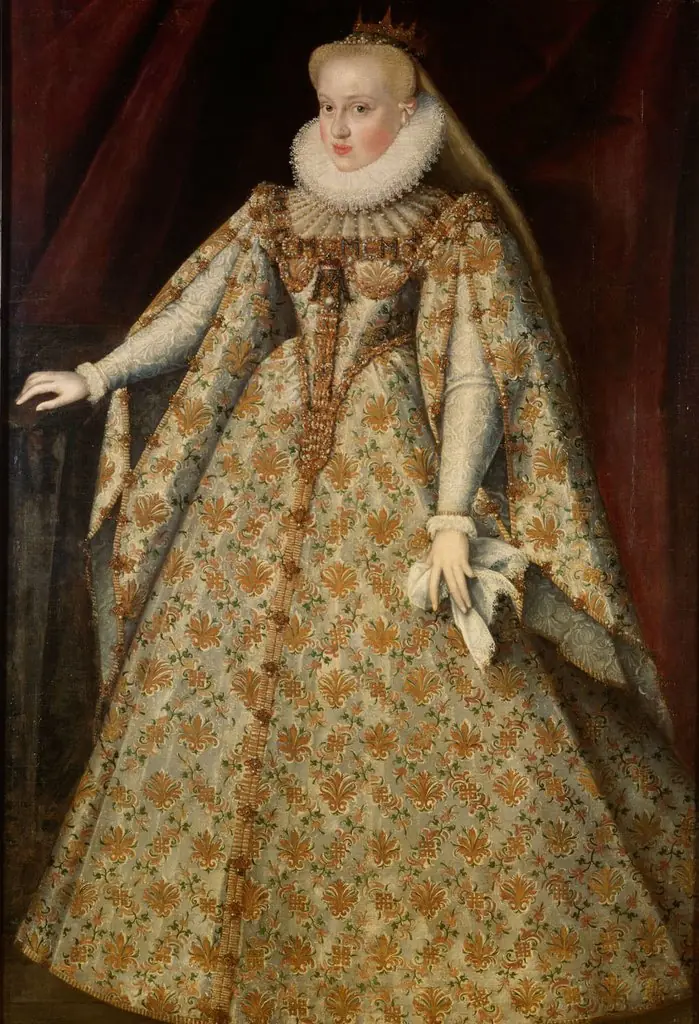 Portrait of Archduchess Maria Christina of Austria (1574–1621)
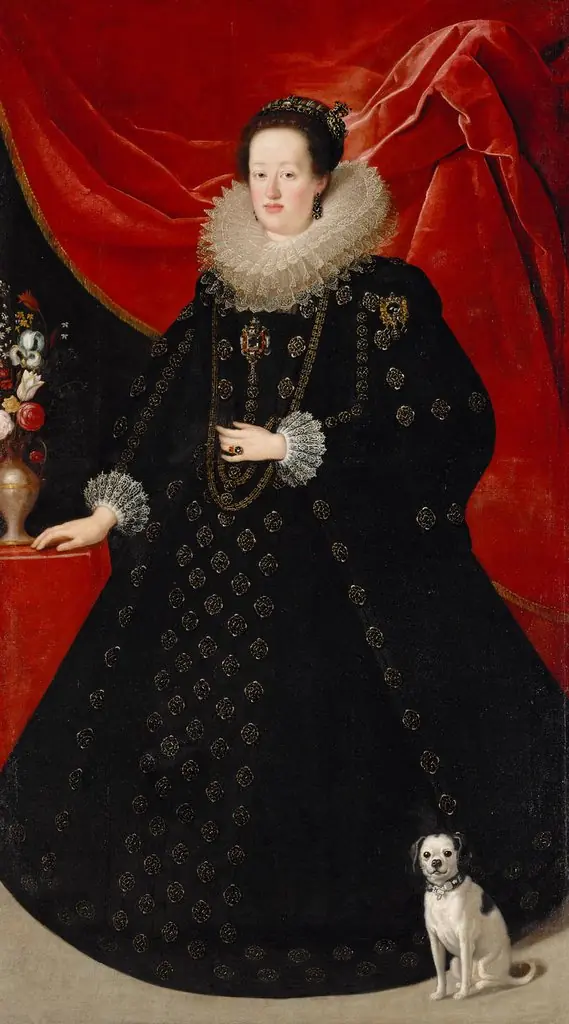 Portrait of Eleonore von Gonzaga (1598-1655), Empress in Black Dress
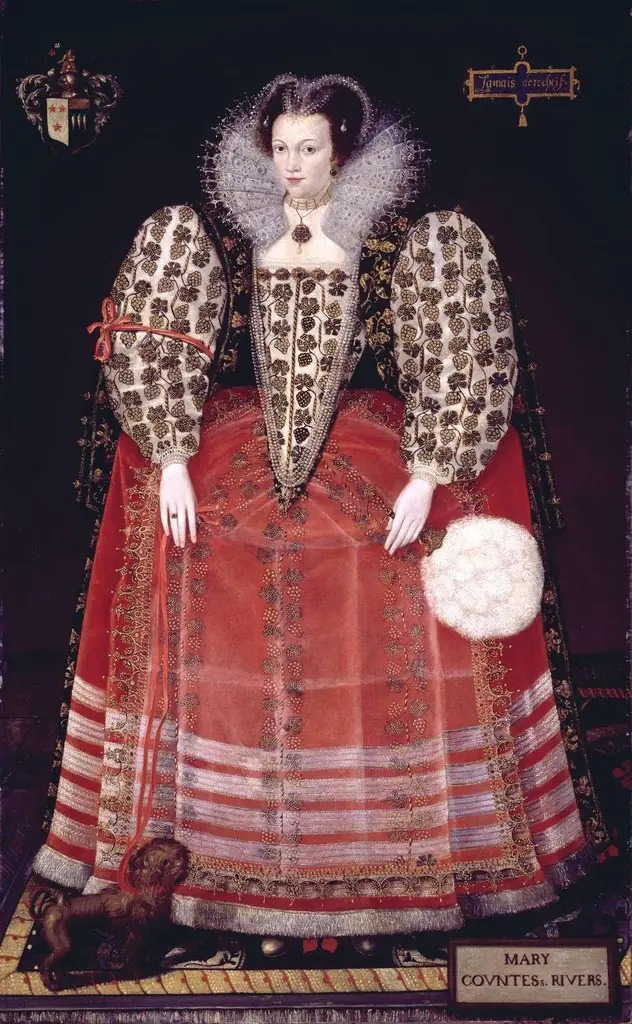 Portrait of Mary Kytson, Lady Darcy of Chiche, later Lady Rivers
 Portrait of a Woman
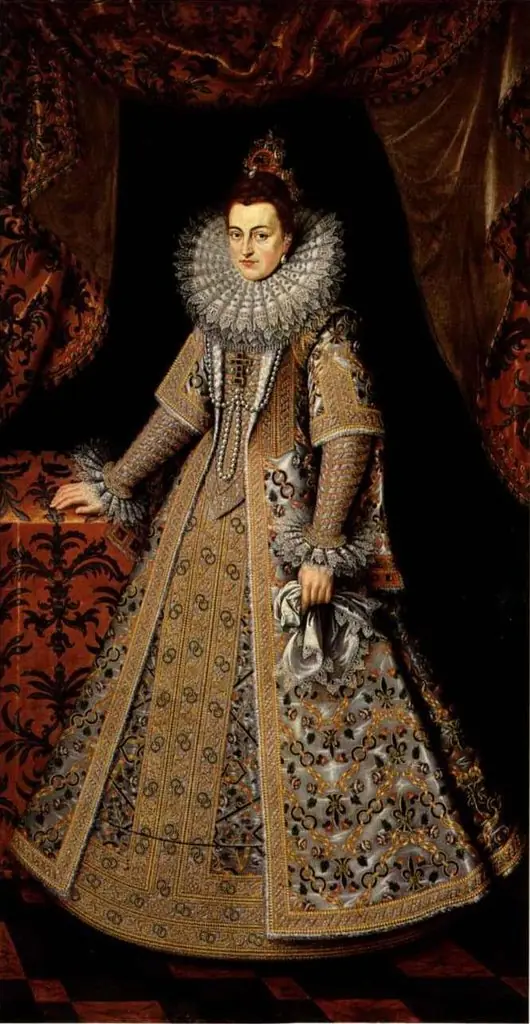 Porträt der Isabella Clara Eugenia (1566-1633)
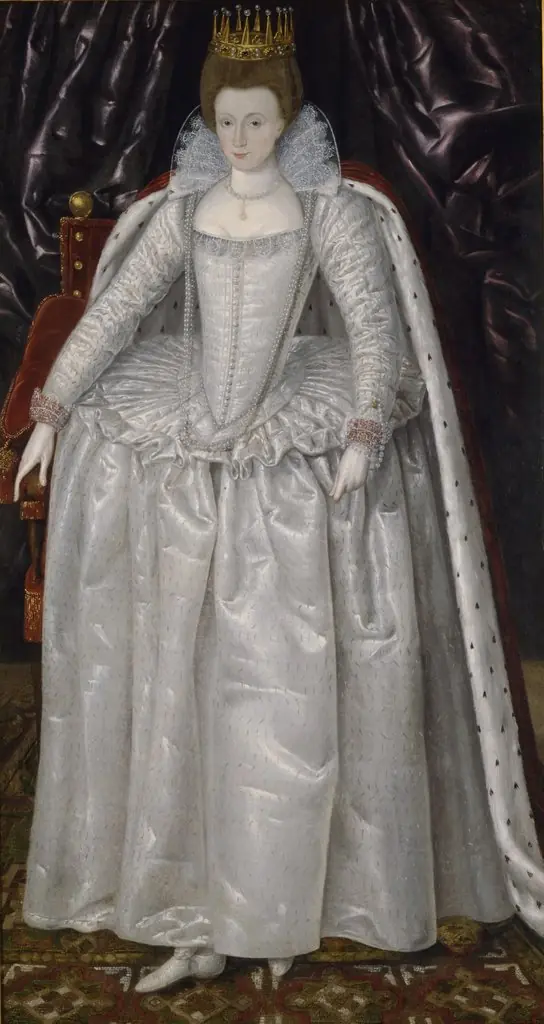 Elizabeth Vernon, Countess of Southampton
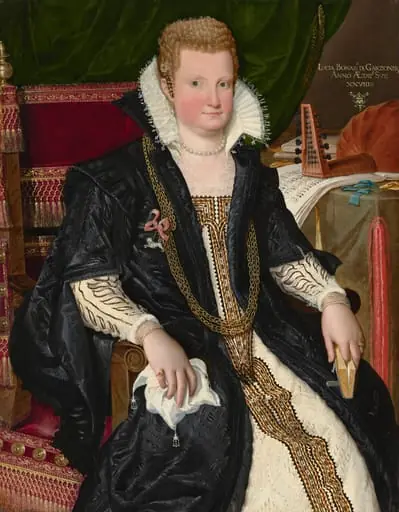 Lucia Bonasoni Garzoni
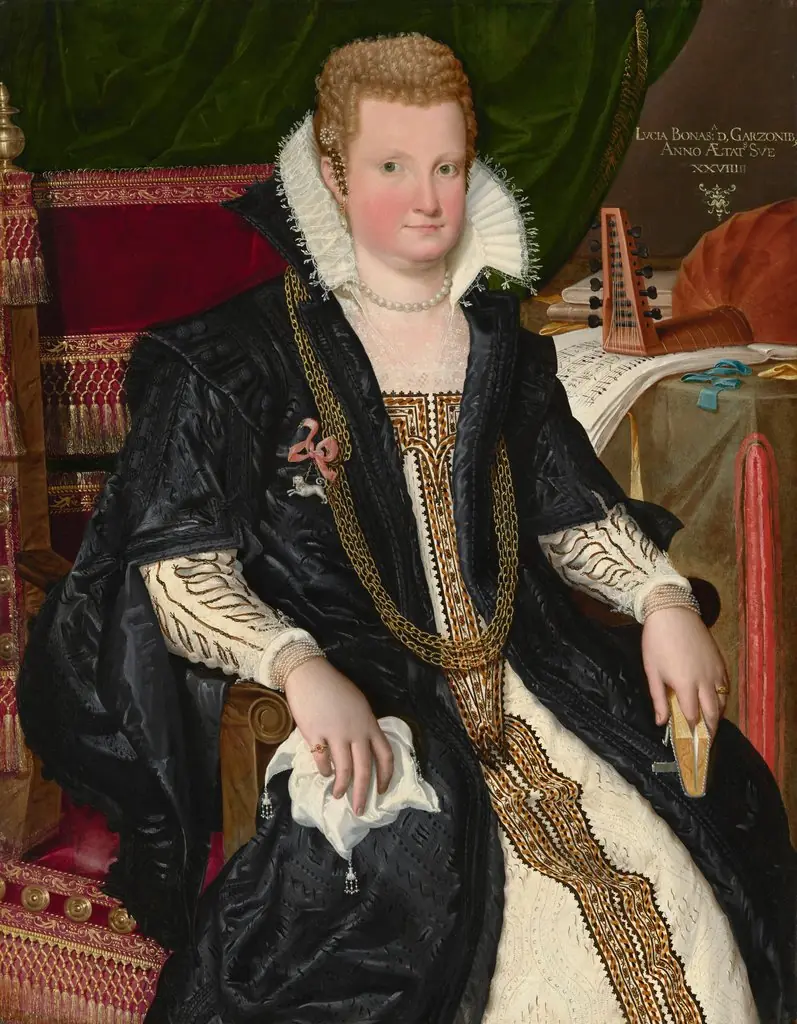 Lucia Bonasoni Garzoni
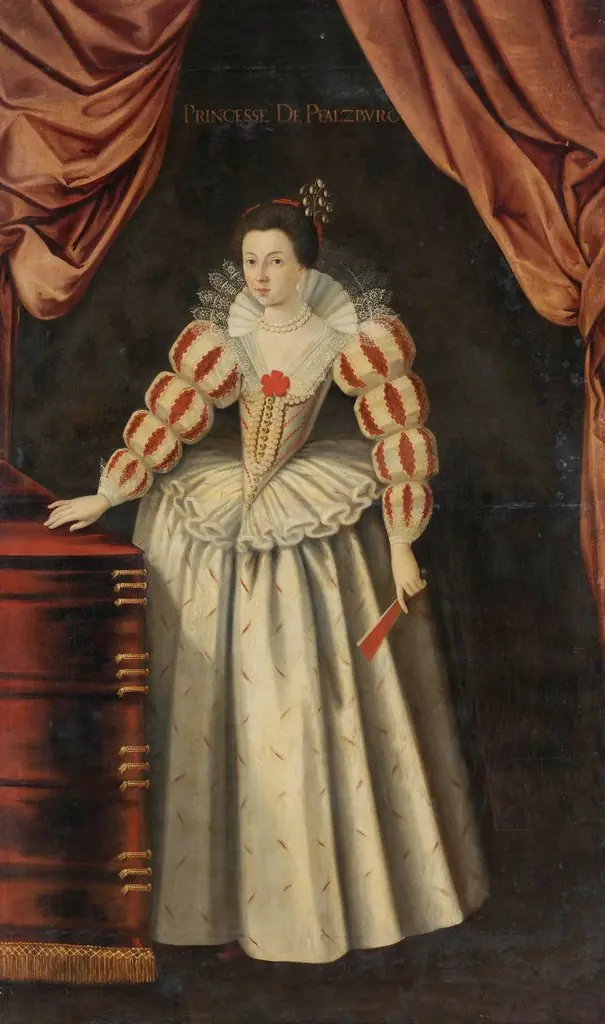 Henriette von Lothringen (1605-1660)
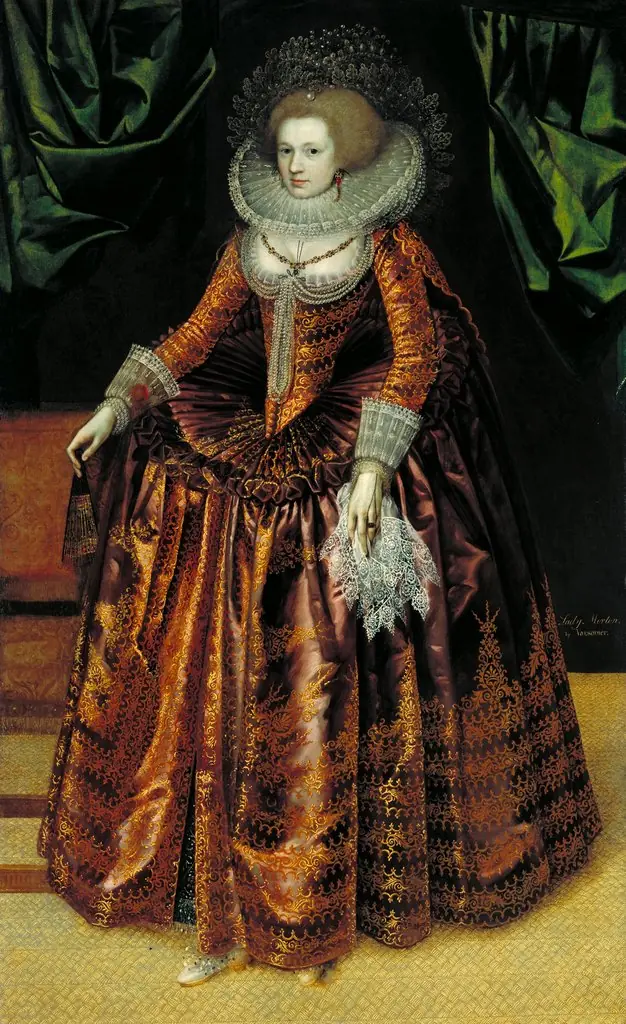 Anne Wortley, Later Lady Morton
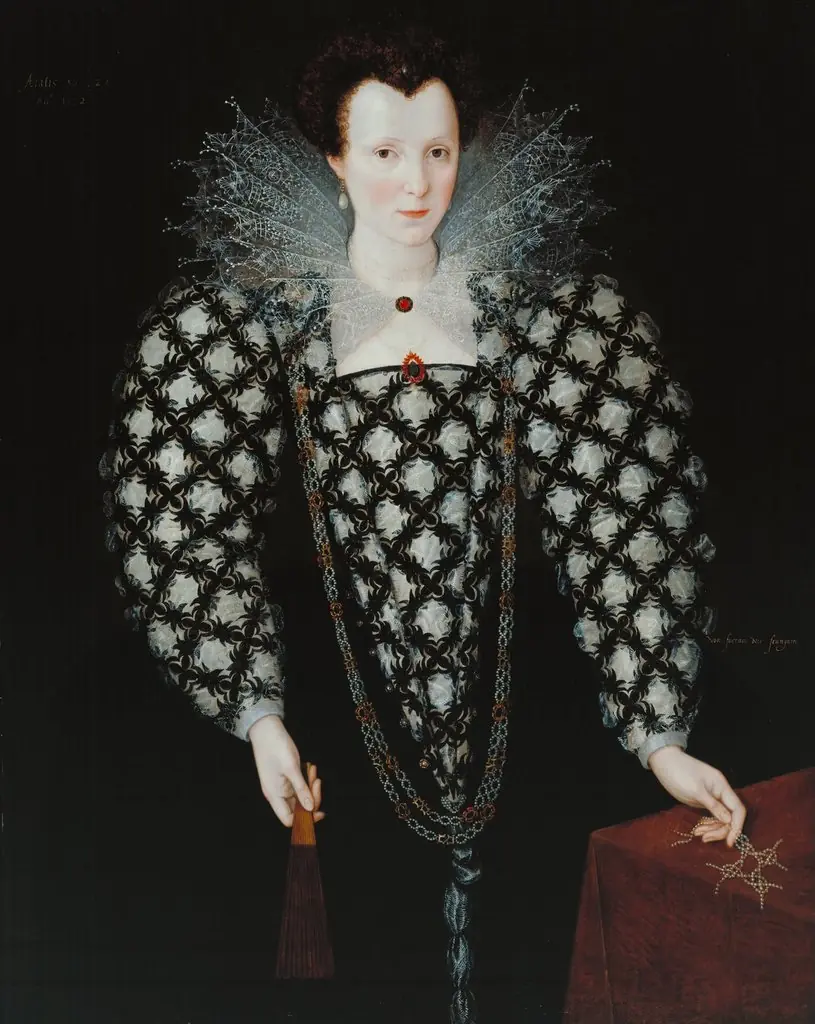 Mary Rogers, Lady Harington