Artwork
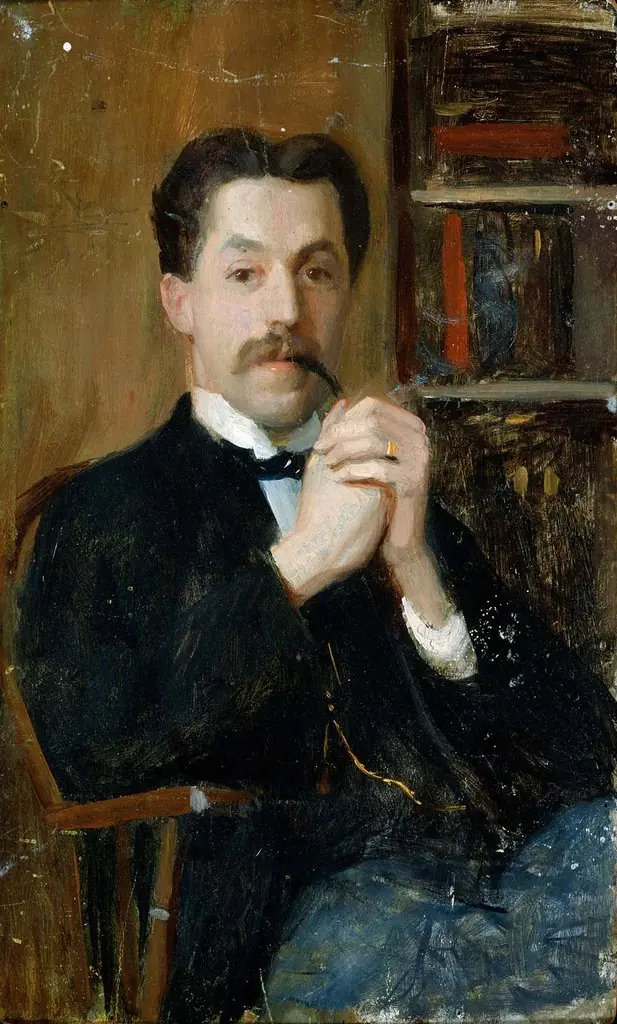
Portrait of the Artist's Mother (Rose Paxton)
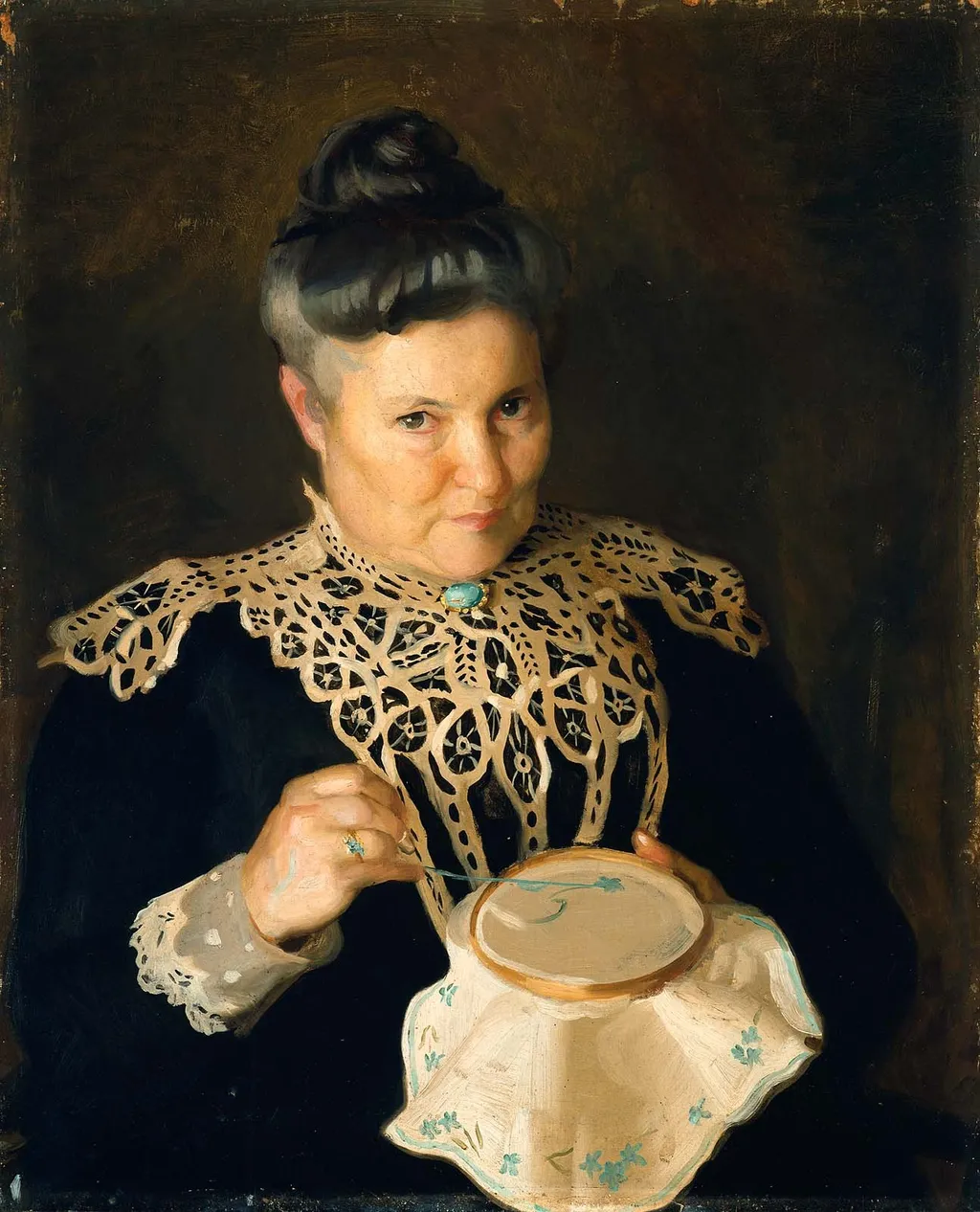
Portrait of the Artist's Mother (Rose Paxton) is an oil painting by the American Impressionist artist William McGregor Paxton. It dates from 1902 and is held in the collection of the Museum of Fine Arts Boston.
About this work
Overview
William McGregor Paxton completed the canvas work titled Portrait of the Artist's Mother (Rose Paxton) in 1902. The painting belongs to the American Impressionist tradition and presents a quiet, domestic scene centered on the artist’s mother.
Subject & Meaning
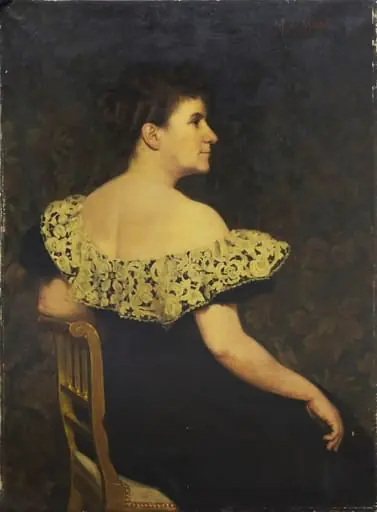
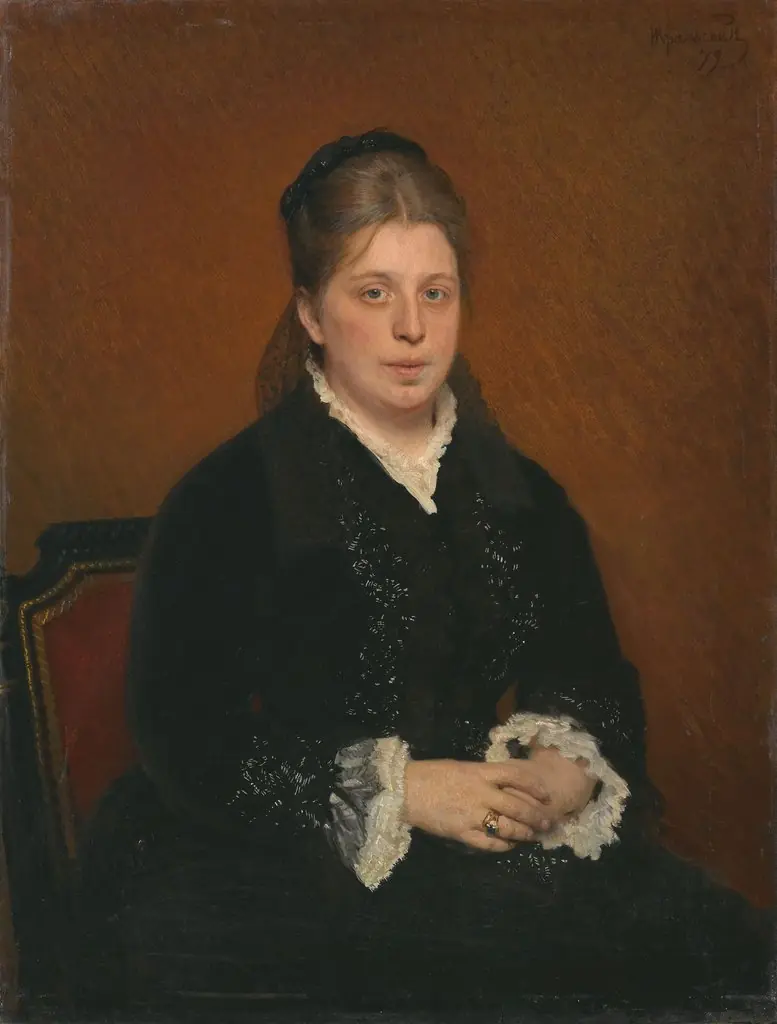
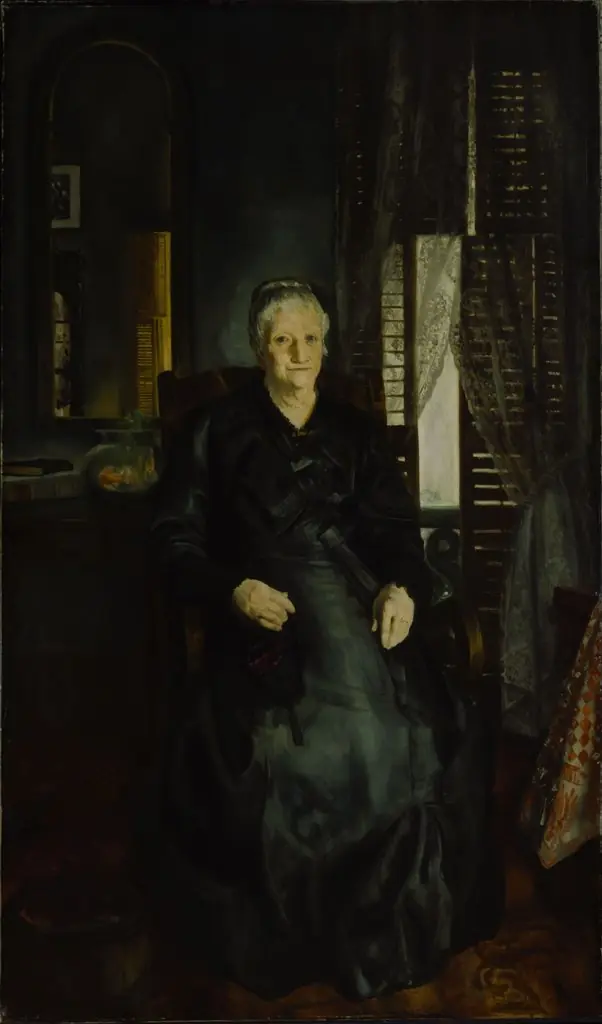
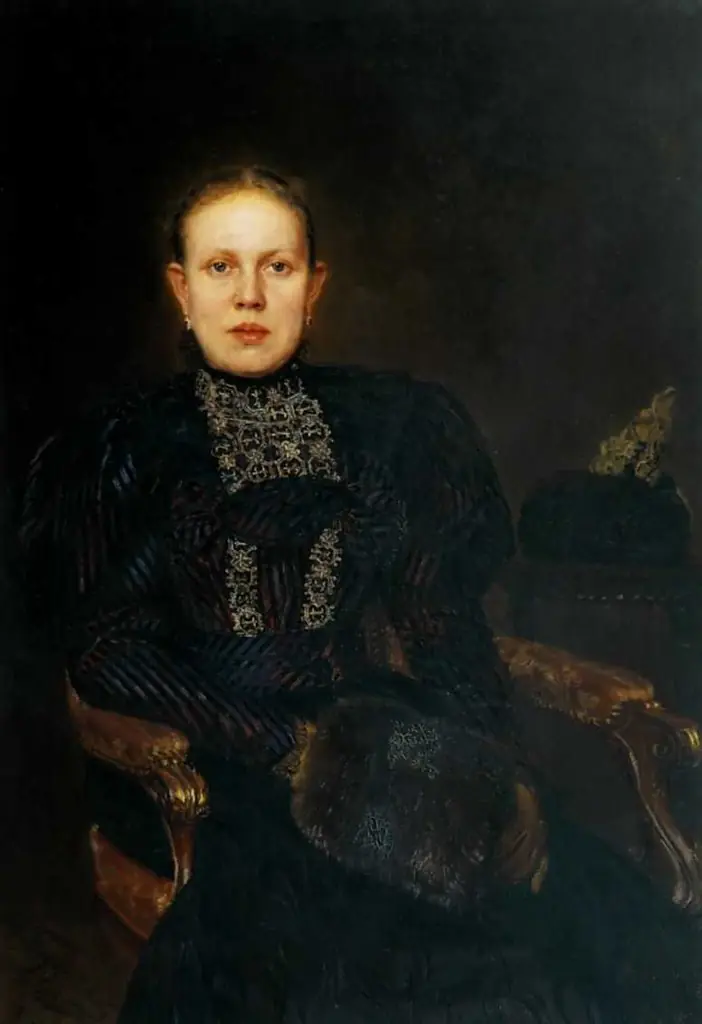
The composition shows a seated woman holding a white pot adorned with green-painted flowers. She wears a dark dress with a lace collar and a modest patterned shawl, her hair neatly gathered. Her expression is serene, and her hands rest gently on the pot, emphasizing a moment of everyday calm.
Technique & Style
Paxton employs soft brushwork characteristic of American Impressionism, rendering the pot’s green details with simple, unembellished strokes. The handling of fabric and lace suggests a delicate yet restrained approach, capturing texture without overt ornamentation.
History & Provenance
Paxton, a Boston School painter and co‑founder of the Guild of Boston Artists, created this portrait during his early career. He taught at the Cowles Art School and the Museum of Fine Arts School in Boston, contexts that shaped his refined yet intimate style.
Context
The work reflects the turn‑of‑the‑century American interest in portraying domestic interiors and familial subjects. By focusing on a modest, everyday setting, Paxton aligns with contemporaneous efforts to elevate ordinary moments to the level of fine art.
Own this work as a print
Artist & collection
Artist
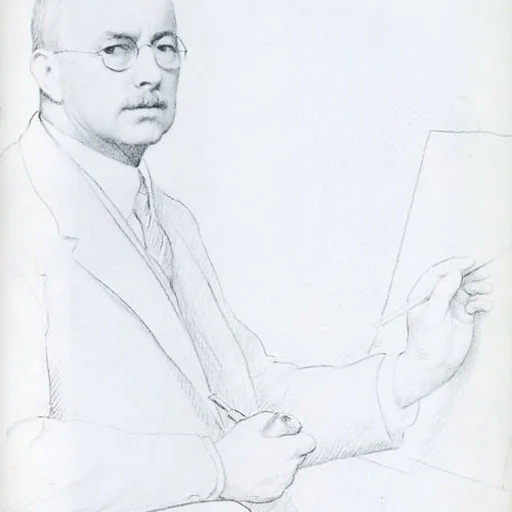
William McGregor Paxton (June 22, 1869 – 1941) was an American painter and instructor who embraced the Boston School paradigm and was a co-founder of The Guild of Boston Artists.