Artwork
The Old Road to the Sea
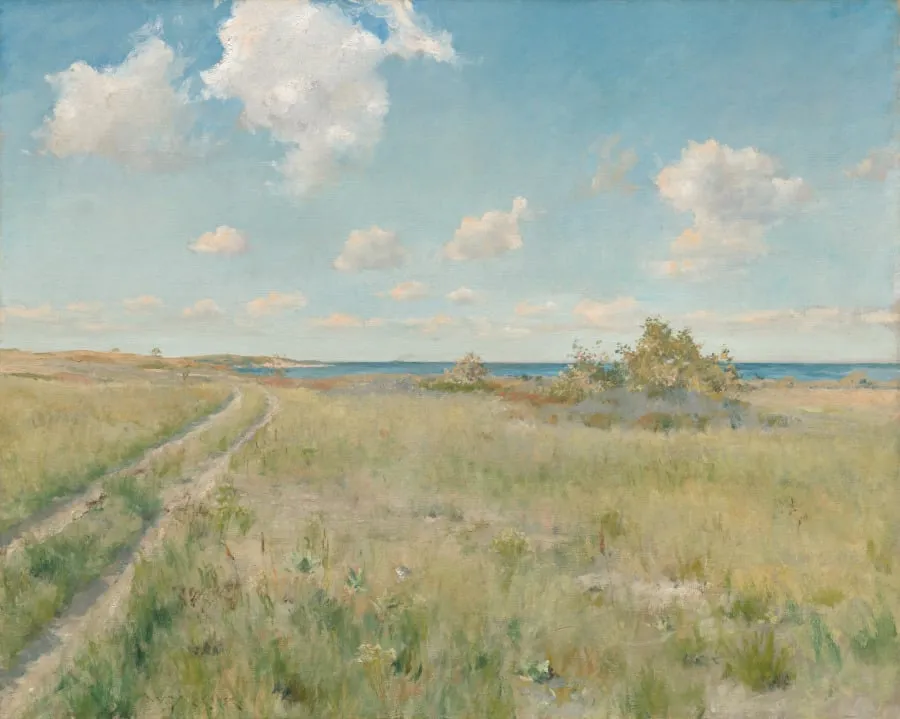
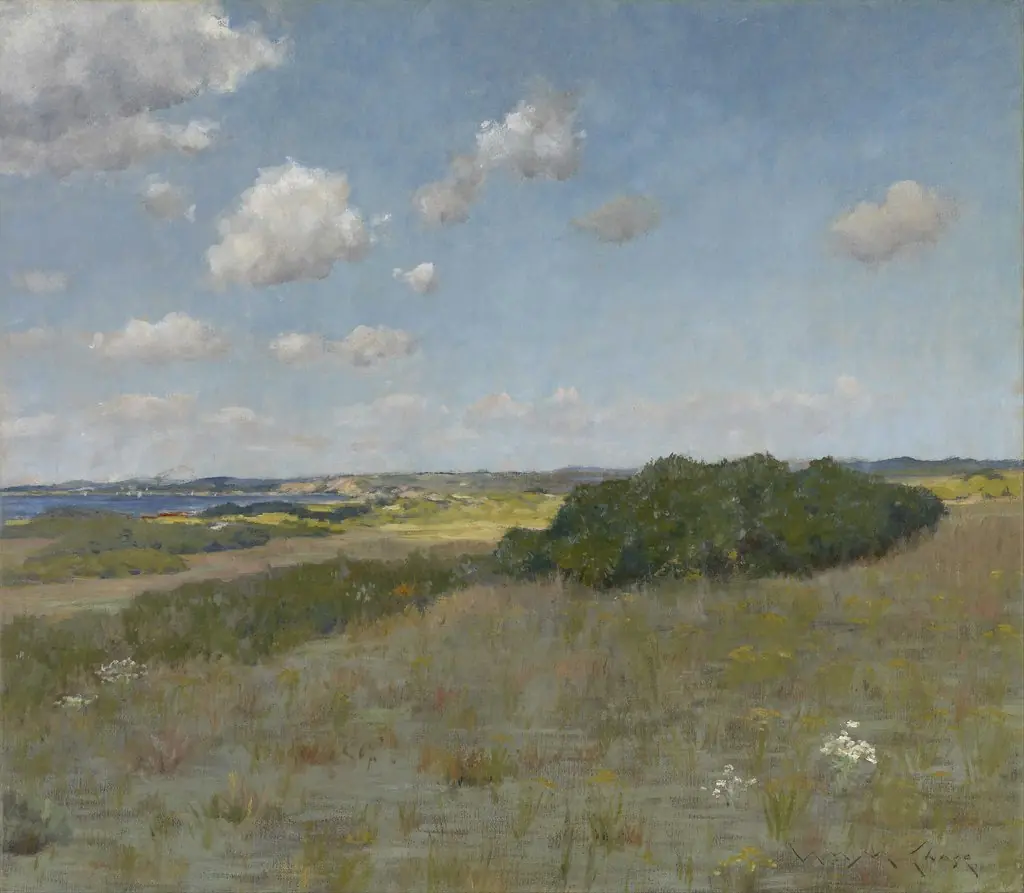
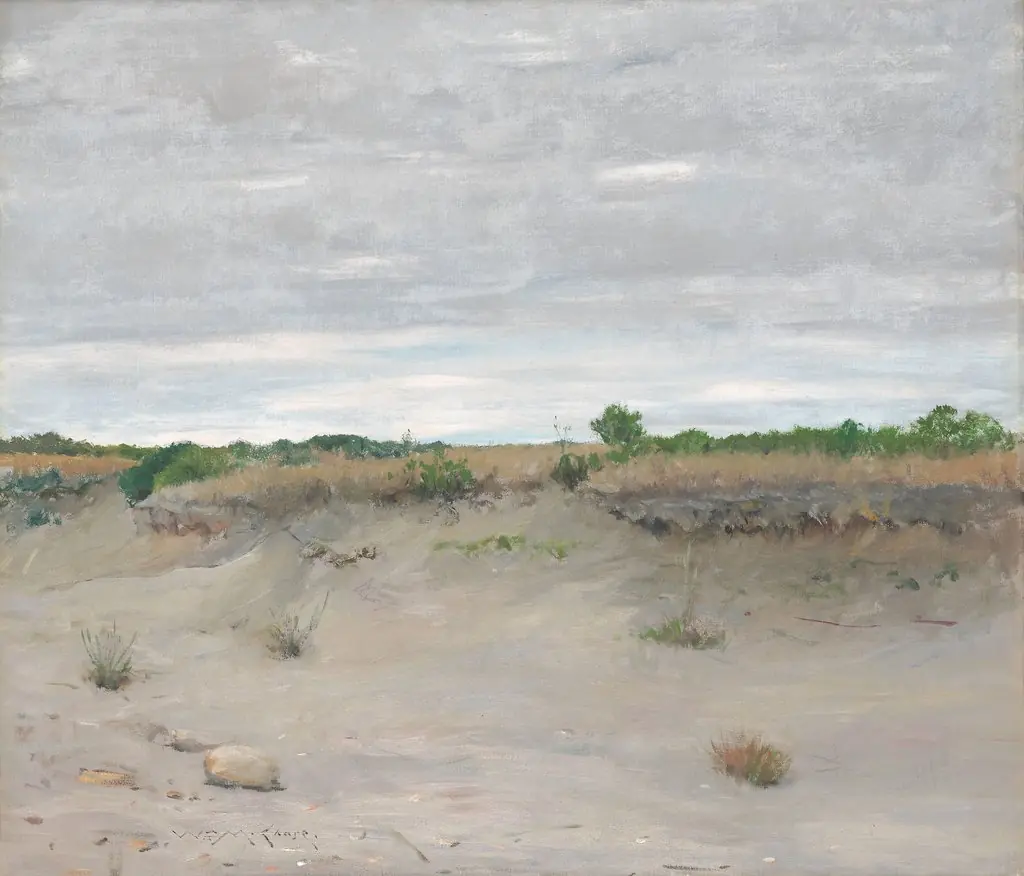
The Old Road to the Sea is an unspecified painting by the American Impressionist artist William Merritt Chase. It dates from 1893 and is held in the collection of the Cleveland Museum of Art.
About this work
Overview
Painted by William Merritt Chase around the early 1890s, The Old Road to the Sea captures a quiet coastal path on Long Island’s Shinnecock Peninsula.
Painted by William Merritt Chase around the early 1890s, The Old Road to the Sea captures a quiet coastal path on Long Island’s Shinnecock Peninsula. Created during his summer school’s active years, the work reflects his commitment to painting directly from nature. The scene, rendered in natural light, exemplifies the shift in American art toward plein air practices, moving away from studio-based composition toward direct observation of landscape.
Subject & Meaning
The painting depicts a winding, sunlit path through low, undulating dunes leading toward the distant ocean. There are no figures, and the absence of human activity emphasizes the quiet, unspoiled character of the landscape. The road suggests movement and transition, not as a journey of people, but as a passage through time and light—inviting contemplation of nature’s subtle rhythms rather than narrative drama.
Technique & Style
Chase employed loose, varied brushwork and thick impasto to convey the texture of sand and the shimmer of sunlight. Warm ochres, soft greens, and pale blues dominate the palette, evoking the heat and clarity of a summer afternoon. The paint is applied with immediacy, capturing fleeting atmospheric conditions. His technique balances spontaneity with structural control, grounding the impressionistic effects in a strong sense of composition.
History & Provenance
Created during Chase’s tenure at the Shinnecock Hills Summer School of Art (1891–1902), the painting emerged from a pioneering American effort to adopt European Impressionist methods. The school attracted students seeking to paint outdoors, breaking from academic traditions. While the painting’s early ownership is not fully documented, it remains tied to Chase’s pedagogical mission and the broader movement toward modern American landscape painting.
Context
In the late 19th century, American artists increasingly sought alternatives to studio painting, influenced by French Impressionism and the availability of portable equipment. Shinnecock became a hub for this shift, with Chase encouraging direct engagement with light and terrain. The Old Road to the Sea reflects this cultural moment—when American art began to value personal perception and environmental immediacy over idealized composition.
Legacy
The painting stands as a testament to Chase’s role in shaping American Impressionism through teaching and practice. His emphasis on plein air work at Shinnecock influenced a generation of artists who carried these methods across the country. Though not widely exhibited in his lifetime, the work now represents a pivotal moment in the transition of American landscape painting toward modernism and personal expression.
Artist & collection
Artist
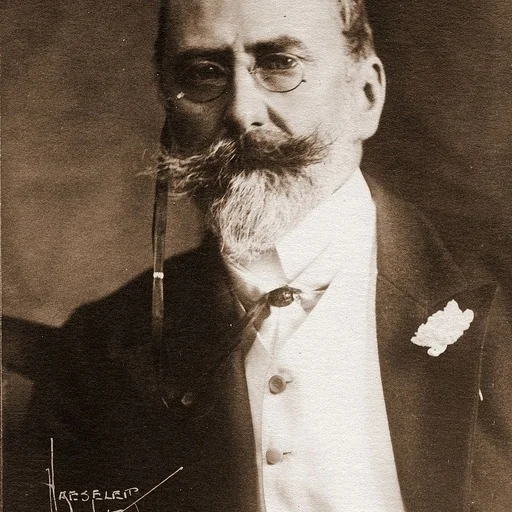
William Merritt Chase (November 1, 1849 – October 25, 1916) was an American painter, known as an exponent of Impressionism and as a teacher.