Artwork
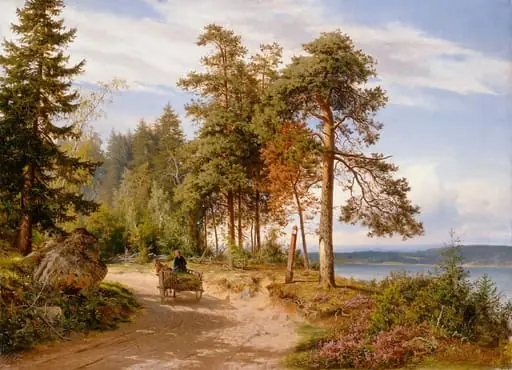
Maisema (hevosvaunut)
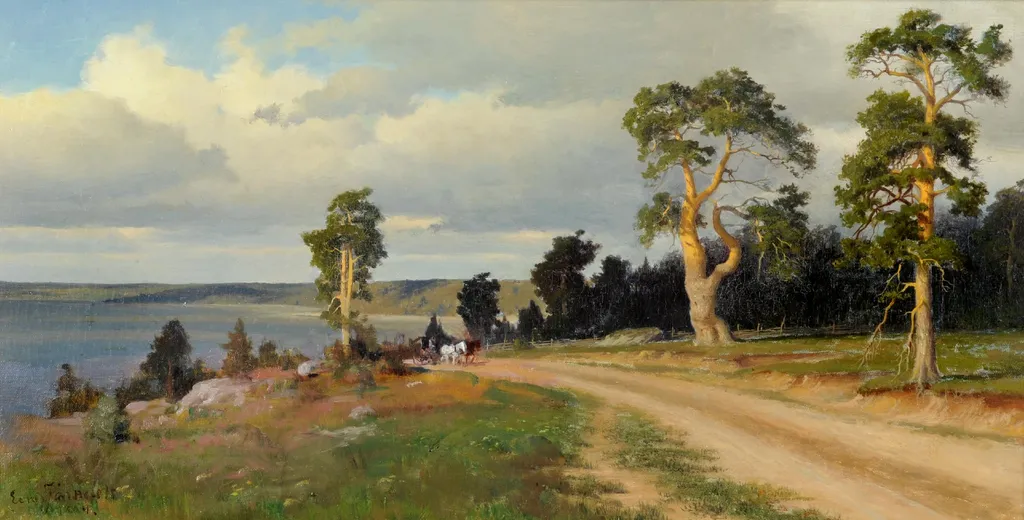
Maisema (hevosvaunut) is a photography by Eero Järnefelt. It dates from 1910 and is held in the collection of the Järvenpää Art Museum.
About this work
Overview
The composition emphasizes quiet movement and solitude, with natural elements arranged to suggest a moment suspended in time.
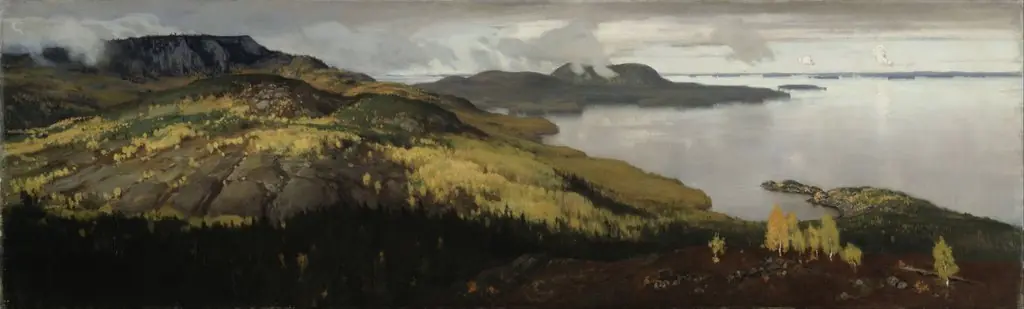
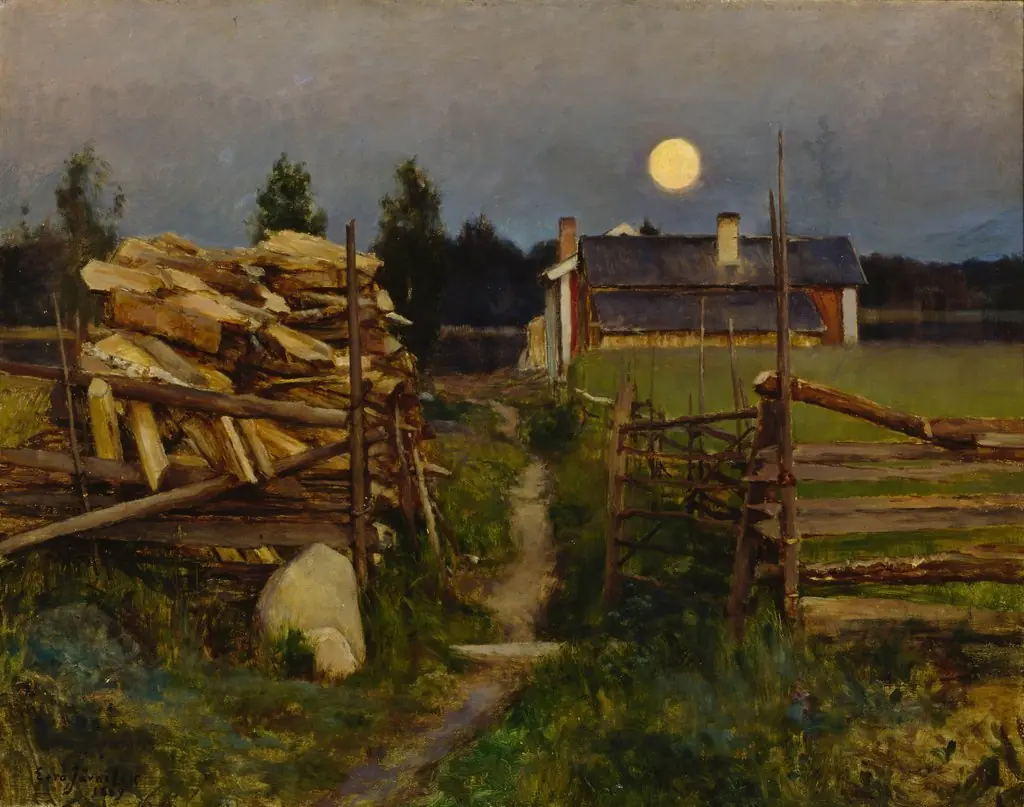
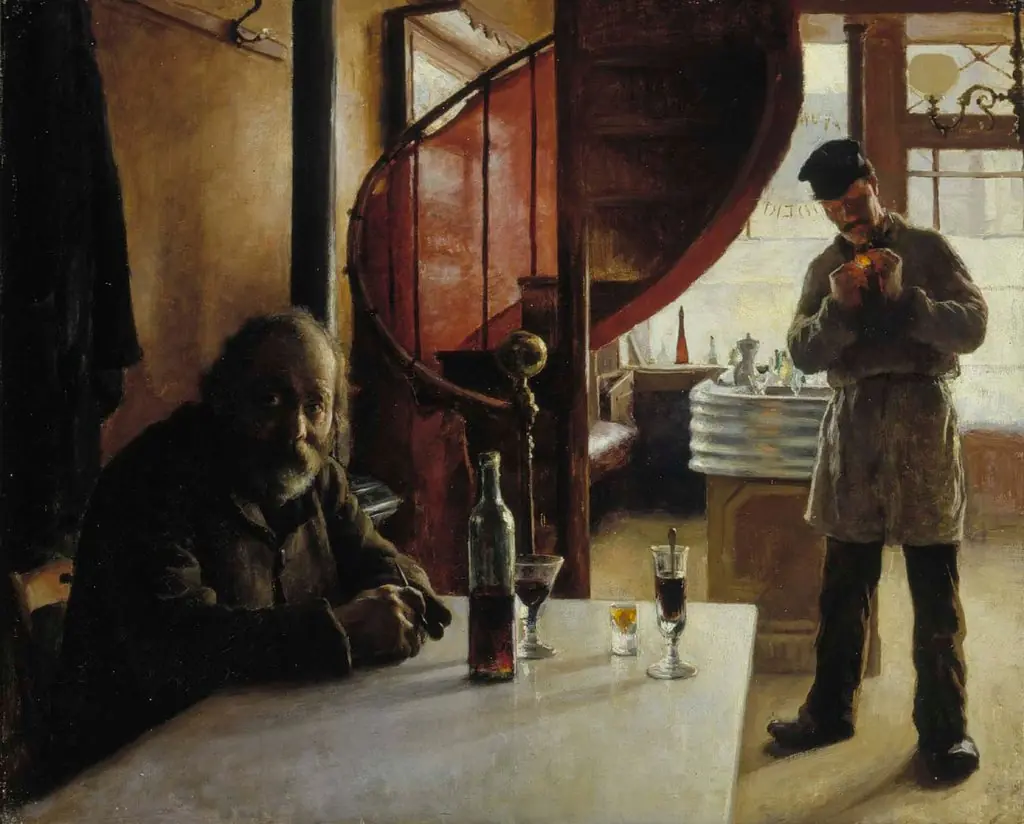
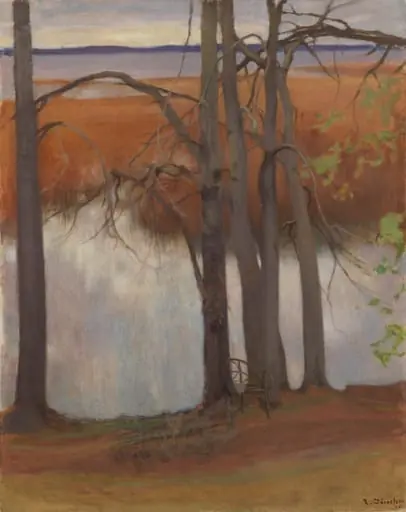
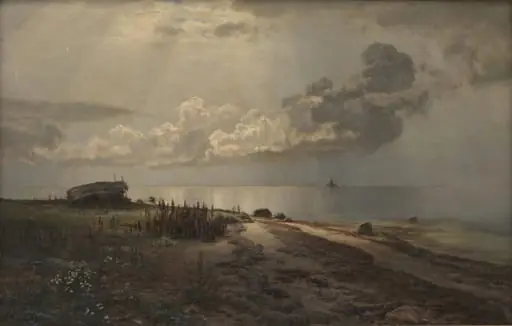
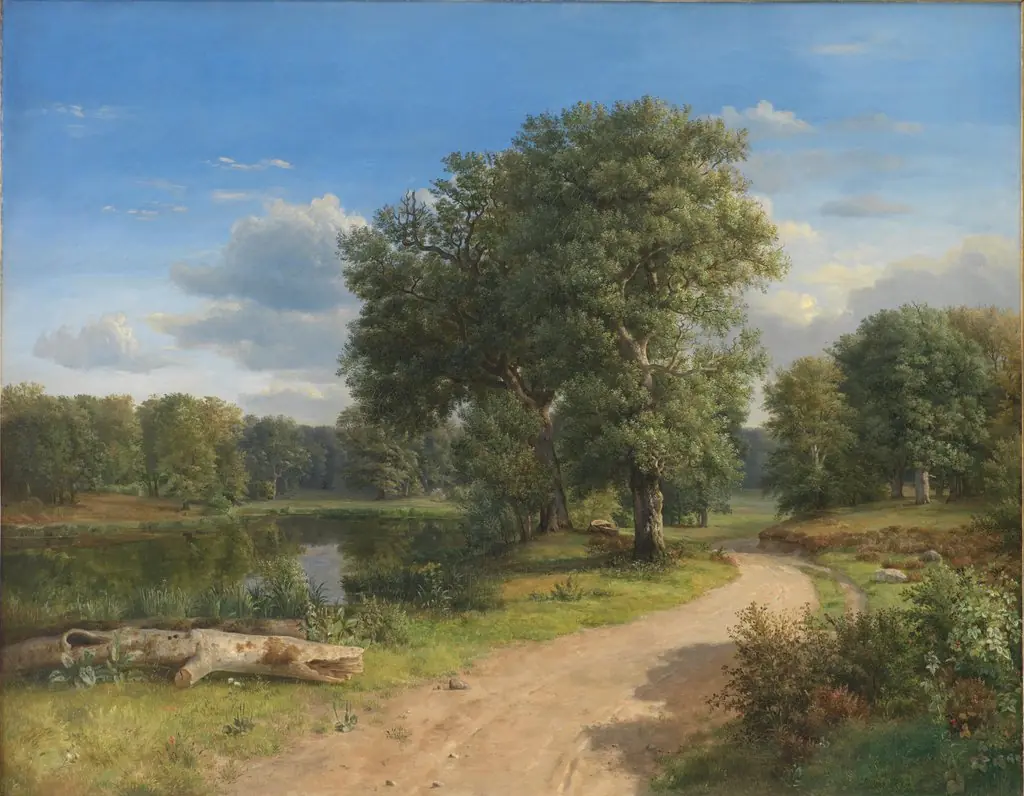
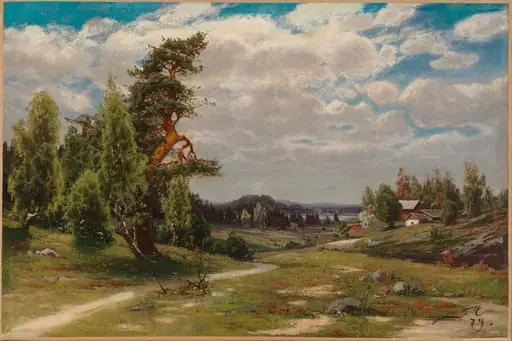
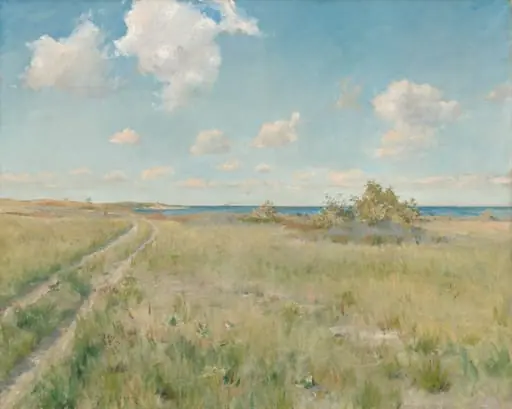
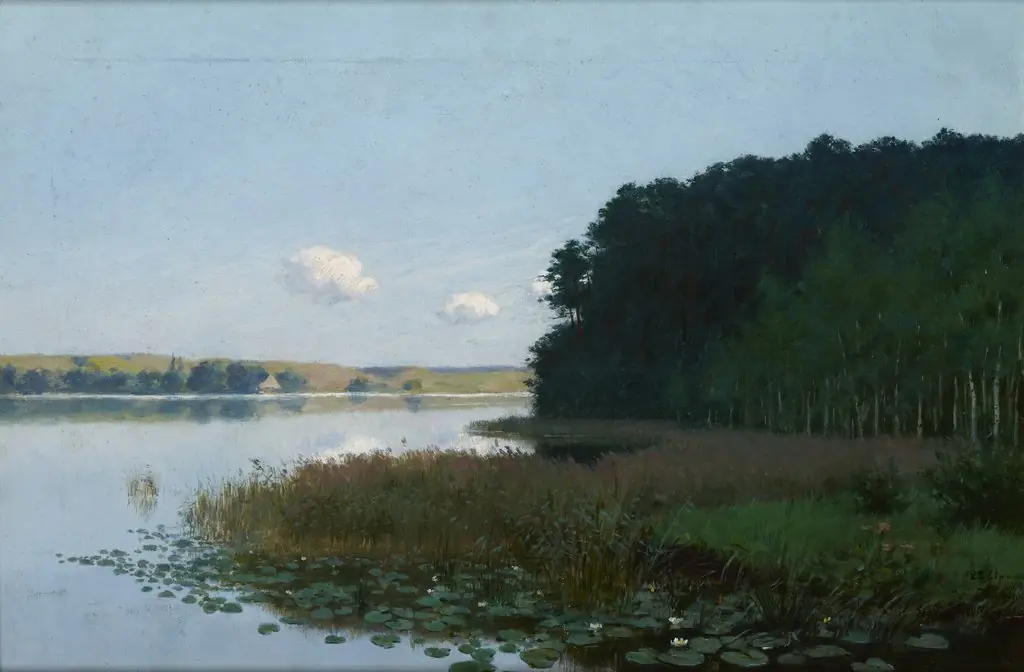
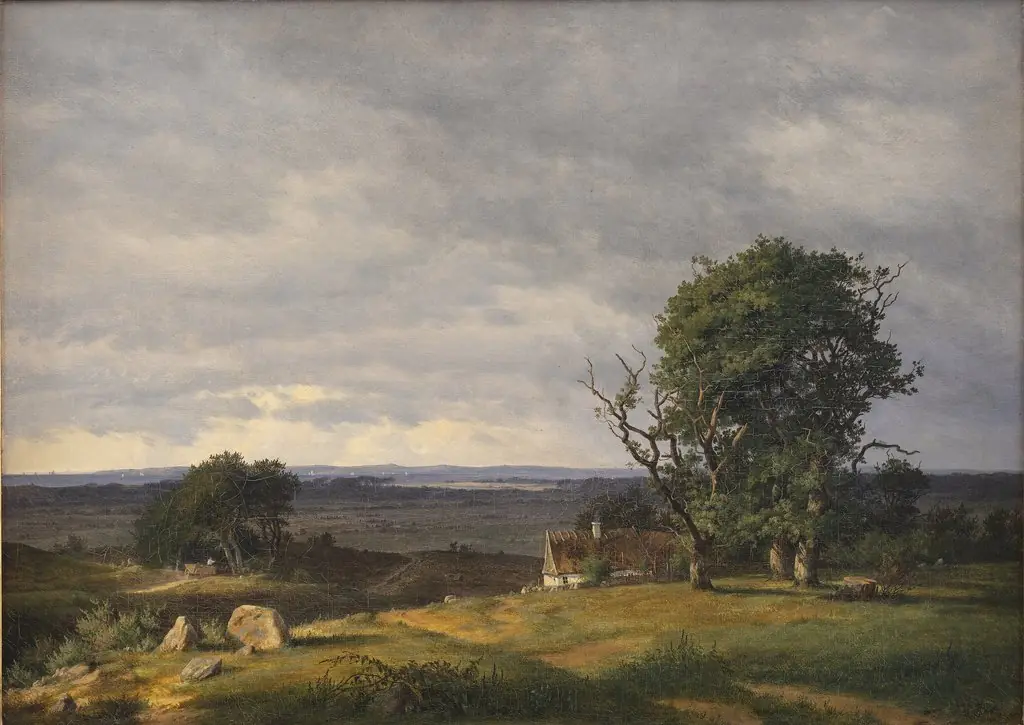
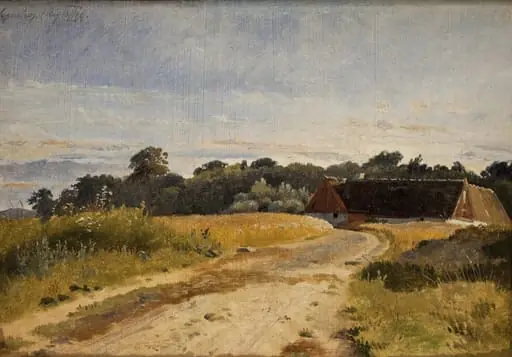
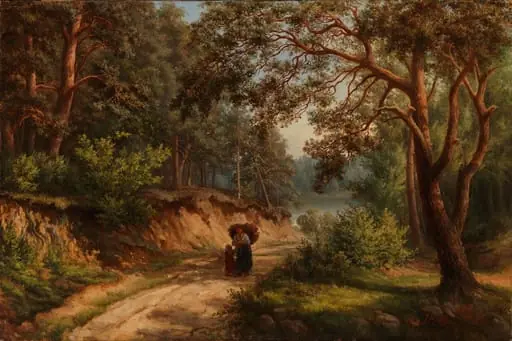
Painted around 1910 by Eero Järnefelt, Maisema (hevosvaunut) captures a tranquil Finnish countryside scene. A narrow dirt road winds through rolling hills beside a still lake, drawing the eye toward a distant horse-drawn wagon. The composition emphasizes quiet movement and solitude, with natural elements arranged to suggest a moment suspended in time. The palette favors earthy tones softened by atmospheric light.
Subject & Meaning
The painting depicts a humble rural journey: a wagon moving slowly along a lakeside path, its figures small against the vast landscape. This quiet scene reflects the rhythm of agricultural life in early 20th-century Finland. No dramatic events occur—instead, the work conveys dignity in routine, honoring the relationship between people, animals, and the land without sentimentality.
Technique & Style
Järnefelt employs thick, deliberate brushwork to build texture in the grass, trees, and water’s edge. The impasto technique enhances the tactile quality of the terrain, while layered washes of muted blue, green, and brown create subtle shifts in light. Shadows are softly rendered, suggesting late afternoon sun, and the lake’s reflection is handled with restrained precision, avoiding sharp detail.
History & Provenance
Created during Järnefelt’s mature period, the painting emerged from his sustained focus on Finnish landscapes following his earlier social realist works. Though specific ownership records from the time are limited, it aligns with his documented travels through rural regions, where he sketched and painted en plein air. The work entered public collections in the mid-20th century.
Context
In early 1900s Finland, landscape painting became a means of asserting national identity amid Russian imperial rule. Järnefelt’s quiet scenes contrasted with more dramatic Romantic depictions, instead offering intimate, unidealized views of the land. This work reflects a broader cultural turn toward authenticity, where nature was seen not as backdrop but as a quiet witness to everyday life.
Legacy
Maisema (hevosvaunut) exemplifies Järnefelt’s contribution to Finnish naturalism. While less celebrated than his portraits or political works, this painting influenced later generations of Finnish artists who sought to depict rural life with emotional restraint and technical sincerity. Its understated presence endures as a quiet testament to the dignity of ordinary landscapes.
Artist & collection

Artist
Erik "Eero" Nikolai Järnefelt was a Finnish painter and art professor. He is best known for his portraits and landscapes of the area around Koli National Park, in the North Karelia region of Finland. He was a medal…