Artwork
Pablo de Sarasate: Portrait of a Violinist
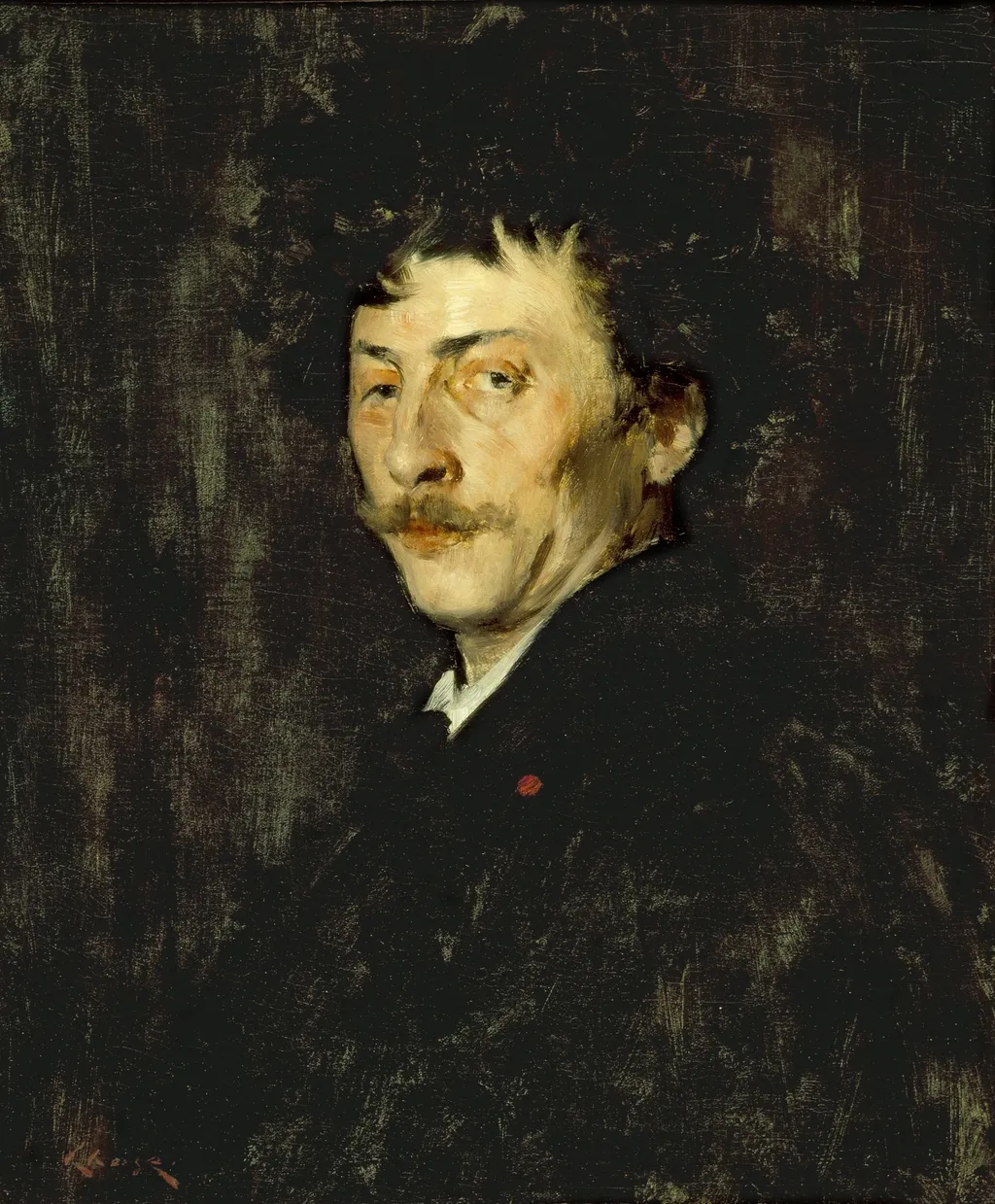
Pablo de Sarasate: Portrait of a Violinist is an unspecified painting by William Merritt Chase. It dates from 1875 and is held in the collection of the Los Angeles County Museum of Art.
About this work
The subject's attire and hairstyle suggest a formal setting, possibly from the late 19th century.
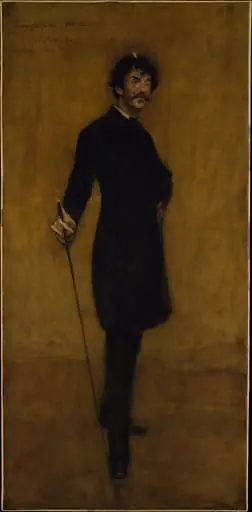
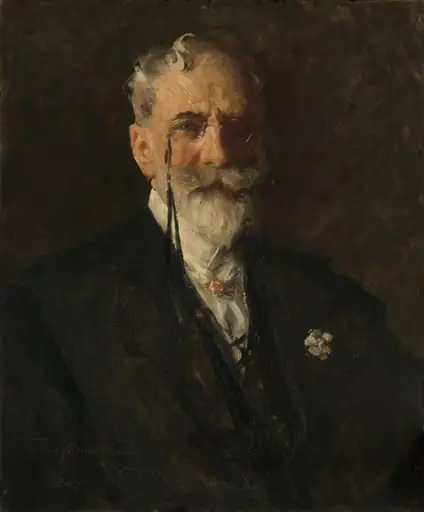
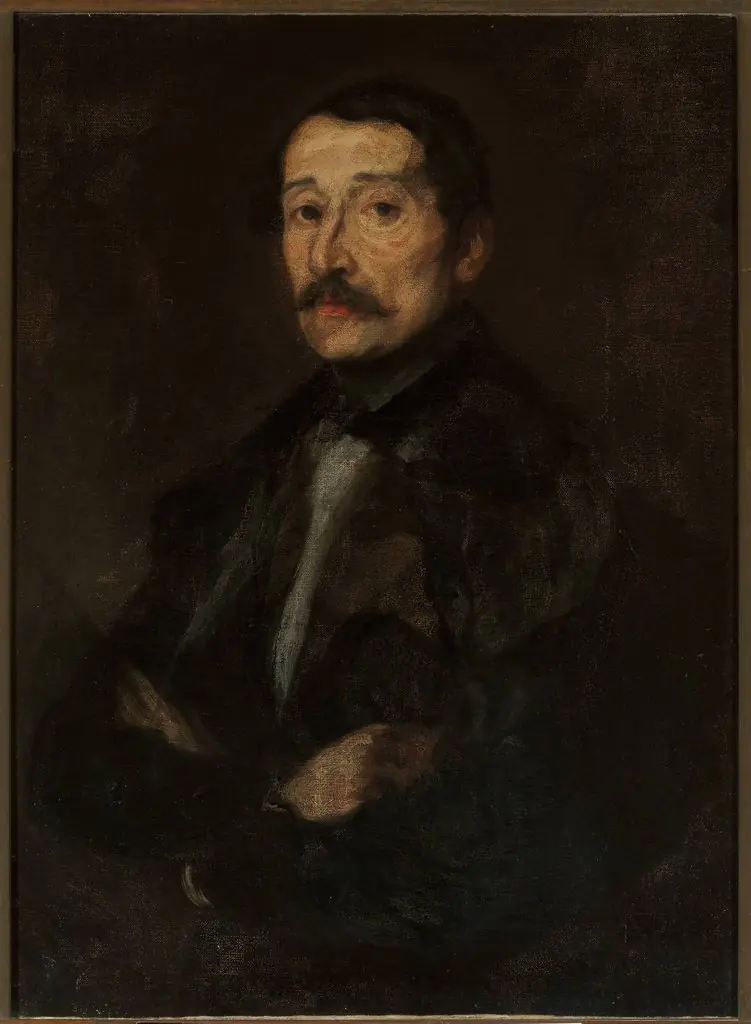
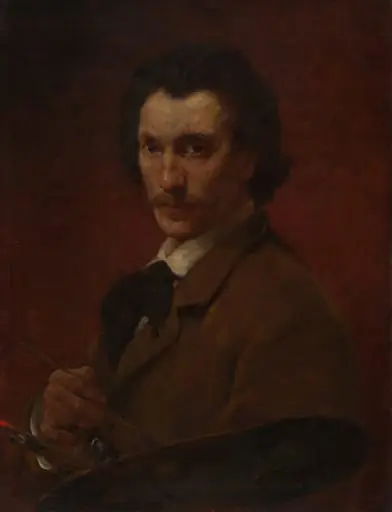
This portrait depicts a man with a mustache, wearing a dark jacket and white shirt. His face is turned slightly to the left, and his gaze is directed towards the viewer. The background of the painting is dark, with visible brushstrokes.
The subject's attire and hairstyle suggest a formal setting, possibly from the late 19th century. The artist's use of chiaroscuro creates a sense of depth and dimensionality in the portrait.
To learn more about the artist behind this work, explore the style of William Merritt Chase.
Overview
Painted in 1875 by American artist William Merritt Chase, this portrait captures the Spanish violinist Pablo de Sarasate in a moment of quiet presence. Chase, known for his refined technique and engagement with European artistic trends, rendered Sarasate with a blend of realism and atmospheric depth. The painting is part of the Los Angeles County Museum of Art’s collection, reflecting Chase’s international reputation and his interest in portraying cultural figures of his time.
Subject & Meaning
Pablo de Sarasate, a celebrated violinist of the 19th century, is depicted with composed dignity, his gaze meeting the viewer directly. His formal attire—dark jacket, white shirt, and neatly styled hair—signals his status as a public performer. The portrait conveys not just likeness but an aura of artistic authority, aligning the musician’s identity with the gravitas of his craft. Chase avoids theatricality, favoring a restrained, introspective tone.
Technique & Style
Chase employed loose, visible brushwork and strong contrasts of light and shadow to model the violinist’s form against a deep, undefined background. The chiaroscuro enhances the three-dimensionality of the face and hands, while the dark surroundings focus attention on the subject’s expression and posture. Though influenced by Impressionist handling of light, the portrait retains a classical structure, balancing spontaneity with deliberate composition.
History & Provenance
Commissioned during Chase’s European travels, the portrait was created shortly after he encountered Sarasate in concert. It remained in private hands for decades before entering LACMA’s collection. Its preservation reflects its significance as both a likeness of a renowned musician and an example of Chase’s early mature style, bridging American and European artistic traditions of the late 19th century.
Context
In the 1870s, American artists increasingly sought recognition by engaging with European cultural icons. Sarasate, famed for his virtuosity and compositions, represented the ideal of the Romantic performer. Chase’s portrait aligns with a broader trend among U.S. painters to elevate musicians and intellectuals as subjects worthy of serious artistic attention, reflecting a growing appreciation for the arts in American society.
Legacy
The portrait endures as a quiet testament to Chase’s skill in capturing character through subtle tonal shifts and confident brushwork. It remains a key example of his ability to merge American realism with European sensibilities. While not widely exhibited, it continues to inform scholarly understanding of how 19th-century American artists engaged with international cultural figures beyond the confines of portraiture as mere likeness.
Own this work as a print
Artist & collection
Artist
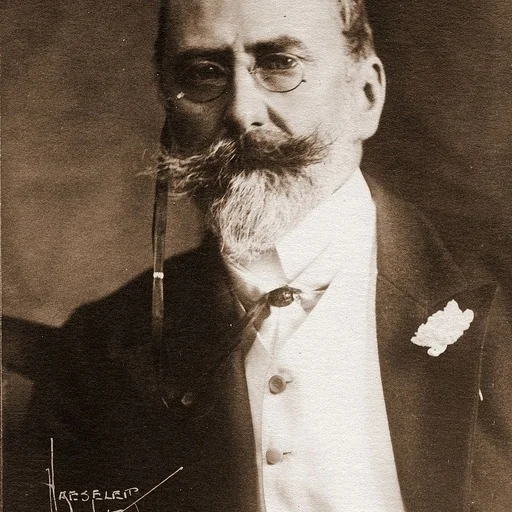
William Merritt Chase (November 1, 1849 – October 25, 1916) was an American painter, known as an exponent of Impressionism and as a teacher.

 Portrait of Eustachy Wąsowicz
 Portrait of the Pianist Prof. Antoni Dieth
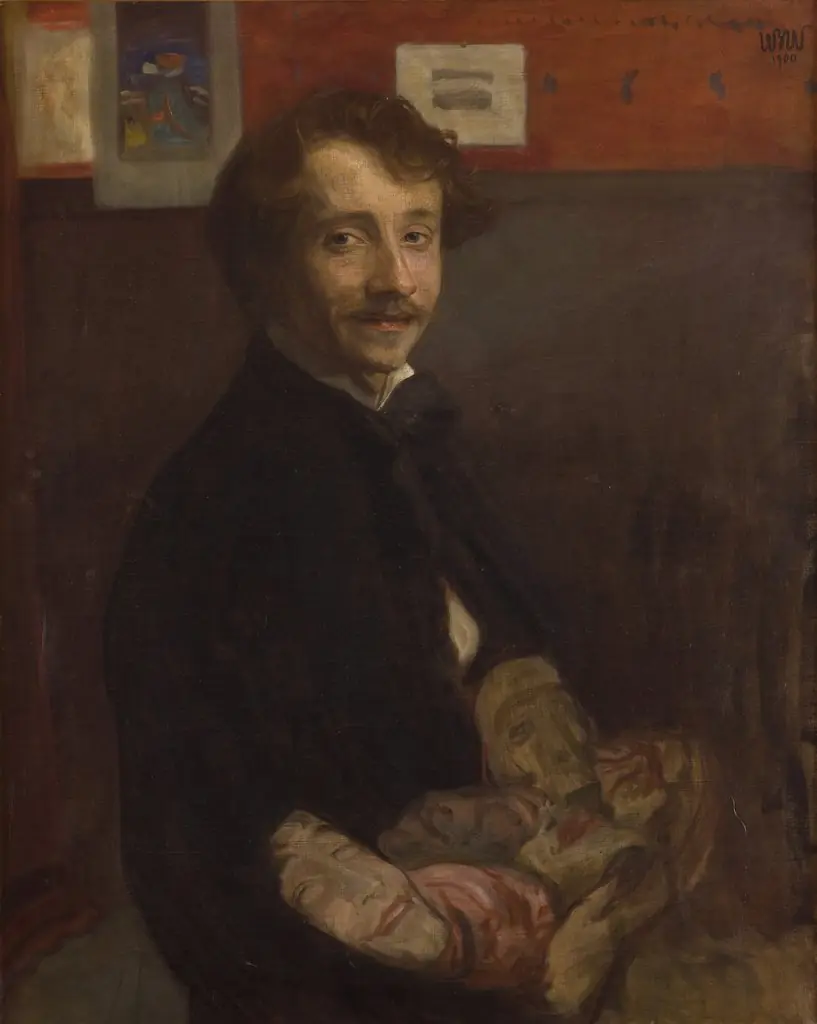 Self-Portrait with Masks
 Gold and Brown: Self-Portrait
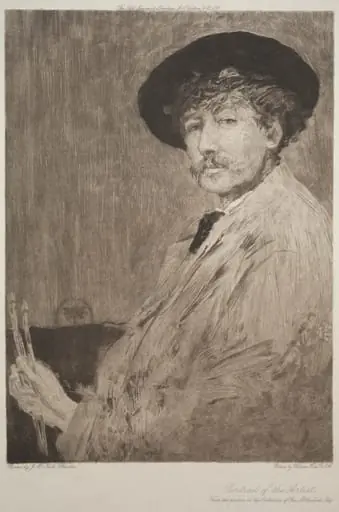 James McNeill Whistler
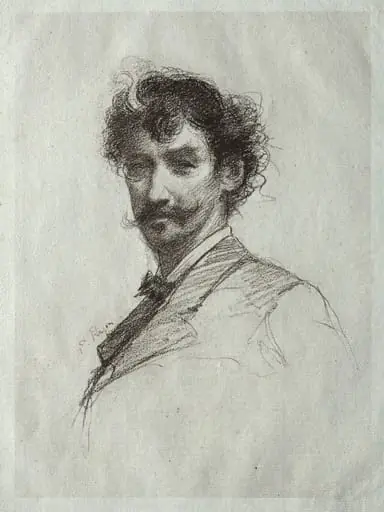 James McNeill Whistler with White Lock and Monocle
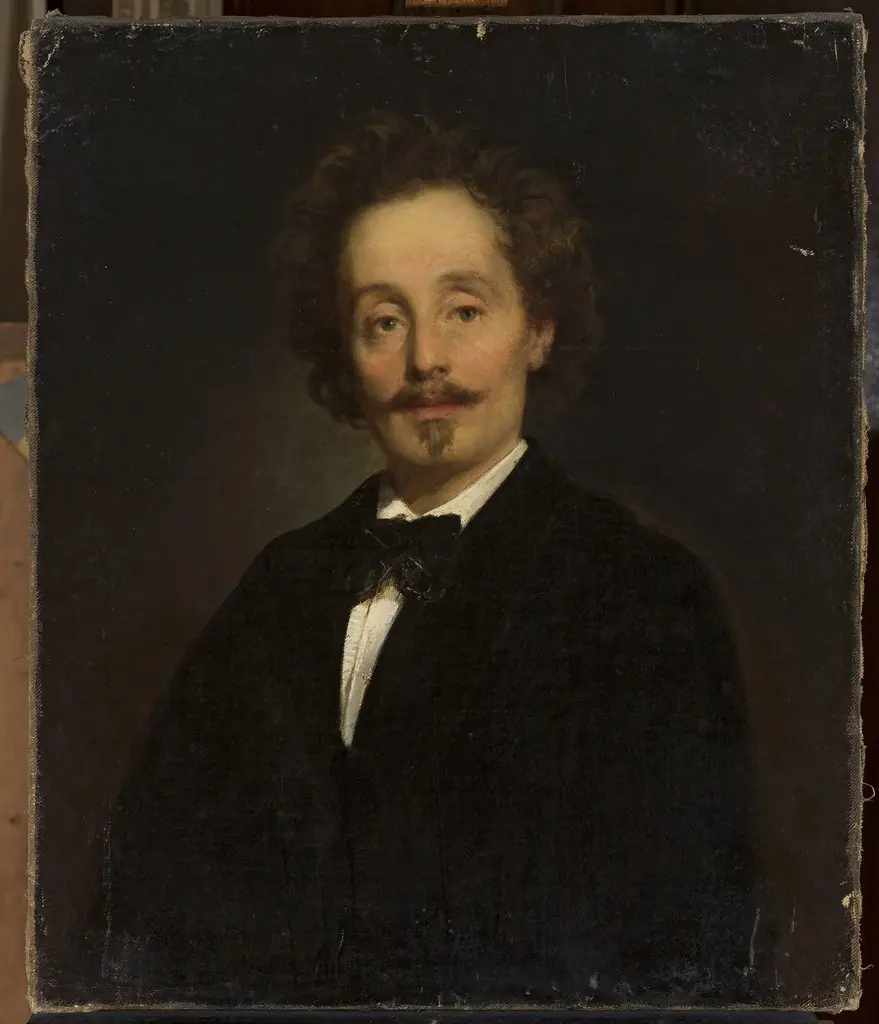 Portrait of Wiktor Brodzki, sculptor
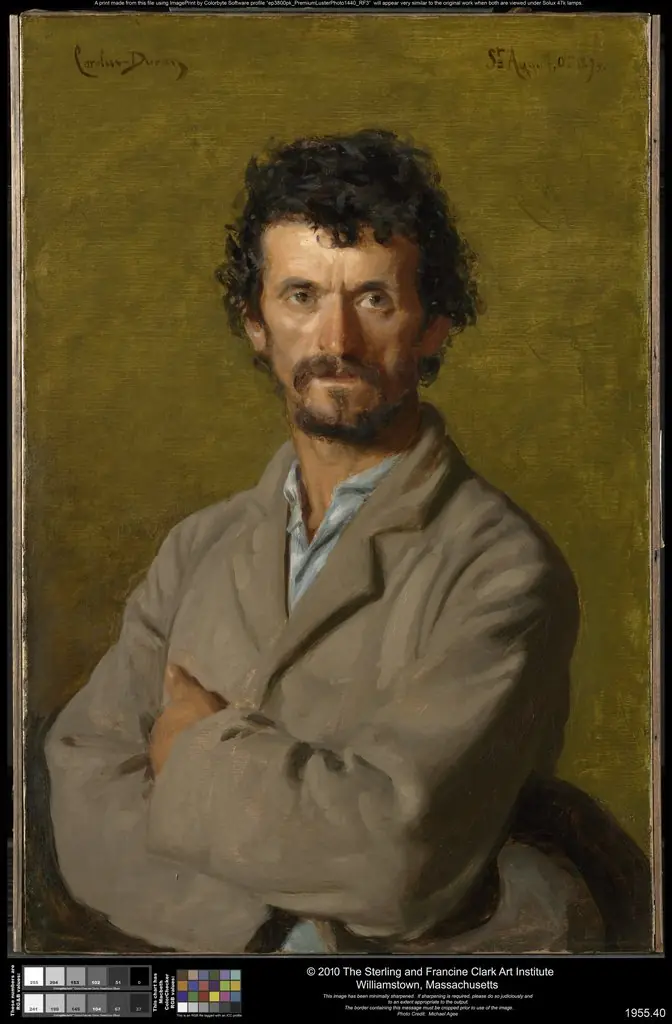 The Artist's Gardener
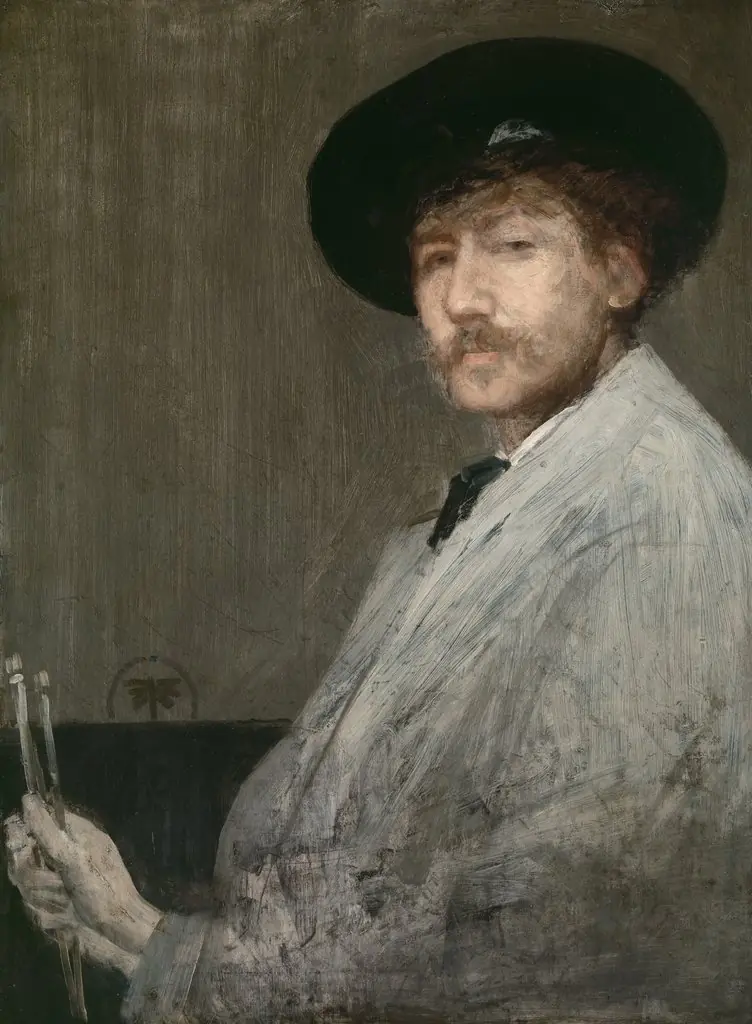 Arrangement in Gray: Portrait of the Painter
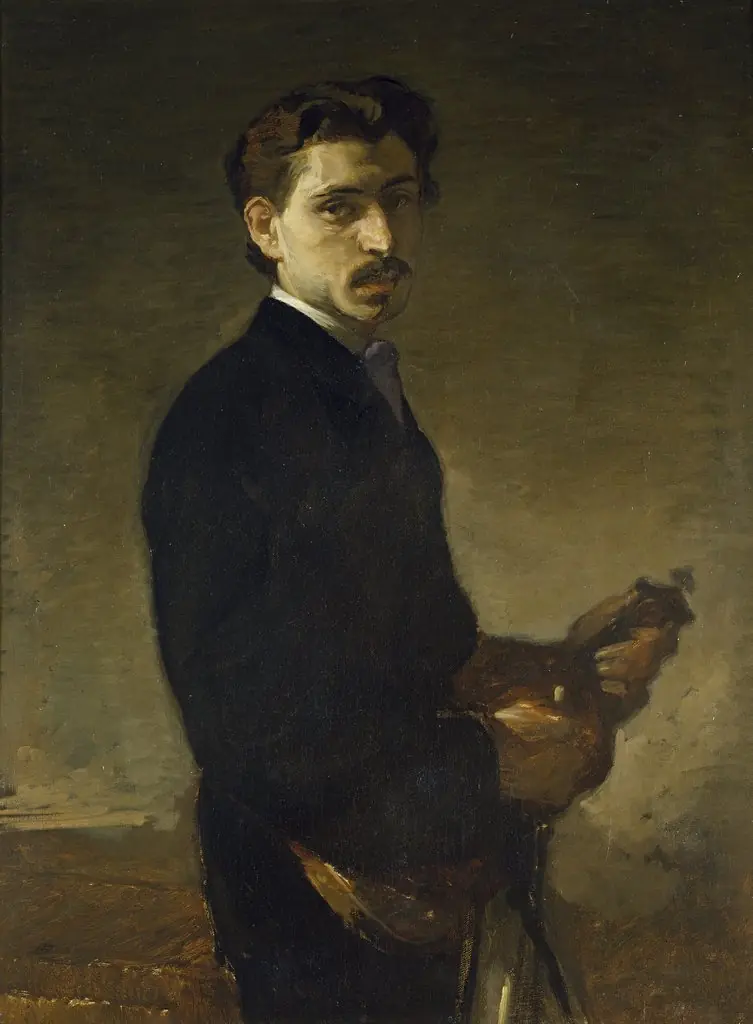 Ettore Pinelli, the Violinist
 Self-Portrait
 Self-Portrait