Artwork
Elizabeth Drummond, Mrs James Stuart
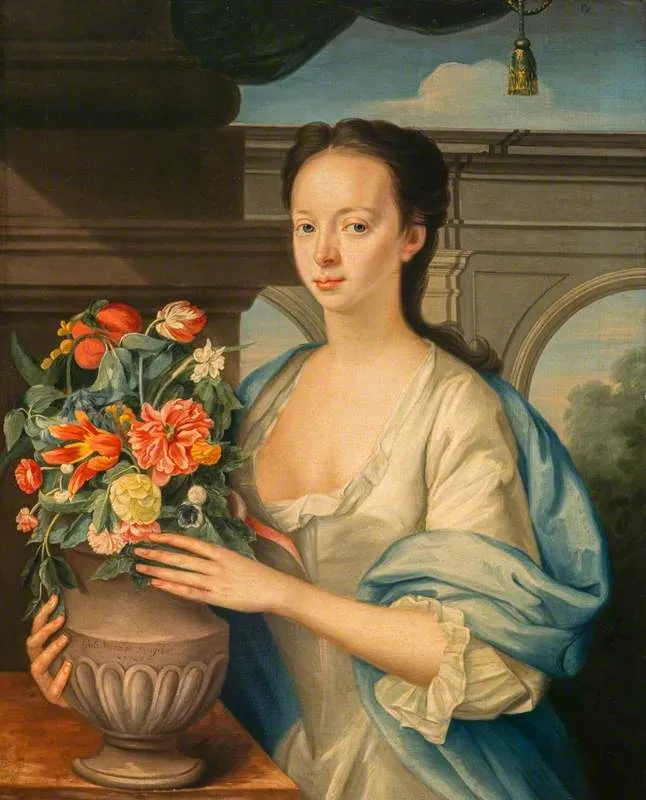
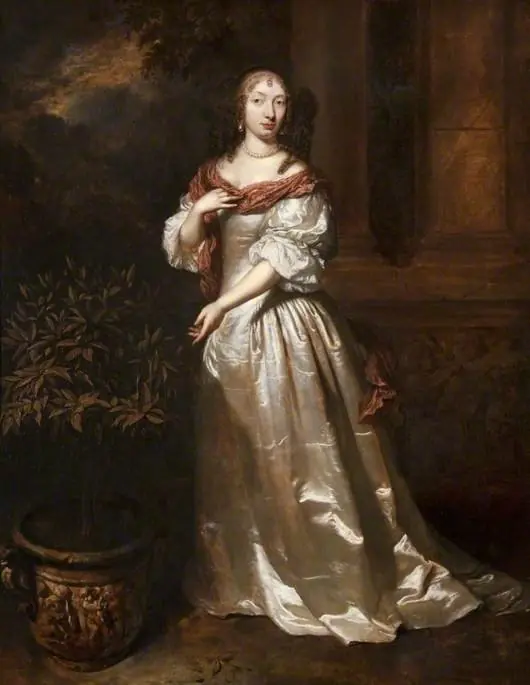
Elizabeth Drummond, Mrs James Stuart is an oil painting by the Rococo painting artist William Mosman. It dates from 1740 and is held in the collection of the National Galleries Scotland.
About this work
If you're interested in learning more about the artist behind this work, you can look up William Mosman.
The painting depicts a woman in a white dress with a blue shawl draped over her left shoulder. She is holding a large vase filled with colorful flowers, including red tulips and pink peonies. The background features a stone wall with an arched doorway and a blue sky with white clouds.
The woman's attire and hairstyle suggest a formal portrait from the 18th century. The vase and flowers add a touch of elegance to the scene. The artist's use of light and shadow creates a sense of depth and dimensionality in the painting.
If you're interested in learning more about the artist behind this work, you can look up William Mosman.
Overview
William Mosman’s oil portrait, painted in 1740, presents Elizabeth Drummond, the wife of James Stuart. The work resides in the Scottish National Gallery, where it exemplifies mid‑eighteenth‑century portraiture. The composition balances a seated figure against an architectural backdrop, employing a restrained palette and careful modeling to convey both presence and poise.
Subject & Meaning
The sitter is shown in a white gown with a blue shawl draped over her left shoulder, holding a large vase brimming with red tulips, pink peonies and other blossoms. The floral arrangement functions as a symbol of refinement and domestic virtue, while the calm expression and poised stance suggest the social standing and genteel character of a married woman of her era.
Technique & Style
Mosman renders the figure with smooth brushwork, allowing the silk of the dress and the delicate petals to appear tactile. Light falls from the left, creating subtle chiaroscuro that models the face and folds of fabric, while the stone wall and arched doorway recede through atmospheric perspective. The sky, rendered in pale blue with soft clouds, adds depth without distracting from the central portrait.
History & Provenance
Created in 1740, the portrait entered the collection of the Scottish National Gallery after a series of private ownerships, reflecting the typical trajectory of aristocratic commissions entering public institutions in the nineteenth century. Its attribution to Mosman has been confirmed through stylistic comparison with his other documented works and archival records linking the Drummond family to the artist.
Context
The painting belongs to a period when Scottish portraiture emphasized clarity, modest ornamentation, and a focus on individual identity within a domestic setting. Mosman, active in Edinburgh, catered to the city's mercantile and landed families, producing works that combined the influence of continental Rococo elegance with the restrained sensibility of the British Enlightenment.
Artist & collection

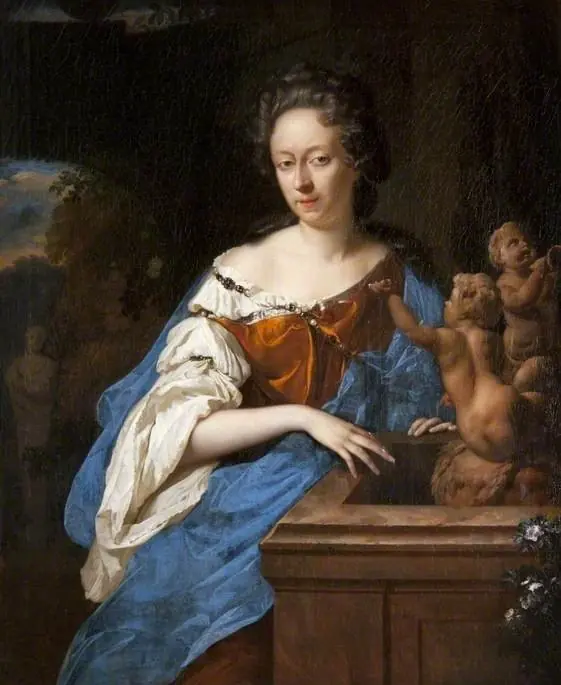 Portrait of a Lady by a Fountain
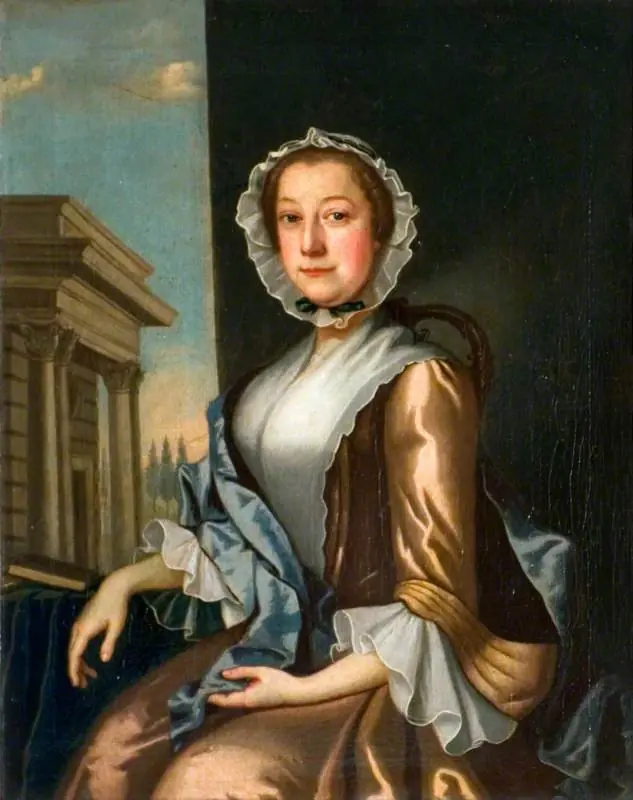 Elizabeth (1727–1782), Wife of Thomas Nickleson
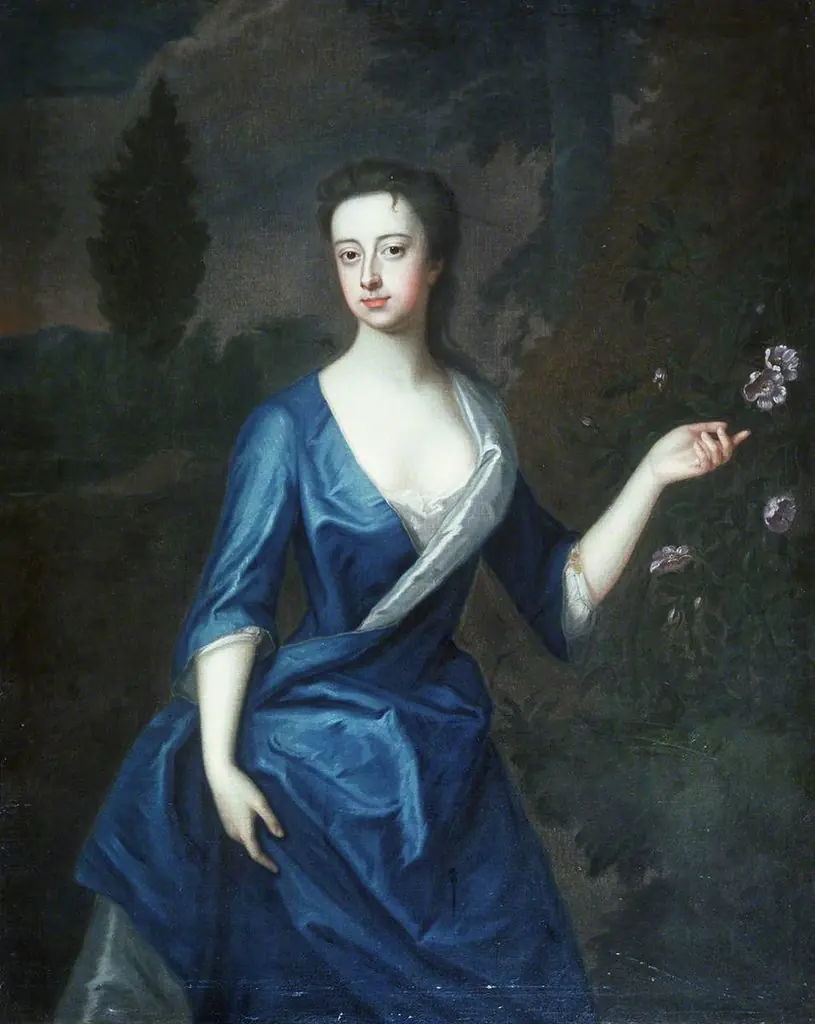 Miss Mary Middleton (1688–1747), of Plas Newydd, Wrexham
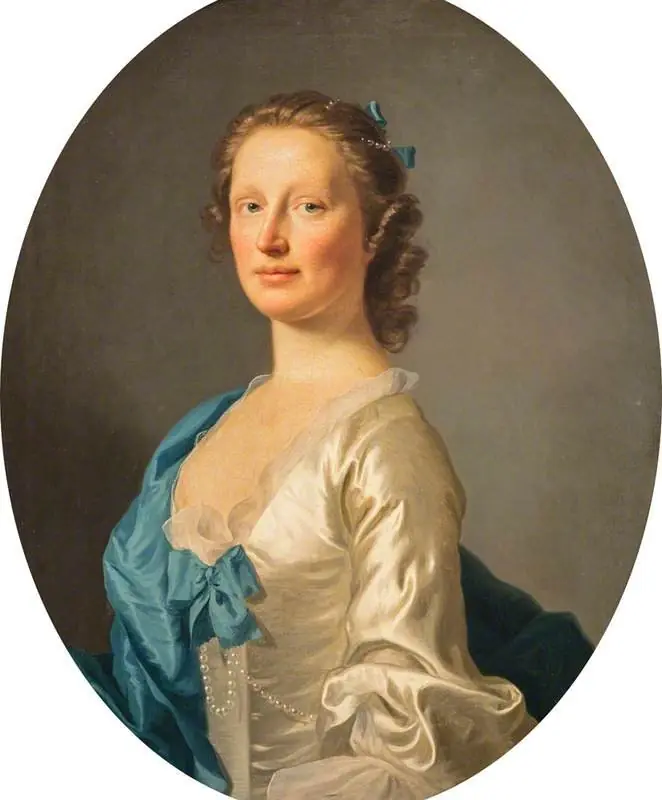 Portrait of a Lady, formerly called Flora Macdonald
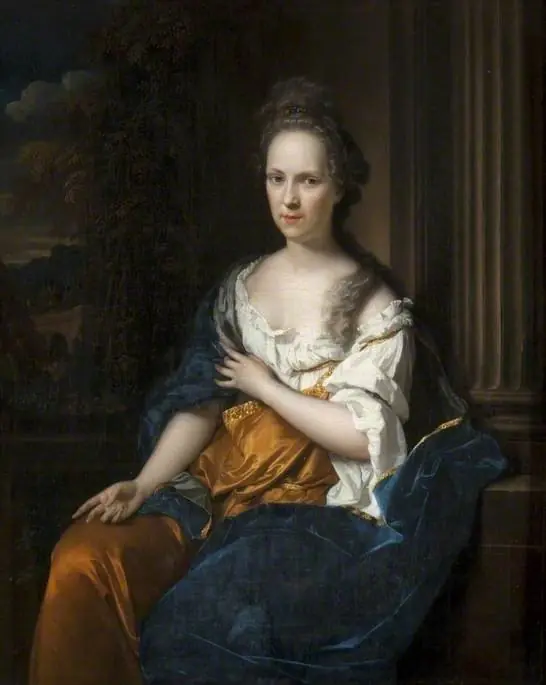 Portrait of a Woman, Aged 33
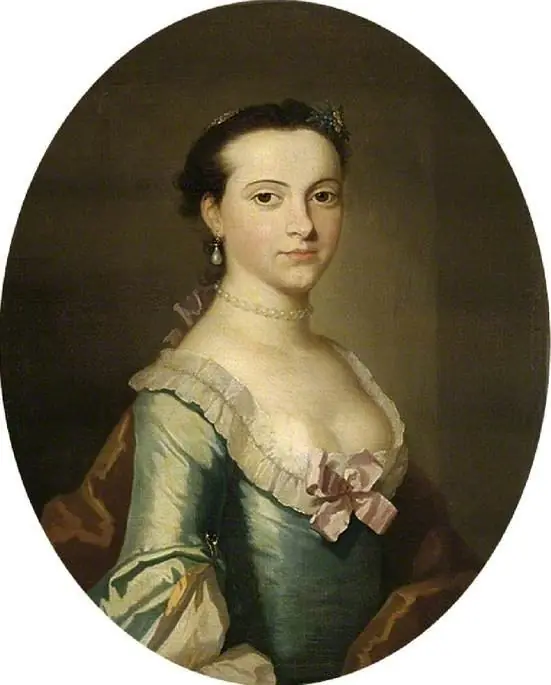 Mrs. Susannah Hope
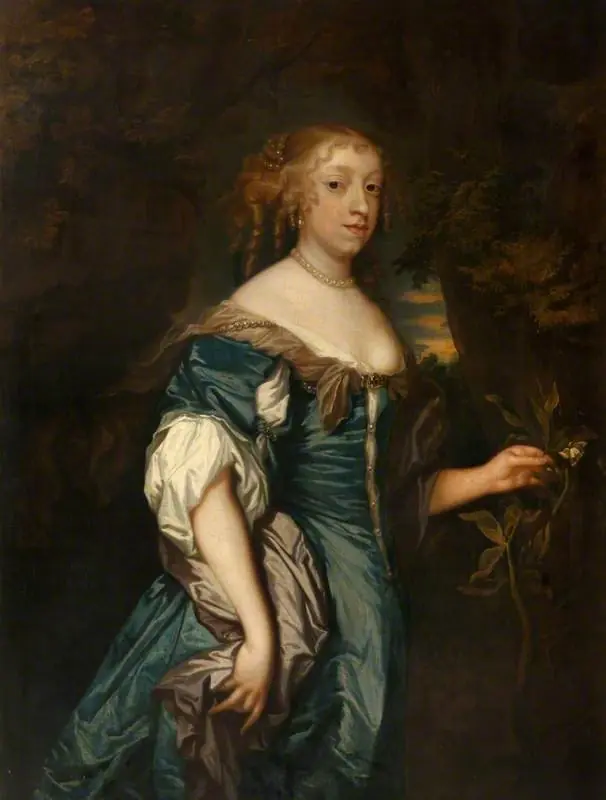 Lady Diana Bruce (died 1672)
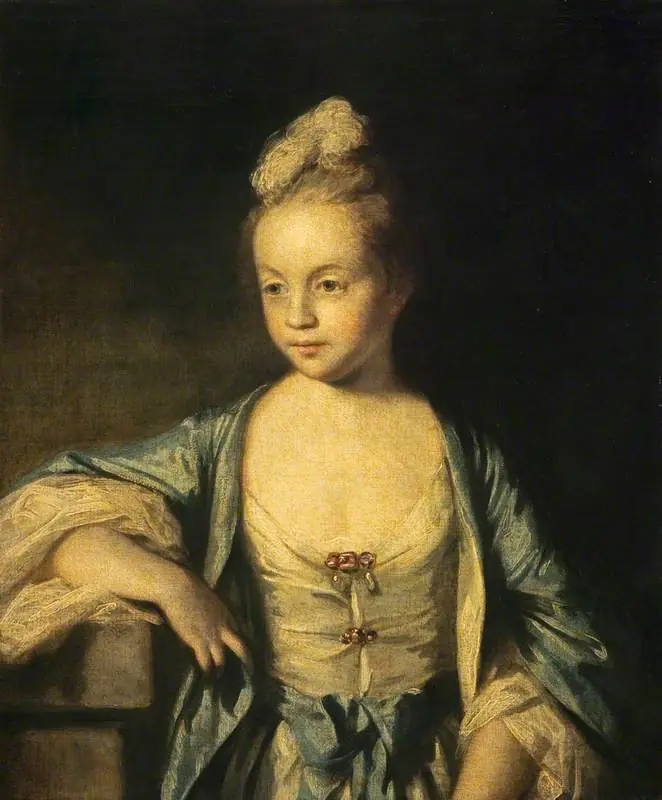 A Little Girl (possibly Lady Frances Scott, later Lady Douglas, 1750 - 1817)
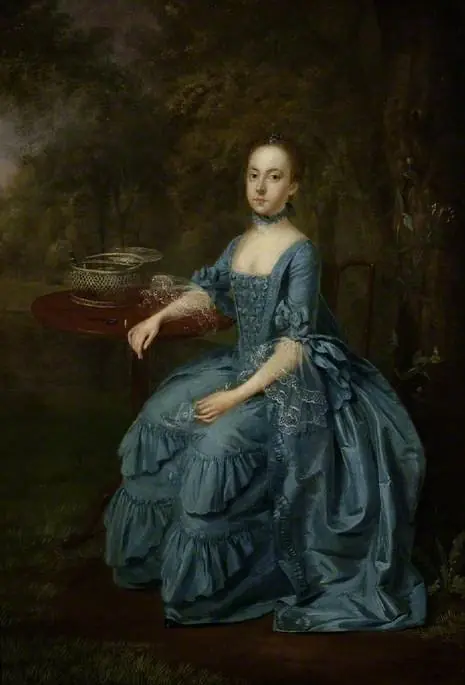 Lady Milner (née Miss Mordaunt)
 Elizabeth Dering, Lady Darell
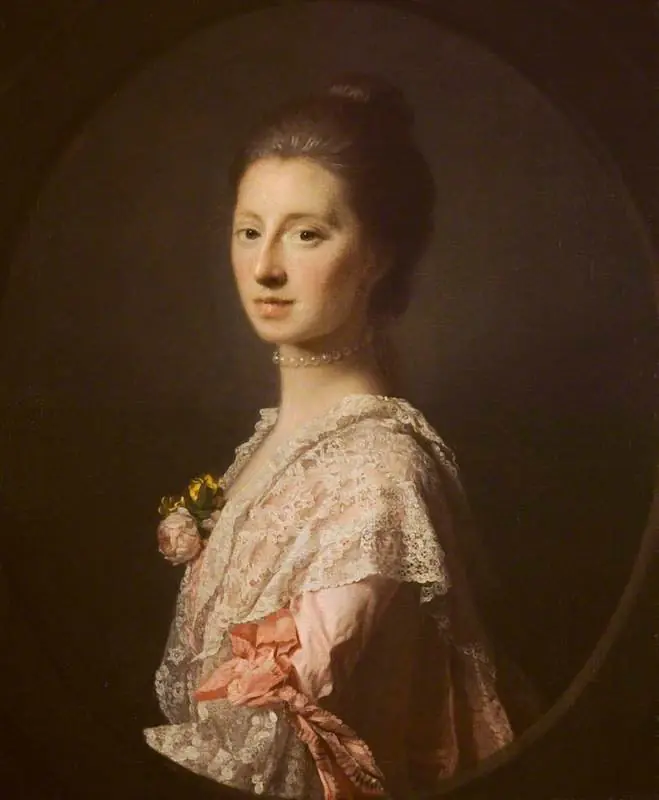 Mrs Anna Bruce of Arnot (died 1810)
 Portrait of a Young Woman by an Orange Tree