Artwork
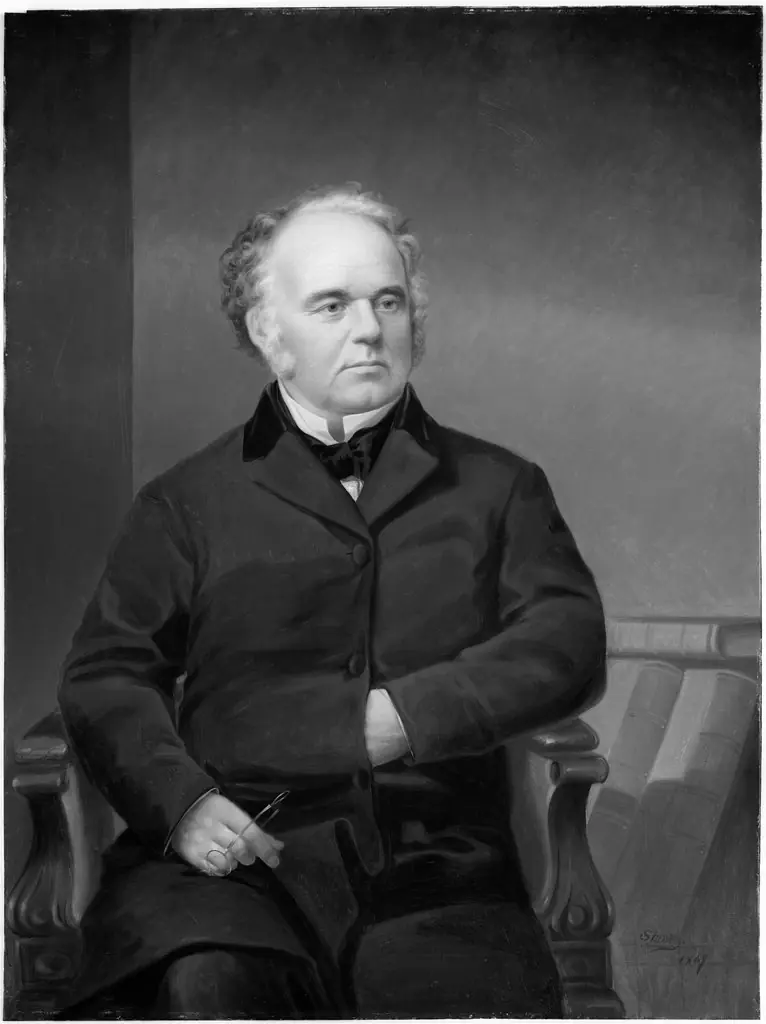
Portrait of William Wilson Corcoran (1798-1888)
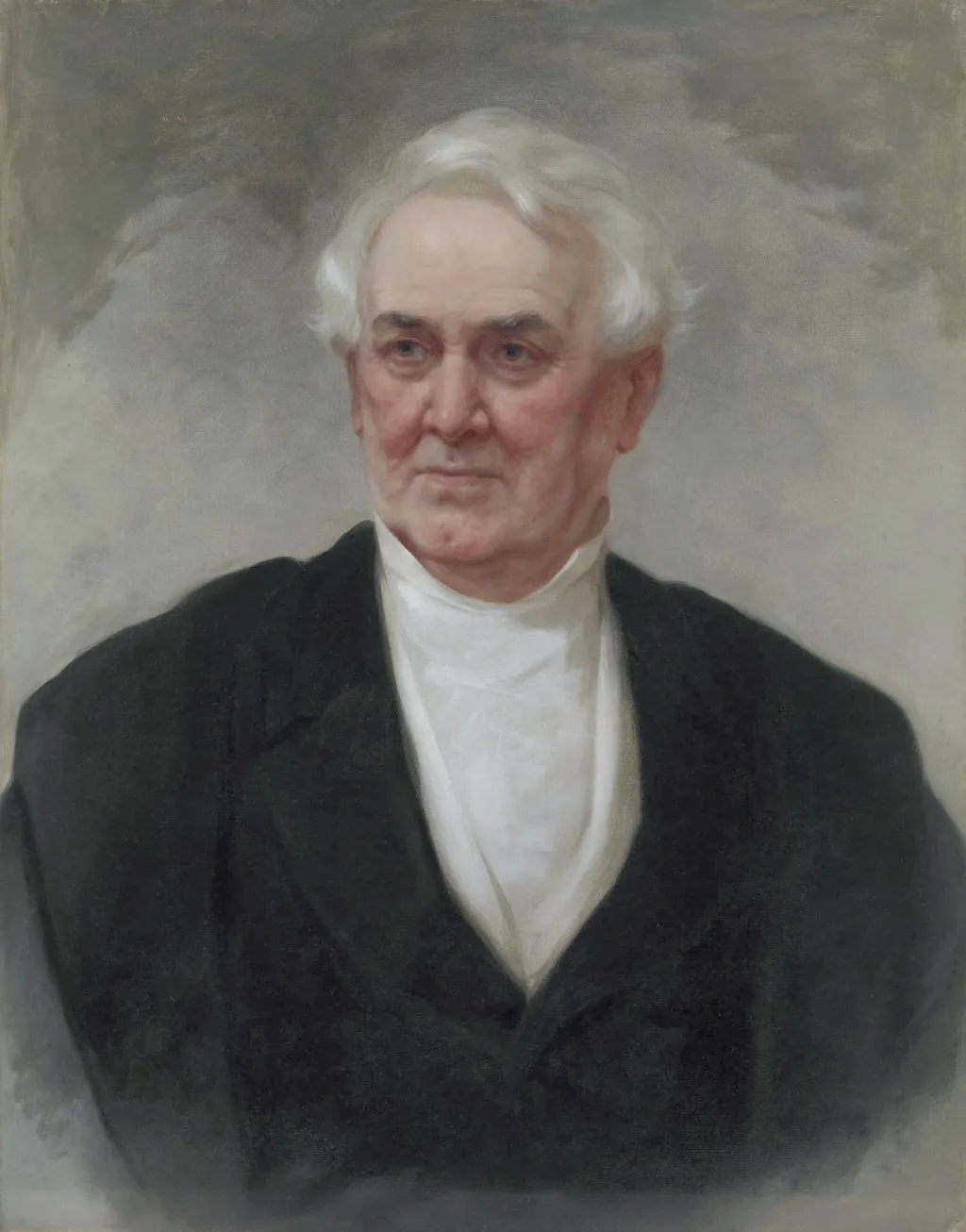
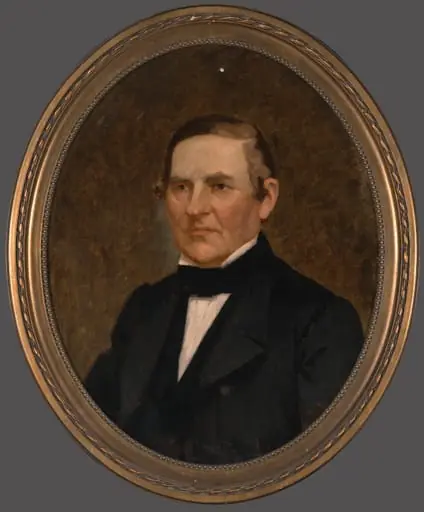
Portrait of William Wilson Corcoran (1798-1888) is an oil painting by the American Impressionist artist William Oliver Stone. It dates from 1850 and is held in the collection of the Walters Art Museum. Painted around 1850, this oil portrait captures William Wilson Corcoran, a notable American financier and philanthropist.
About this work
If you're interested in learning more about the artist behind this piece, explore the works of William Oliver Stone.
This portrait depicts an older man with white hair, wearing a black jacket over a white shirt. The background is a subtle blend of gray and white hues.
The subject's attire and hairstyle suggest a formal setting, possibly from the 19th century. The artist's use of oil paint adds depth to the portrait.
If you're interested in learning more about the artist behind this piece, explore the works of William Oliver Stone.
Overview
Painted around 1850, this oil portrait captures William Wilson Corcoran, a notable American financier and philanthropist. The work was completed by William Oliver Stone, a Connecticut-born artist who trained in New Haven and later established a studio in New York. Stone’s career as a portraitist developed during the mid-nineteenth century, a time when formal portraiture remained a key medium for documenting social standing and personal identity.
Subject & Meaning
William Wilson Corcoran, depicted in late middle age, is shown with white hair and a composed demeanor, dressed in a dark jacket over a crisp white shirt. His attire reflects the formal dress of a man of means in antebellum America. The portrait conveys quiet authority rather than ostentation, aligning with Corcoran’s reputation as a reserved yet influential figure in Washington, D.C.’s financial and cultural circles.
Technique & Style
Stone employed oil paint to achieve subtle tonal transitions, particularly in the subject’s face and the muted background of gray and white. The rendering emphasizes texture—fabric folds, skin tone, and hair—without theatrical lighting or elaborate props. The composition is restrained, focusing attention on the sitter’s presence through careful modeling and a neutral backdrop, characteristic of mid-century American portraiture.
History & Provenance
The painting was created shortly before Stone opened his New York studio in 1851, placing it among his early professional works. While specific ownership records are limited, the portrait’s subject suggests it was commissioned by Corcoran or a close associate. Stone’s later affiliation with the National Academy of Design, beginning in 1861, underscores his growing reputation, though this portrait predates his public exhibition career.
Context
In the 1850s, American portrait painting was shaped by a growing class of wealthy patrons seeking to document their status. Corcoran, a banker and founder of what became the Corcoran Gallery of Art, exemplified this trend. Stone, like many artists of his generation, navigated the transition from European academic training to a distinctly American artistic identity, often working within private commissions rather than public institutions.
Legacy
Though William Oliver Stone is not widely remembered today, his portraits, including this one, contribute to the visual record of 19th-century American elites. The portrait of Corcoran remains a quiet testament to the era’s emphasis on dignity and restraint in representation. It survives as a historical artifact, reflecting both the sitter’s influence and the artist’s skill in capturing character through understated means.
Own this work as a print
Artist & collection

Artist
William Oliver Stone (September 26, 1830 – September 15, 1875) was an American portrait painter.

 Dr. John Edwards Holbrook
 Rev. Edward Matthews
 Hinman B. Hurlbut
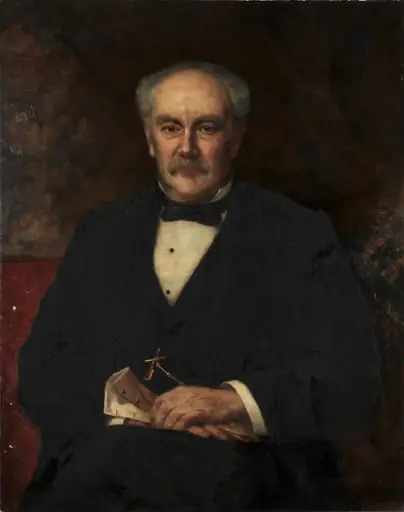 Hinman B. Hurlbut
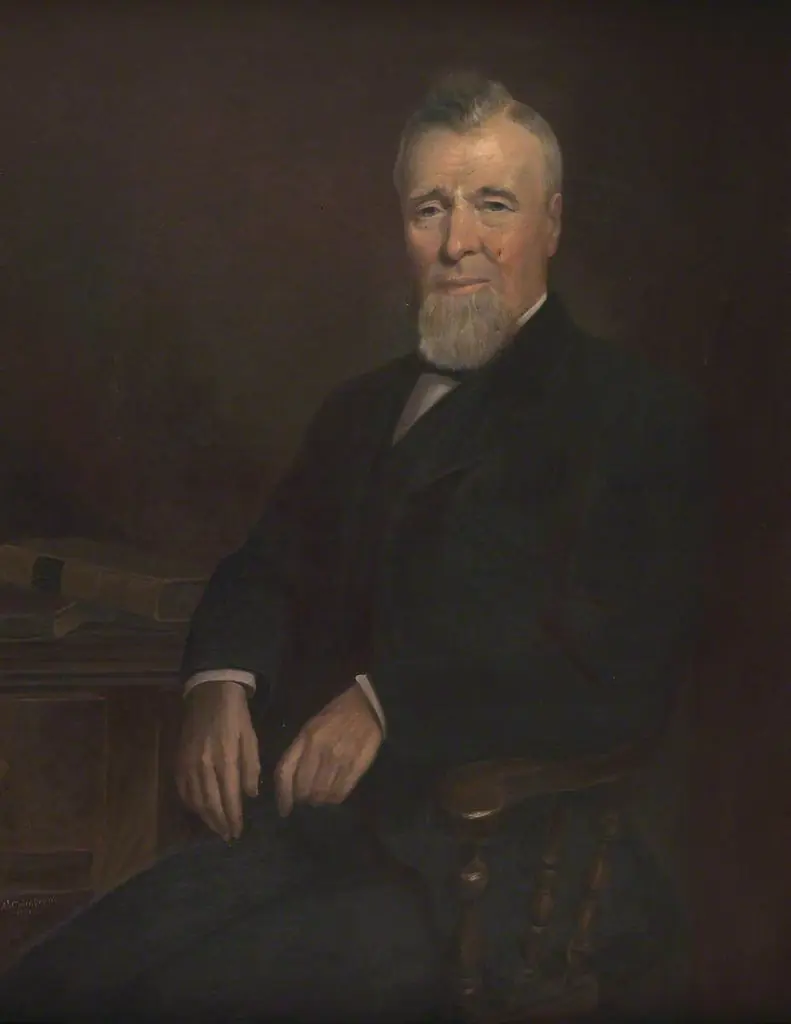 Reverend J. G. Morris of Newport, Pembrokeshire (1833–1919)
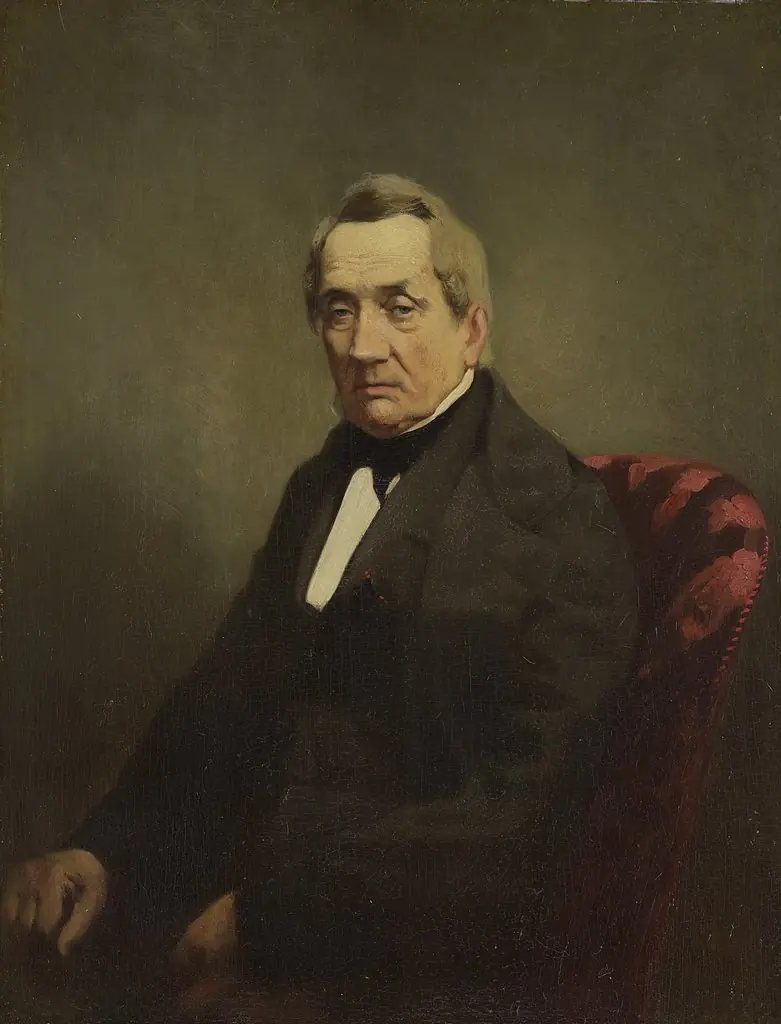 Portrait of J C de Brunett, Consul-General of Russia to Amsterdam
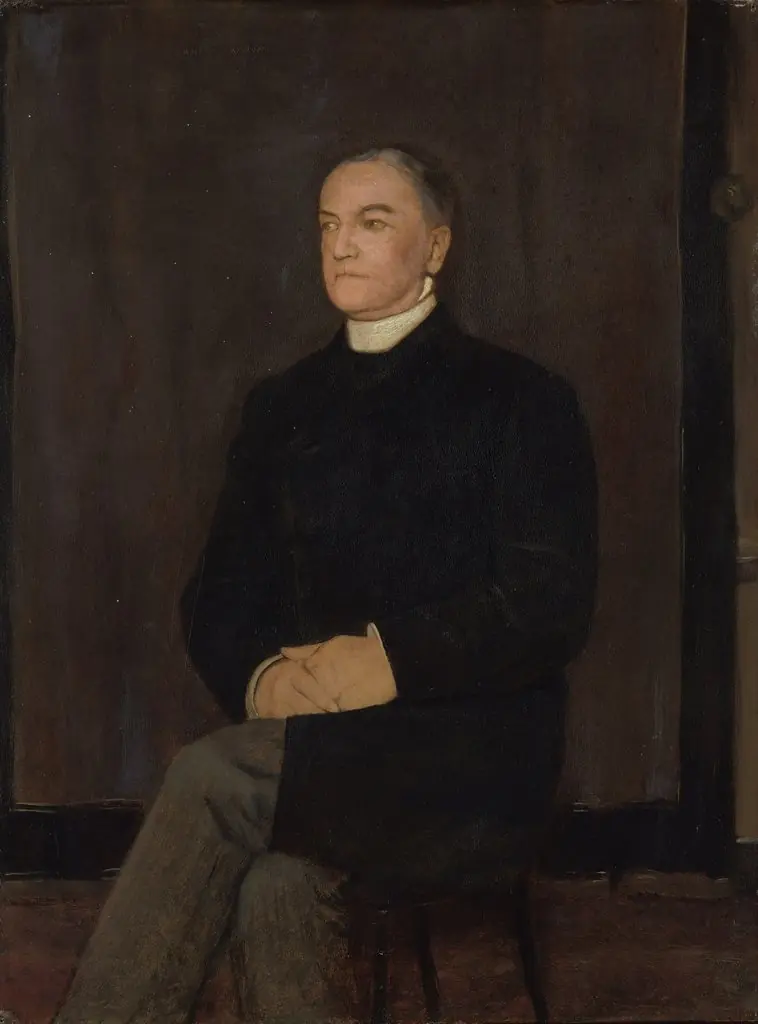 Portret van Augustinus Gerardus Hubertus van Rijckevorsel (1828 - ’s-Hertogenbosch - 1891)
 Johan Lindroos vanhana.
 Man sitting at a table with an open book
 Frederic Tudor
 Portret van Eugeen Lefébure
 Samuel Mountfort Pitts