Artwork
Mrs. Abraham Conger (Mary Rutgers McCrea Hedges)
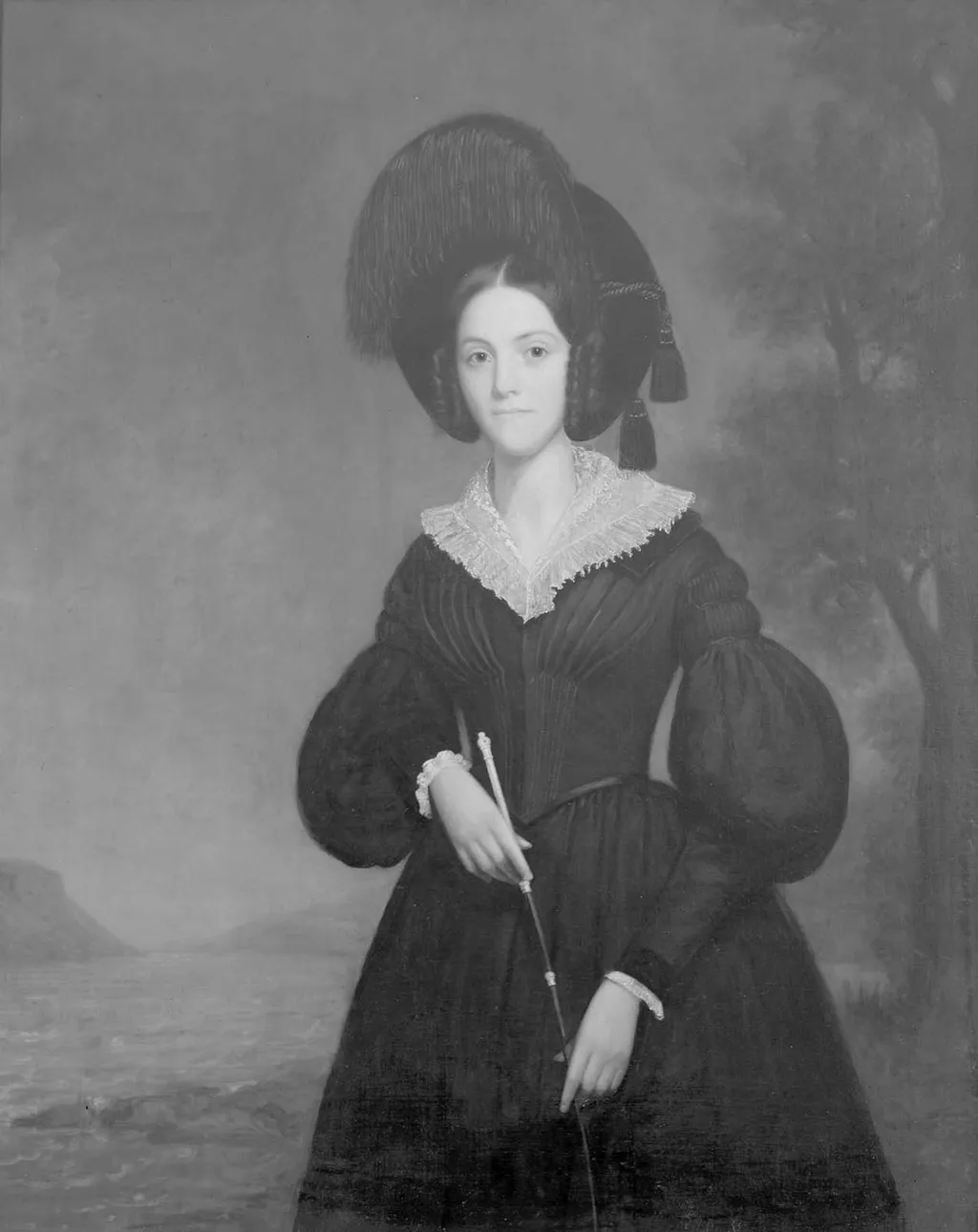
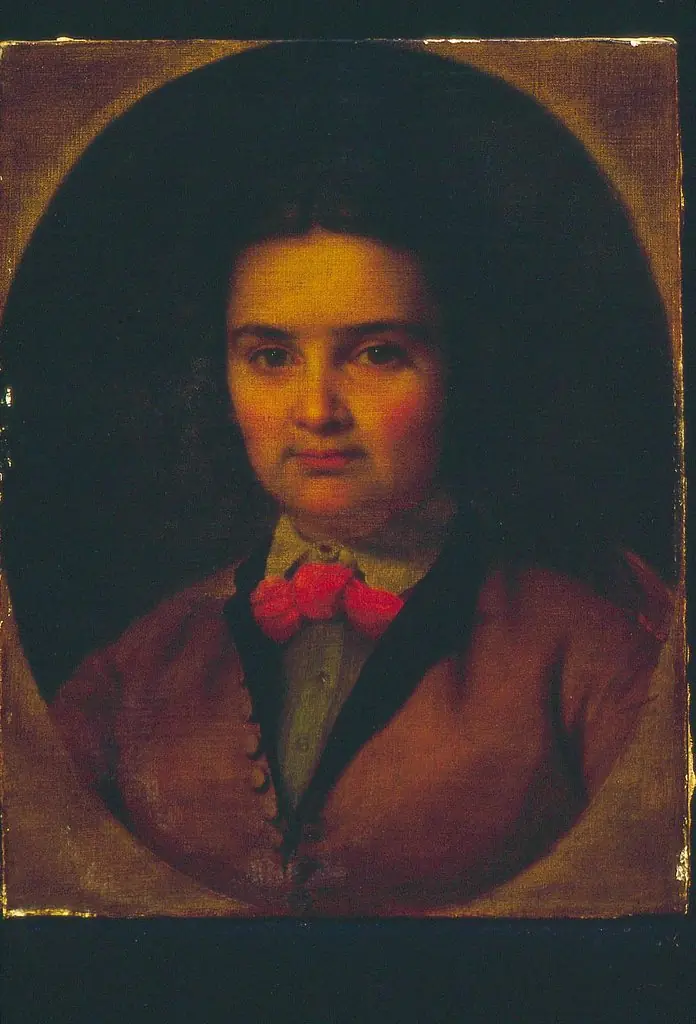
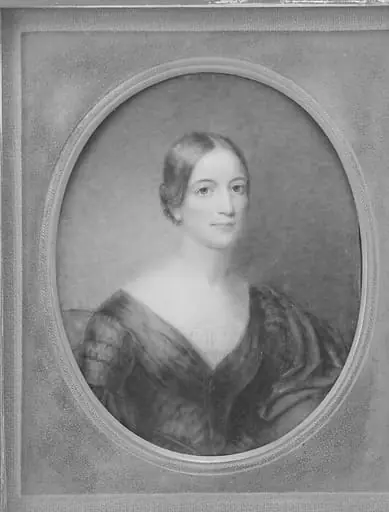
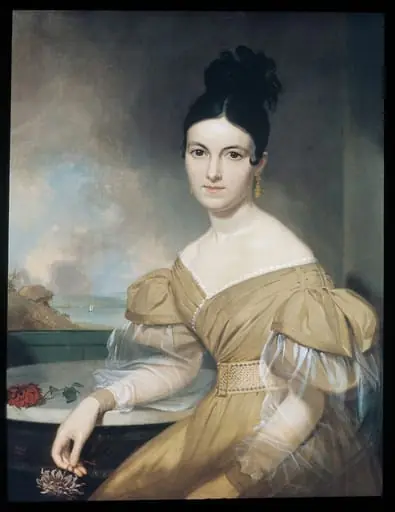
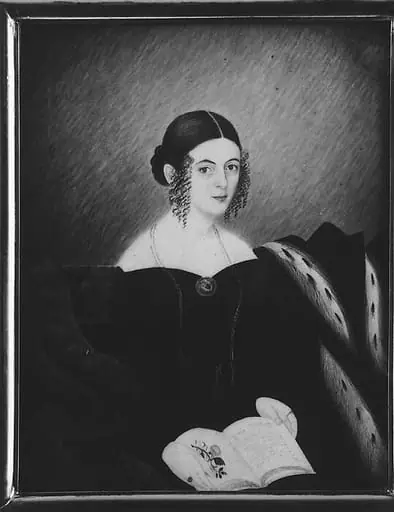
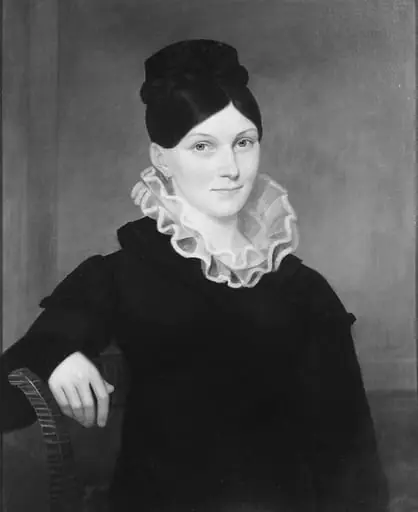
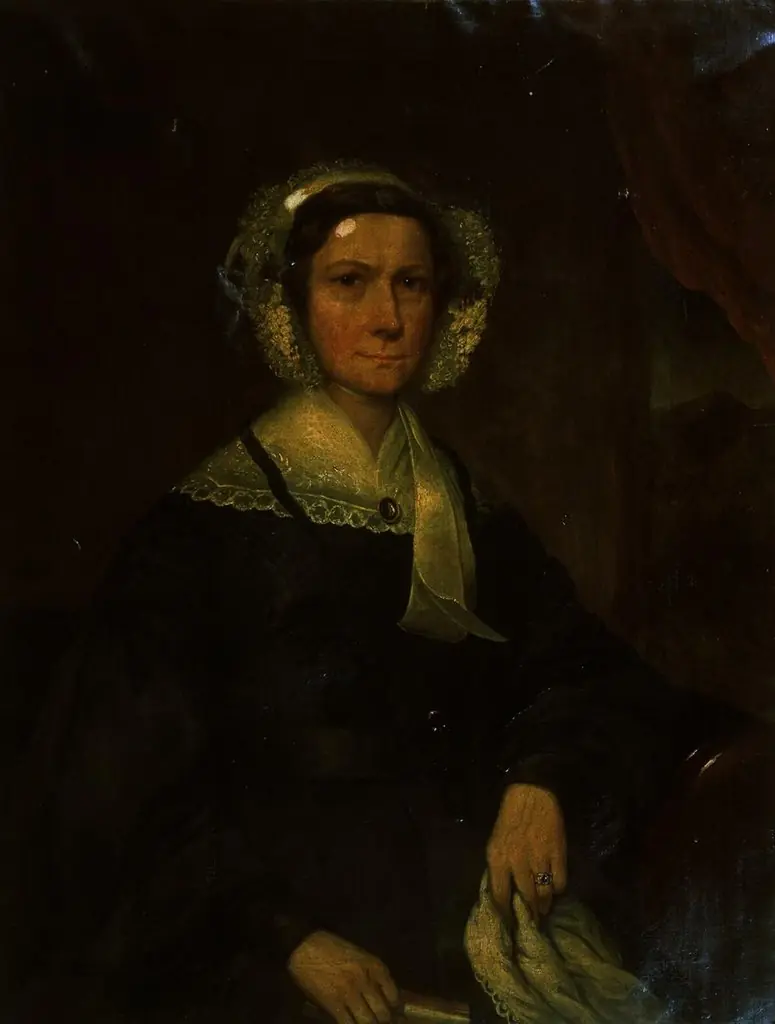
Mrs. Abraham Conger (Mary Rutgers McCrea Hedges) is an oil painting by the Biedermeier artist William Page. It dates from 1838 and is held in the collection of the Museum of Fine Arts Boston. Mrs.
About this work
The woman is the central figure, and her clothing and accessories suggest a formal or elegant setting.
This portrait shows a woman standing in front of a landscape. She wears a dark dress with puffy sleeves and a lace collar, and a large hat with a feather on top. Her right hand holds a stick or cane.
The woman's dark hair is styled under her hat, and she looks directly at the viewer. The background is a landscape with trees and hills, but it is not the main focus of the painting. The woman is the central figure, and her clothing and accessories suggest a formal or elegant setting.
The painting is a portrait of Mrs. Abraham Conger, created by William Page in 1838. It is held at the Museum of Fine Arts Boston. If you want to learn more about the artist's technique, look up "chiaroscuro".
Overview
Mrs. Abraham Conger (Mary Rutgers McCrea Hedges) is an 1838 oil painting by William Page, currently part of the collection at the Museum of Fine Arts Boston.
Subject & Meaning
The painting portrays Mrs. Abraham Conger standing prominently in front of a subdued landscape. Her attire, including a dark dress with puffy sleeves, lace collar, and a feather-adorned large hat, suggests a formal or elegant context. She directly engages the viewer, her dark hair styled beneath her hat, with her right hand holding a stick or cane.
Technique & Style
The composition employs chiaroscuro, emphasizing the subject through strong contrasts between light and dark, which draws attention to Mrs. Conger as the central figure while the landscape recedes into the background.
History & Provenance
Created in 1838 by William Page, the painting is now housed at the Museum of Fine Arts Boston, though specific details of its acquisition or previous ownership are not provided here.
Context
The painting reflects early 19th-century portrait conventions, blending formal attire with outdoor settings, a style common during this period in American portraiture.
Legacy
While specific legacy or impact of this particular work is not detailed, it contributes to the broader understanding of William Page's oeuvre and early 19th-century American portrait painting techniques.
Own this work as a print
Artist & collection